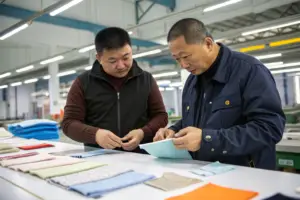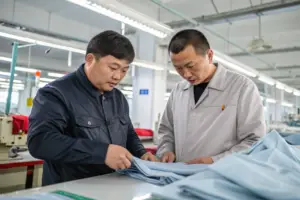
You are staring at a wall of fabric swatches. There are hundreds of them. Cotton, linen, silk, viscose, polyester, blends you have never even heard of. They all feel different. They all drape differently. You have a vision for your women's wear collection—a flowing dress, a tailored blazer, a soft everyday tee. But which fabric will bring that vision to life? And which one will fail miserably? A brand owner told me, "Choosing fabric felt like a guessing game. I picked one that looked pretty, and the sample came back looking like a wrinkled paper bag. I had no idea drape and weight mattered so much."
The "best" fabric for private label women's wear is not a single material. It is the right material for the specific garment, silhouette, and brand aesthetic. For fluidity and drape, Tencel and high-quality viscose are exceptional. For structured tailoring, linen, cotton twill, and crepe are ideal. For everyday comfort and luxury, GOTS organic cotton jersey and silk are unmatched. The key is understanding the properties of weight, drape, and handfeel.
At Shanghai Fumao, we guide our B2B partners through this critical selection process every day. We know that fabric is the soul of a women's wear collection. Let me share our curated guide to the best fabrics for different categories, so you can make informed choices that elevate your brand and delight your customer.
Which Fabrics Create the Best Drape and Fluidity for Dresses and Blouses?
For many women's wear pieces—the effortless midi dress, the romantic blouse, the wide-leg pant—the primary goal is drape. Drape is how the fabric hangs under its own weight. A fabric with beautiful drape flows and moves with the body. It skims curves and creates an elegant, liquid silhouette. A fabric with poor drape is stiff and boxy. It fights the body. The choice of fiber and weave is everything.
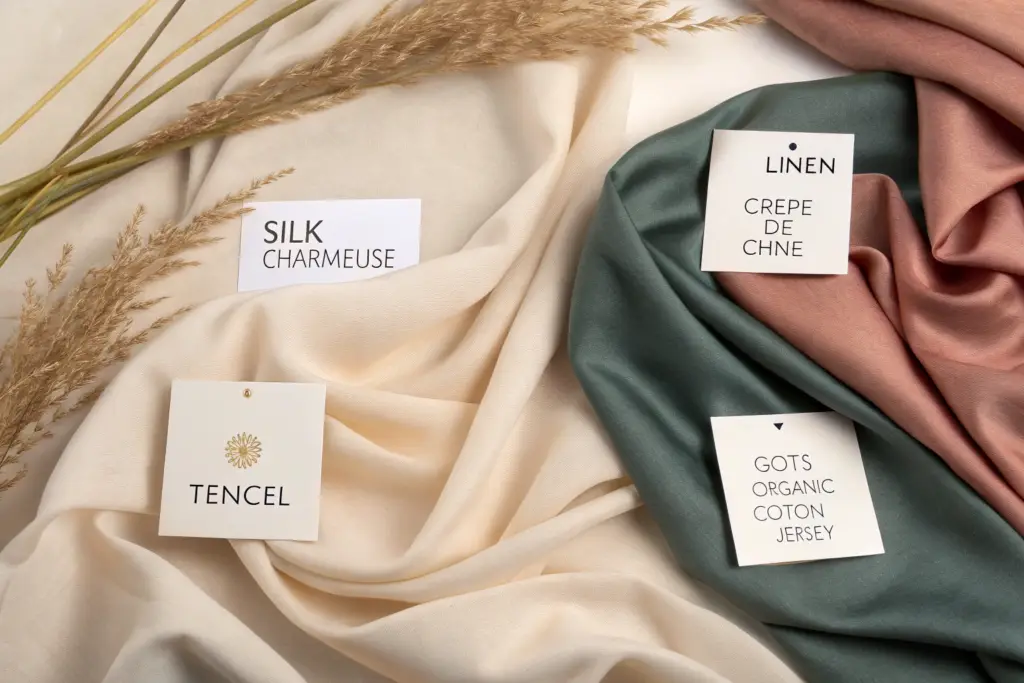
The best fabrics for exceptional drape and fluidity are Tencel Lyocell, high-quality Viscose (especially Crepe weaves), and Silk (Charmeuse, Crepe de Chine). These fibers are naturally smooth and have a beautiful weight that allows them to hang and move gracefully. They are ideal for bias-cut dresses, flowy blouses, and wide-leg trousers.
I recall a brand that designed a beautiful wrap dress. Their initial sample was made from a stiff, inexpensive cotton poplin. It looked like a tent. They were devastated. We suggested switching to a Tencel Twill. The difference was transformative. The dress suddenly had life. It moved. It draped. It was the same pattern, but the fabric changed everything. That dress became their best-seller. This is the power of understanding drape. For a deeper dive into sustainable options that offer this beautiful handfeel, explore our guide to sustainable fabrics .
What Is the Difference Between a Crepe and a Charmeuse Weave?
This is a key distinction for achieving specific aesthetics.
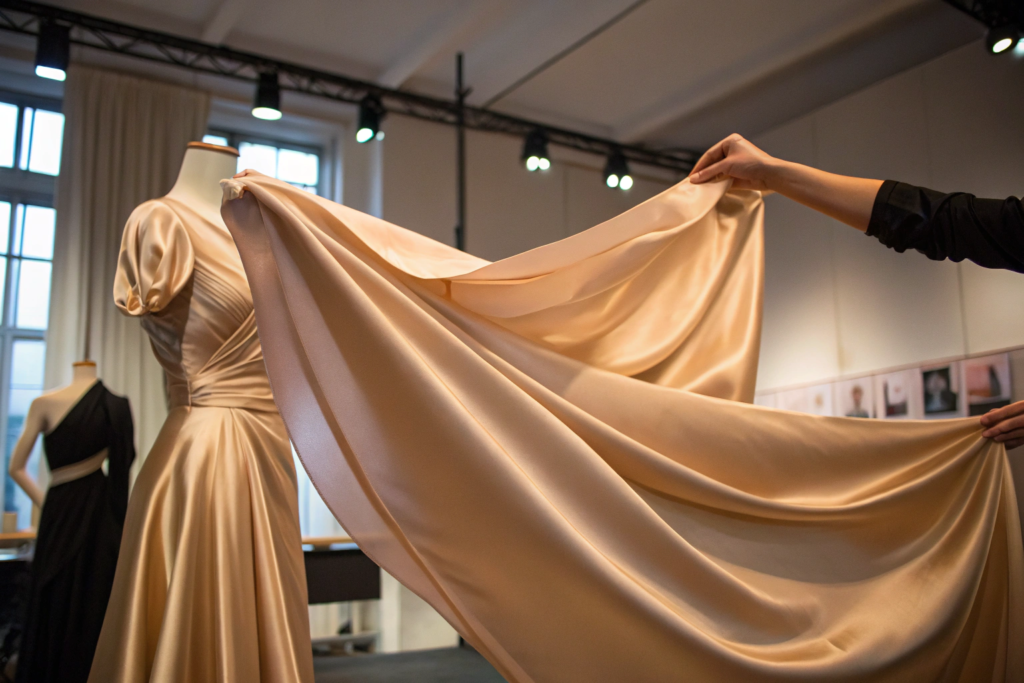
- Crepe (e.g., Crepe de Chine, Marocain): Characterized by a slightly textured, pebbly, or crinkled surface. It has a beautiful, matte finish and an incredible, fluid drape. It is incredibly forgiving and resists wrinkles. It is the workhorse of elevated women's wear.
- Charmeuse: A satin weave characterized by a lustrous, glossy front and a dull back. It is liquid-like and sensuous. It is the quintessential "slip dress" fabric. However, it is more challenging to sew and shows every flaw.
Why Is Tencel Lyocell a Superior Choice for Fluid Garments?
Tencel is a branded lyocell fiber made from wood pulp. It has a uniquely smooth, round fiber surface, which gives it an incredibly soft handfeel and a beautiful, silk-like drape. It is more durable than viscose, has better moisture management, and is produced in an environmentally responsible closed-loop process. It is a premium, high-performance fiber that offers the best of both worlds: natural comfort and luxurious drape.
What Materials Provide Structure and Tailoring for Jackets and Trousers?
The flowing dress requires drape. The tailored blazer, the structured trouser, the A-line skirt require the opposite: Body and Structure. These garments are about creating a clean, defined silhouette. The fabric must have enough stiffness and weight to hold its shape, support seams, and create sharp lines. A fabric that is too soft and drapey will collapse and look sloppy in a tailored application.
The best fabrics for structure and tailoring are Linen (especially heavier weights), Cotton Twill and Canvas, Wool Crepe and Suiting, and heavier-weight Viscose Blends. These fabrics have inherent body and crispness. They hold pleats, support collars and lapels, and create a polished, professional silhouette. Lighter weights are ideal for warm weather; heavier weights for fall and winter.
A men's wear inspired women's wear brand we work with specializes in tailored trousers and blazers. Their hero fabric is a high-quality Cotton Twill with a touch of spandex for comfort. It has the structure to create a sharp crease and a clean leg line, but the spandex allows for movement. They experimented with a softer Tencel for a blazer once, and it looked unstructured and sloppy. They learned that the fabric must match the garment's engineering. The right material provides the "bones" of the design.
Why Is Linen Both Loved and Challenging for Tailored Pieces?
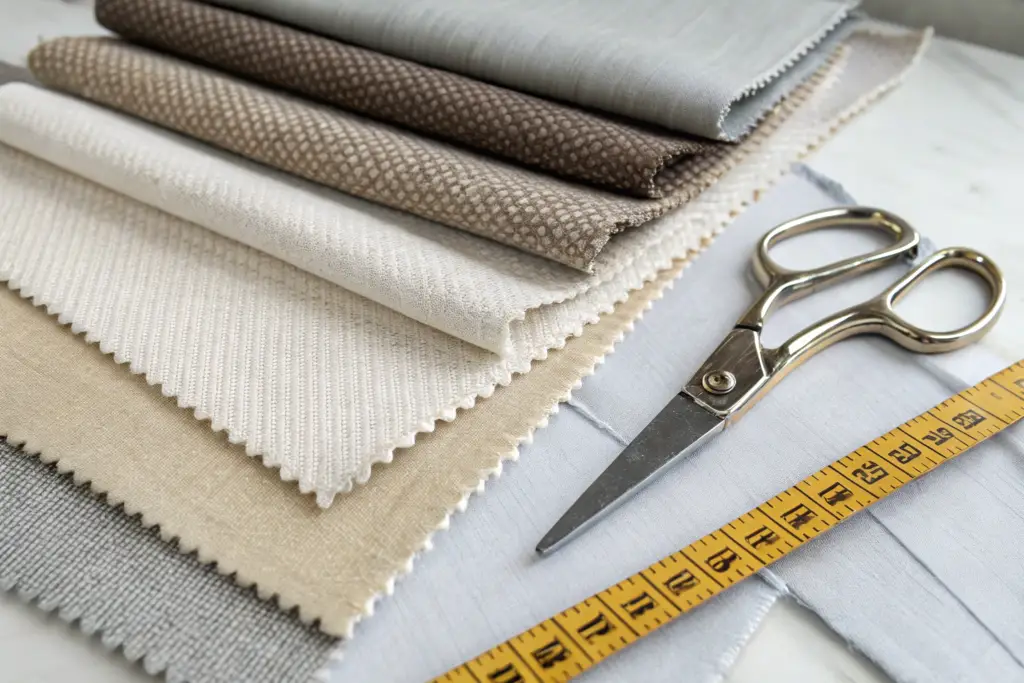
Linen is the king of warm-weather tailoring. It is incredibly breathable, strong, and has a beautiful, natural texture. However, it is also famous for wrinkling. For a tailored blazer, this can be part of its relaxed, "lived-in" charm. The key is to choose a heavier weight linen (e.g., 200+ GSM), which wrinkles less severely than a lightweight voile. Blends (e.g., Linen/Cotton or Linen/Tencel) can also offer the best of both worlds: the texture of linen with improved wrinkle resistance.
How Does a Touch of Spandex Transform a Structured Fabric?
Adding just 2-3% spandex (elastane) to a structured fabric like cotton twill or wool suiting is a game-changer for women's wear. It provides mechanical stretch, allowing the garment to move with the body without losing its tailored shape. It makes a fitted blazer comfortable to wear all day and prevents a pencil skirt from restricting movement. It is the secret ingredient for creating tailored clothes that women actually want to wear. This is a key consideration in our design for manufacturability consultations.
What Are the Best Fabric Choices for Premium Everyday Basics?
The most profitable pieces in many women's wear collections are not the statement dresses. They are the everyday basics: the perfect white tee, the cozy sweatshirt, the comfortable legging. These are the items women live in. And because they are worn and washed so frequently, the fabric quality is paramount. A cheap, scratchy, or quickly-pilling basic will destroy a brand's reputation faster than anything else.
The gold standards for premium everyday basics are GOTS Organic Cotton Jersey (for tees and dresses), Pima or Supima Cotton (for a silkier, more durable hand), and a high-quality Cotton/French Terry (for sweatshirts and loungewear). The key is to prioritize fiber quality (long-staple cotton), a substantial weight (GSM), and clean finishing (combed, ring-spun).
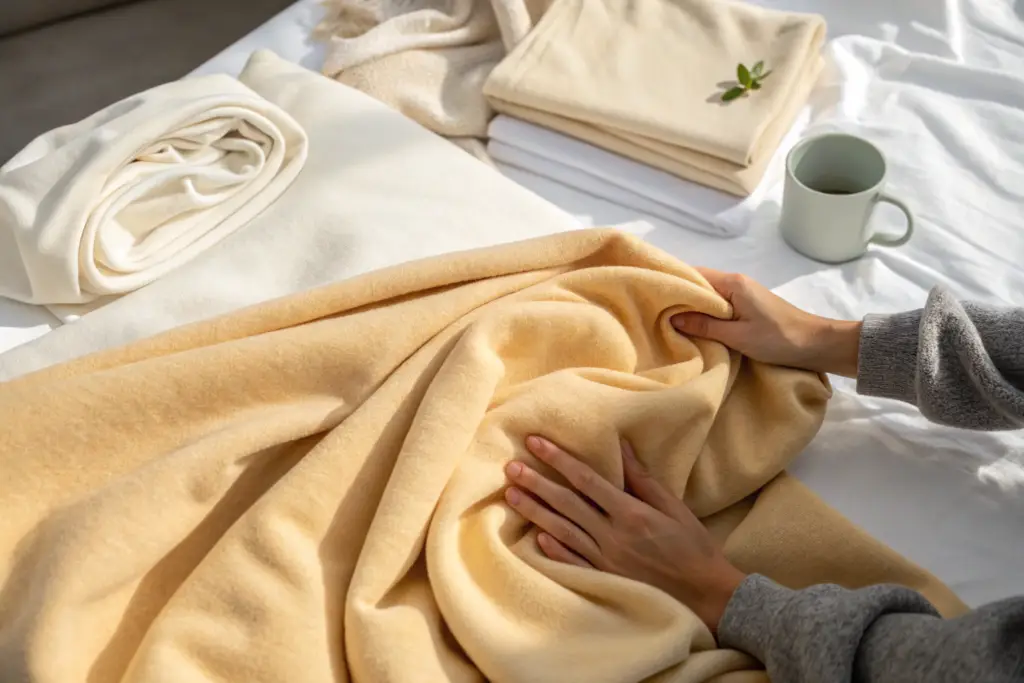
A brand that built a cult following around their "Perfect Tee" did so by obsessing over the fabric. They use a GOTS-certified organic cotton jersey with a specific, heavy weight (200 GSM). It is combed and ring-spun for incredible softness. The weight gives it a beautiful, substantial drape that elevates it beyond a flimsy basic. Customers feel the difference immediately. They are willing to pay $68 for a t-shirt because the fabric tells them it is worth it. This is the power of investing in premium materials for your core basics. Learn more about our commitment to quality control for these essential pieces.
What Does "GSM" Mean and Why Does It Matter for Basics?
GSM stands for Grams per Square Meter. It is the objective measure of a fabric's weight and substance.
- Lightweight (120-150 GSM): Good for summer layering tees. Can feel flimsy.
- Midweight (160-200 GSM): The sweet spot for a premium everyday tee. Substantial, durable, and drapes well.
- Heavyweight (220+ GSM): Ideal for sweatshirts and hoodies. Feels luxurious and structured.
A higher GSM almost always equates to a higher perceived value. It is one of the most important specs to lock in for your basics.
What Is the Difference Between Cotton Jersey and Cotton Interlock?
Both are knit fabrics, but with key differences:
- Jersey: Has a distinct front (smooth) and back (looped). It is lightweight and has natural stretch. It is the classic t-shirt fabric. However, the edges curl, which can make sewing more challenging.
- Interlock: Is a double-knit fabric. It is thicker, has a smooth surface on both sides, and the edges do not curl. It is more stable, more opaque, and has a more substantial, premium feel. It is excellent for dresses, skirts, and higher-end basics.
Understanding these nuances allows you to specify the exact handfeel and performance you want for your private label pieces.
How Does Fumao's Sourcing Expertise Guide Brands to the Right Choice?
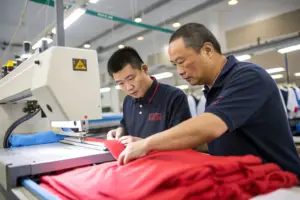
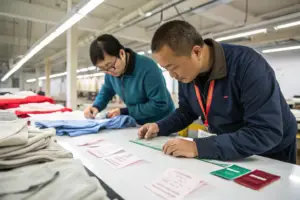
The world of fabric is vast and can be overwhelming. You should not have to become a textile engineer to launch a successful women's wear line. That is where a knowledgeable manufacturing partner becomes invaluable. Our role is not just to sew. It is to guide you to the right materials that will bring your creative vision to life, perform as expected, and meet your budget and values.
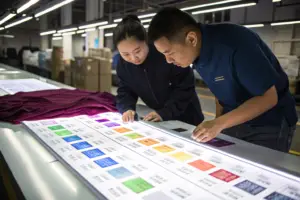
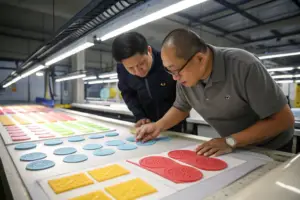
Fumao's sourcing expertise guides brands by first understanding the design intent, target price, and desired aesthetic. We then curate a selection of 3-5 specific, vetted fabric options from our network of trusted mills. We provide clear, comparative information on the handfeel, drape, performance, cost, and sustainability credentials of each option, empowering the brand owner to make a confident, informed decision.
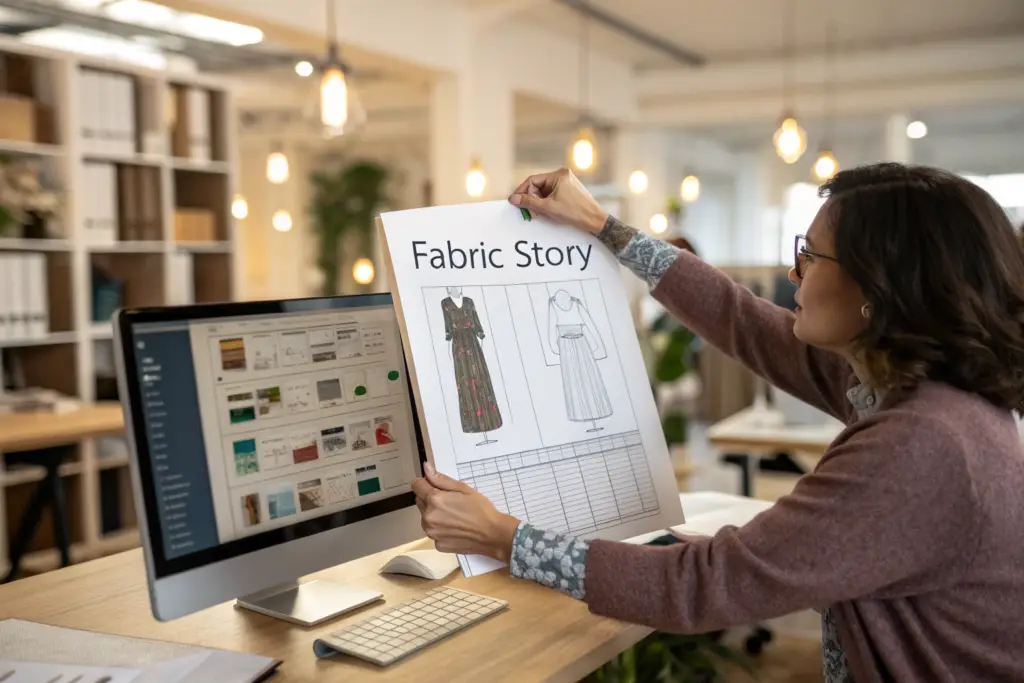
A new brand founder came to us wanting to make "a silky, luxurious dress." She did not know if she wanted silk, viscose, or polyester. We sent her a "Drape Kit"—a box containing swatches of silk charmeuse, Tencel twill, and a high-quality viscose crepe. She could touch them, drape them, and see how they caught the light. She chose the Tencel. It had the look and feel she wanted at a price point that worked for her customer, with the added benefit of a great sustainability story. She did not need to know the technical name. She just needed to feel the difference. This is the power of a curated, tactile approach to fabric sourcing .
What Information Should You Expect with a Fabric Recommendation?
When we recommend a fabric, we provide a complete "Fabric Profile." This includes:
- Fiber Content: (e.g., 100% Tencel Lyocell)
- Weight: (GSM)
- Width: (Usable width for yield calculations)
- Handfeel & Drape Description: (e.g., "fluid, cool hand, beautiful drape")
- Certifications: (GOTS, OEKO-TEX, GRS)
- Care Instructions: (e.g., Machine wash cold, tumble dry low)
- Cost per Yard & MOQ
This data-driven profile allows you to compare options objectively and make the best choice for your brand and your customer.
How Do We Balance Aesthetic Goals with Budget Realities?
This is the art of sourcing. If a client loves the look of a $22/yard Italian silk but has a $12/yard budget, we do not just say "no." We find creative alternatives. We might suggest a beautiful Tencel Twill that has a similar drape and subtle sheen at a fraction of the cost. Or a Cupro (a regenerated cellulose fiber made from cotton linter) which is a fantastic silk alternative. The goal is to achieve the design intent and perceived value within the financial constraints. This is the value of an experienced B2B manufacturing partner .
Conclusion
The best fabrics for your private label women's wear collection are the ones that perfectly marry your design vision with the functional requirements of the garment. The fluid dress demands the graceful drape of a Tencel or silk. The tailored blazer requires the crisp structure of a linen or cotton twill. The everyday essential relies on the soft, substantial comfort of a premium organic cotton jersey. There is no single right answer, only the right choice for the specific purpose.
At Shanghai Fumao, we are passionate about the art and science of fabric. We guide our partners through this critical selection process, providing the expertise, the curated options, and the transparent data needed to make confident, informed decisions. We believe that the right fabric is the foundation upon which a remarkable women's wear brand is built.
If you are ready to explore the perfect fabrics for your next collection, let's talk. Our Business Director, Elaine, can share our fabric library and guide you to the materials that will bring your vision to life. Please email Elaine at: elaine@fumaoclothing.com.