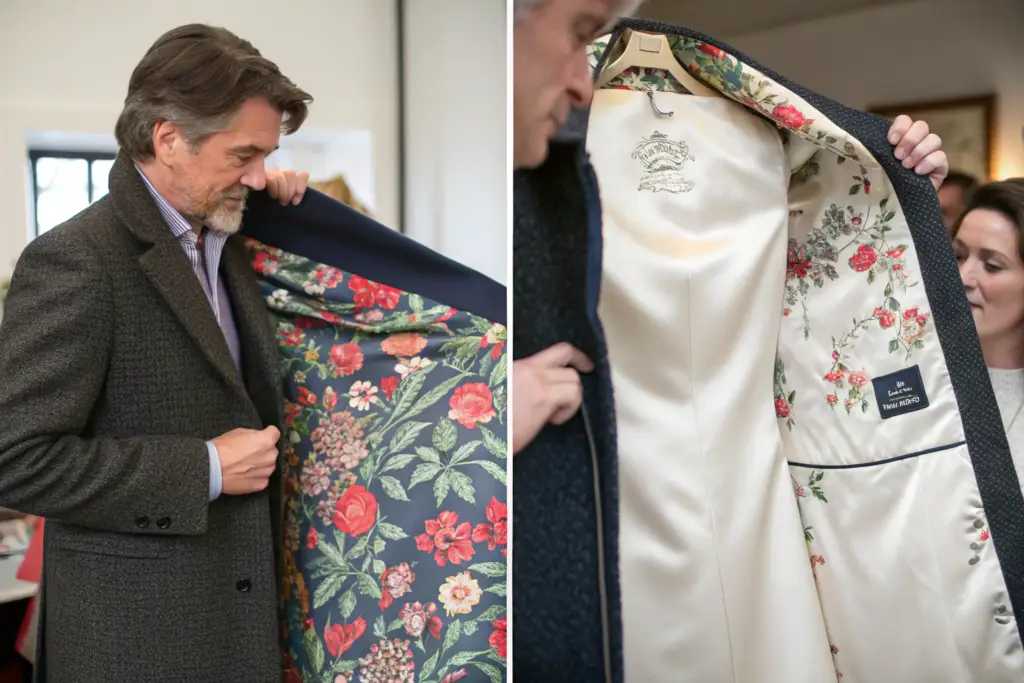
You have perfected the outside of your garment. The shell fabric is exquisite. The fit is flawless. But when you open the coat or turn the dress inside out, what do you see? A scratchy, cheap, unbranded polyester lining that screams "mass market"? Or a smooth, luxurious, custom detail that whispers "thoughtfully designed"? The lining is the secret handshake of a premium brand. A brand owner told me, "I realized my clothes felt expensive on the outside, but the inside told a different story. Upgrading my lining was the single best decision I made for my brand’s perception."
Yes, custom lining is absolutely available for private label coats and dresses. It is one of the most impactful yet often overlooked details in garment manufacturing. Customization options range from selecting a specific, high-quality material and color (e.g., Bemberg Cupro, silk habotai, viscose satin) to creating a fully custom-printed lining with your brand’s logo, a signature pattern, or a unique design. This detail significantly elevates the perceived value and luxury of a garment.
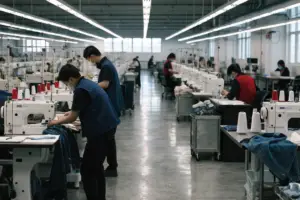
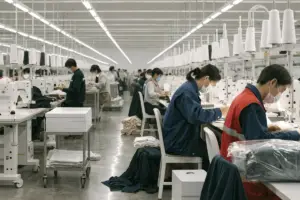
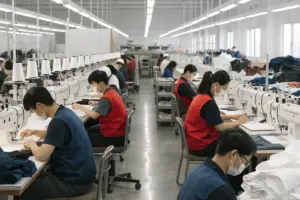
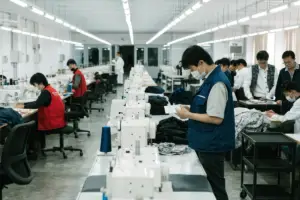
At Shanghai Fumao, we view the lining not as an afterthought, but as a canvas for brand storytelling and a critical component of top-tier quality. Let me walk you through the world of custom linings—the materials, the possibilities, and the process—so you can add this signature detail to your private label collection.
What Are the Best Material Choices for a Premium Garment Lining?
The primary purpose of a lining is functional: to allow the garment to slide easily over other clothing, to conceal inner construction and seams, and to add structure and warmth. But the material you choose for the lining does far more than that. It communicates your brand’s commitment to quality in a way that the customer feels every time they put the garment on. The choice of lining material is a strategic one.
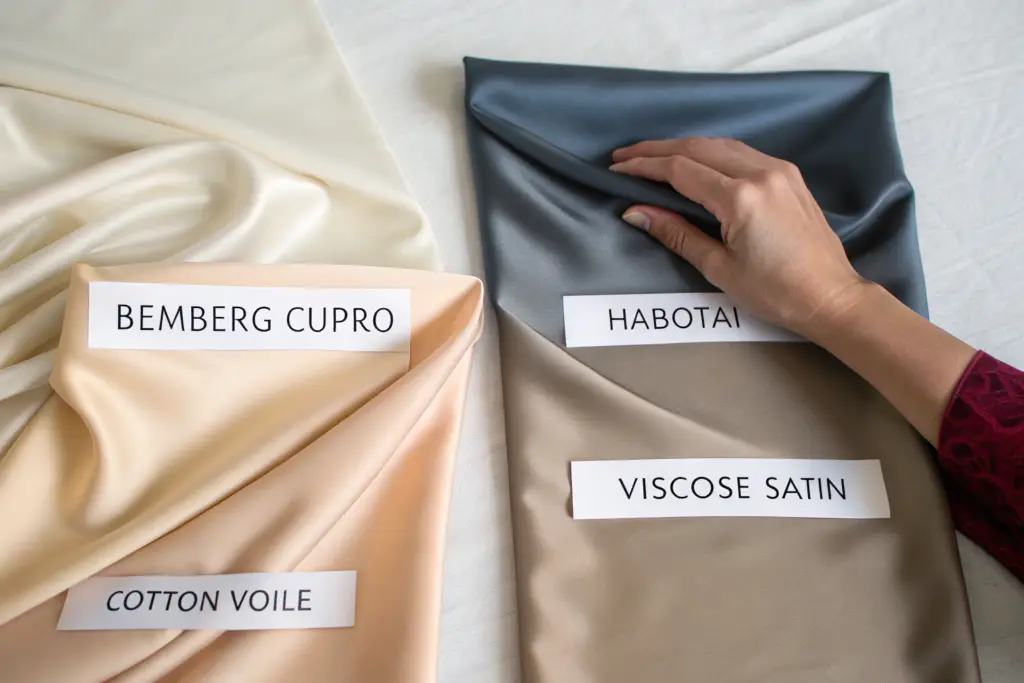
The best material choices for premium linings are: Bemberg Cupro (the gold standard, made from cotton linter, with a silk-like handfeel, breathability, and anti-static properties), Viscose or Rayon Satin (a more cost-effective alternative with a beautiful sheen), Silk Habotai (lightweight, luxurious, and breathable for high-end pieces), and Cotton Voile or Lawn (for a natural, breathable option in unlined or summer garments). Avoid cheap, 100% polyester linings that are hot, clingy, and static-prone.
A women’s wear client who specialized in elevated workwear was using a standard, low-grade polyester lining in her blazers. Customers complained the jackets were "hot" and "clung to their tights." She switched to a Bemberg Cupro lining. The difference in customer feedback was immediate. Reviews mentioned how the jacket "glided on" and felt "incredibly breathable." The upgraded lining cost her a few dollars more per unit but allowed her to increase her retail price and, more importantly, build a reputation for exceptional quality. This is the tangible return on investing in the details. For more on sourcing these premium materials, explore our fabric sourcing expertise.
What Is Bemberg Cupro and Why Is It the Gold Standard?
Bemberg Cupro is a regenerated cellulose fiber made from cotton linter—the tiny, silky fibers that cling to the cotton seed after ginning. It is a byproduct of the cotton industry. It has a uniquely smooth, round fiber surface, giving it a luxurious, silk-like handfeel and a beautiful drape. Critically, it is breathable and anti-static. It does not cling. It dissipates moisture. It is the ultimate performance lining for high-end suits, coats, and dresses. It is also biodegradable. It is a premium material that justifies its cost.
When Is a Printed Viscose or Silk Lining the Right Choice?
For a brand looking to make a statement, a printed lining is a powerful tool. Imagine a classic navy trench coat. On the outside, it is timeless. But when the wearer takes it off, it reveals a flash of a bold, custom floral print or an abstract graphic. This "peacock lining" is a moment of delight. It is a detail that gets noticed and talked about. Viscose satin and silk habotai are excellent canvases for digital printing, allowing for intricate, multi-colored designs with a very soft handfeel. This is a favorite technique of our private label partners looking to add a signature, recognizable element to their collections.
How Does Custom Branding on Linings Elevate a Private Label Collection?
A standard, solid-colored lining is a missed opportunity. The interior of a garment is valuable real estate for reinforcing your brand identity. It is a detail that communicates a level of thoughtfulness and investment that mass-market brands cannot replicate. It turns a functional component into a powerful branding tool. It is the difference between a coat and your coat.
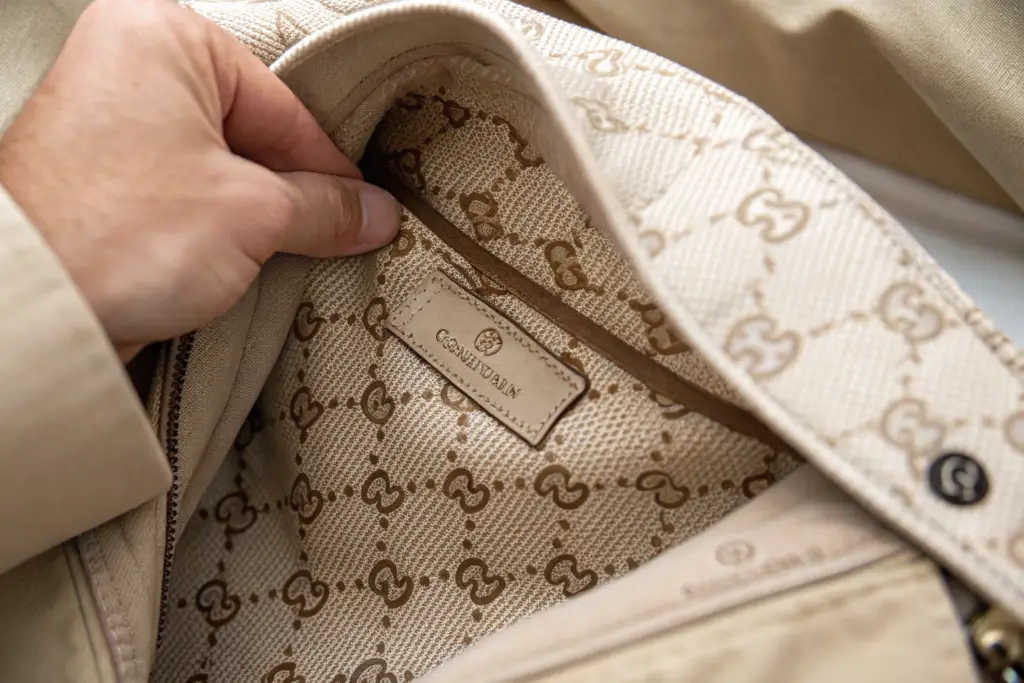
Custom branding on linings elevates a collection by creating a unique, memorable, and ownable brand signature. Options include: a woven logo label, a printed logo repeated as a subtle pattern, a custom-designed print that reflects the season’s theme, or a contrasting solid color that becomes a recognizable brand code (e.g., a signature bright orange lining). This detail enhances the unboxing experience and communicates luxury.
I recall a men’s wear inspired women’s wear brand that built a cult following around their signature "Pop Lining." Every blazer and coat they produced featured a vibrant, unexpected printed lining—sometimes a bold stripe, sometimes a quirky conversational print. It became their trademark. Customers would post photos on social media specifically to show off the lining. It was free, authentic marketing. It was a detail that said, "We care about every inch of this garment." This is the power of leveraging the lining as a brand storytelling canvas. This is the level of detail we love to execute for our clients.
What Are the Options for Adding a Logo to the Lining?
There are several ways to incorporate your logo, ranging from subtle to statement-making:
- Woven Label: The classic approach. A small, high-quality woven label sewn into the lining, often near the hem or at the interior pocket.
- Repeating Print: Your logo, or a brand icon, is designed as a seamless, all-over print and digitally printed onto the lining fabric. This creates a truly custom, recognizable interior.
- Jacquard Weave: For very large volume orders, the logo can be woven directly into the lining fabric itself, creating a permanent, ultra-premium texture.
The best option depends on your budget and the statement you want to make. We can guide you through the customization process .
How Does a Contrast Lining Color Become a Brand Signature?
This is a simpler, yet highly effective, strategy. You choose a specific, distinctive color for all your linings. Think of a famous brand known for its bright orange boxes or its signature green. That color becomes a subconscious cue. Every time a customer sees that flash of color inside your garment, they instantly know it is yours. It builds a cohesive, recognizable brand identity across all your product categories. It is a powerful, low-cost branding tool.
What Are the Technical Challenges of Adding a Custom Lining?
Adding a lining, especially a custom one, is not as simple as just "sewing another layer inside." It is a complex technical process that, if done poorly, can ruin the fit and comfort of an otherwise beautiful garment. The lining must be cut and sewn with precision to function correctly. A twisted, tight, or poorly attached lining is a constant source of frustration for the wearer. It requires a skilled manufacturer.
The main technical challenges of custom lining are: Proper Pattern Matching (the lining pattern must be slightly larger than the shell to allow for movement without pulling), Managing Differential Shrinkage (the shell fabric and lining fabric may shrink at different rates, which must be accounted for), and Ensuring a Smooth "Bagging Out" (the process of turning the garment right-side out after the lining is attached must be flawless).
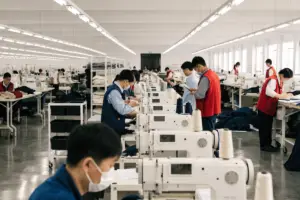
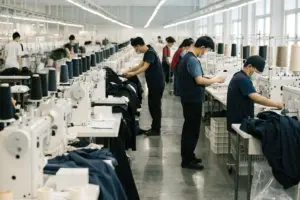
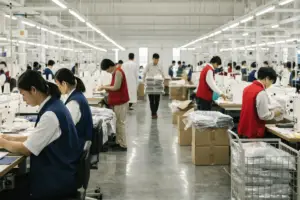
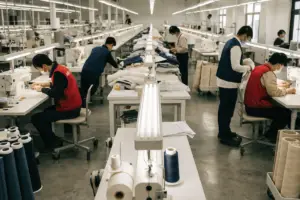
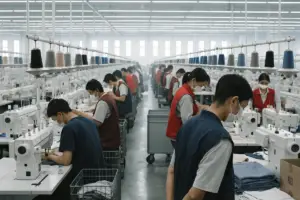
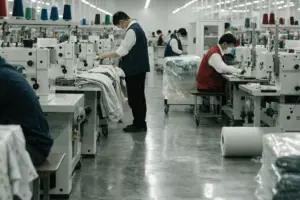
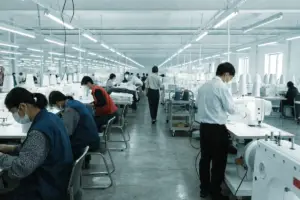
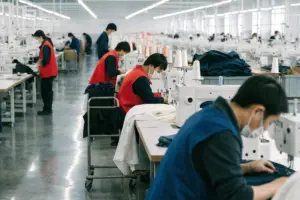
A brand came to us after a disaster with a previous factory. They had ordered coats with a beautiful custom-printed lining. When the coats arrived, the lining was pulling the entire front of the coat, causing it to hang crookedly. The factory had cut the lining using the exact same pattern as the shell fabric, without adding the necessary "ease" for movement. The entire order was a loss. Our pattern makers and sewing team specialize in these complex constructions. We understand the critical relationship between the shell and the lining. We ensure the lining enhances the garment’s comfort and drape, rather than fighting it. This is a key aspect of our quality control for tailored pieces.
What Is “Ease” in Lining and Why Is It Essential?
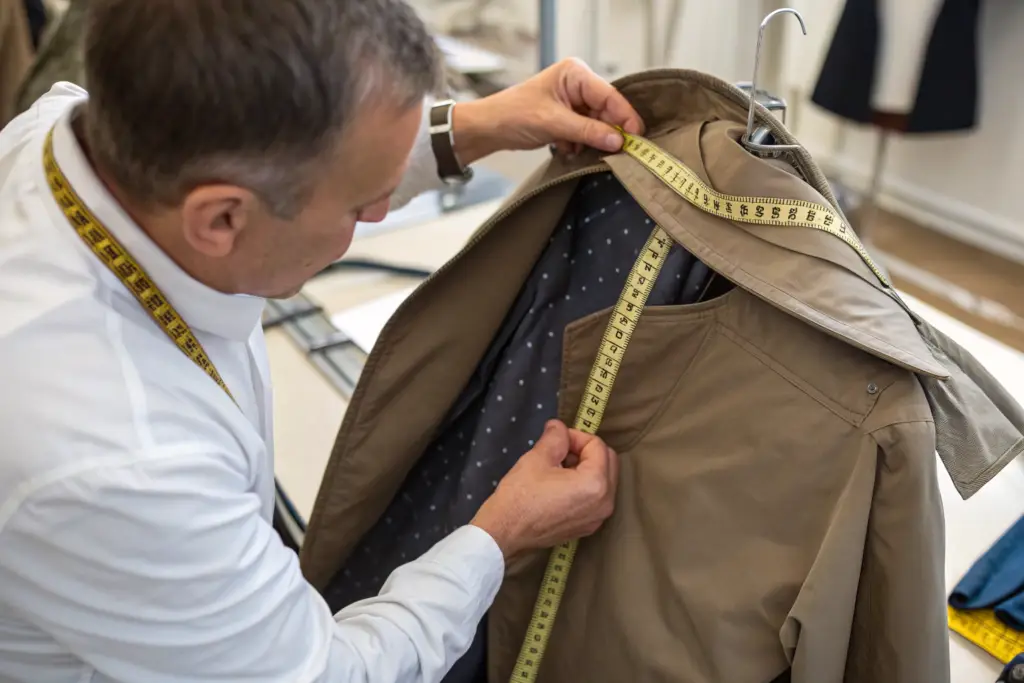
The lining cannot be the exact same size as the shell fabric. The wearer needs room to move. The lining must also accommodate the body’s movement without pulling on the outer fabric. To achieve this, the lining pattern is cut slightly larger than the shell pattern, and a small "ease pleat" is often sewn into the center back of the lining. This extra fabric allows the lining to "float" independently of the shell, providing complete freedom of movement and preventing the outer garment from looking strained or distorted.
How Do You Prevent the Lining from “Hanging Below the Hem”?
This is a tell-tale sign of a poorly made garment—the lining peeking out below the hem of the coat or dress. This is often caused by the lining and shell shrinking at different rates during the first wash or dry clean. To prevent this, we use high-quality, pre-shrunk lining materials. For tailored garments like coats, the hem of the lining is often left slightly unattached ("free-hanging") or is attached with a French tack (a small, flexible thread chain) that allows for independent movement and shrinkage.
How Does Fumao Manage the Sourcing and Quality of Custom Linings?
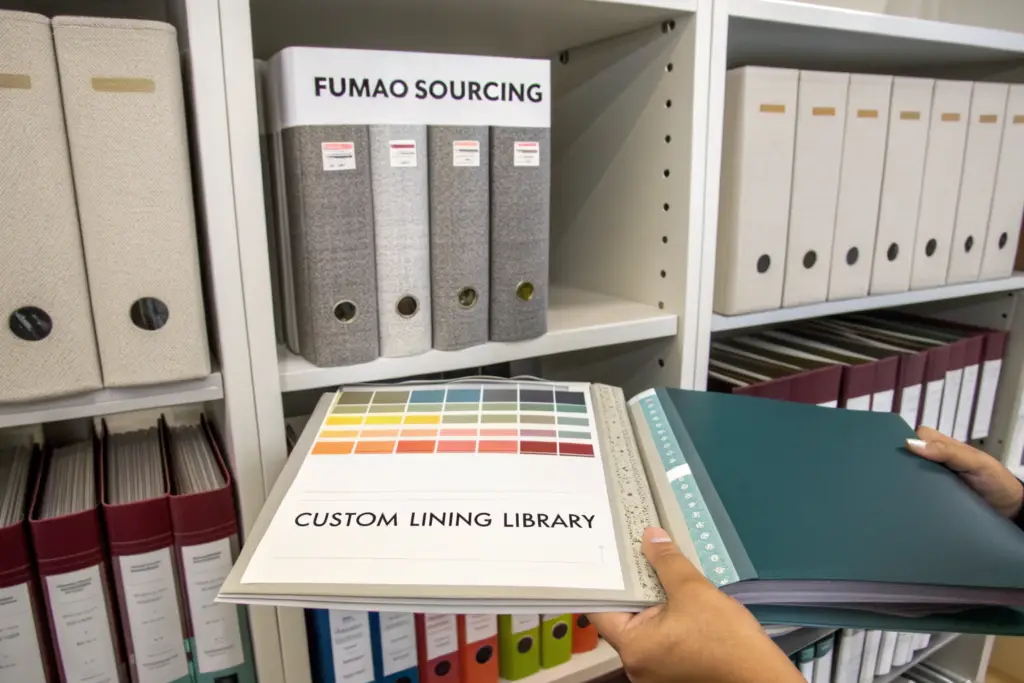
The process of adding a custom lining involves multiple steps: sourcing the right base material, managing the custom printing or branding, ensuring color accuracy, and verifying the material’s performance. This can be a logistical headache for a brand to manage alone. Our role is to streamline this entire process, acting as a single point of accountability for the quality of the entire garment, inside and out.
Fumao manages the entire custom lining process, from sourcing the base material from our vetted network of mills to overseeing any custom printing or branding. We ensure color accuracy against Pantone standards, verify the material’s performance (shrinkage, colorfastness), and manage the integration of the lining into the production process. The brand owner provides the creative vision, and we handle the complex execution.
A distributor wanted a very specific shade of "Deep Teal" for the Cupro lining of his suit collection. It was a non-standard color. Our sourcing team worked with our Cupro supplier to develop a custom lab dip to match his exact Pantone specification. We managed the entire process. He received a swatch, approved it, and we ordered the custom-dyed lining. The result was a perfectly matched, signature interior that no other brand could replicate. This is the level of end-to-end service we provide to bring unique visions to life.
What Is the Process for Creating a Custom-Printed Lining?
It is a collaborative and structured process:
- Design Submission: You provide your artwork or logo pattern in a high-resolution vector file.
- Material & Print Selection: We help you choose the best base fabric (e.g., viscose satin, silk) and print type (digital is most common for linings).
- Strike-Off Approval: The print mill produces a physical sample (strike-off) of your design on the chosen fabric for your final approval of color and scale.
- Bulk Production: Upon your approval, the bulk lining fabric is printed, inspected, and integrated into your production run.
We manage this timeline in parallel with the shell fabric production to ensure all materials are ready for cutting simultaneously.
How Do You Ensure the Lining Color Matches the Shell or Trim?
Color harmony is critical. We use the Pantone Matching System (PMS) as the objective standard. You provide the PMS code for your shell fabric or your desired lining color. We then match the lining dye or print to that specific code. We use a spectrophotometer and a D65 lightbox to verify the color match between the physical swatches, ensuring perfect coordination before bulk production begins. This is part of our rigorous color matching protocol.
Conclusion
Custom lining is one of the most powerful, yet often overlooked, tools in a private label brand’s arsenal. It is a detail that transforms a simple coat or dress into a complete, thoughtful, and luxurious experience. It is the secret signature that communicates quality, reinforces brand identity, and creates moments of delight for your customer.
At Shanghai Fumao, we believe that the inside of a garment should be as beautiful and well-considered as the outside. Our expertise in sourcing premium materials, managing custom prints, and executing technically flawless construction allows our B2B partners to leverage this powerful detail with confidence. We help you tell your brand’s story from the inside out.
If you are ready to add the signature detail of a custom lining to your next collection, let’s talk. Our Business Director, Elaine, can walk you through the material options and the design process. Please email Elaine at: elaine@fumaoclothing.com.