
Within the apparel supply chain, dyeing is one of the most resource-intensive and environmentally sensitive stages. Conventional dyeing consumes excessive water, generates toxic effluents, and poses high compliance risks under EU REACH and U.S. state-level chemical regulations. For brands establishing eco-lines, adopting low-impact dye systems is no longer optional—it is a procurement and compliance necessity.
Low-impact dyes, including bio-based natural pigments and bluesign®-approved synthetics, enable brands to reduce environmental footprint, strengthen ESG performance, and meet traceability requirements across international markets.
Why Are Low-Impact Dyes Strategic in Sustainable Sourcing?
Dyeing contributes disproportionately to textile sector pollution. Legacy processes with azo dyes, formaldehyde carriers, and heavy metals no longer align with modern compliance frameworks.
Low-impact dyes deliver reduced effluent load, higher fixation rates, and improved biodegradability—key factors in aligning with ZDHC Roadmap to Zero and Higg Index chemical modules.
How Do They Lower Environmental Impact?
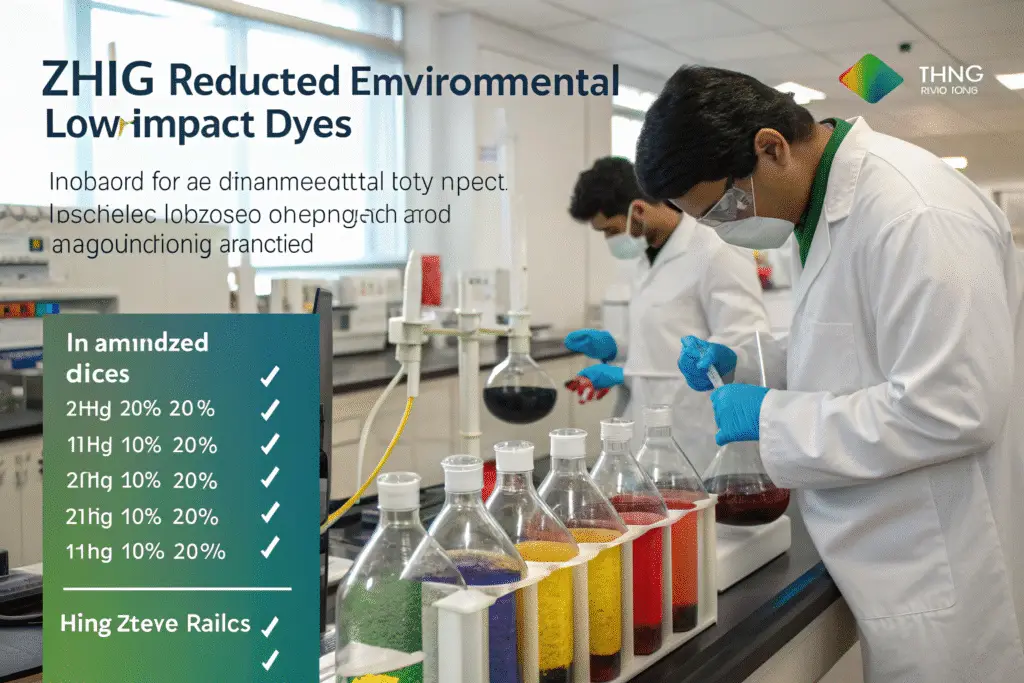
Reactive and disperse dye alternatives engineered for high absorption minimize auxiliary chemical use. According to Textile Exchange, adoption of low-impact dye systems can cut water and chemical consumption by 40–50% compared to conventional benchmarks.
How Are Buyers Constrained by Regulation?
Global buyers must navigate OEKO-TEX Standard 100, REACH, and ZDHC protocols. Non-compliance results in shipment rejections, reputational risk, and fines. For sourcing managers, ensuring dye compliance at mill level is essential to mitigate downstream liabilities.
What Categories of Low-Impact Dyes Dominate the Market?
Two dominant categories exist: bio-based natural dyes for niche and heritage-driven applications, and certified low-impact synthetics for scale and performance-driven collections.
Natural pigments provide strong marketing narratives, while synthetics offer reproducibility, supply security, and industrial scalability.
What Are the Advantages of Natural Dyes?
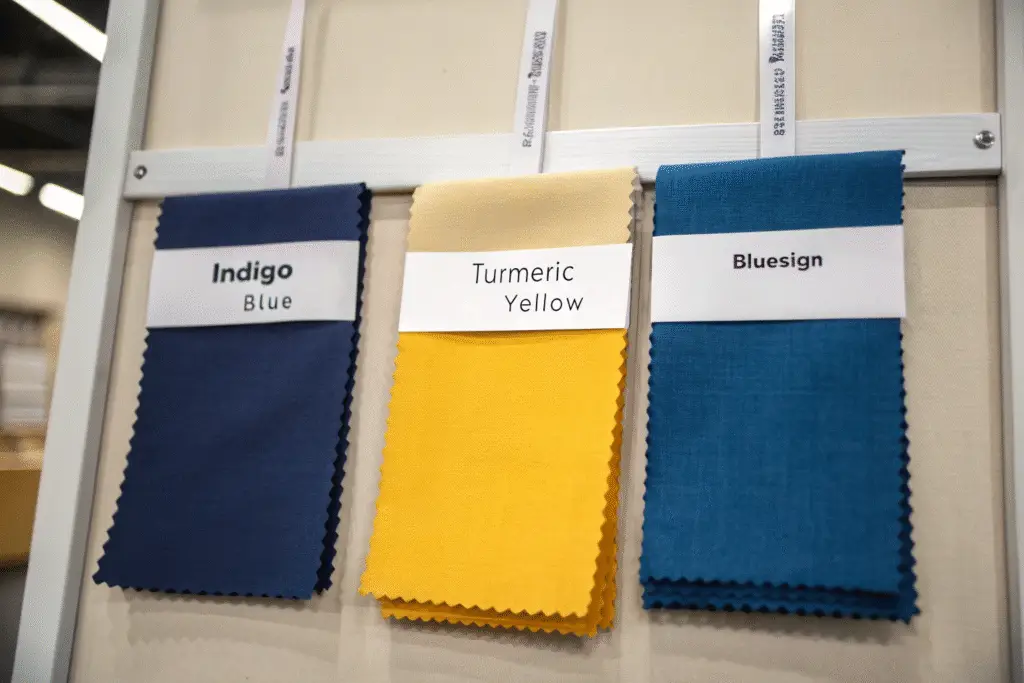
Indigofera-based indigo, Rubia cordifolia (madder root), and turmeric pigments allow storytelling aligned with slow fashion. However, Natural Dyes International highlights limitations in colorfastness and shade reproducibility without metal mordants, which can compromise compliance.
Why Choose Certified Synthetics?
Bluesign®-approved and GOTS-accepted reactive dyes ensure reduced wastewater load and traceable inputs. Bluesign confirms that eco-synthetic formulations consistently meet both U.S. CPSIA and EU REACH thresholds while delivering color vibrancy demanded in mass retail.
How Can Buyers Verify Sustainability Claims?
With widespread risk of greenwashing, technical due diligence is mandatory.
Validation requires third-party certifications, effluent discharge analysis, and supply chain chemical management aligned with MRSL (Manufacturing Restricted Substances List) frameworks.

Which Certifications Provide Highest Credibility?
Global Organic Textile Standard (GOTS), OEKO-TEX, and ZDHC Gateway are considered the benchmarks. They verify chemical toxicity, heavy metal absence, and wastewater compliance.
Why Are On-Site Audits Indispensable?
According to Fashion United, U.S. and EU buyers increasingly mandate independent audits to validate closed-loop water systems, sludge management, and dye house MRSL compliance. This reduces downstream litigation and enhances ESG reporting.
What Strategies Ensure Effective Integration Into Eco-Lines?
Integrating low-impact dyes requires alignment of design intent, sourcing strategy, and compliance documentation.
Best practices include long-term supplier partnerships, pilot scale testing, digital integration of chemical inventories into PLM systems, and dual-sourcing to manage supply risk.

How Can Buyers Balance Cost and Compliance?
Although eco-certified dyes can carry 10–20% higher input costs, Apparel Resources reports that ROI is achieved through reduced compliance penalties and premium positioning in eco-conscious markets.
Why Digitize Chemical Data in PLM?
Just-Style confirms that embedding chemical compliance into PLM ensures traceability and facilitates faster responses to regulation updates, enhancing transparency in ESG reporting.
Conclusion
Low-impact dyes are becoming a procurement standard across sustainable apparel lines. They reduce environmental externalities, satisfy global chemical compliance frameworks, and enable traceability demanded by retailers and regulators alike.
At Shanghai Fumao Clothing, we partner with certified dye houses and integrate low-impact dye sourcing into our full-package manufacturing solutions. For sourcing managers and sustainability directors seeking verified eco-dye supply chains, please contact our Business Director, Elaine, at elaine@fumaoclothing.com.