Adaptive kidswear is gaining traction as a critical category in children’s apparel sourcing. For specialized buyers, the focus extends beyond aesthetics to functionality, compliance, and production scalability. Traditional garments often fail to meet the requirements of children with sensory sensitivities, limited mobility, or dependence on medical devices. This creates a demand for adaptive lines that balance technical accuracy with marketable style.
The leading trends in adaptive kidswear revolve around sensory-friendly textiles, advanced closure technologies, mobility-optimized construction, inclusivity in design, and sustainable, tech-integrated materials.
In this article, I will outline the top developments shaping adaptive kidswear, with an emphasis on technical features, sourcing considerations, and certifications relevant to professional buyers.
Why Are Sensory-Friendly Textiles Driving Demand?
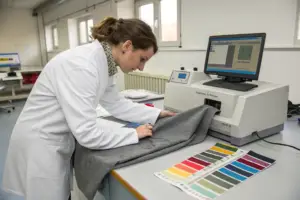
For apparel professionals, textile selection is the foundation of adaptive garment development. Children with sensory sensitivities require materials engineered for comfort and durability.
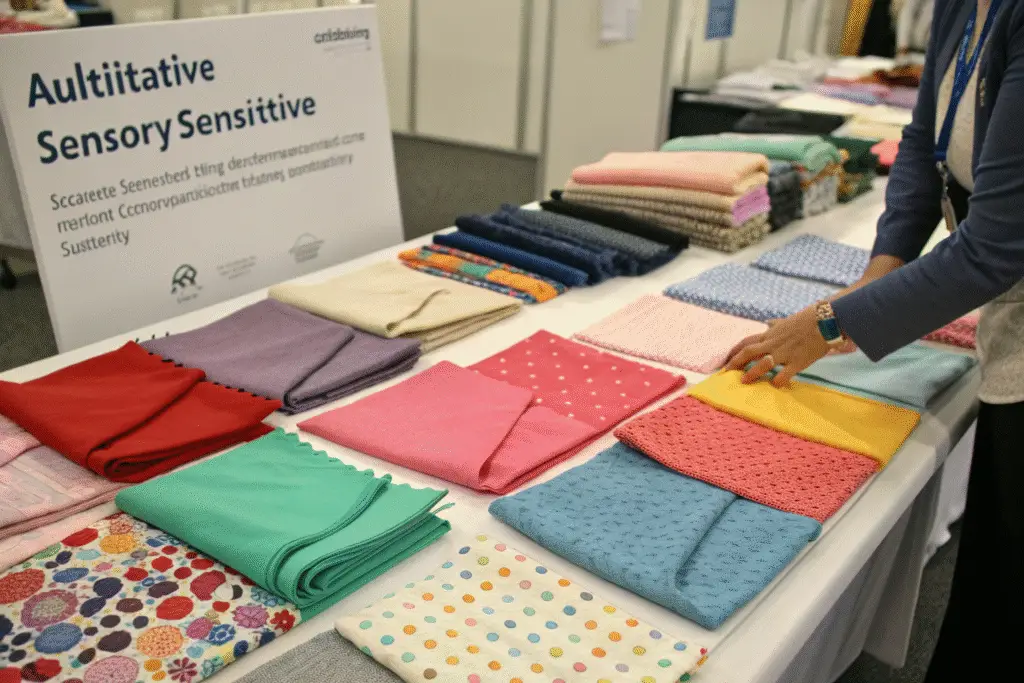
Sensory-friendly fabrics include tagless, flat-seam constructions and ultra-soft textiles such as bamboo blends, organic cotton, and moisture-wicking synthetics. These reduce tactile discomfort and meet compliance standards for sensitive skin.
How Do Technical Fabrics Improve Comfort?
Suppliers increasingly rely on organic cotton certified by OEKO-TEX or GOTS standards to ensure chemical safety. Bamboo and Lycra blends are also preferred for elasticity and breathability. According to Moving Mood, performance-driven textiles optimize both wearability and long-term durability.
Why Are Seamless Constructions Essential?
Flatlock stitching and bonded seams eliminate pressure points for children prone to skin irritation. Triple Pundit notes that seamless garment engineering reduces complaints and aligns with global standards for comfort-focused apparel.
How Do Advanced Closure Systems Enhance Independence?
Closure systems are a primary consideration for adaptive kidswear sourcing. Traditional buttons and zippers are replaced with engineered fastening solutions that support independent dressing and occupational therapy goals.
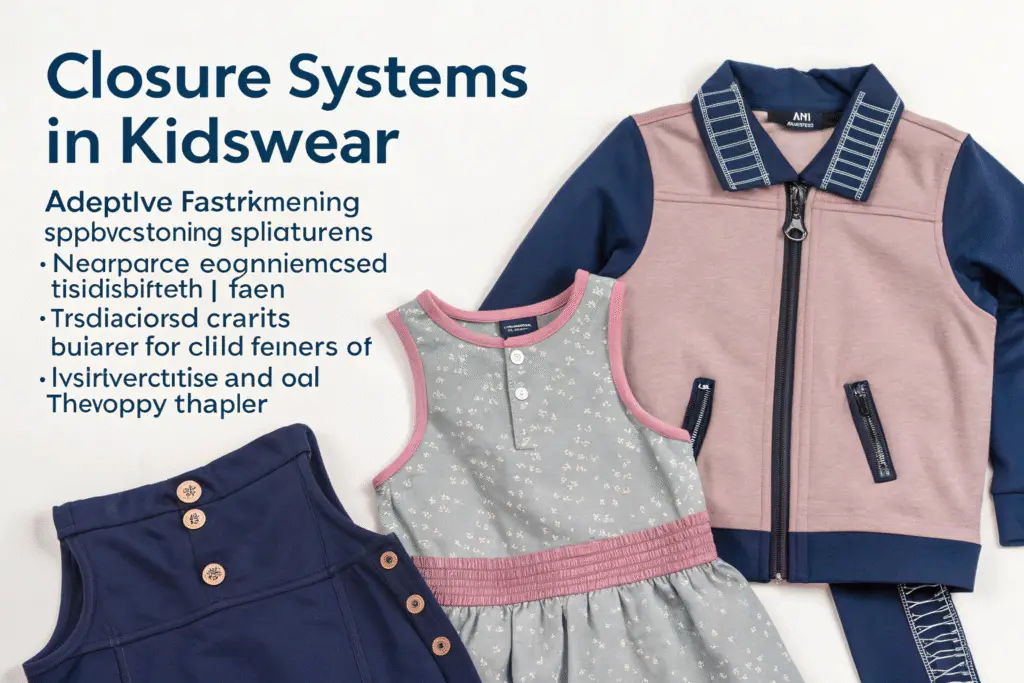
Magnetic snaps, industrial-grade Velcro, and elastic waistbands are the most requested features for functional independence.
What Are the Benefits of Magnetic Systems?
Magnetic closures, such as those supplied by MagnaReady, enable quick fastening without dexterity strain. June Adaptive reports that such closures reduce dressing time and increase compliance among occupational therapists.
Why Are Elastic and Adjustable Features Crucial?
Elastic waistbands combined with adjustable hook-and-loop systems allow garments to accommodate growth and orthopedic braces. Romper highlights that flexibility in fit reduces product returns and increases customer satisfaction in retail.
How Are Garments Engineered for Mobility Devices?
Adaptive apparel requires modifications for children who use mobility aids such as wheelchairs or orthotic braces.
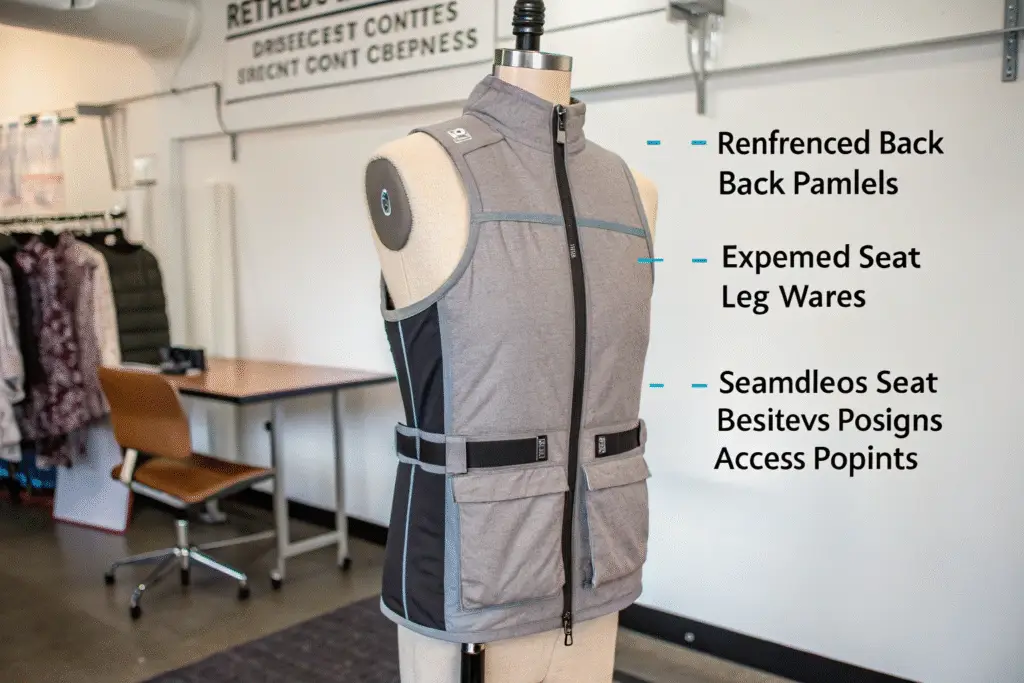
Design features include reinforced back panels, expanded leg openings, seamless seat areas, and discreet medical device access points.
How Does Construction Improve Seated Comfort?
Apparel engineered with extended rise and reinforced seat fabric prevents pressure sores and fabric bunching. Triple Pundit confirms that ergonomic adjustments improve both wearability and caregiver satisfaction.
What Role Does Medical Device Integration Play?
Adaptive garments often incorporate hidden zippers and openings for feeding tubes or orthopedic supports. Fashion United reports that functional access points improve compliance in healthcare environments while maintaining retail-friendly aesthetics.
Why Is Inclusivity and Market Positioning Critical?
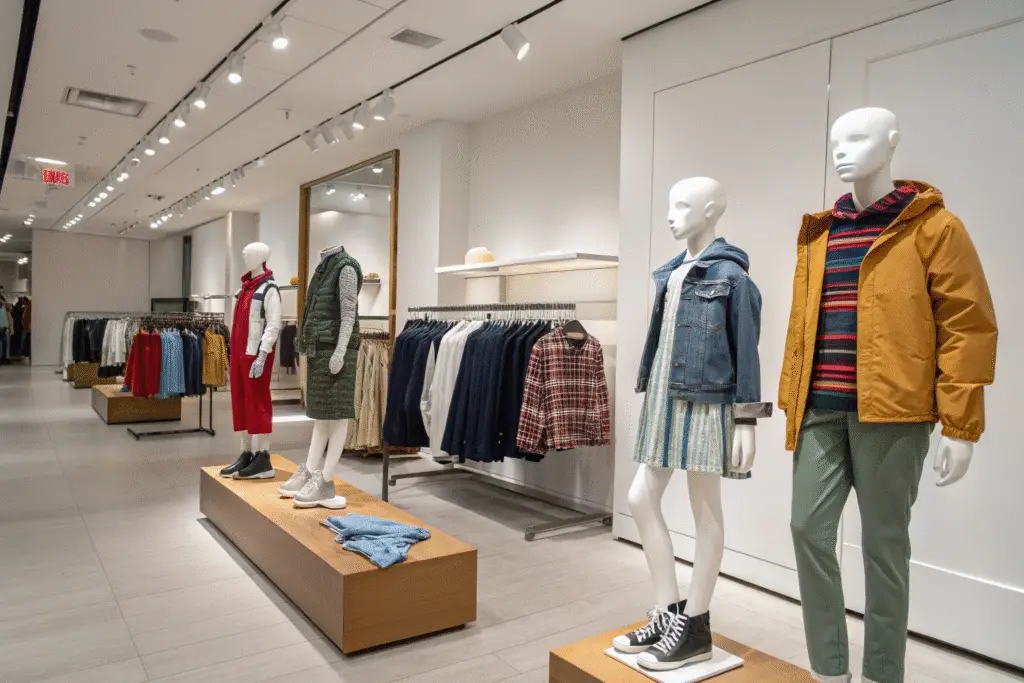
Adaptive apparel is no longer a niche. Leading retailers have integrated adaptive collections into mainstream lines, normalizing inclusivity.
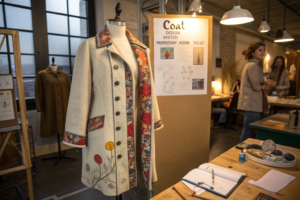
Style parity is now as important as function. Adaptive collections are designed to match mainstream apparel in terms of trend, silhouette, and price point.
How Are Retailers Leading Inclusivity?
Target’s Cat & Jack line and JCPenney’s Thereabouts collection provide scalable adaptive assortments. Romper highlights that inclusive marketing strategies drive consumer loyalty by reducing stigma.
Why Does Fashion Relevance Matter?
Children expect adaptive clothing to reflect current market trends. JCPenney notes that design alignment across adaptive and mainstream collections boosts consumer trust and retail performance.
How Do Sustainability and Smart Textiles Shape the Future?
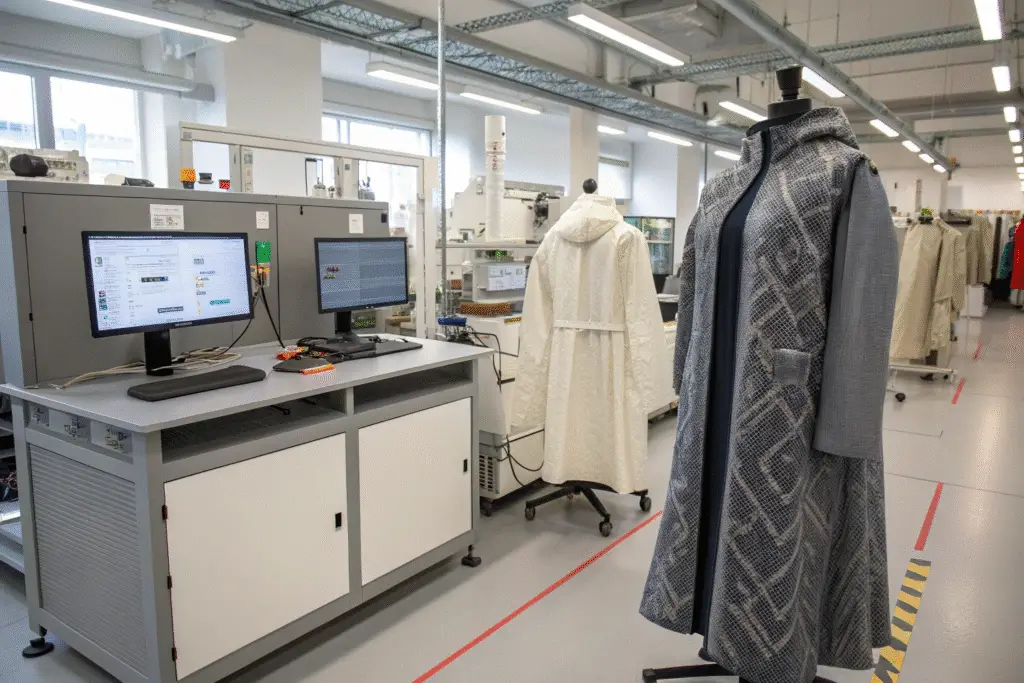
Sustainability is a procurement priority, especially for U.S. and European buyers. Parallel to this, the integration of smart textiles is an emerging opportunity in adaptive kidswear.
Organic cotton, recycled polyester, and closed-loop production processes are increasingly common, while wearable technology offers potential for responsive garments.
Why Is Sustainability Essential?
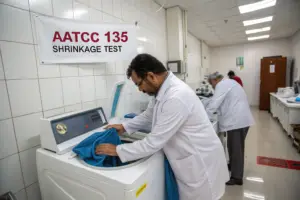
Buyers demand verifiable certifications such as GOTS or OEKO-TEX. Accio reports that eco-compliance strengthens brand positioning and aligns with international sourcing standards.
How Will Smart Textiles Transform Adaptive Kidswear?
Innovations in bio-responsive fabrics and temperature-regulating fibers are already in pilot phases. ProFashion Magazine projects that AI-enabled pattern customization and biometric sensors could redefine the adaptive category within the next decade.
Conclusion
Adaptive kidswear is evolving into a professionalized sourcing category that merges functional garment engineering with inclusivity and compliance. Key trends—sensory-friendly textiles, advanced fastenings, mobility-optimized construction, inclusive styling, and sustainable smart textiles—are reshaping procurement standards.
At Shanghai Fumao Clothing, we specialize in developing adaptive kidswear collections aligned with U.S. and European sourcing requirements. If your brand is seeking a certified and experienced manufacturing partner, contact our Business Director, Elaine, at elaine@fumaoclothing.com to initiate collaboration.