The fashion industry is moving away from synthetic leather. PU and PVC leathers depend on petroleum. They create waste and pollution. They also release microplastics into the environment. Customers and brands now want alternatives that combine style with responsibility.
Mycelium leather is emerging as a solution. It comes from fungi roots, grows quickly, and uses fewer resources. It feels and looks like leather but avoids the problems linked to plastics.
This article explains what mycelium leather is, why brands prefer it, and what challenges still exist.
What Is Mycelium Leather?
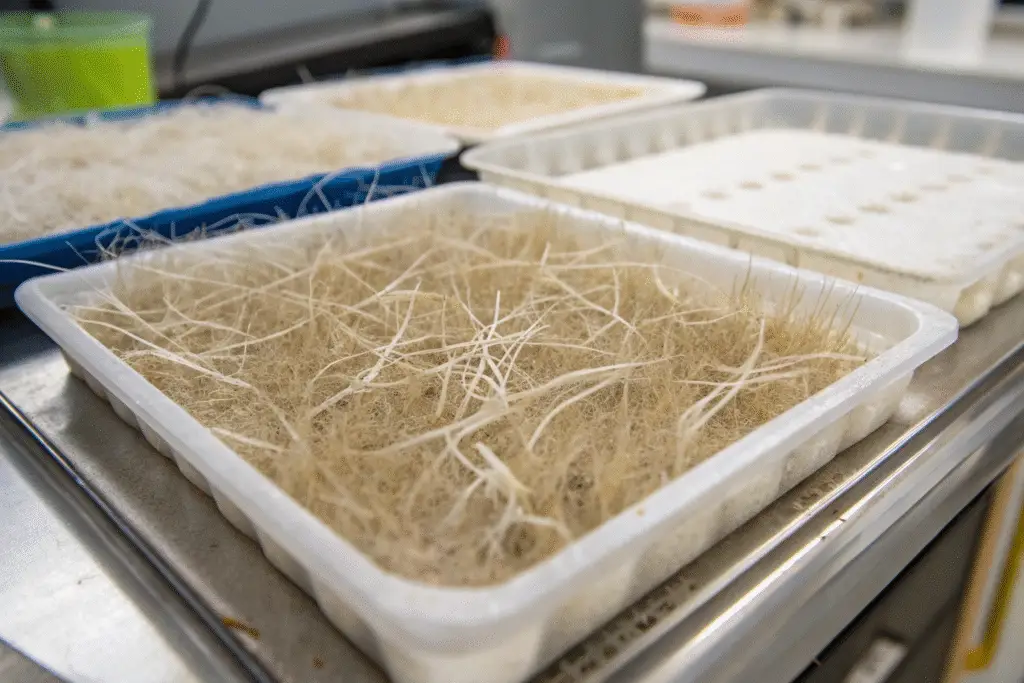
Mycelium leather comes from the root structure of mushrooms. Scientists grow it in labs or controlled facilities. It develops into dense mats that resemble leather.
The final material is strong, flexible, and does not rely on animals or plastics.
How Is It Produced?
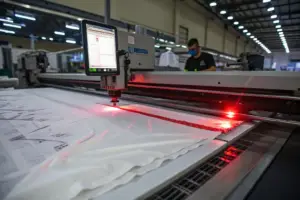
Producers use agricultural waste as a growing base. Mycelium spreads over the surface and forms thick layers. These layers are processed into sheets that resemble leather. More details can be found at Scientific American.
How Does It Compare To Synthetic Leather?
Mycelium leather is biodegradable. PU and PVC are not. It avoids toxic solvents and does not create microplastic waste. Synthetic options may last longer, but they leave long-term pollution. Learn more at Nature.
Why Are Brands Turning To Mycelium Leather?
Brands face pressure to cut carbon and reduce plastic. Synthetic leather no longer fits with sustainability goals.
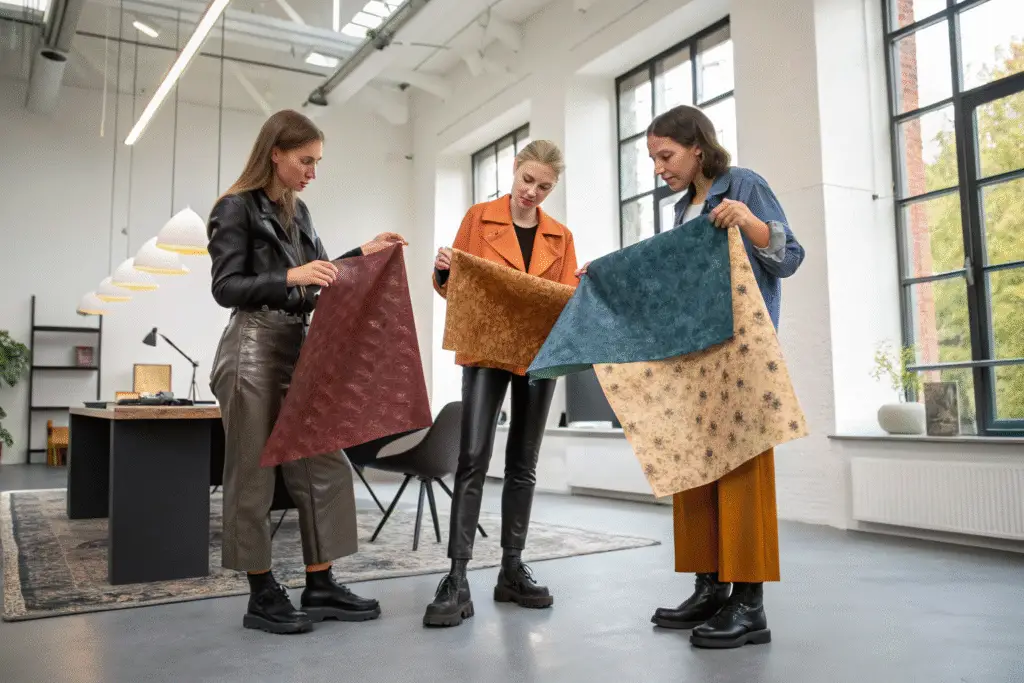
Mycelium leather offers a responsible alternative with strong market appeal.
How Does It Support Sustainability Goals?
Mycelium production uses less water, energy, and land compared to both animal and synthetic leathers. It supports ESG reports and helps brands prove progress. Learn more from the World Economic Forum.
Why Do Consumers Prefer It?
Consumers want eco-friendly products that still look premium. Mycelium leather meets this need. It feels natural and supports ethical fashion. Reports on consumer demand are shared by McKinsey.
What Are The Advantages Over Synthetic Options?
Synthetic leathers are cheap and durable. But they depend on fossil fuels and create waste.
Mycelium leather offers biodegradability, design flexibility, and a lower carbon footprint.
Why Is Biodegradability Important?
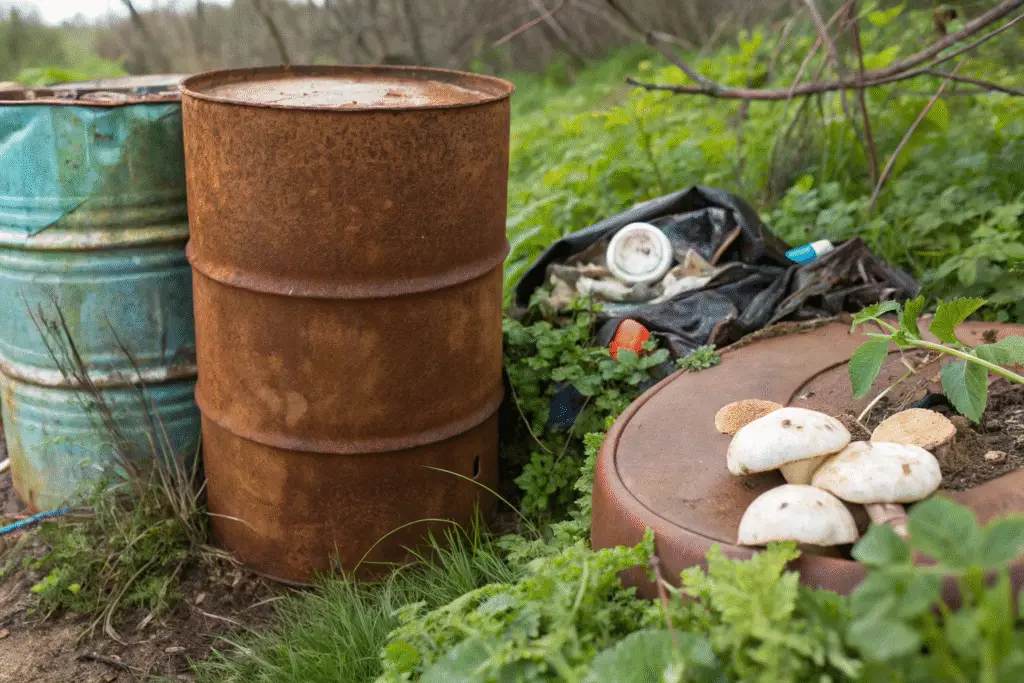
Synthetic leather stays in landfills for decades. Mycelium leather breaks down naturally. This makes it far more sustainable. See research at Ellen MacArthur Foundation.
How Does It Allow Design Flexibility?
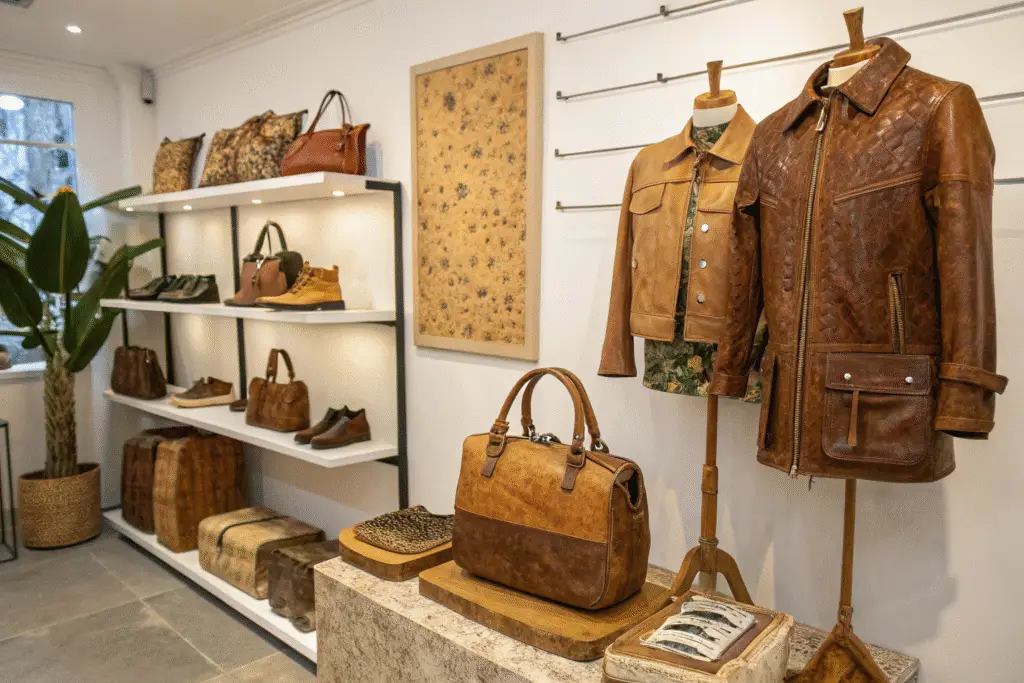
Mycelium can be engineered to different shapes, textures, and finishes. Designers can customize products without plastic-based coatings. More details at Dezeen.
What Challenges Remain For Mycelium Leather?
Mycelium leather is still developing. Factories must solve issues of scale and cost.
The technology is promising but not yet equal to synthetic leather in price and durability.
What About Cost And Scale?
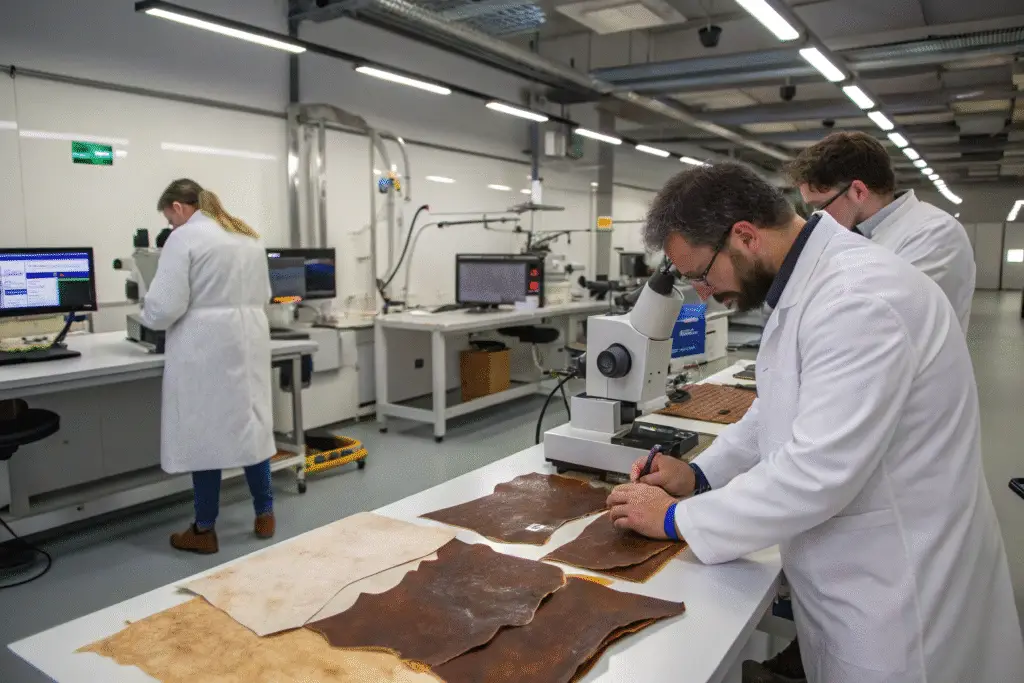
Current production is small and expensive. Scaling up will lower costs. Wider adoption depends on investment. Learn more at Financial Times.
How Does Durability Compare?
Synthetic leathers are often tougher. Mycelium still needs improvements in wear resistance. Research continues in labs worldwide. See ongoing work at Springer Materials.
Conclusion
Mycelium leather is a breakthrough for sustainable fashion. It offers the look and feel of leather without relying on plastics or animals. It is biodegradable, customizable, and eco-friendly.
At Shanghai Fumao Clothing, we follow these textile innovations closely. We believe mycelium leather will become an important part of future fashion supply chains. If you want to explore sustainable materials for your brand, contact our Business Director Elaine at elaine@fumaoclothing.com. Together, we can build collections that are stylish and responsible.