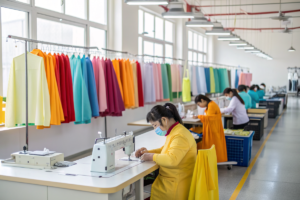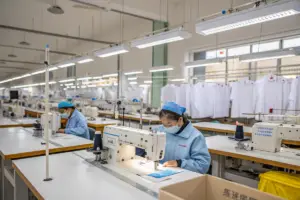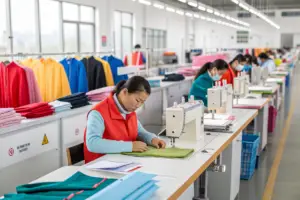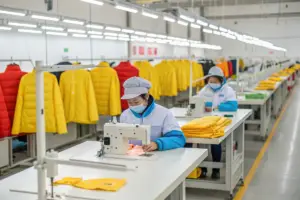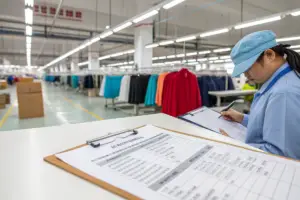
When I first entered the apparel business, I thought faster production meant smarter business. But after missed deadlines, quality issues, and brand damage, I realized: fast without focus often backfires.
In apparel production, faster isn’t always better—rushing can lead to lower quality, higher waste, ethical issues, and ultimately, a weaker, less trusted brand.
Success isn’t just speed. It’s building clothing people want to keep—not just wear once and toss.
Why fast fashion is not good?
At first, fast fashion seemed like the perfect solution: trendy, cheap, quick. But I soon saw the cracks—the waste, the poor fits, the loss of brand loyalty.
Fast fashion is problematic because it encourages overproduction, lowers quality standards, exploits workers, and contributes heavily to environmental pollution.
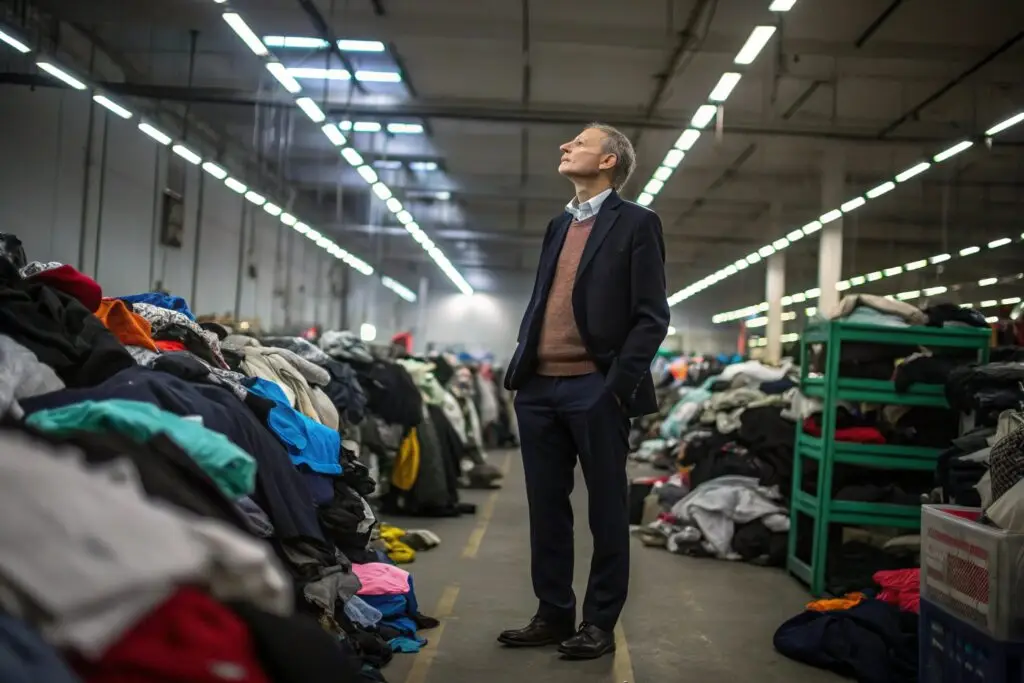
What are the main downsides of fast fashion?
| Issue | Why It’s Harmful |
|---|---|
| Overproduction1 | Clothes end up in landfills quickly |
| Poor Quality | Cheap fabrics and stitching |
| Ethical Violations2 | Unsafe labor practices, unfair wages |
| Environmental Impact3 | High carbon emissions and water waste |
Fast fashion thrives on disposability—not loyalty.
How does fast production hurt brands?
- High return rates from dissatisfied buyers
- Lower average order values over time
- Damaged reputation among sustainability-conscious consumers
In short: fast doesn’t mean lasting. And lasting is where profits grow.
Is fast fashion becoming less popular?
For years, speed ruled. But now, I see more customers—and even wholesalers—asking about quality, sustainability, and brand ethics.
Yes, fast fashion is becoming less popular, especially among younger, more eco-conscious consumers who demand better quality, transparency, and environmental responsibility.
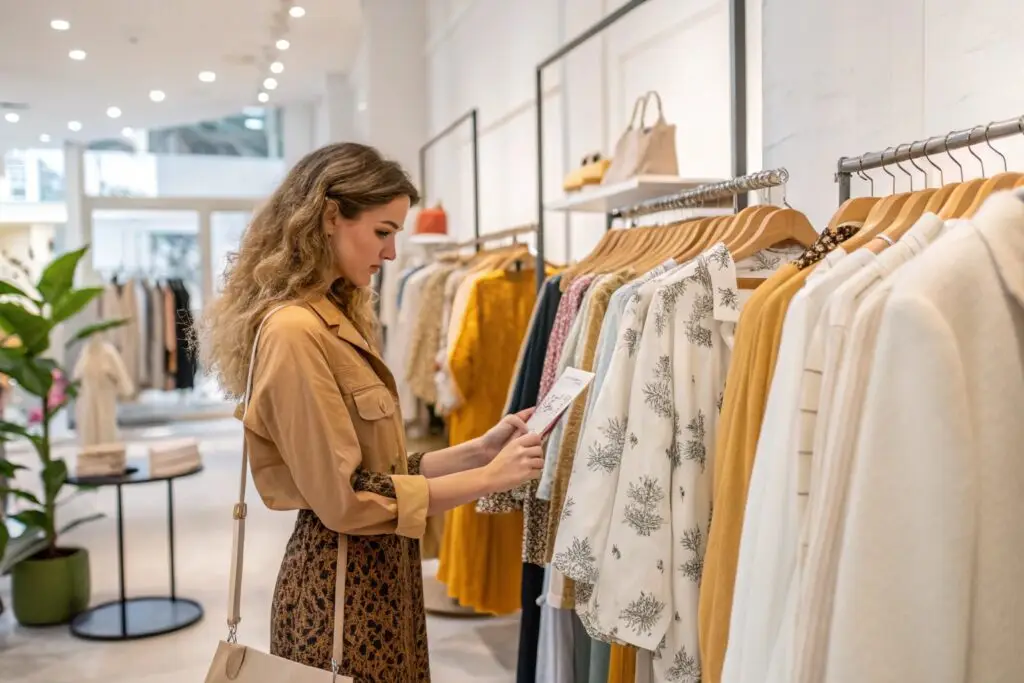
What signals the decline of traditional fast fashion?
| Trend | What It Shows |
|---|---|
| Growth of Sustainable Brands4 | Brands like Everlane, Patagonia rise |
| Rise of Rental/Resale Markets5 | People value reuse over quick buys |
| TikTok/Instagram Trends6 | "Slow fashion" and "thrift flips" trending |
Younger buyers are not just shopping—they’re making values-based decisions.
What does this mean for apparel businesses?
- Focus on quality > quantity
- Tell the sourcing and manufacturing story clearly
- Offer timeless styles, not just micro-trends
- Price for longevity—not just a single wear
Building slower—but better—wins in 2025 and beyond.
When did fast fashion become a problem?
Fast fashion didn't start with a bang. It grew quietly—and the problems came once the industry couldn’t keep up with its own pace.
Fast fashion became a major problem in the late 1990s and early 2000s, when companies like Zara and H&M popularized rapid design cycles and massive global production at unsustainable rates.
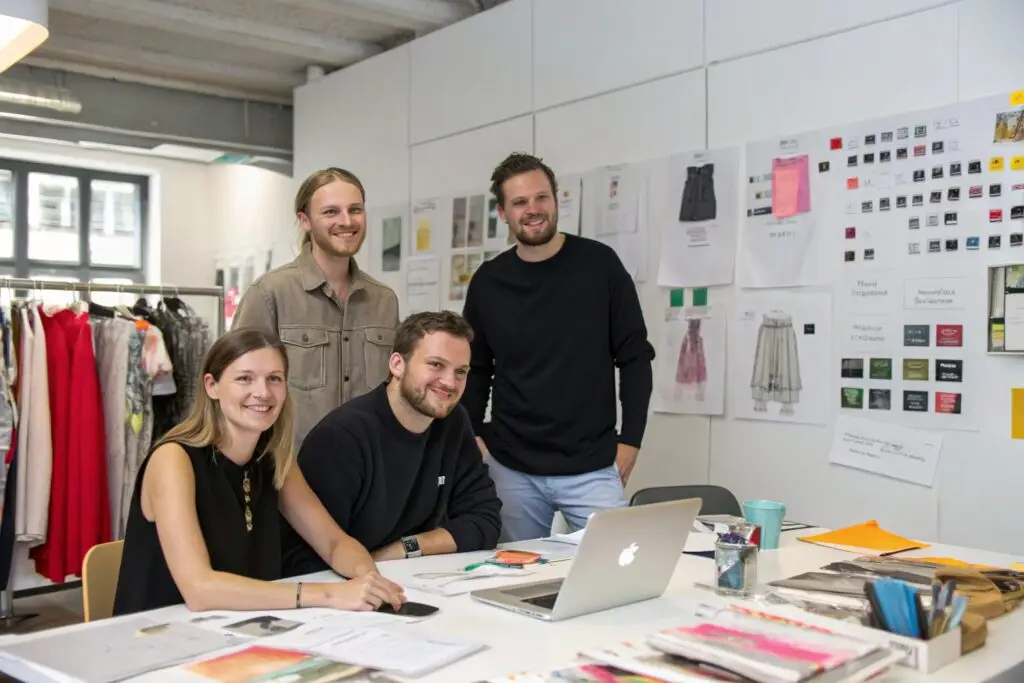
What historical moments accelerated fast fashion problems?
| Year/Event | Impact |
|---|---|
| Late 1990s | Zara and H&M global expansion |
| Early 2000s | Internet retail explosion |
| 2013 Rana Plaza Collapse7 | Shined global light on labor abuses |
| 2018–2023 | Climate change urgency grows |
Speed alone wasn’t the problem. It was speed without responsibility.
How can brands today avoid repeating the same mistakes?
- Audit suppliers for ethical compliance8
- Limit styles to manageable collections
- Prioritize durability and recyclability
- Invest in real storytelling—not just price slashing
Slow doesn’t mean lazy—it means deliberate and defensible.
Why fast fashion should slow down?
I used to fear slowing down would mean missing profits. But the truth? Brands that slow down in the right way earn deeper loyalty, command higher margins, and last longer.
Fast fashion should slow down to reduce environmental harm, improve labor conditions, increase product quality, and foster more sustainable and resilient business models.

What happens when fashion production slows strategically?
| Benefit | Business Impact |
|---|---|
| Higher Perceived Value | Customers willing to pay more |
| Lower Return Rates | Better fits and longer wear |
| Stronger Brand Identity9 | Not just another fast fashion seller |
| Sustainability Alignment | Appeals to next-gen consumers |
Slower production allows for:
- Deeper material research
- More thoughtful design cycles
- Real relationships with ethical manufacturers
It transforms clothing from a disposable good into an investment.
How should brands rethink their production timelines?
- Shift from 52 micro-seasons/year → 4–8 meaningful drops
- Focus on fit and feel over trendy prints
- Build a signature collection that evolves—rather than reinvents every month
In today’s world, thoughtful is the new fast.
Conclusion
Fast isn’t always better in apparel. Real success comes from balancing smart speed with sustainable practices—creating clothing people love, respect, and return for. Slow down wisely—and you’ll move ahead faster than you ever imagined.
-
Understanding overproduction's impact can help consumers make informed choices and advocate for sustainable practices. ↩
-
Exploring ethical violations sheds light on the human cost of fast fashion, encouraging more responsible consumer behavior. ↩
-
Learning about fast fashion's environmental impact can inspire action towards more sustainable fashion choices. ↩
-
Explore how sustainable brands like Everlane and Patagonia are reshaping the fashion industry and promoting eco-friendly practices. ↩
-
Discover the impact of rental and resale markets on consumer choices and the shift towards sustainability in fashion. ↩
-
Stay updated on how social media influences fashion trends, including 'slow fashion' and 'thrift flips' that promote sustainability. ↩
-
Exploring the Rana Plaza Collapse will provide insights into labor abuses and the urgent need for ethical practices in fashion. ↩
-
Understanding ethical compliance is crucial for brands to avoid past mistakes and promote responsible fashion practices. ↩
-
A strong brand identity can differentiate a fashion label in a crowded market, leading to increased loyalty and sales. ↩