If you're building a fashion business or launching a new brand, one of the biggest challenges is sourcing clothes that are both affordable and good quality. The wrong supplier can burn your budget and delay your growth.
You can buy cheap clothes in bulk from trusted suppliers in countries like China, Bangladesh, and India, or through global B2B platforms such as Alibaba, FashionGo, and Tundra.
I used to think “cheap” meant poor quality. But after years of working with the right partners, I learned that smart sourcing means finding the sweet spot—low cost, high trust, good value. Here's how you can find that balance.
What Are the Cheapest Countries for Bulk Clothing?
Everyone wants to cut costs—but without cutting quality. The truth is, some countries offer better prices thanks to their scale, infrastructure, and labor structure.
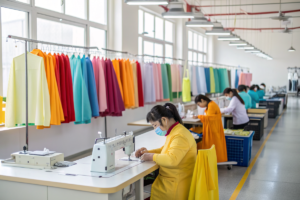
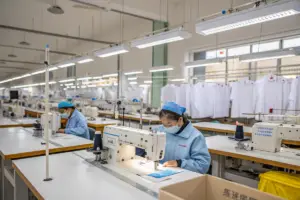
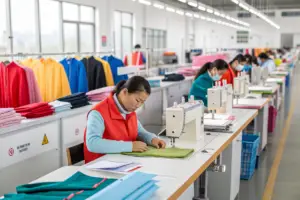
The cheapest countries to buy bulk clothing are China, Bangladesh, India, Pakistan, and Vietnam, offering competitive labor, high-volume output, and a wide supplier network.
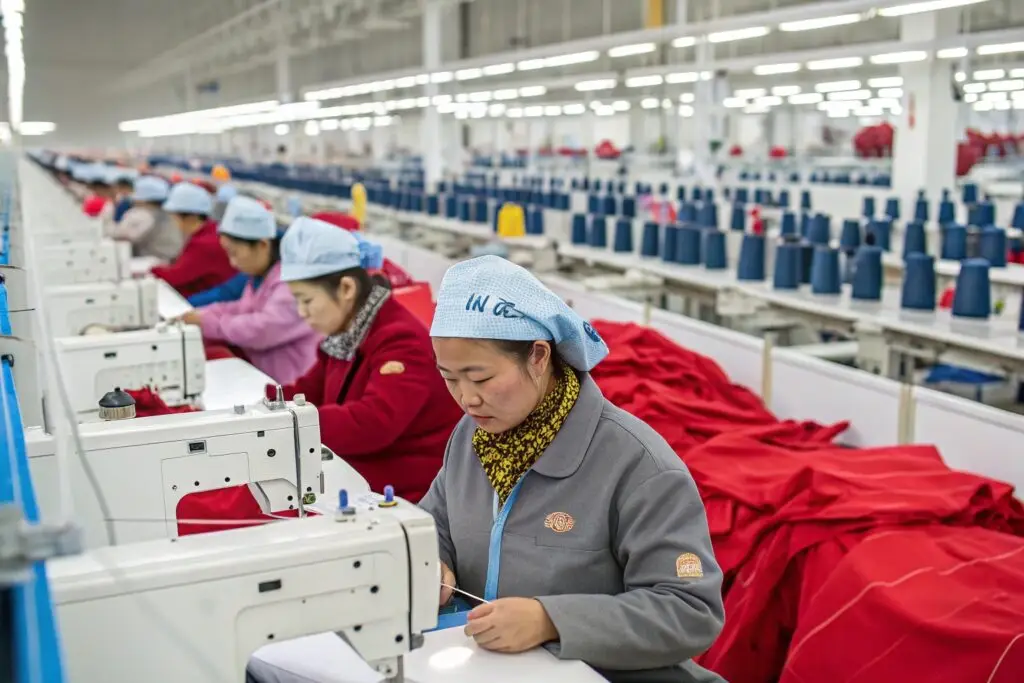
Why do some countries consistently offer lower prices for clothing without always sacrificing quality?
There’s a reason global giants manufacture in Asia. These countries have:
| Country | Reason for Low Cost | What They’re Best At |
|---|---|---|
| China | Massive infrastructure, fast logistics | Full-range apparel & DDP options |
| Bangladesh | Extremely low labor cost1 | Basic garments like t-shirts, hoodies |
| India | Local cotton, skilled workers | Cottonwear, embroidery, casualwear |
| Pakistan | Raw fabric & dyeing in-house | Uniforms, basic fashion |
| Vietnam | Modern factories, eco-efficiency | Athleticwear, outerwear |
When I tested samples from all five, I found that Bangladesh had the lowest cost per unit, but China gave the best turnaround time. India gave me great quality cotton with lower MOQs.
What are the trade-offs when buying from the cheapest manufacturing countries?
Cheaper isn’t always better. Here are a few risks:
- Inconsistent communication: Some suppliers aren’t responsive or fluent in English.
- Hidden costs: Shipping, duties, and delays can cancel out savings.
- Certification concerns: Some factories fake eco or labor credentials.
Always vet your supplier and start with small trial orders. A $3 hoodie that arrives late and sells slowly can cost more than a $5 one that sells fast and returns zero complaints.
Top Online Sites to Buy Wholesale Clothes Affordably.
Thanks to B2B platforms, you can now browse thousands of suppliers without leaving your desk. But not all sites are created equal.
The top online sites to buy cheap wholesale clothes include Alibaba, FashionGo, Tundra, Faire, and BrandsGateway. Each platform caters to different product types, regions, and business sizes.

What makes platforms like Alibaba and FashionGo ideal for low-cost bulk clothing sourcing2?
They simplify access. You can compare hundreds of suppliers at once, filter by country, MOQ, or shipping speed, and message sellers directly.
| Platform | Strength | Ideal Buyer |
|---|---|---|
| Alibaba | Massive supplier pool, global reach | Startups, large-scale brands |
| FashionGo | Trendy US-focused apparel | Boutiques, dropshippers |
| Tundra | No commissions, US-based | Small retailers |
| Faire | Net 60 terms, curated styles | Indie stores, online shops |
| BrandsGateway | Luxury fashion wholesale | Premium retailers |
Each has different pros. I personally use Alibaba for basics and FashionGo for seasonal styles when I want speed within the U.S.
How do I avoid scams or poor quality when buying from online wholesale platforms?
A few rules I follow:
- Always request samples3 before large orders.
- Use platform protection (Trade Assurance on Alibaba4).
- Read reviews—but filter for verified buyers.
- Ask detailed questions: fabric specs, weight (GSM), stitching methods.
If a supplier avoids questions or pushes too hard for large orders early on, that’s a red flag.
How to Compare Prices Between Bulk Suppliers?
Comparing prices across factories is harder than it looks. Everyone has different terms, currencies, and hidden fees.
To compare prices, calculate total landed cost per unit—including production, packaging, shipping, and duties—not just the base garment price.

Why does focusing only on unit price mislead buyers when evaluating bulk clothing suppliers?
I once picked a supplier offering $2 t-shirts. But they didn’t include shipping or packaging. By the time they arrived, the real cost was $3.80—more than other suppliers I had rejected.
Here’s what I include when comparing:
| Cost Element | Description |
|---|---|
| FOB/EXW price | Base price from the factory |
| Shipping | Sea or air freight, often quoted separately |
| Duties & customs | Varies by country |
| Payment fees | Transfer charges or exchange rates |
| Rework costs | Returns, repackaging if quality issues arise |
Only when you see the “landed cost per piece5” can you compare fairly.
What tools or strategies help streamline price comparison between multiple clothing factories?
Here’s what I use:
- Google Sheets calculator6 with cost breakdown formulas
- Quotation templates that every supplier must fill out
- Per-piece margin targets based on my sales price
Consistency in how you collect data will help you avoid surprises later. I also prefer DDP (Delivered Duty Paid)7 when I want a clear, all-in cost upfront.
Is Buying from China Still the Most Cost-Effective?
Some say China is losing its edge. Others say it still rules. So what’s the truth?
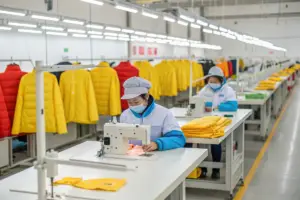
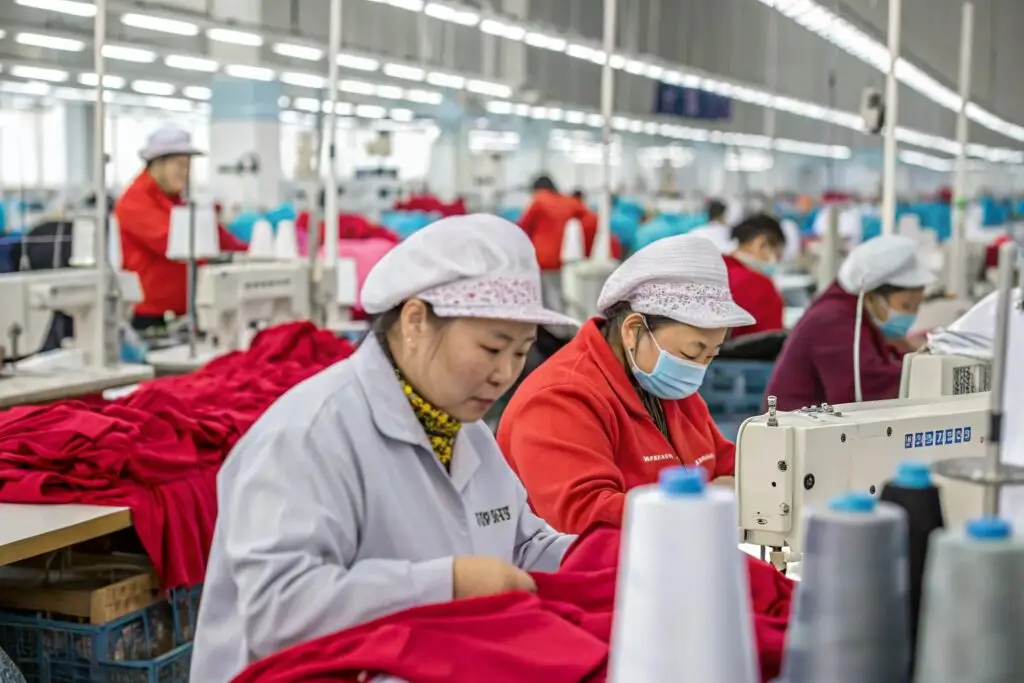
China remains one of the most cost-effective countries for bulk clothing due to its scale, speed, supplier variety, and DDP shipping options—but it’s no longer the only choice.
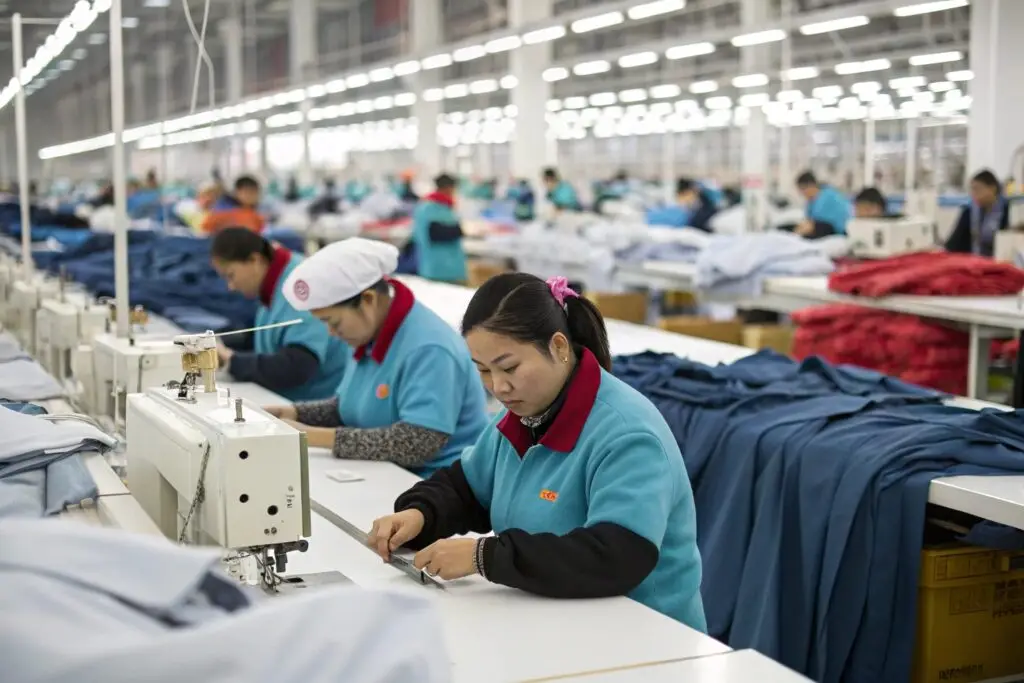
Why does China remain a go-to sourcing hub for fashion brands despite rising labor costs?
Scale wins. China has:
- Millions of workers trained in garment production8
- Massive supplier databases
- Integrated logistics networks
- Transparent platforms like Alibaba, 1688, and Made-in-China
Even though labor costs are rising, their efficiency and tech investment keep total prices competitive.
What are the alternatives to China, and when should you consider them over Chinese suppliers?
Here’s my experience:
| Alternative | Best For |
|---|---|
| Bangladesh | Cost-saving for bulk basics |
| Vietnam | Ethical production and technical apparel |
| Turkey | Trendy mid-range pieces, fast to Europe |
| India | Handcrafts, organic cotton, relaxed MOQs |
I still use China for core products but switched to Vietnam for my gymwear line due to better fabric tech and fit consistency.
Conclusion
Buying cheap clothes in bulk is about more than low numbers. It’s about finding the right supplier, the right country, and the right terms that work for your brand goals. Smart sourcing saves money today—and builds your business for tomorrow.
-
Understanding the benefits of low labor costs can help you make informed decisions about sourcing and production. ↩
-
Exploring this resource will provide insights into the advantages and strategies for sourcing clothing affordably in bulk. ↩
-
This resource will explain the significance of requesting samples to ensure quality before making bulk purchases. ↩
-
Understanding Trade Assurance can help you make safer purchasing decisions and avoid scams when sourcing products online. ↩
-
Understanding landed cost per piece is crucial for accurate price comparisons, ensuring you make informed purchasing decisions. ↩
-
A Google Sheets calculator can simplify your cost analysis, making it easier to compare multiple suppliers effectively. ↩
-
Exploring DDP can help you understand its advantages for clear pricing and hassle-free shipping in bulk purchases. ↩
-
Explore this link to understand why China's garment production remains unmatched in efficiency and quality, crucial for fashion brands. ↩