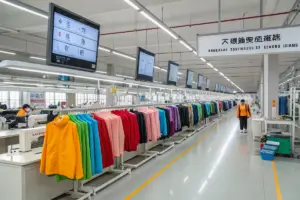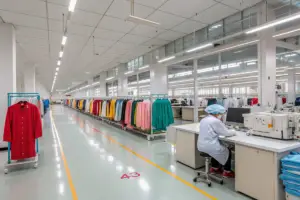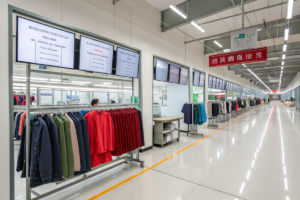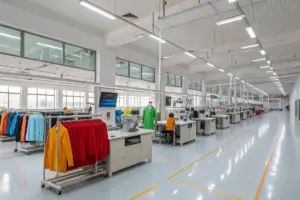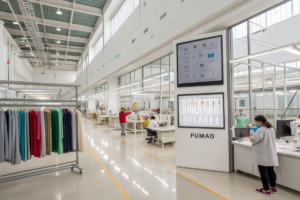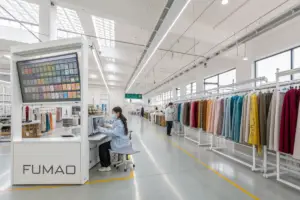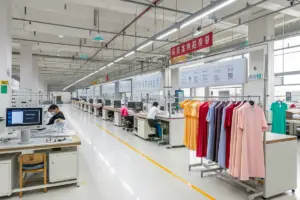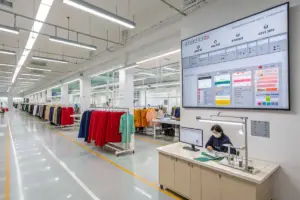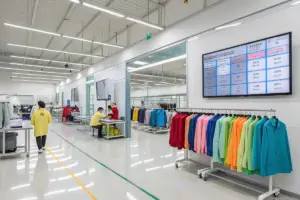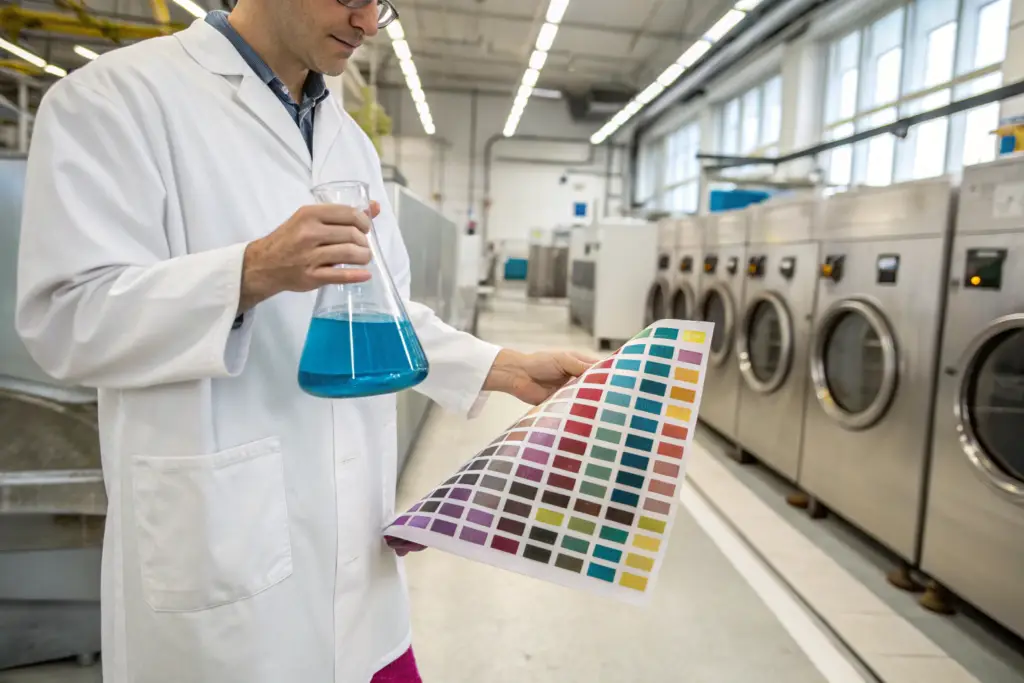
I walked through a dye house in Zhejiang province five years ago that I will never forget. The air was thick with the smell of ammonia. The floor was stained with deep purple and black chemical sludge. Workers were wearing rubber boots and masks. The factory owner proudly told me his reactive dyes were "very cheap and very fast." He was right. The dyes were cheap. They also contained azo compounds that break down into carcinogenic amines when they contact human skin. The wastewater from that dye house was being discharged directly into the local river system. The factory was producing bright, beautiful colors that were poisoning the water and the people who wore the clothes. I walked out of that dye house and made a decision. Shanghai Fumao would never use a dye partner that could not prove, with third-party documentation, that their dyes were safe for humans and the environment. That decision cost us. Environmentally safe dyes are more expensive and harder to work with. It also saved our brand partners from the nightmare of discovering their products contained banned substances.
You guarantee your clothing factory only uses totally environmentally safe fabric dyes by demanding a GOTS or OEKO-TEX ECO PASSPORT certification for every single dye and chemical input used in your production. You do this not by trusting a verbal promise, but by requiring a third-party wastewater test report from the dye house for every batch, and by physically auditing the safety data sheets and the chemical inventory on the floor. The only way to be certain is to bypass the dye house’s marketing claims and trace the chemicals back to their Safety Data Sheets, looking for restricted substances like azo dyes, heavy metals, and APEOs. You then validate this by testing the final fabric at an independent lab like SGS or Intertek for residue. This is not just about avoiding a PR disaster; it is about legal compliance with REACH in the EU and Proposition 65 in California. A factory that genuinely uses safe dyes will welcome this audit. A factory that refuses it is hiding something.
Most brand owners never visit a dye house. They see the finished fabric in a well-lit showroom and never think about the chemical bath it came from. That is a mistake. The dyeing process is the most environmentally dangerous step in the entire apparel supply chain. A single batch of cheap black dye can contaminate an entire production run with banned amines that will cause a product recall, a retailer delisting, and permanent damage to your brand’s reputation. I want to share exactly how we vet dyes at Shanghai Fumao, and how you can demand the same level of scrutiny from any factory you work with.
What Specific Chemical Certifications Must You Demand for Every Dye Used in Your Production?
A brand owner once asked her factory if the dyes they used were "safe." The factory owner smiled, nodded, and said, "Yes, very safe. We use reactive dyes." Reactive dyes are a class of dyes. They can be safe. They can also contain banned amines. The word "reactive" is not a certification. It is a chemistry term. The brand owner accepted the nod as proof. Six months later, a European retailer tested a random sample of her garments and found traces of 4-aminoazobenzene, a carcinogenic amine. The entire shipment was rejected. The brand was delisted. The factory owner said he did not know the dye contained the banned substance. He had bought it from a supplier who said it was "safe." The brand owner learned the hard way that "safe" is a meaningless word without a certificate behind it.
You must demand that every dye and auxiliary chemical used in your production holds a valid GOTS 7.0 approval letter or an OEKO-TEX ECO PASSPORT certification. These certifications do not just test the final color. They trace the dye back to its chemical feedstock, ensuring that no banned azo dyes, no heavy metals like cadmium or mercury, and no endocrine-disrupting APEOs are present in the formula. The GOTS Positive List is the gold standard; it explicitly names the specific dyes from specific manufacturers that are permitted. If a dye is not on that list, it is not allowed in a GOTS-certified facility. You should also demand the ZDHC Level 3 conformance certificate, which proves the dye chemistry is safe for wastewater. You collect these certificates for every SKU of dye, and you keep them on file. A factory that cannot produce these certificates on demand is not using certified dyes, no matter what they say verbally.
The certification is the only thing that separates a truly safe dye from a conventional dye that happens to be labeled "low-impact." The dye industry is full of misleading claims. "Azo-free" on a label might mean only the 22 banned azo dyes are excluded, while 200 other harmful amines are still present. The GOTS and ECO PASSPORT standards test for the full spectrum of restricted substances. Demand the certificate number. Verify it on the certifier’s public database. Trust nothing else.
How Do You Decode a GOTS 7.0 Chemical Input Approval Letter to Spot Fraudulent or Expired Certificates?
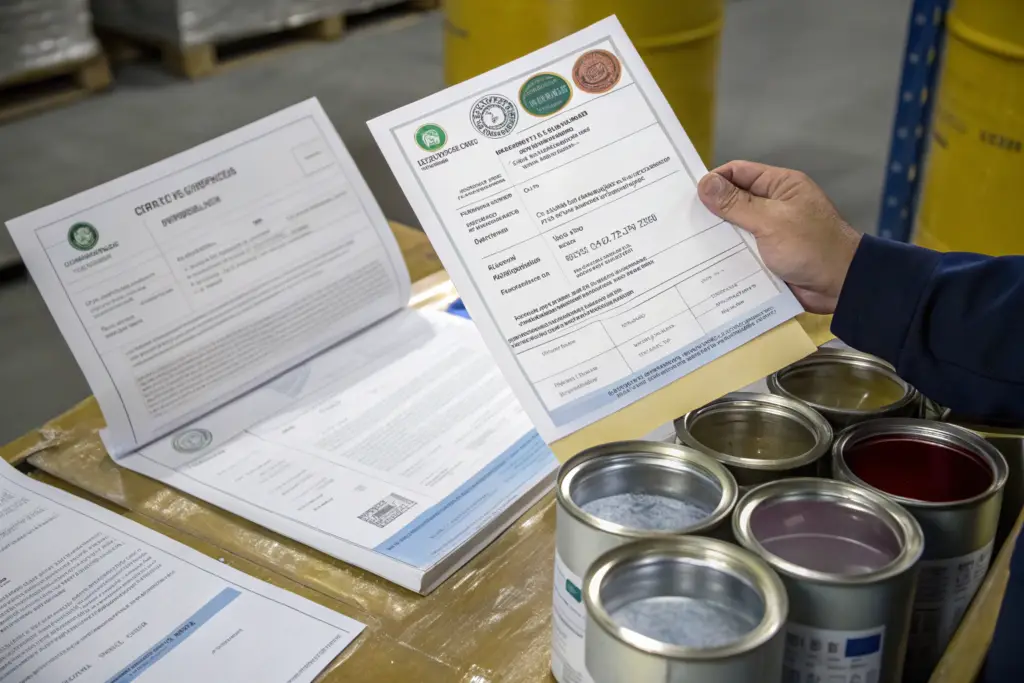
A genuine GOTS 7.0 approval letter has a specific format. It names the chemical manufacturer, the trade name of the dye, the certification body, and a unique certificate number. You should check the validity date. GOTS certificates expire annually. We have seen dye suppliers present a certificate that was valid three years ago and quietly expired. You should also check the scope. A dye approved for use on cotton may not be approved for use on polyester. The approval letter specifies the fiber types the dye is approved for. If the dye is approved for cellulosic fibers, do not use it on nylon. The most common fraud is a supplier presenting a letter for a "similar" dye. The certificate is for Dye Batch 2023-A. The supplier is selling you Batch 2024-B, which is a different formula with a cheaper catalyst. You must match the trade name on the certificate exactly with the trade name on the dye can. We verify every certificate through the GOTS public database before a new dye enters our facility.
Why Is the ZDHC Level 3 Conformance Just as Crucial as the Dye’s Toxicity Report for Wastewater Safety?
A dye can be safe on the fabric but still destroy the aquatic ecosystem when the leftover dye bath is discharged. The ZDHC Manufacturing Restricted Substances List focuses on the chemical discharge into water. A Level 3 conformance means an independent auditor has verified that the dye’s chemical formulation does not contain substances that will persist in wastewater and poison marine life. This is the critical link between "safe to wear" and "safe for the planet." Many brands stop at the toxicity report, thinking they have done their environmental duty. But the dye house down the street is still dumping non-biodegradable colorants into the river. We require all our dye partners to hold a valid ZDHC Gateway certification, which proves their wastewater treatment system is functional and their input chemistry is clean. This is how you guarantee the factory’s claims of "eco-friendly" are not just greenwashing.
What In-House and Third-Party Lab Tests Provide Irrefutable Proof of Dye Safety?
A brand partner once showed me a "test report" from their factory. It was a single page with a stamp that said "PASS." There was no lab name. No test method listed. No detection limits. It was a worthless piece of paper. A real safety test is a 15-page document from an ISO 17025 accredited lab like SGS or Intertek. It lists the exact extraction method, the machine used, and the detection limit for each chemical. If a test report does not show the detection limit, it is hiding something. A result of "Not Detected" is meaningless if the machine could only detect down to 50 parts per million but the legal limit is 30 parts per million. You need to know the machine could see the chemical and did not find it.
You obtain irrefutable proof of dye safety by conducting GC-MS or HPLC testing on the final dyed fabric at an independent ISO 17025 accredited laboratory. The test must specifically screen for the 24 carcinogenic aromatic amines restricted under REACH, as well as heavy metals and chlorinated phenols. The key is to test the fabric after bulk dyeing, not just the pre-production sample, and to test every color. Dark colors like black, navy, and deep red are statistically the most likely to contain high concentrations of restricted chemicals because they require the heaviest dye loads. You should pull random samples from the bulk fabric rolls, not the specially prepared swatches the dye house wants you to test. A clean dye certificate from the dye manufacturer is not enough; you need to prove that the clean dye was actually used in your batch and not swapped for a cheaper alternative.
This level of testing is not cheap. It costs $300 to $500 per color. For a collection of ten colors, that is a testing budget of $5,000. Brands that skip this testing are gambling with their entire business. One failed REACH test on a European shipment means a mandatory recall of every unit sold. The $5,000 testing budget is the cheapest insurance policy you will ever buy.
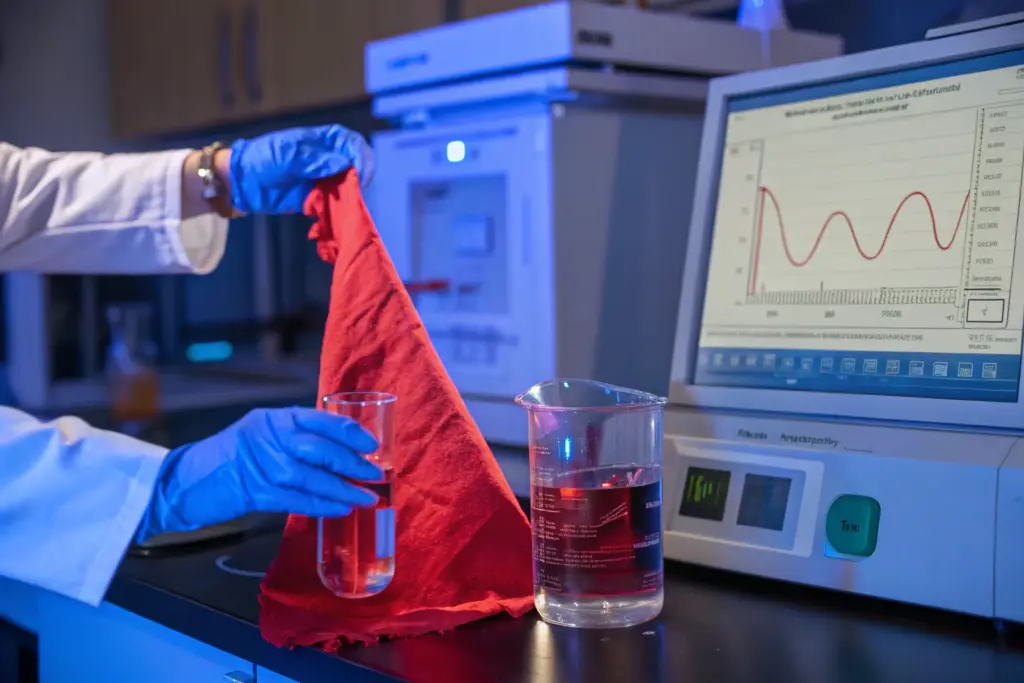
Black and navy dyes are chemically aggressive. Achieving a deep, wash-fast black on cotton often requires a combination of red, yellow, and blue azo dyes. The chemical reaction that creates the final black color can sometimes produce trace carcinogenic amines as a byproduct, even if the individual input dyes were clean. This is called "cleavage." The amines only appear when the dye molecules break down under heat or sweat on the skin. A clean certificate for the raw dye powder does not guarantee that the finished black fabric is safe. This is why the final fabric must be tested. We have seen dye houses present clean input certificates but fail the fabric test because their "black" formula used an unapproved fixing agent that contaminated the batch. The REACH Annex XVII restricted substances list explicitly limits these amines. The legal limit is 30 parts per million. Your test report must show the result is below this threshold.
What Is the Difference Between a “Pass” on a Generic Heavy Metal Report and a Fully Compliant RSL Test?
A generic heavy metal report might test for lead and cadmium. It might miss chromium VI, antimony, or mercury. A fully compliant Restricted Substances List test covers the complete list of heavy metals specified by the American Apparel and Footwear Association (AAFA) or the AFIRM Group. Furthermore, the extraction method matters. A test that uses acid sweat simulation is different from a test that uses saliva simulation, which is critical for kids wear where children put fabric in their mouths. You must specify the test method on your purchase order to the lab. The AAFA Restricted Substances List is the definitive guide. A factory that sends you a one-page "Pass" report without specifying the extraction method is sending you a document designed to look official while providing zero legal protection.
How Do You Build a Contractual and Auditing Framework That Permanently Prevents Dye Substitution?
The most common dye fraud is not using a banned dye from the start. It is substitution. The dye house passes the audit with a clean, expensive GOTS-certified black dye. The brand places a reorder for 5,000 units. The dye house sees their margin is thin. They buy a cheaper, uncertified black dye from a local chemical trader. It looks identical on the fabric. The cost savings is 40%. The brand never knows until a customer complains or a retailer conducts a random test. The only way to prevent substitution is a contractual framework with financial teeth and a program of unannounced audits.
You prevent dye substitution by signing a legally binding Chemical Compliance Addendum with your factory that includes a specific "Approved Dye Vendor List" for your brand. This contract states that only dyes from named manufacturers with valid certification numbers may be used, and that any substitution without written approval incurs a penalty equal to 200% of the production order value. You back this up with a "Right to Audit" clause that allows you or a third-party auditor to physically walk the dye house floor at any time and check the inventory of dye cans against the approved list. The factory must also maintain a batch-level log that records the exact dye used for every purchase order, and this log must be reconciled with the dye supplier’s invoices. This creates a forensic trail. A factory that knows the dye cans will be randomly inspected and the invoices will be cross-checked will not risk substitution.
This framework moves the relationship from trust to verification. Trust is valuable in a business partnership. Verification is essential for chemical safety. The two are not in conflict. The best factories welcome the contractual framework because it protects them from unscrupulous competitors who cheat on dye costs and undercut their pricing.
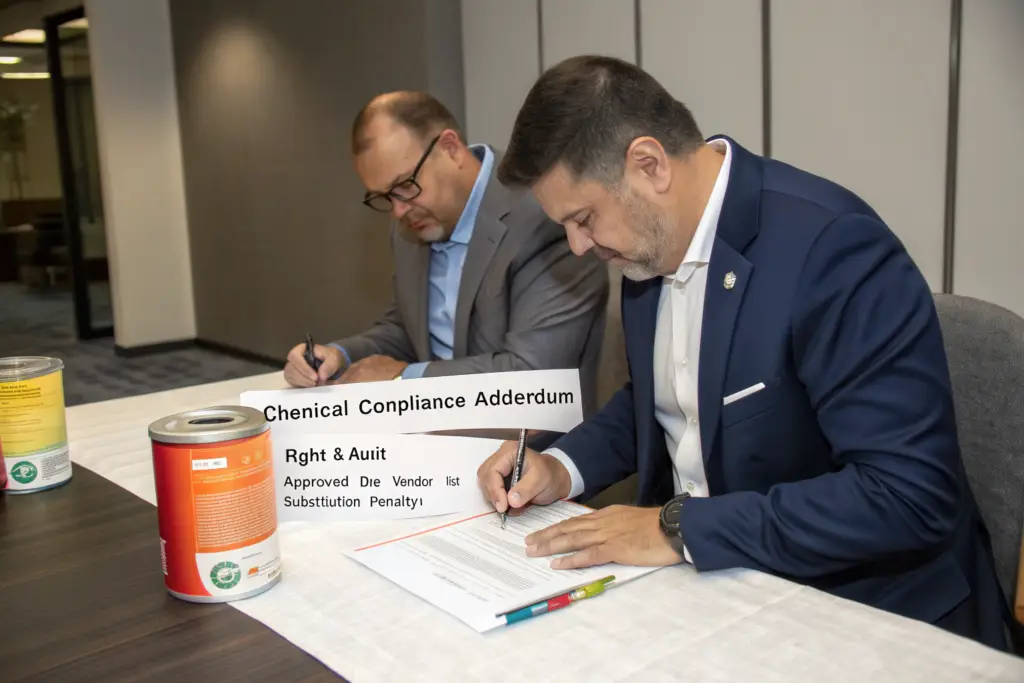
What Are the Key Clauses of a “Chemical Compliance Addendum” That Holds the Factory Financially Responsible for RSL Failures?
The addendum must state that the factory warrants that all dyes and auxiliaries meet the latest AFIRM RSL limits. It must specify that the factory is liable for the full cost of product recall, including freight, disposal, and retailer chargebacks, if an RSL failure is traced to a dye substitution. It must state that liquidated damages are not a penalty but a genuine pre-estimate of the loss of brand reputation. It must also include a "Drop-Ship Testing Clause," where the brand has the right to select a random carton from a shipment and send it directly to SGS or Intertek. If the test fails, the factory pays for the test. If it passes, the brand pays. This aligns incentives. The factory knows a failed test comes out of their pocket. The standard RSL and chemical compliance contract templates provide a starting point. Every brand scaling into the EU or U.S. should have this addendum signed before the first meter of fabric is dyed.
How Do Unannounced “Dye Kitchen” Walkthroughs Reveal Hidden Non-Compliant Chemicals?
A dye kitchen is the room where the dye powders are weighed and mixed. On a scheduled audit day, the kitchen is spotless, and the certified dye cans are neatly displayed. An unannounced walkthrough reveals the truth. An auditor might find a hidden stash of cheap, unbranded dye drums in a back corner. They might see a mixing vat that still has residue from a color that was not on the brand’s palette, indicating off-the-books sampling. We conduct unannounced dye kitchen audits for our brand partners. We physically check the labels on the dye cans against the approved list. We look for sticky residues on the floor that indicate recent use of a chemical that is not currently on the shelf. The physical audit is the ultimate proof. A factory that refuses unannounced access to the dye kitchen is a factory that cannot be trusted with your chemical compliance.
Conclusion
Guaranteeing that your clothing factory only uses totally environmentally safe fabric dyes is an active process of verification, not a passive state of trust. It requires you to demand GOTS or ECO PASSPORT certificates for every dye input, verify those certificates against public databases, and understand that a clean input certificate does not guarantee a clean finished product. It requires you to invest in third-party lab testing of the bulk fabric, specifically targeting the dark colors that carry the highest chemical risk. And it requires you to build a contractual framework with financial penalties and unannounced audit rights that make dye substitution a commercially suicidal decision for the factory.
The dye house I walked through five years ago is still operating. It still uses cheap, unsafe dyes. It still sells to brands that do not ask questions. The difference is that none of those brands are our partners. At Shanghai Fumao, we have chosen the harder, more expensive path of certified chemistry, wastewater treatment, and transparent dye kitchens. We do this not because it is easy, but because we have seen the alternative. We have seen the stained floors and the poisoned rivers. We refuse to be part of that system.
If you are ready to audit your current dye supply chain, or if you want to build a new collection on a foundation of certified safe chemistry, we can help. At Shanghai Fumao, we will provide you with our library of GOTS-certified dye certificates, our ZDHC wastewater reports, and a sample Chemical Compliance Addendum for your legal review. We invite you to visit our dye house partners unannounced and walk the floor yourself. Contact our Business Director, Elaine, at elaine@fumaoclothing.com. She can share a "Safe Dye Audit Checklist" that you can use with any factory. Your fabric should touch the skin, not contaminate it. Let’s guarantee that together.