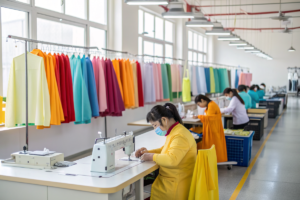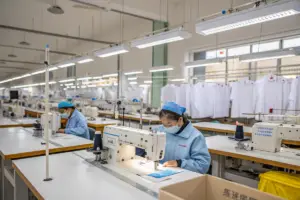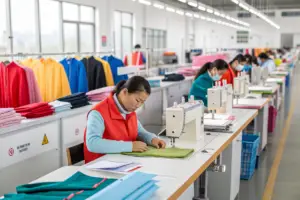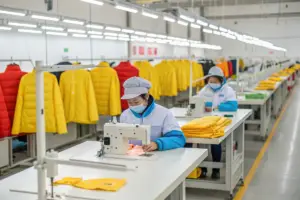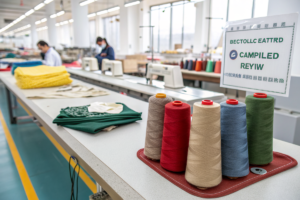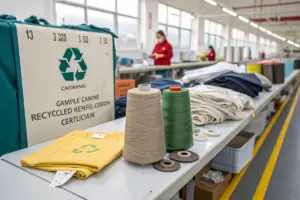
I nearly signed a production contract with a factory that had a beautiful showroom. The samples were flawless. The sales manager was charming. The price was competitive. Something felt off, but I could not articulate what. Before committing, I flew to visit the factory unannounced. The showroom was still beautiful. The actual production floor, which they had not planned to show me, was a different world. The lighting was dim. Fabric was piled on dirty floors. Workers looked stressed and avoided eye contact. The factory was running a "show floor" for visitors and a "real floor" for production. I walked away from the contract. Six months later, another brand that did sign with them had their entire order held at U.S. customs for failing flammability tests. The factory had substituted cheaper, non-compliant fabric. The brand lost $50,000. The audit saved me from the same fate.
You highly effectively audit an overseas garment factory by conducting a structured, three-pillar investigation that goes far beyond a guided showroom tour. Pillar one is a physical floor audit where you walk the production line unescorted, examine the maintenance logs on the machines, and verify that the specialized equipment required for your product category actually exists and is operational. Pillar two is a financial health check where you demand to see the factory's current ratio, debt-to-equity ratio, and evidence that client deposits are segregated from operating capital. Pillar three is a reference and compliance verification where you contact three previous clients directly, not the references the factory provides, and you verify every certification by cross-checking the certificate number against the issuing body's public database. A factory that passes all three pillars is not guaranteed to be perfect, but it is overwhelmingly likely to be professional. A factory that resists any of these pillars is hiding something.
Most brand owners audit a factory by looking at samples and nodding along with a sales presentation. That is not an audit. That is a tour. A real audit is an independent verification of the factory's physical capability, financial stability, and ethical track record. It requires preparation before the visit, skepticism during the visit, and follow-up after the visit. I want to share the exact audit framework we have developed at Shanghai Fumao, not as factory owners trying to pass audits, but as industry veterans who have seen too many brands burned by factories that looked good in the showroom.
What Are the Absolute Must-Check Physical Indicators on a Factory Floor Walkthrough?
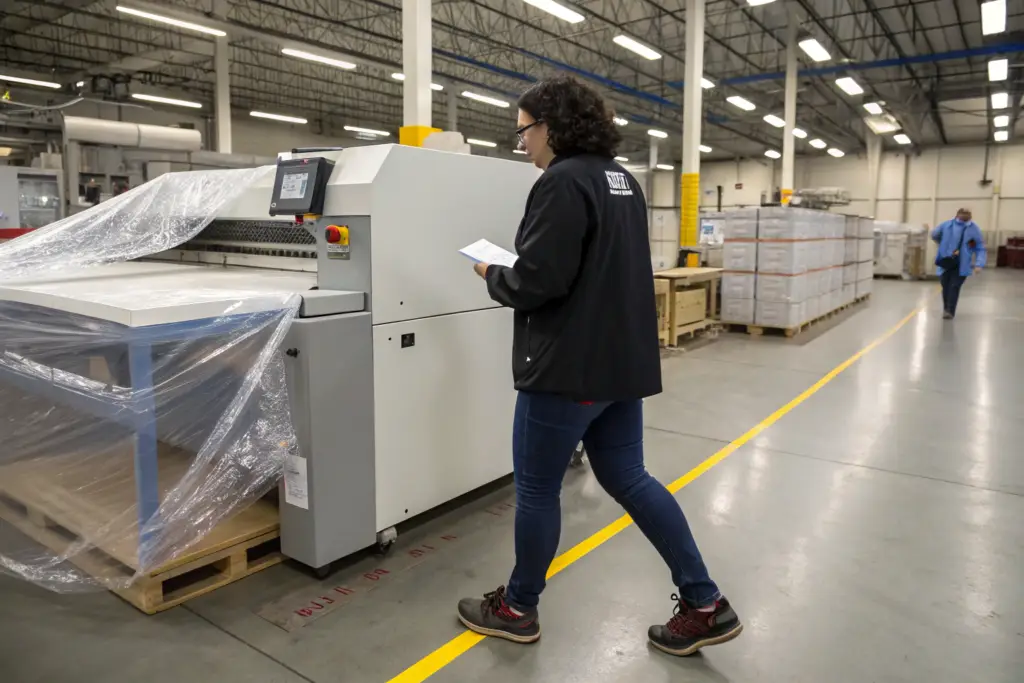
A brand owner I trained on factory audits once asked a factory manager to see their needle detection machine. The manager smiled and led her to a brand-new machine still in its protective plastic wrap. It had never been used. The factory had purchased it to pass buyer audits but had not integrated it into their production line. The brand owner asked to see the needle detection logbook. The manager could not produce one. The machine was a prop. The brand owner walked away. A factory that buys safety equipment for show but does not use it is a factory that will cut corners on everything that is not visible in a final inspection.
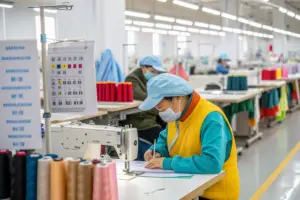
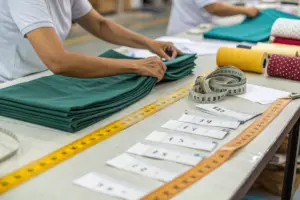
The absolute must-check physical indicators on a factory floor walkthrough are the specialized equipment, the maintenance logs, and the real-time quality data. First, you verify that the factory has the specific machines required for your product. A down jacket factory must have a down-filling machine, not just a sewing line. A performance wear factory must have a seam-taping machine. Do not accept "we outsource that process." Outsourcing means you lose quality control. Second, you examine the maintenance logs on a random machine. A well-run factory has a logbook on every major machine showing the date of the last oil change, calibration check, and parts replacement. A factory with no logs is running machines until they break. Third, you look at the quality control data boards. They should show today's date, this hour's production targets, and this shift's defect counts. A board that is blank or shows perfect numbers is staged. A board that shows real-time data with some defects recorded is genuine. These three physical checks reveal more about a factory's operational discipline than any certificate on the wall.
The walkthrough is the single most important part of the audit. You can fake a sample. You can fake a showroom. You cannot fake a live production floor with hundreds of workers and machines in operation. The floor tells the truth about how the factory operates when you are not watching.
Why Must You Verify the Existence and Calibration of In-House Equipment Specific to Your Garment Category?
If you produce outerwear, the factory needs an in-house down-filling machine with a computerized weight control system. If you produce performance wear, the factory needs seam-taping machines and a cold chamber for thermal testing. If you produce woven shirts, the factory needs a fabric spreading machine with an automatic tension control. The presence of this specialized equipment proves the factory has made a capital investment in your product category. The absence proves they are either a generalist or they outsource critical processes. Outsourcing is not inherently bad, but it fragments quality control and accountability. When a problem occurs, the factory blames the outsource partner, and you have no leverage. The calibration status of the equipment is equally important. A down-filling machine that is not calibrated will overfill or underfill jackets, creating inconsistent warmth. Ask to see the calibration certificate. It should be dated within the last six months. The textile machinery calibration standards exist for a reason. A factory that cannot produce a recent calibration certificate is not performing quality control on its own equipment.
How Can You Tell If a Production Floor Data Board Is Genuinely Operational Versus Staged for Your Visit?
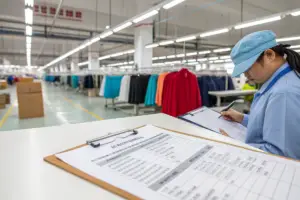
A staged data board is pristine. The handwriting is perfect. The defect count is zero. The target output is exactly met. A genuine data board shows variation. The handwriting is rushed. The defect count has a number, maybe 1.2% or 2.5%. The actual output might be slightly above or slightly below target. Erased or smudged numbers from previous hours suggest the board is updated throughout the day. Ask the line supervisor to explain a specific defect notation. A genuine supervisor will describe what happened, when it happened, and what corrective action was taken. A staged supervisor will give a vague answer or look to the factory manager for guidance. The data board is the heartbeat of the production floor. A factory with no data board is flying blind. A factory with a fake data board is lying.
What Financial Documents Must You Demand to Prove the Factory Is Not Operating as a Ponzi Scheme?
I once discovered that a competing factory was using new client deposits to buy fabric for old client orders. They had a current ratio of 0.7. They had more short-term debts than short-term assets. When one large client delayed payment, the entire operation seized up. Three brands lost their deposits and their production. The factory owner had been running a Ponzi scheme, not a manufacturing business. The brands could have discovered this before signing if they had asked for a balance sheet. None of them did.
You must demand three specific financial documents before signing a production contract with an overseas factory: a current ratio calculation from the most recent balance sheet, a debt-to-equity ratio, and a cash flow statement covering the last 12 months. The current ratio must be above 1.5. This proves the factory has enough short-term assets to pay its immediate bills without raiding your deposit. The debt-to-equity ratio must be below 1.0 for a stable factory, and anything above 2.0 signals the factory is heavily leveraged and vulnerable to interest rate shocks or demand downturns. The cash flow statement must show positive operating cash flow for at least the last two consecutive quarters. A factory that is profitable on paper but has negative operating cash flow is collecting receivables too slowly and surviving on fresh deposits. These three documents take an accountant 30 minutes to prepare. A factory that refuses to share them, or claims they are confidential, is a factory you should not trust with your production order.
The financial audit is the most uncomfortable conversation for many brand owners. They feel it is intrusive or inappropriate. It is neither. You are about to send a $10,000 to $50,000 deposit to a company in another country. You have a fiduciary responsibility to your own business to verify that the company is financially solvent. Any factory that is proud of its financial health will welcome the conversation.

What Is a Healthy Current Ratio and Debt-to-Equity Ratio for an Apparel Factory?
A healthy current ratio for an apparel factory is between 1.5 and 2.5. Below 1.0 is dangerous. It means the factory's short-term debts exceed its short-term assets. The factory is likely delaying supplier payments or using client deposits to cover operating expenses. Above 3.0 may indicate the factory is hoarding cash rather than reinvesting in equipment and training, which can signal long-term quality decline. A healthy debt-to-equity ratio is below 1.0. This means the factory is funded primarily by owner equity, not bank debt. A ratio between 0.5 and 1.0 is normal for a growing factory that uses some debt for expansion. A ratio above 2.0 is a red flag. The factory's debt service consumes a large portion of its cash flow. In an economic downturn, the factory will be forced to cut costs, which usually means cheaper materials and faster, lower-quality production. The financial ratio benchmarks for manufacturing are publicly available. Compare the factory's numbers to the industry averages.
How Can You Verify That the Factory Has a Genuine Segregated Client Deposit Account?
Ask the question directly: "Do you hold client deposits in a separate account from your operating capital?" A factory that does will answer immediately and may show you a bank statement with the account balance. A factory that does not will hesitate or give a vague answer about "managing cash flow." The segregated account is the single best protection against the Ponzi scheme model. It means your deposit is used to purchase materials for your order, not to pay the previous client's fabric supplier. We hold all client deposits in a segregated account and draw down only as materials are physically purchased for each specific order. This is not a legal requirement in many jurisdictions. It is a choice that reflects financial discipline and respect for client funds. The client fund segregation practices are standard in professional service industries. Manufacturing should be no different.
How Do You Verify Social Compliance and Ethical Labor Practices Beyond a Paper Certificate?
A brand owner I work with once asked to speak privately with a worker during a factory audit. The factory manager hesitated, then reluctantly agreed. The brand owner asked the worker three simple questions: "How long have you worked here? Do you get paid overtime? Do you feel safe here?" The worker had been there for six years. She confirmed she was paid overtime at 1.5x her base rate. She said the factory was a good place to work. The brand owner knew the social compliance audit was not just a paper exercise. The worker's answers matched the payroll records. The factory passed the human test.
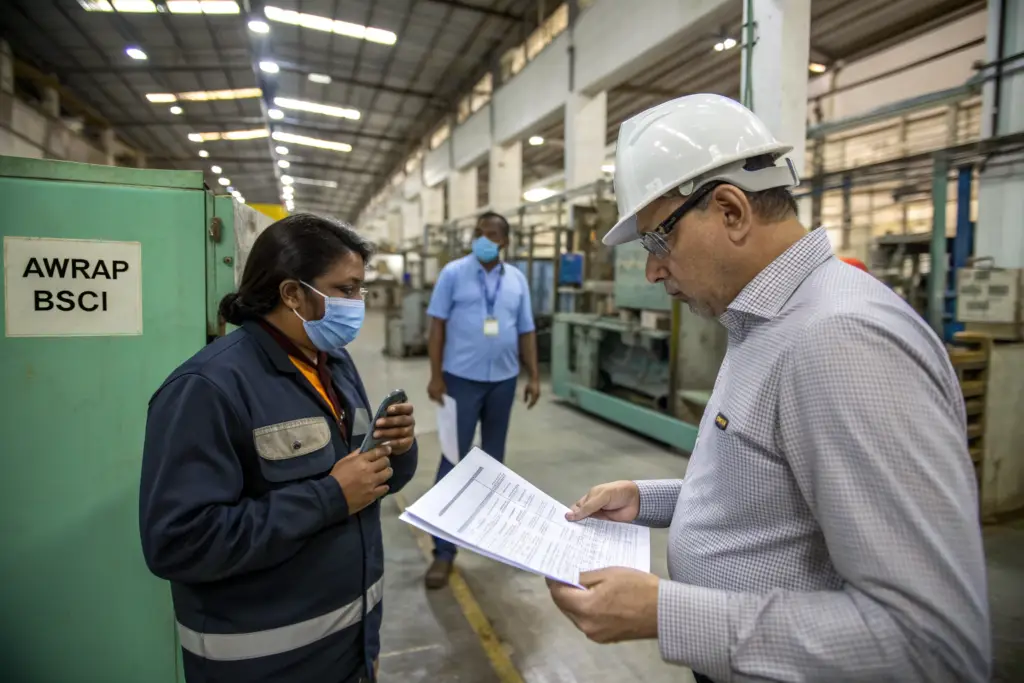
You verify social compliance and ethical labor practices beyond a paper certificate by conducting a private worker interview without management present, physically cross-checking payroll records against the claims on the certificate, and observing the living conditions if the factory provides dormitories. A WRAP or BSCI certificate is a starting point, not an endpoint. You should ask to speak with a worker privately during your tour. If the factory refuses, that is a red flag. You should ask to see time cards and payroll records for a random sample of workers. Cross-check the overtime hours against the overtime pay. A factory that claims compliance but cannot produce records is lying. If the factory provides worker housing, you should ask to see it. Clean, safe dormitories with adequate space and ventilation indicate a factory that invests in its workforce. Overcrowded, dirty dormitories indicate a factory that treats workers as disposable inputs. The physical evidence always overrides the paper certificate.
The social compliance audit is not just about ethics. It is about quality. A factory that mistreats its workers has high turnover. High turnover means inexperienced operators. Inexperienced operators produce inconsistent quality. Ethical treatment of workers is a direct predictor of production quality. The two cannot be separated.
What Specific Questions Should You Ask a Worker Privately to Verify the Factory's Real Labor Conditions?
The questions must be simple, non-leading, and safe for the worker to answer. "How long have you worked here?" A long tenure suggests reasonable working conditions. "Are you paid for overtime hours?" A clear yes or no. "How many hours did you work last week?" Cross-check against the legal maximum. "Do you have your own identity documents, or does the factory hold them?" A factory that holds worker passports is engaging in forced labor. "Where do you live?" If the worker lives in a factory dormitory, ask if you can see it. "Do you feel safe here?" An open-ended question that often reveals the truth. The worker interview protocol for social audits should be conducted in a private space with no management present. The brand owner or a trusted third-party auditor should conduct it. The goal is not to catch the factory in a lie. It is to verify that the paper certificate reflects the lived reality of the workers.
How Can You Independently Verify That the Audit Certificate Is Not Expired or Counterfeit?
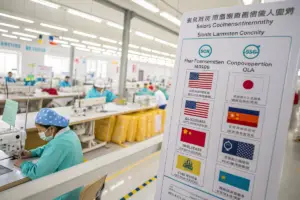
Every legitimate social audit certificate has a unique certificate number, an issuing body name, an audit date, and an expiry date. You should cross-check the certificate number against the issuing body's public database. For WRAP, the database is publicly searchable. For BSCI, the amfori platform provides verification. For SEDEX, the member ID can be verified. A factory that provides a certificate with a number that does not appear in the database is presenting a fraudulent document. A factory that provides a certificate that expired six months ago is no longer compliant. The verification takes five minutes. It is the most important five minutes of your audit preparation. The WRAP certified facility search and the amfori BEPI platform are publicly accessible resources.
Conclusion
A highly effective audit of an overseas garment factory is a systematic, evidence-based investigation. It begins with a physical floor walkthrough where you verify the existence and calibration of specialized equipment and examine the real-time quality data. It continues with a financial health check where you demand to see the current ratio, the debt-to-equity ratio, and the cash flow statement. It concludes with a social compliance verification where you interview a worker privately and cross-check the paper certificate against the issuing body's public database. A factory that passes all three pillars has demonstrated operational competence, financial stability, and ethical integrity.
The beautiful showroom and the charming sales manager are not evidence. They are marketing. The evidence is on the production floor, in the financial statements, and in the words of the workers. The audit is the process that separates the evidence from the marketing. Brands that skip the audit and sign based on trust are gambling with their business. Brands that perform the audit and sign based on evidence are making a calculated, professional decision.
At Shanghai Fumao, we welcome audits. We do not require advance notice for factory floor access. We provide our current financial ratios to any serious brand partner. We invite our brand partners to speak with our workers privately. We maintain our certifications and can provide real-time verification of every certificate number. We do this not because we are perfect, but because we are professional. We believe the factory that has nothing to hide should hide nothing.
If you are planning to audit a factory, or if you want to audit Shanghai Fumao as a potential partner, we are ready. At Shanghai Fumao, we will provide you with a pre-audit document package including our equipment list, our maintenance log samples, our financial health summary, and our current certification numbers. Contact our Business Director, Elaine, at elaine@fumaoclothing.com. She can schedule a physical or video audit walkthrough and answer any questions about our operational and financial practices. Audit us like you would audit any factory. We are confident in what you will find.