A brand owner once called me in a panic. She had signed a contract with a new factory for a "custom collection." She had sent them her tech pack with detailed sketches, measurements, and fabric specifications. Six weeks later, she received samples that looked nothing like her designs. The silhouettes were wrong. The fabric was heavier than she specified. The factory had interpreted her tech pack loosely, assuming she wanted their standard house styles. She thought she had signed an OEM contract where the factory executes her exact design. The factory thought they were operating under an ODM model where they could modify the design based on their existing capabilities. The contract was ambiguous. The samples were useless. She lost two months of development time because two simple acronyms were never defined.
The exact difference between OEM and ODM in the international clothing manufacturing industry is the origin of the design. OEM stands for Original Equipment Manufacturing. In this model, the brand buyer provides the complete design: the tech pack, the measurements, the materials, the fit specifications. The factory acts as a pure executor. Their job is to faithfully reproduce what the brand has designed, with zero creative deviation. ODM stands for Original Design Manufacturing. In this model, the factory provides the design. The brand selects from a catalog of existing styles, customizes elements like color, fabric, and branding, and brings the product to market. The factory owns the design, the pattern, and often the intellectual property of the garment. The brand's job is marketing, distribution, and brand building. The distinction is not academic. It determines who owns the design, who controls the quality specifications, and who bears the development risk.
The confusion between OEM and ODM is one of the most common and costly mistakes in international apparel sourcing. Brands that need OEM but sign an ODM contract receive generic products that do not match their vision. Brands that need ODM but demand OEM-level customization pay for development costs they did not budget for. I want to share exactly how these two models work, what questions to ask before signing a contract, and how Shanghai Fumao helps brands navigate the choice between them.
What Specific Responsibilities and Deliverables Define an OEM Manufacturing Contract in Apparel?
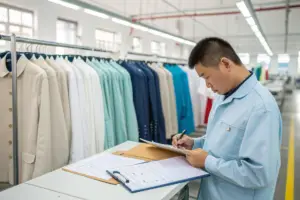
A technical outerwear brand I work with operates exclusively on an OEM basis. They employ a full-time technical designer who produces 30-page tech packs. Every seam, every stitch type, every zipper brand, every interior pocket dimension is specified before the document reaches our factory. Our job is not to design. Our job is not to suggest alternatives. Our job is to execute the specification with absolute fidelity. If a pocket is specified at 14.5 centimeters, we cut it at 14.5 centimeters. We do not adjust it to 15 centimeters because it is easier to sew. The OEM model works because the brand owns the design integrity and the factory owns the production efficiency. Each party does what they are best at.
An OEM manufacturing contract in apparel requires the brand to deliver a complete, production-ready tech pack that includes every specification the factory needs to cut and sew the garment without making a single design decision. The brand owns the pattern, the fit, the grading, the material sourcing specifications, and the quality standards. The factory is responsible for raw material procurement to the brand's specifications, sample development that matches the brand's design exactly, bulk production that conforms to the approved sample and the specified AQL quality level, and on-time delivery according to the agreed production calendar. The factory does not suggest design changes unless a production feasibility issue is identified. The factory does not substitute materials without written brand approval. The OEM model transfers creative control to the brand and execution risk to the factory. It is the appropriate model for brands with a strong design identity and the internal capability to produce detailed technical specifications.
The OEM model demands more from the brand upfront. The brand must invest in design and technical development before engaging the factory. The reward is absolute control over the final product. The garment that arrives in the warehouse is exactly the garment the brand designed, down to the last stitch.
What Detailed Documentation Must a Brand Provide to Trigger an OEM Contract?
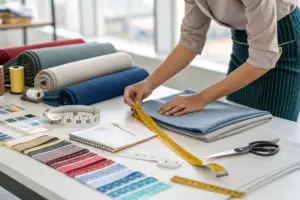
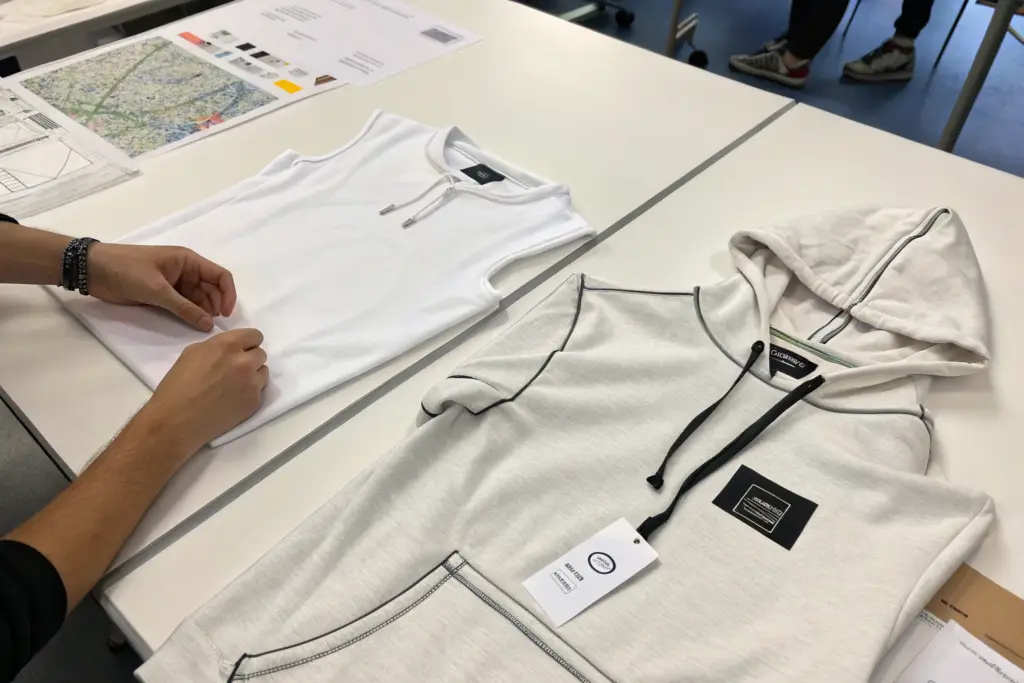
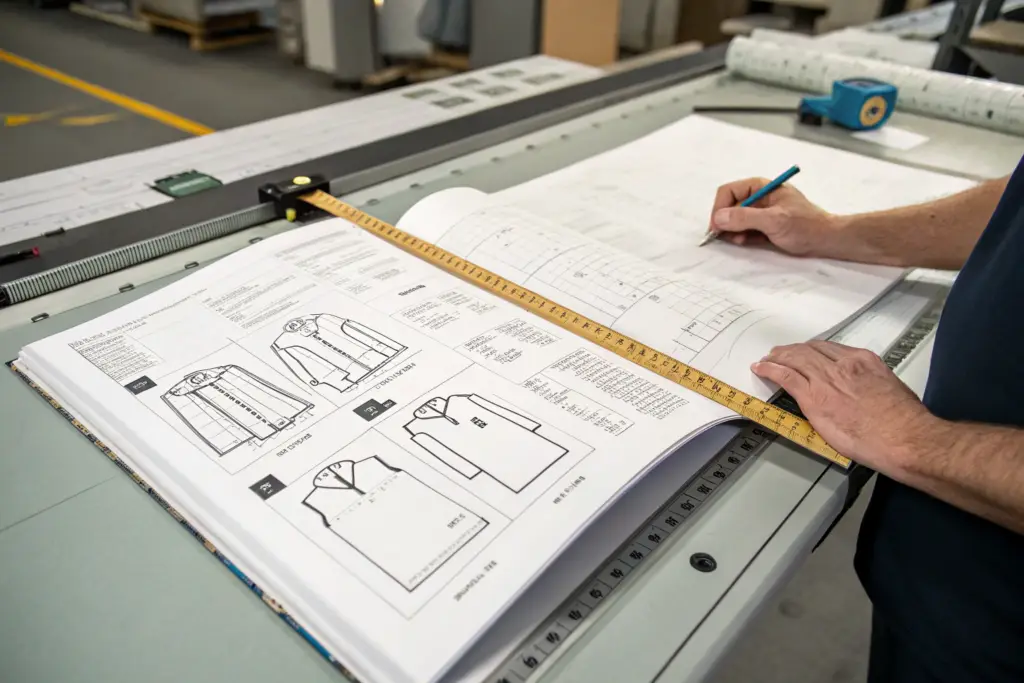
The minimum documentation package for an OEM contract includes a fully graded tech pack with front and back flat sketches, a complete measurement specification table with tolerance ranges for every point of measure, a stitch and construction detail sheet specifying stitch types with ISO numbers, a bill of materials listing every fabric, trim, and notion with supplier names and product codes, a color standard with Pantone TCX references, a packaging and labeling specification, and a sealed reference sample. Any missing element in this package is a design decision the factory will have to make, which converts the OEM relationship into an unintentional ODM relationship. The OEM tech pack requirements are standardized. A brand that cannot produce this documentation is not ready for OEM manufacturing.
What Are the Penalty Structures for a Factory That Deviates from an Approved OEM Sample Without Authorization?
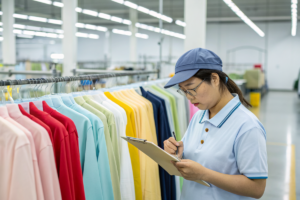
An OEM contract must include a material conformity clause. This clause states that the bulk production must match the approved pre-production sample in all material respects. If the factory deviates from the sample without written authorization, the brand has the right to reject the goods, demand a full refund, and claim liquidated damages for the lost selling window. The contract should specify that unauthorized substitutions of fabric, trims, or construction methods constitute a material breach. The financial penalty is typically the full invoice value plus any consequential damages like retailer chargebacks. This clause protects the brand's design integrity. A factory that signs an OEM contract with this clause is a factory that is confident in its ability to execute specifications precisely.
How Does the ODM Model Shift the Design and Material Risk Away from the Brand?
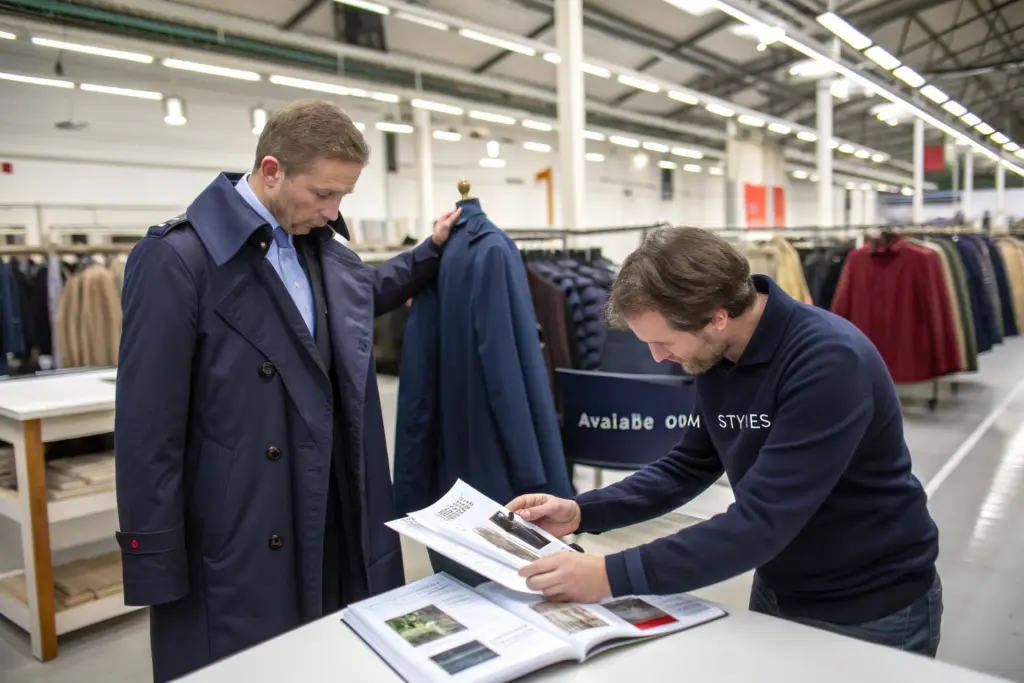
A startup brand owner I worked with launched her collection with $12,000 in savings. She had a strong sense of her brand identity but no technical design skills. She could not produce a tech pack. She did not know how to grade a pattern. If she had pursued the OEM model, she would have spent her entire budget on freelance designers and pattern makers before ordering a single garment. Instead, she chose the ODM model. She visited our showroom, selected five styles from our existing catalog, chose her fabrics from our approved swatch library, and customized the labels and packaging with her brand identity. Her development cost was near zero. Her time to market was six weeks. She launched her brand on time and on budget. The ODM model made her business possible.
The ODM model shifts design and material risk away from the brand by transferring pattern development, grading, fabric sourcing, and fit testing to the factory. The factory has already invested in these activities for its catalog styles. The brand selects a proven, tested style and customizes the aesthetic elements: fabric, color, branding, and packaging. The brand does not pay for pattern development. The brand does not risk ordering fabric that proves unsuitable during sampling. The brand does not discover fit issues on a style they designed from scratch. The ODM model is the fastest, lowest-risk path to market for a new brand, a brand expanding into a new product category, or a brand testing a new market segment. The trade-off is that the brand does not own the design. The factory may sell the same base style to other brands. The brand's competitive differentiation comes from its branding, marketing, and customer experience, not from a proprietary silhouette.
The ODM model is not a compromise. It is a strategic choice. Many of the most successful direct-to-consumer apparel brands operate on an ODM basis. They focus their resources on building the brand, not engineering the garment. The factory provides the product. The brand provides the story.
Who Legally Owns the Pattern and Intellectual Property of a Garment Produced Under ODM?
In a standard ODM arrangement, the factory owns the pattern, the design, and the intellectual property. The brand purchases the finished garments. The brand does not purchase the design rights. The factory retains the right to produce the same style for other brands, often with different fabric selections or branding treatments. Some factories offer an "ODM with Exclusivity" option where the brand pays an additional fee or commits to a minimum order volume in exchange for exclusive rights to the style in a specific geographic market or distribution channel. The ODM intellectual property ownership terms must be explicitly stated in the contract. A brand that assumes exclusivity without a written clause may discover their signature style on a competitor's website six months later.
What Are the Hidden Development Costs That ODM Eliminates for a Brand With No Technical Design Team?
ODM eliminates pattern development costs, typically $200 to $500 per style. It eliminates grading costs for a full size range, $100 to $300 per style. It eliminates sampling costs, which can run $100 to $300 per sample round, with two to three rounds common. It eliminates fabric testing costs for the initial development phase. It eliminates the cost of fit sessions and the time of a technical designer. For a brand developing ten styles, these eliminated costs total $5,000 to $15,000. More importantly, ODM eliminates the time cost. A brand developing custom OEM styles needs 8 to 12 weeks for development before production begins. An ODM brand can move from style selection to production in 2 to 4 weeks. The time saved is often more valuable than the money saved.
How Can a Brand Create a "Hybrid OEM/ODM" Model to Balance Exclusivity with Factory Efficiency?
A brand I work with found a perfect ODM blazer silhouette in our catalog. The body fit beautifully. The shoulders were exactly right. The standard sleeve, however, was too plain for their brand aesthetic. They wanted a custom sleeve with a functional vent and a contrasting lining. We proposed a hybrid approach. We used the existing ODM body block, which was already graded and tested. We developed a new sleeve pattern as an OEM component. The development cost was $300 for the sleeve instead of $1,500 for a fully custom blazer. The fit risk was contained to one component. The brand got a distinctive product at a fraction of the custom development cost.
A hybrid OEM/ODM model allows a brand to leverage the factory's existing patterns and material sourcing for the majority of a garment while customizing specific design elements that create brand differentiation. The most common hybrid customizations are collars, cuffs, pockets, linings, and trims. The brand uses the factory's proven body block, which eliminates fit risk and grading cost, and focuses its development budget on the visible design details that customers notice. The factory benefits because the production process remains largely standardized. The brand benefits because they achieve a unique product without the full cost and time of pure OEM development. The hybrid model is the pragmatic sweet spot for brands that have outgrown pure ODM but do not yet have the volume or technical resources for pure OEM.
The hybrid model requires clear communication. The brand must specify exactly which components are using the factory standard and which are custom. The contract must reflect this division. The price reflects the factory's efficiency on the standard components and the additional labor for the custom components.
What Specific Components Are Most Commonly Customized on an ODM Base to Create a Distinctive Brand Silhouette?
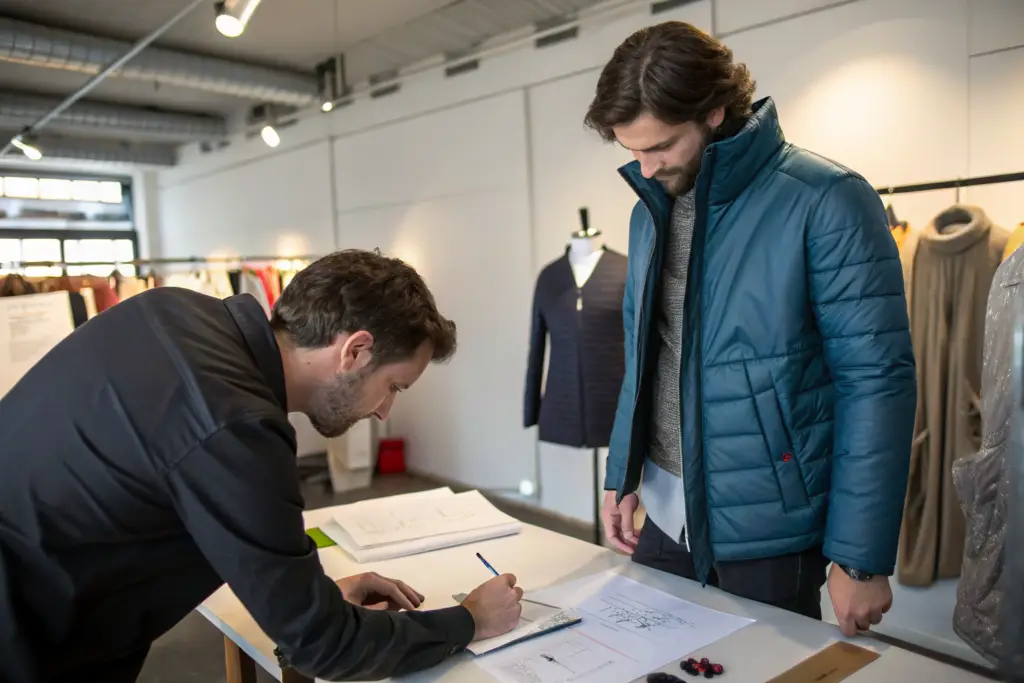
The highest-impact, lowest-cost customizations are collars, cuffs and sleeve finishes, pocket shapes and placements, placket widths and button configurations, hem shapes and finishes, and lining fabrics. Changing the collar on a standard ODM shirting block from a point collar to a spread collar changes the entire personality of the shirt. The development cost is often just a revised collar pattern, keeping the body and sleeve standard. These component-level customizations provide 80% of the brand differentiation at 20% of the full OEM development cost. We guide our brand partners through a component customization catalog to help them identify the highest-impact changes for their budget.
How Do You Draft a Tech Pack for a "Hybrid" Garment Without Confusing the Factory's Production Team?
The hybrid tech pack must clearly label every component as either "Factory Standard" or "Custom Development." Factory Standard components reference the factory's internal style code. Custom Development components include full specifications: sketches, measurements, construction details, and material references. We use a color-coded system: black ink for factory standard specifications, red ink for custom development specifications. This visual distinction ensures the pattern maker immediately identifies which sections require new work and which can use existing patterns. The hybrid tech pack format reduces errors and speeds up the sample development process.
Conclusion
The exact difference between OEM and ODM in the international clothing manufacturing industry is the difference between "I designed this" and "I selected this." In OEM, the brand designs. The factory executes. The brand owns the pattern, the fit, and the intellectual property. The model requires significant technical resources from the brand and rewards them with complete creative control. In ODM, the factory designs. The brand selects and customizes. The factory owns the pattern and the base design. The model requires minimal technical resources from the brand and rewards them with speed to market and low development cost.
Neither model is better. They serve different stages of brand maturity and different business strategies. A startup with no technical team should embrace ODM and focus on building the brand. A scaling brand with a strong design identity should transition to a hybrid model, customizing the components that matter most. An established brand with in-house technical design should operate on full OEM, owning every aspect of the product.
At Shanghai Fumao, we offer all three models: a curated ODM catalog with hundreds of tested styles, a hybrid customization program for brands that want to modify our base styles, and full OEM manufacturing for brands that arrive with a complete tech pack. We are transparent about which model fits which brand based on their budget, timeline, and design capability.
If you are unsure which model is right for your brand, or if you want to explore transitioning from ODM to hybrid as you scale, we can help. At Shanghai Fumao, we will walk you through our ODM catalog, our hybrid customization options, and our OEM tech pack requirements. Contact our Business Director, Elaine, at elaine@fumaoclothing.com. She can send you a sample OEM tech pack template and a copy of our ODM lookbook. Choose the model that fits your brand today, and know that your manufacturing partner can grow with you as your needs change.