I remember a tense meeting with a buyer from a sustainable fashion brand in California two years ago. She had just received a shipment of "eco-friendly" coats from another supplier. The fabric was certified organic, but the buttons were cheap plastic, and the thread was standard polyester. The lining was virgin viscose from an uncertified source. She felt misled. Her customers trusted her to deliver a genuinely responsible product, and instead, she had unknowingly sold them greenwashing. That sinking feeling of a compromised brand promise is something no retailer should ever experience. The demand for truly sustainable outerwear is exploding, but the supply chain is full of half-truths.
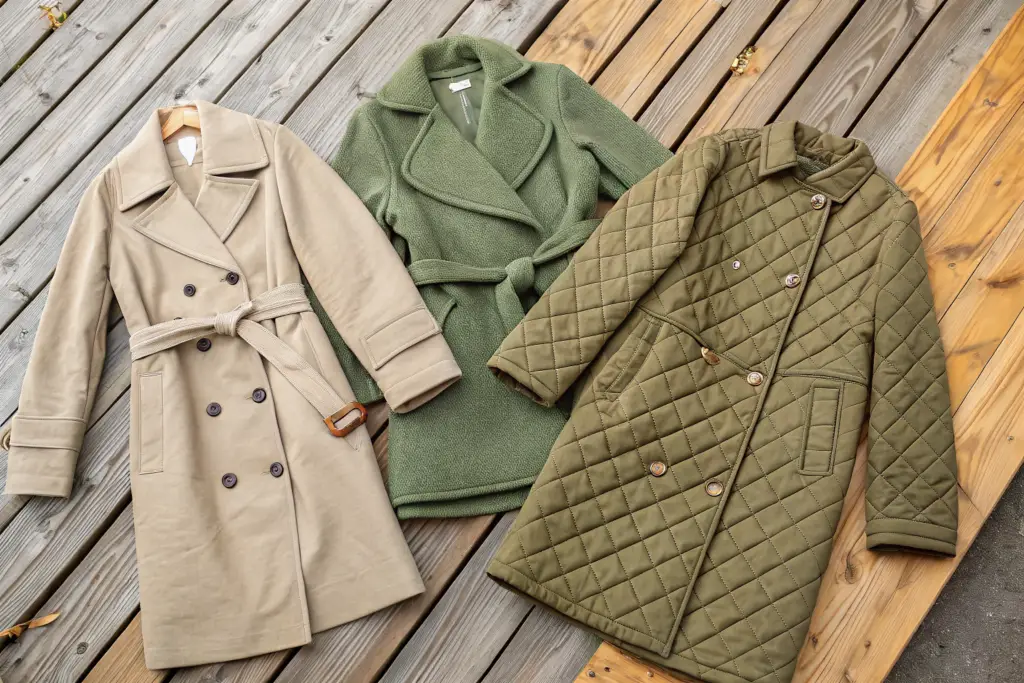
The leading women's coat types using genuine eco-friendly fabrics in 2026 include the classic trench in organic cotton, the luxurious wrap coat in recycled cashmere, and the performance quilted coat in bio-based polyester, all verified through rigorous third-party certifications.
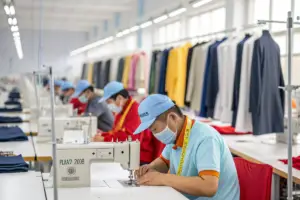
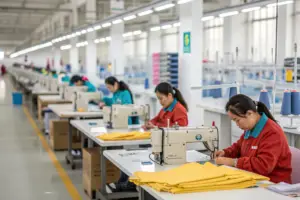
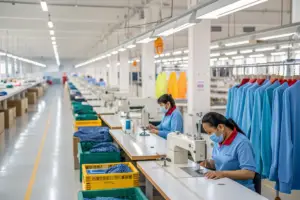
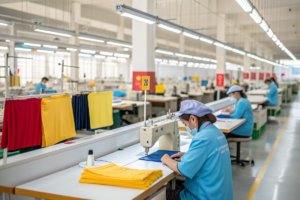
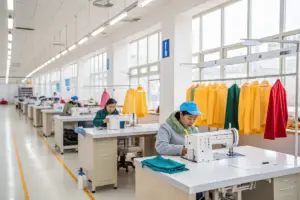
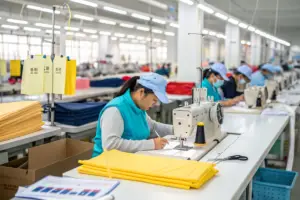
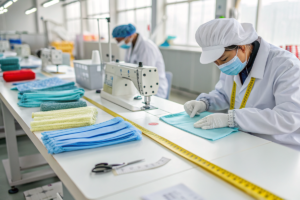
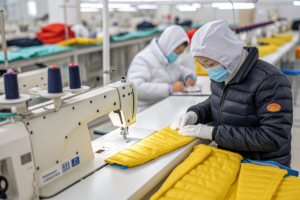
Sustainability is no longer a niche marketing angle. It is a baseline expectation for a growing segment of American consumers. At Shanghai Fumao, I have witnessed the shift on our production floor. Brands are asking for the mill's recycling certificates before they even look at the fabric swatch. This guide is my honest, factory-floor perspective on which coat styles are actually being made with responsible materials, how they are constructed, and how you can verify the claims for yourself.
What Makes a Fabric Genuinely Eco-Friendly for Outerwear?
Before we talk about specific coat styles, we need a clear definition of what "eco-friendly fabric" actually means on a cutting table. I have seen brands get lost in buzzwords. One season, everything is "vegan leather," which is often just plastic. The next season, it is "natural fibers," which might have consumed enormous amounts of water and pesticides. You need a framework to cut through the noise. The risk of not having one is making a claim on your hangtag that a watchdog group or a curious customer can easily debunk.
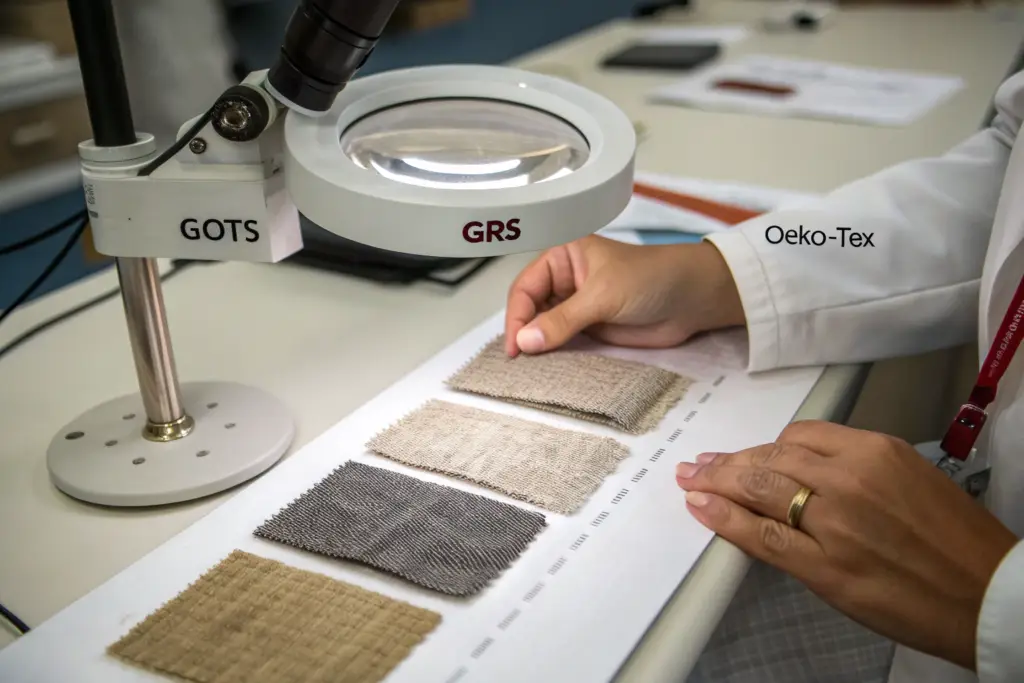
A genuinely eco-friendly outerwear fabric must demonstrate measurable reductions in environmental impact across its lifecycle, verified by third-party certifications like GOTS, GRS, or OEKO-TEX, not just marketing language.
This means evaluating the raw material source, the chemical inputs during dyeing and finishing, and the end-of-life biodegradability or recyclability. The fiber composition is just the starting point. The dye process, the thread, the lining, and even the care label must align with the promise. I tell my team at Shanghai Fumao that if we cannot trace a fabric back to a certified source with a transaction certificate, we do not call it sustainable.
How Do You Verify Organic and Recycled Fiber Claims?
The only real way to verify is through the supply chain audit trail. For organic cotton, the standard is the Global Organic Textile Standard. A GOTS certificate means the cotton was grown without banned pesticides, and the processing met strict environmental and social criteria. You need to check the scope certificate of the specific mill, not just accept a general statement. I ask for the certificate number and verify it on the GOTS public database.
For recycled fibers, the standard is the Global Recycled Standard. This certifies the recycled content and tracks it from the recycler to the finished fabric. We recently sourced a recycled wool blend for a New York brand from a mill in Prato, Italy. They provided a GRS transaction certificate that showed the exact percentage of post-consumer wool in the batch. This documentation allows the brand to make a specific, defensible claim on their website, such as "This coat contains 65% GRS-certified recycled wool." Vague words like "conscious" or "responsible" are losing their power. Customers and regulators want numbers and logos they can trust.
What Is the Difference Between Bio-Based and Virgin Synthetics?
This is a critical distinction for performance coats. A puffer coat made from virgin petroleum-based polyester is not eco-friendly, even if the fill is recycled down. The raw material is still a fossil fuel. However, a puffer made from bio-based polyester is different. This material is partially derived from renewable resources like sugarcane waste. It has the same performance characteristics and durability, but a lower carbon footprint.
The technical nuance matters here. Some bio-based polyesters are only partially plant-based, say 30%, with the rest still fossil-fuel derived. A truly leading-edge fabric will declare the exact bio-content. We also work with fabrics that use a dope dyeing process. In standard dyeing, the fabric is woven and then submerged in water and chemicals. Dope dyeing injects pigment into the molten polymer before the fiber is extruded. This eliminates massive amounts of water and reduces dye runoff. For a raincoat or a trench, a dope-dyed, bio-based shell fabric with a fluorocarbon-free DWR coating is the gold standard for sustainability.
Which Classic Coat Silhouettes Lead the Way in Organic Cotton?
The trench coat is a permanent fixture in outerwear. It is also a perfect canvas for organic cotton. The traditional gabardine weave that Thomas Burberry invented was originally a tightly woven, weather-resistant cotton. Modern organic cotton twills replicate this with a much lower environmental footprint. The anorak and utility jacket are also moving heavily into organic cotton as brands seek to replace synthetic shells in lighter-duty outerwear. The performance expectation here is breathable, comfortable, and chemical-free against the skin.
The classic trench coat and the utilitarian field jacket are the leading silhouettes for organic cotton in 2026, offering brands a credible sustainability story in a familiar, high-volume product category.
These styles are relatively simple to construct, which allows the fabric story to dominate. The supply chain is also maturing. Organic cotton twills in heavy coat weights are now widely available and can be dyed with low-impact or botanical dyes for an even deeper environmental narrative.

Is the Organic Cotton Trench Coat Commercially Viable?
Yes, and the numbers support it. A premium trench cut from a heavyweight, 10-ounce organic cotton twill has a luxurious, dry hand feel that customers associate with quality. The market response has been strong. We produced a run of organic cotton trenches for a Seattle-based retailer last spring. They retailed them at a $298 price point. They used a story tag explaining the GOTS certification and the water savings compared to conventional cotton.
The entire production run sold out in six weeks. The key to making this style work commercially is the trims. You cannot use a polyester thread or a cheap polyester lining and still call it a fully eco-conscious garment. We sourced the buttons from a supplier in Italy that makes buttons from corozo, a nut that is harvested sustainably. The thread was undyed organic cotton. Even the care label was printed on recycled paper stock. This attention to detail creates a cohesive product that a brand can confidently market as their ethical hero piece.
How Are Utility Jackets Being Reinvented with Natural Fibers?
The classic field jacket or anorak has traditionally been a cotton-synthetic blend for durability. The shift in 2026 is to 100% organic cotton canvas with a mechanical stretch weave, eliminating the need for elastane. Elastane is a synthetic fiber that makes fabric recycling nearly impossible. The mechanical stretch is achieved by how the yarns are twisted and woven, allowing the fabric to give slightly with movement but then return to its shape.
This creates a jacket that is durable but also fully compostable at the end of its life, provided the trims are also natural. We recently developed a utility jacket for a brand in Portland using a heavy organic cotton canvas and lining the hood with an undyed organic cotton fleece. The garment was entirely free of synthetic inputs. It was a minimalist, almost monastic piece that resonated strongly with their community. The cost was about 18% higher than a conventional version, but the brand's margin was still healthy because the perceived value and story commanded a premium.
How Is Recycled Cashmere and Wool Transforming the Luxury Wrap Coat?
The wrap coat is the pinnacle of a retailer's outerwear assortment. It is a high-ticket item that demands the finest materials. For decades, that meant virgin cashmere from Inner Mongolia. But the environmental cost of virgin cashmere, including overgrazing and land degradation, has become a significant concern. The luxury consumer is increasingly aware of this. Recycled cashmere and recycled wool offer a solution that does not compromise on the hand feel or the status of the garment.
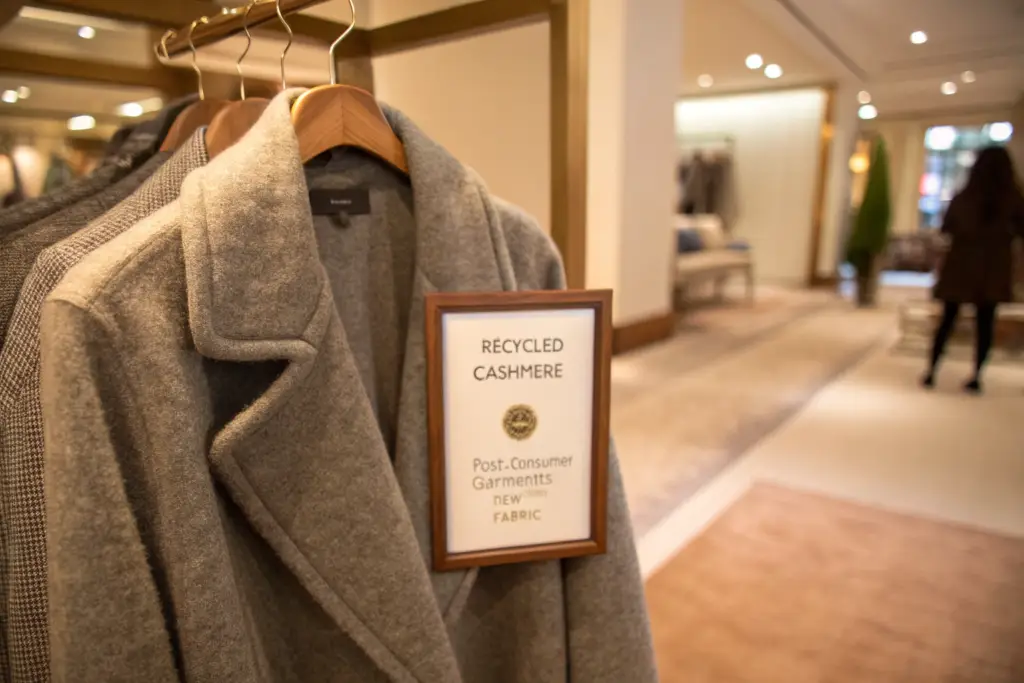
The luxury wrap coat is being transformed by recycled cashmere and recycled wool blends, giving retailers a powerful sustainability narrative at the top of their price architecture.
At Shanghai Fumao, we have seen a 40% increase in requests for recycled cashmere in the last two years. The technology has improved dramatically. Old recycled wool used to feel short, scratchy, and weak because the recycling process cut the fibers. New mechanical recycling techniques preserve fiber length much better, resulting in a fabric that is soft, strong, and almost indistinguishable from virgin.
How Is Post-Consumer Cashmere Recycled Into Luxury Fabric?
The process is fascinating. In sorting facilities, mainly in Prato, Italy, old cashmere sweaters are sorted by color and quality. Zippers, buttons, and labels are removed by hand. The wool is then shredded back into raw fiber. This is the critical stage. If the shredding is too aggressive, the fibers become too short to spin into a strong yarn. The leading mills use a slow, low-impact mechanical process that gently teases the fibers apart.
These recycled fibers are then blended with a small percentage of virgin extra-fine merino wool to add strength and allow for a finer spinning count. The resulting yarn is then woven into a premium double-face fabric, perfect for an unlined wrap coat. In 2025, we used this exact fabric to produce a collection for a luxury brand in Austin. The coats were a heathered camel color, which came from sorting and recycling undyed beige cashmere, requiring no dyeing process at all. The brand's founder told me her customers were visibly emotional when they read the hangtag explaining the coat's origin in pre-loved garments. This emotional connection drives loyalty.
Can Recycled Wool Blends Achieve the Same Drape as Virgin?
This is the first question every designer asks. The fear is that recycled wool will feel stiff or boardy. It is a valid concern with lower-quality recycled wool. The key is the blend and the finishing. Our best recycled wrap coat fabric is a blend of 70% GRS-certified recycled wool and 30% virgin Tencel lyocell. The Tencel adds fluidity and a subtle sheen. The fabric is finished with a gentle brushing to raise a soft nap, giving it the luxurious hand feel that customers expect from a $600 coat.
The drape is excellent. I have personally handled swatches side-by-side with virgin wool blends, and I could not tell the difference in a blind test. The dying process is also more sustainable. Many recycled wool fabrics use a melange dyeing technique, where the reclaimed fibers retain some of their original color, and only a small amount of low-impact dye is added to create a uniform tone. This reduces water and chemical use.
What Are the Best Performant Options in Bio-Based and Recycled Synthetics?
An eco-friendly fabric still needs to perform. A quilted coat or a raincoat that lets in the wind and rain is not functional outerwear. It is a liability. The synthetic outerwear market has been under intense scrutiny because of microfiber pollution and fossil fuel dependency. In 2026, the industry is finally delivering alternatives that protect the wearer from the elements and are made from materials that have a verified better environmental profile.
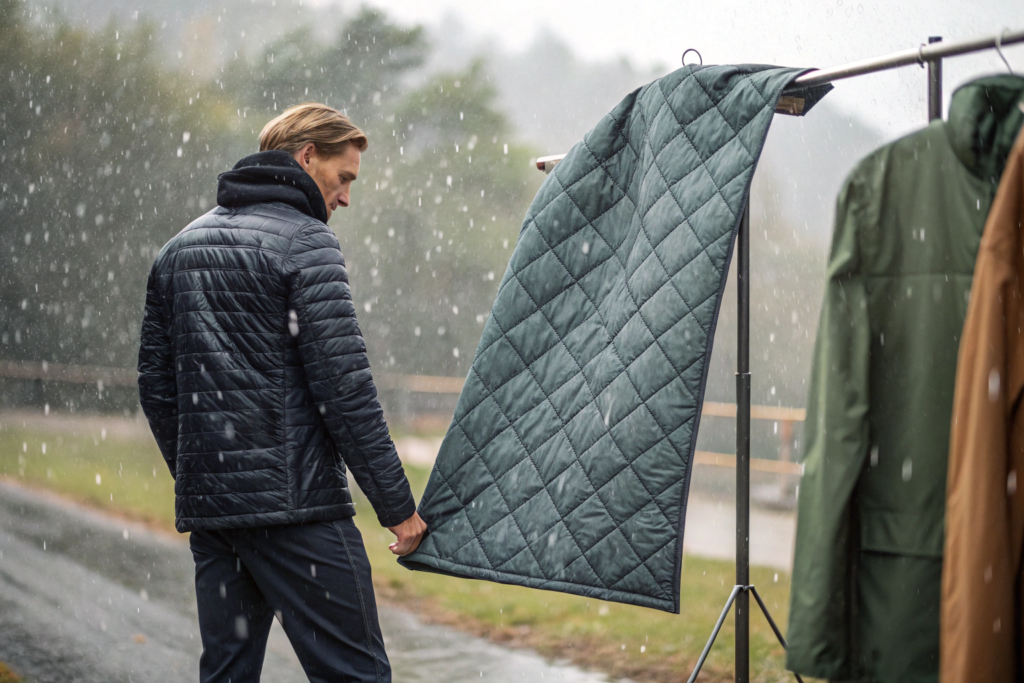
The key performant eco-friendly options for 2026 are quilted coats insulated with bio-based fills and weatherproof shells made from recycled nylon or bio-based polyester with PFC-free finishes.
These materials are not just "less bad." They are actively good in some respects. Fabrics made from recycled ocean-bound plastic or discarded fishing nets provide a tangible end-use for waste material. The technology is moving fast, and you need to know which innovations are production-ready and which are just lab samples.
How Effective Are Bio-Based Fills in Quilted Coats?
Down is a phenomenal insulator, but the ethical concerns around live-plucking and the supply chain complexity have pushed brands towards synthetics. The standard synthetic fill, however, is a petroleum product. The new alternative is a bio-based polyester fill. One we use is derived from Sorona, which is made partly from corn sugar. It performs almost identically to virgin polyester fill, with good loft, compression recovery, and warmth.
We ran a comparative trial for a Boston-based activewear brand last year. We made two identical quilted jackets, one with standard polyester fill and one with the bio-based fill. The thermal performance in lab tests was within a 5% margin. The bigger story was the marketing angle. The brand was able to state that their jacket fill was 37% plant-based, which was a unique and provable claim in their segment. They sold the coat at a $35 premium to their standard version, and it was their top seller in the outerwear category. The lesson is that performance parity plus a unique eco-story equals commercial success.
What Is the Role of Recycled Nylon in Rainwear?
A raincoat must be impermeable. Traditional waterproof coatings use fluorocarbons, which are persistent "forever chemicals." The shift in 2026 is to recycled nylon membranes with PFC-free durable water repellent finishes. The source of the nylon is often pre-consumer waste from spinning mills or post-consumer materials like discarded fishing nets.
We produced a line of packable raincoats for a sustainable travel brand using a fabric called ECONYL. This is a 100% regenerated nylon yarn. The fabric is lightweight, tear-resistant, and genuinely waterproof. The brand's whole pitch was a raincoat that saves the oceans. Every coat came with a tag explaining how many pounds of ocean waste were reclaimed for the fabric batch. This level of specific, verifiable storytelling is what moves product off the rack. The challenge in production is sealing the seams. Standard seam tape often contains PVC or other problematic plastics. We sourced a seam tape made from a recyclable polyurethane that matched the lifecycle goals of the garment. This is the level of obsessive detail a truly sustainable coat requires.
How Can You Source a Truly PFC-Free Waterproof Coat?
This is one of the toughest challenges. Many suppliers claim a coat is "PFC-free" because the DWR finish is a newer chemistry, but the membrane inside might still contain fluorocarbons. You need to ask for the test report. A genuine PFC-free coat will have a certificate from an independent lab showing no detectable perfluorinated compounds. We commission these tests ourselves before we ship to our clients.
The technology has improved significantly. The newer PFC-free DWR finishes are based on dendrimer technology, which creates a microscopic lattice of water-repelling structures. They need a bit more care. Unlike old fluorocarbon finishes that were oil-repellent, these new finishes can get fouled by body oils. The coat needs to be washed more regularly to maintain performance. This is an important care instruction that your brand must communicate clearly to the end customer. Honesty about garment care builds trust and reduces returns. I always advise our brand partners to include a care card that explains the "why" behind the washing instructions.
Conclusion
Eco-friendly women's coats in 2026 are real, verifiable, and commercially successful. They are not just a marketing slogan. The organic cotton trench offers a fully traceable, natural fiber option with GOTS-certified transparency from farm to factory. The recycled cashmere wrap coat proves that luxury and circularity can go hand in hand, creating a deep emotional connection with the conscious consumer and a high margin for the retailer. The bio-based quilted coat and the recycled nylon raincoat show that performance and sustainability are no longer a trade-off. You can have warmth, waterproofness, and a clean environmental story all in one garment.
The key for you as a retailer or brand is verification. The era of greenwashing is ending. Your customers are smart. They read labels. They research. You need a manufacturing partner who can provide the certificates, the test reports, and the transaction records that back up every single claim. At Shanghai Fumao, we have spent years building a supply chain that can deliver this level of integrity. If you are planning your sustainable outerwear collection, I invite you to reach out to our Business Director, Elaine, at elaine@fumaoclothing.com. She can share our library of certified eco-fabrics and walk you through how we can build a coat that is beautiful, profitable, and honest. Let's make something your customers can feel truly good about wearing.