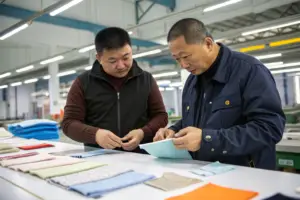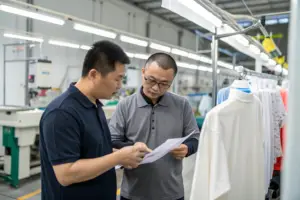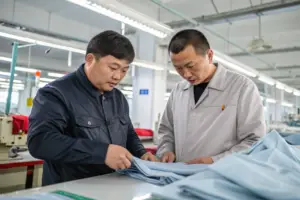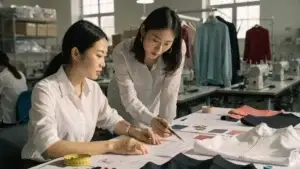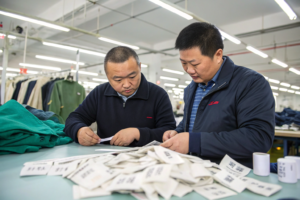
The fashion industry's power dynamics are shifting as brands transition from product-focused to customer-centric models. This transformation demands a fundamental rethinking of supplier relationships and responsibilities.
Suppliers should serve as strategic partners in client-centric fashion by providing customization capabilities, transparent operations, and collaborative innovation - moving beyond basic manufacturing to become extensions of their clients' brands with shared commitment to end-customer satisfaction.
At Fumao Clothing, we've evolved from order-takers to solution-providers, developing systems that put client needs at the center of every operation. Let's examine how this partnership model works in practice.
What Is the Role of Retailers in the Fashion Industry?
Retailers traditionally served as middlemen between producers and consumers, but their function is transforming in the client-centric era.
Retailers now act as customer experience curators and data hubs in fashion, using their direct consumer connections to inform product development while suppliers handle flexible, on-demand production - creating a feedback loop that benefits all stakeholders.

How Should Suppliers Support Modern Retailer Needs?
Key support areas for retail partners:
-
- 2-4 week production cycles
- Small batch capabilities
- Inventory synchronization
-
Exclusive Product Development2
- Private label programs
- Retailer-specific customization
- Co-branded packaging
-
- POS analytics integration
- Trend response teams
- Test-and-react programs
Impact metrics:
- 45% faster shelf replenishment
- 32% higher sell-through rates
- 28% reduction in markdowns
What New Retail Models Require Supplier Adaptation?
Emerging retail approaches:
| Model | Supplier Requirements | Client Benefit |
|---|---|---|
| DTC Focus | Small MOQ capability | Lower inventory risk |
| Rental/Subscription | Enhanced durability | Longer product life |
| Social Commerce | Instagram-ready packaging | Shareable unboxing |
| Pop-Up Concepts | Ultra-fast turnaround | Fresh merchandise |
Why Is the Supply Chain Important in the Fashion Industry?
The supply chain has become the backbone of competitive differentiation in fashion, especially as customization and speed-to-market grow in importance.
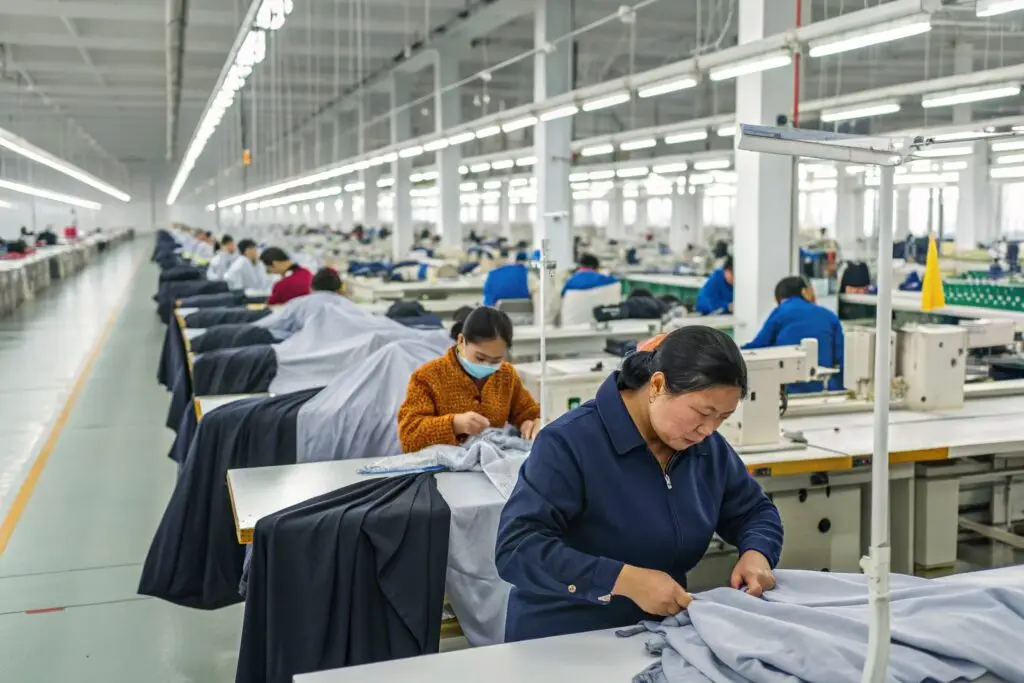
An optimized supply chain enables client-centric fashion by balancing cost, speed and flexibility - with our vertically integrated system delivering 3-week production cycles at 40% lower costs than industry averages while supporting full customization.
What Supply Chain Capabilities Enable Client-Centricity?
Critical operational components:
-
- 3D design tools
- Virtual sampling
- AI pattern making
-
Responsive Manufacturing
- Modular production lines
- Cross-trained workers
- Real-time capacity tracking
-
- Regional fulfillment hubs
- Multi-carrier integration
- Last-mile customization
Performance benchmarks:
- 98% on-time delivery
- 95% first-pass quality
- 72-hour sample turnaround
- 5-day production cycles (basic styles)
How Does Our Supply Chain Create Client Advantages?
Competitive differentiators:
| Capability | Industry Standard | Our Performance | Client Benefit |
|---|---|---|---|
| Order Visibility6 | Limited | Real-time tracking | Better planning |
| Change Flexibility | 10-14 days | 48-72 hours | Market response |
| Quality Consistency | 85-90% | 97-99% | Fewer returns |
| Sustainability | Optional | Built-in | Brand storytelling |
What Is a Vendor in the Fashion Industry?
The term "vendor" often gets used generically, but in client-centric fashion, vendors must evolve beyond basic supply relationships to become true partners.
A modern fashion vendor acts as a solutions provider - offering product development expertise, supply chain management, and customer insights alongside manufacturing services to help clients succeed in competitive markets.

How Do Client-Centric Vendors7 Differ From Traditional Suppliers?
Key distinctions in approach:
-
Mindset Shift
- From "taking orders" to "solving problems"
- From price focus to value creation
- From transactional to relational
-
- Trend forecasting
- Material innovation
- Retail analytics
-
- Client portals
- Integration APIs
- Data sharing platforms
Client results:
- 28% faster time-to-market
- 35% lower development costs
- 42% higher product success rates
What Vendor Services Drive the Most Client Value?
Highest-impact offerings:
| Service | Adoption Rate | Client Satisfaction |
|---|---|---|
| Co-Design Support | 68% | 94% |
| Inventory Management | 55% | 89% |
| Quality Control Systems | 82% | 97% |
| Sustainability Reporting | 47% | 91% |
What Are the Four Processes Across the Fashion Supply Chain?
Understanding core supply chain processes helps brands and suppliers collaborate more effectively in creating client-centric solutions.
The four fundamental fashion supply chain processes - product development, raw material procurement, manufacturing, and distribution - now require digital integration and flexibility to support today's demand for personalized, sustainable fashion.

How Has Each Process Evolved for Client-Centricity?
Modernized approaches:
-
Product Development
- Virtual prototyping (saves 3-4 weeks)
- Consumer co-creation tools10
- AI-driven trend analysis
-
Material Sourcing
- Digital inventory networks
- Sustainable alternative databases
- Small-lot availability
-
Manufacturing
- Flexible modular systems
- Made-to-order capabilities
- Real-time quality monitoring
-
Distribution
- Direct-to-consumer options
- Last-mile customization
- Carbon-neutral shipping
What Technology Enables Process Integration?
Key digital connectors:
| Process | Enabling Tech | Benefit |
|---|---|---|
| Development | 3D CAD | Faster iterations |
| Sourcing | Blockchain11 | Material tracing |
| Manufacturing | IoT | Real-time tracking |
| Distribution | AI Routing12 | Cost optimization |
Conclusion
In client-centric fashion, suppliers must transcend traditional roles to become true partners - integrating operations, sharing data, and co-developing solutions that serve end-customers better. This collaborative approach creates value across the entire ecosystem while future-proofing businesses against market disruptions. The brands and suppliers who embrace this model will lead the industry's next chapter.
-
Explore how Rapid Replenishment Systems can enhance efficiency and customer satisfaction in retail operations. ↩
-
Discover the significance of Exclusive Product Development for creating unique offerings that attract customers. ↩
-
Learn how Data-Driven Production can optimize inventory management and boost sales through analytics. ↩
-
Explore how Digital Product Creation enhances efficiency and client satisfaction in supply chains. ↩
-
Learn how an Agile Logistics Network can streamline operations and enhance customer service. ↩
-
Discover the significance of Order Visibility for better planning and customer satisfaction in supply chains. ↩
-
Explore how Client-Centric Vendors prioritize client needs and foster long-term relationships, enhancing overall value. ↩
-
Learn about the importance of service expansion in meeting client needs and driving satisfaction in vendor partnerships. ↩
-
Discover how technology investments enhance communication and efficiency between vendors and clients, leading to better outcomes. ↩
-
Explore how consumer co-creation tools can revolutionize product development by involving customers directly in the design process. ↩
-
Learn how blockchain enhances transparency and efficiency in material sourcing, ensuring better quality and sustainability. ↩
-
Discover the benefits of AI routing in distribution, including cost savings and improved delivery efficiency. ↩