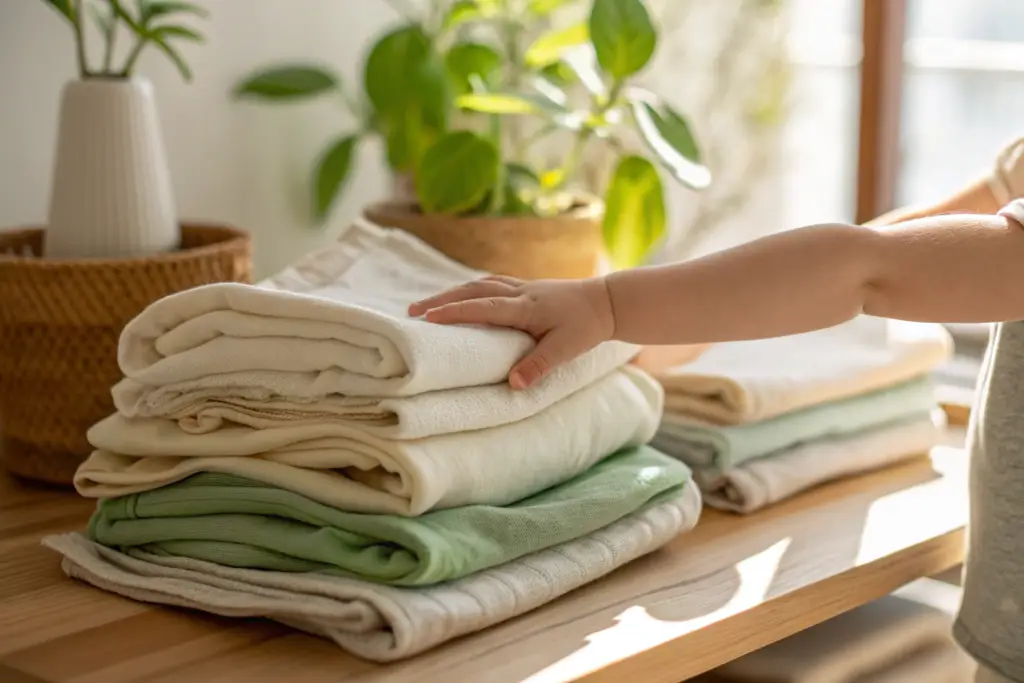
Three years ago, a young couple from Oregon approached me with an idea for a kids’ wear line. They had a beautiful brand name and a strong Instagram following of new mothers. They wanted to launch with a line of printed cotton pajamas. I showed them our standard cotton options. The price was great. The colors were vibrant. But the wife held the fabric swatch up to the light and asked a question I did not expect. "How do I know what chemicals were used to grow this cotton? My daughter has eczema. If I wouldn’t put this next to her skin for eight hours a night, I can’t sell it to another mother." She was not buying fabric. She was buying trust. And she was willing to pay a premium for it.
Organic fabrics are the top choice for new kids’ wear brands because they provide a defensible, high-value marketing narrative in a crowded market while addressing the genuine parental anxiety around skin sensitivity and chemical exposure. They allow a new brand to compete on values rather than just price.
The kids’ wear market is brutal. You are competing with giants like Carter’s and fast fashion giants. You cannot beat them on price. But you can beat them on purity. A new brand using organic cotton can charge 30-50% more than a brand using conventional cotton, and parents will pay it because they perceive it as a safer, better choice for their child. At Shanghai Fumao, we have helped several new brands navigate this transition from conventional to organic. Let me explain why this fabric choice is the smartest business decision a new kids’ wear founder can make.
How Do Organic Textiles Reduce Skin Irritation In Children?
A baby’s skin is not just smaller adult skin. It is physiologically different. It is thinner. It has a higher pH. It absorbs moisture differently. And it is more permeable to whatever it touches. This is a medical fact, not marketing fluff.
Organic textiles reduce skin irritation primarily through the absence of harsh chemical residues from pesticides, fertilizers, and finishing agents that remain in the fibers of conventionally grown cotton.
When a mother tells me her child breaks out in a rash from a new t-shirt, she is usually not allergic to the cotton fiber itself. She is reacting to the Chemical Soup left in the fabric. Let me break down what that soup contains.
What Chemical Residues Are Eliminated By GOTS Certification?
Conventional cotton farming uses a heavy load of chemicals. It is one of the most chemically intensive crops on the planet. When that cotton is turned into a onesie, traces of those chemicals can remain.
The Global Organic Textile Standard (GOTS) is the gold standard certification for organic fabrics. It prohibits the use of a long list of toxic inputs at every stage, from farm to factory.
Here is a comparison of what is allowed in conventional processing versus what is prohibited in GOTS certified processing:
| Chemical Category | Conventional Cotton (Common Usage) | GOTS Organic Cotton (Requirement) |
|---|---|---|
| Pesticides/Herbicides | Glyphosate, Aldicarb (highly toxic) | Prohibited. Only natural farming methods. |
| Heavy Metals | Found in some synthetic dyes | Strict Limits. Inputs must be screened. |
| Formaldehyde | Used in “Easy Care” / Wrinkle-Free finishes | Prohibited. No anti-wrinkle chemical finishes. |
| Chlorine Bleach | Standard whitening process | Prohibited. Oxygen-based bleach only. |
| Phthalates | Used in plastisol prints (cracked designs) | Prohibited. Water-based prints only. |
I worked with a brand that specifically marketed to parents of children with Eczema. They did a small, informal trial with 20 families. They switched the children’s sleepwear from conventional cotton to GOTS organic cotton. 14 out of 20 families reported a noticeable reduction in nighttime itching and redness within two weeks. This is anecdotal, but it is a powerful story that sells. You can find the detailed list of prohibited substances on the official GOTS website.
Why Is Fiber Purity Critical For Infant And Toddler Apparel?
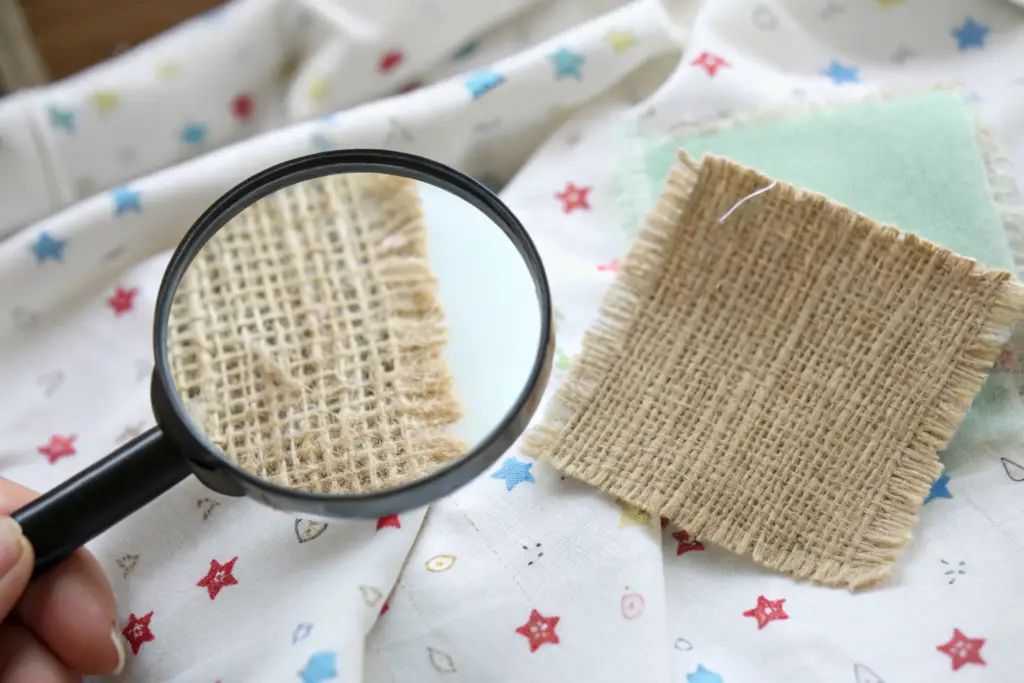
Beyond chemicals, there is the issue of the fiber itself. Organic cotton is typically Hand-Picked rather than machine-harvested. Machine harvesting is rough. It pulls the boll off the plant along with bits of leaf, stem, and dirt. This creates Contamination in the fiber.
Organic cotton, picked by hand, is cleaner. The fibers are longer and less stressed. This results in a yarn that is Softer and Stronger. It pills less. It feels better against the cheek of a sleeping baby.
I tell new brands to do the “Cheek Test.” Take a swatch of conventional cotton and rub it hard against your cheek. Then do the same with organic cotton. You will feel the difference. Organic is smoother. It is less abrasive. For a newborn with delicate skin, that smoothness matters.
Furthermore, we use Oeko-Tex Standard 100 certified dyes for our organic lines. This ensures that even the color on the fabric is free from harmful levels of regulated substances. It is an extra layer of assurance. You can learn more about textile safety for children from the Consumer Product Safety Commission (CPSC) guidelines on children’s sleepwear.
What Are The True Production Costs Of Organic Kidswear?
Let’s talk about the elephant in the room. Money. Every new brand owner looks at the price sheet for organic cotton and flinches. It is more expensive. There is no way around it. But the conversation should not stop at “It costs more.” It should continue with “And here is what that cost buys you.”
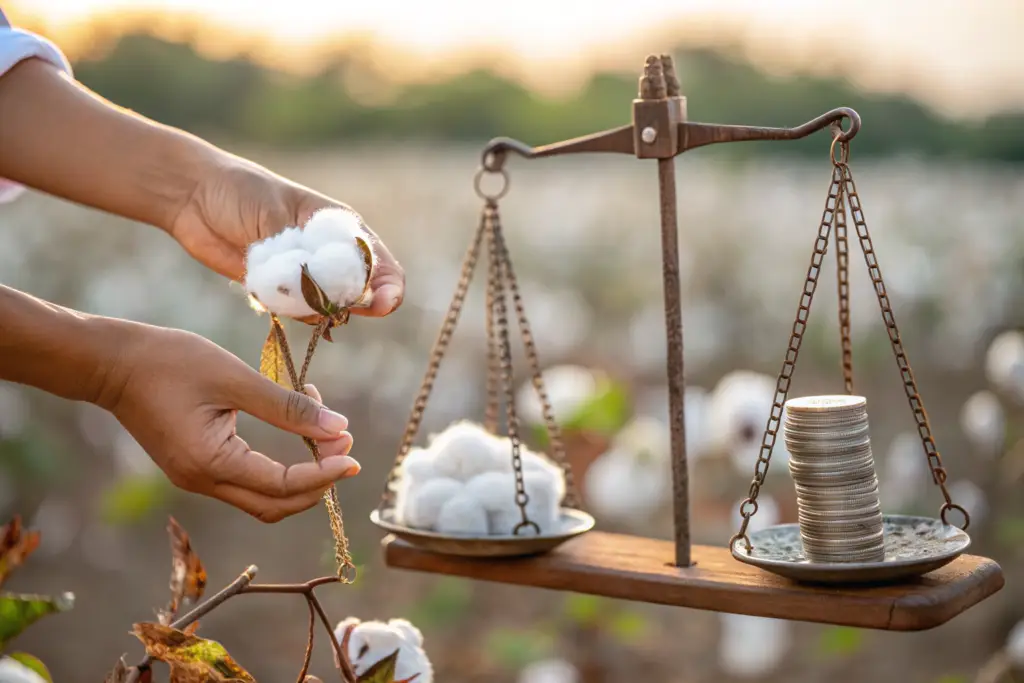
The true cost of organic kidswear is not just in the raw cotton price. It is in the certification fees, the segregated supply chain, and the lower production speeds required for natural dyes and finishes.
Understanding this cost structure allows you to price your product correctly and explain the value to retailers and parents. Let’s look at the two main cost drivers beyond the farm gate.
How Does GOTS Certification Add To The Manufacturing Expense?
GOTS certification is not a one-time fee. It is an annual process that requires auditing of every step in the supply chain. This includes the farm, the ginning mill, the spinning mill, the knitting mill, and the cut-and-sew factory.
At Shanghai Fumao, we maintain a GOTS Scope Certificate. This means an independent third-party auditor visits our facility every year. They check our incoming organic fabric invoices. They check our storage procedures to ensure organic fabric is not mixed with conventional fabric. They check our cleaning products.
This audit costs us several thousand dollars annually. That cost is amortized across every organic garment we produce. It adds roughly $0.15 to $0.25 per garment just in compliance overhead.
But that overhead buys you the right to use the GOTS logo on your hangtag. That logo is a shortcut to trust. It tells the parent, “An independent expert has verified this.” For a new brand with no reputation, that logo is worth its weight in gold. It is the difference between a skeptical parent putting the item back on the rack and clicking “Add to Cart.” You can read more about the certification process on the GOTS website.
Why Is The Yield And Lead Time Different For Organic Fabrics?
This is a hidden cost that catches new brands off guard. You cannot just call up a mill and order 5,000 yards of GOTS organic jersey for delivery next week. The supply chain is smaller and slower.
Here is the reality of organic fabric sourcing versus conventional based on our mill partnerships:
| Sourcing Metric | Conventional Cotton Fabric | GOTS Organic Cotton Fabric |
|---|---|---|
| Availability | High. Mills keep large greige stock. | Low. Most dyed-to-order. |
| Lead Time (Greige) | 1-2 weeks | 3-4 weeks |
| Dyeing Lead Time | 2-3 weeks | 4-5 weeks (segregated dye vessels) |
| Minimum Order Quantity | 500 yards/color | 800-1,000 yards/color |
| Color Consistency | High (chemical fixes) | Moderate (natural variations) |
I had a kids’ brand that was used to the speed of conventional manufacturing. They placed an organic order with a 6-week delivery expectation. We had to explain that the fabric alone would take 7 weeks to knit and dye. They missed their launch window by a month.
The key is planning. We advise organic brands to Pre-Book Fabric Capacity 90-120 days before they need cut parts. This requires more working capital and better forecasting. It is a different way of managing cash flow. But it is the only way to ensure you have the certified fabric you need when you need it. For more on textile lead times, the International Textile Manufacturers Federation publishes industry reports.
How To Market Organic Apparel To Modern Millennial Parents?
You can have the purest organic cotton in the world. If you market it wrong, it will sit on the shelf. You cannot just say “Made with Organic Cotton” in size 8 font on the care label. That is a wasted asset.
Marketing organic apparel to millennial parents requires storytelling that focuses on safety, durability, and long-term value rather than just eco-guilt. It is about connecting the fabric choice to the child’s immediate well-being.
Millennial parents are savvy. They research. They read reviews. They want to know the “Why” behind the price tag. Here is how to give it to them.

Why Does “Cost Per Wear” Resonate With Value-Conscious Buyers?
Organic cotton garments hold up better. This is not just marketing. The longer staple fibers mean the fabric resists pilling and tearing longer than cheap, short-staple conventional cotton.
I always tell new brands to shift the conversation from “Price Per Item” to “Cost Per Wear.”
Let’s do the math for a pair of kids’ leggings:
- Fast Fashion Legging: $8.00 retail. Survives 15 washes before it fades, pills, and loses shape. Cost per wear: $0.53.
- Organic Cotton Legging: $18.00 retail. Survives 40 washes with good color and shape retention. Cost per wear: $0.45.
The organic legging is actually cheaper over its useful life. And that is before you factor in the resale value. Organic kids’ brands hold their value much better on secondary markets like Poshmark or Kidizen.
One of our client brands uses this exact math in their Instagram Stories. They show a video of a cheap legging after 10 washes next to their organic legging after 30 washes. The visual difference is dramatic. That sells more units than any certificate ever could. You can find more on consumer behavior trends from McKinsey & Company.
How Does Traceability Create A Unique Selling Proposition?
This is the next frontier. GOTS certification is the baseline. Traceability is the premium.
Modern parents want to know the story. They want to know the farm. We are seeing a rise in brands using QR Code Hangtags. The parent scans the code with their phone. It takes them to a landing page that shows:
- A photo of the organic cotton field in India or Turkey.
- A photo of the spinning mill.
- A short video of our cutting floor in Shanghai.
I helped one of our kids’ wear clients set this up. They reported that the average time spent on their “Our Process” page jumped from 12 seconds to 45 seconds. More importantly, their Conversion Rate for first-time visitors who clicked that QR code was 22% higher than those who did not.
Traceability turns a commodity (a t-shirt) into a relationship. It tells the parent: “We know exactly where this came from, and we are proud to show you.” This level of transparency is what builds the brand loyalty that new labels desperately need. At Shanghai Fumao, we provide the photo and video assets to support this storytelling.
What Certifications Should A Kids Wear Brand Prioritize First?
Walking into the world of certifications can feel like alphabet soup. GOTS, OEKO-TEX, BCI, Fair Trade, GRS. It is overwhelming for a new founder. You cannot afford to get all of them at once. You need to prioritize.
For a new kids’ wear brand, the first and most critical certification is GOTS (Global Organic Textile Standard). It covers both the organic origin of the fiber AND the safety of the processing chemicals. Oeko-Tex Standard 100 is a close second for non-organic lines.
Here is a practical roadmap for navigating this.
Is OEKO-TEX Standard 100 Sufficient If GOTS Is Too Expensive?
Sometimes a brand wants to move toward organic but the MOQs or lead times for GOTS fabric are just too restrictive for their first season. What then?
OEKO-TEX Standard 100 is an excellent alternative starting point. It is a safety certification. It tests the finished garment for harmful substances. It guarantees that every component—thread, buttons, zipper, print—is harmless to human health.
The difference is this: OEKO-TEX tells you the shirt is safe to wear. GOTS tells you the shirt is safe to wear AND made sustainably from organic fibers.
For a brand on a budget, starting with OEKO-TEX certified conventional cotton is a smart move. It gives you a credible safety story while you build the volume needed to afford GOTS. You can say, “Every item is OEKO-TEX Standard 100 certified, so you know it is gentle on sensitive skin.”
I advise brands to list the certification number on their website. You can verify any OEKO-TEX certificate online using the OEKO-TEX Label Check tool. This prevents “greenwashing” and gives the parent confidence.
Why Is The “Made In” Label Legally Distinct From Organic Claims?
This is a common point of confusion. “Made in USA” or “Made in China” refers to the country where the garment was Cut and Sewn. It has nothing to do with where the Fiber was Grown.
You can have a GOTS certified organic cotton shirt that was grown in India, spun in Pakistan, knitted in China, and sewn in China. The label must say “Made in China” (the place of assembly). The hangtag can say “Made with Organic Cotton from India.”
You must be careful with your marketing language. You cannot say “Organic Made in USA” unless the fabric was also woven or knit in the USA. That is a violation of FTC guidelines.
We ensure all our care labels and invoices comply with these FTC Textile Rules. The fiber content disclosure must be accurate (e.g., “100% Organic Cotton”). The country of origin must be clear. This protects the brand from legal challenges down the road. You can review the specific requirements on the Federal Trade Commission Threading Your Way guide.
Conclusion
Organic fabrics are not just a trend for new kids’ wear brands. They are a strategic business advantage. They provide a clear, credible answer to the number one question every parent has: “Is this safe for my child?” By removing the chemical residues and using cleaner processing, organic cotton directly addresses skin sensitivity issues that plague conventional baby clothes.
The higher cost of organic production is real, but it is offset by the ability to command a higher retail price and build a more durable, loyal customer base. Parents who buy organic are not just buying a onesie. They are buying into a value system of health, sustainability, and transparency. They are the kind of customers who leave five-star reviews and tell their friends.
For a new brand, leveraging certifications like GOTS and OEKO-TEX is the fastest way to build trust without having years of reputation behind you. And by using smart marketing around “Cost Per Wear” and traceability, you can justify the premium price point and turn a simple t-shirt into a story worth sharing.
If you are building a kids’ wear brand and want to differentiate yourself with high-quality, certified organic fabrics, let’s talk about the options. At Shanghai Fumao, we have the supply chain and the certifications to support your vision. Reach out to our Business Director, Elaine, at elaine@fumaoclothing.com. She can send you our organic fabric swatch book and current GOTS certificate. Let’s make clothes that mothers feel good about putting on their children.