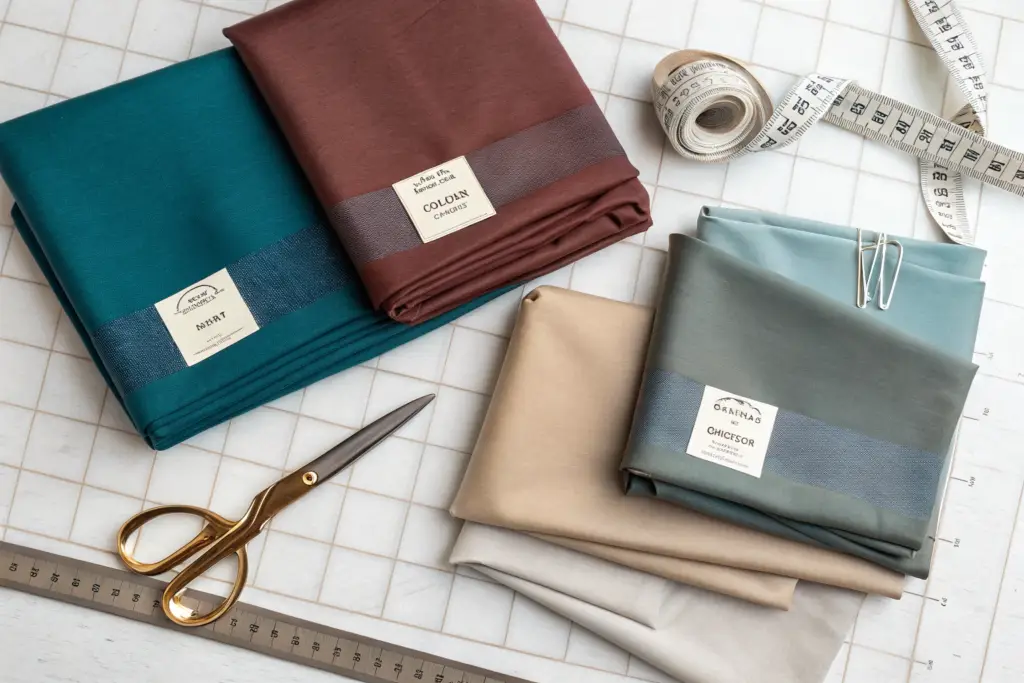
You have decided that the CMT (Cut, Make, Trim) model is right for your brand. You are excited to take control of your fabric sourcing. But now you face a new question: Which fabrics should I actually source for CMT? Are some materials better suited for this model than others? You do not want to go through all the effort of sourcing a material, only to have it be a nightmare to manufacture or unsuitable for your design. A brand owner told me, "I realized CMT gave me the freedom to use any fabric in the world. But that freedom was also overwhelming. I needed to know which fabrics would actually work best."
The "best" fabrics for CMT clothing manufacturing are those that justify the brand's extra effort of direct sourcing. This typically falls into three categories: 1) Premium and Luxury Fabrics (Italian wool, silk, high-end linen) where direct sourcing captures significant margin, 2) Unique and Rare Fabrics (deadstock, artisan textiles, small-batch prints) that are inaccessible through standard full-package supply chains, and 3) Certified Sustainable Fabrics (GOTS, GRS) where direct sourcing provides essential transparency and chain-of-custody control.
At Shanghai Fumao, our CMT services are designed to handle these special materials with the expert care they require. We guide our B2B partners on not just where to source, but what to source to make their CMT investment worthwhile. Let me share the categories of fabrics that are perfectly suited for the CMT model and will help you maximize the value and uniqueness of your private label collection.
Why Are Premium and Luxury Fabrics Ideal for the CMT Model?
The CMT model requires effort. You are taking on the work of sourcing, financing, and logistics. This effort is most justified when the material you are sourcing is a significant differentiator for your brand or represents a major cost center. Premium and luxury fabrics fit this description perfectly. They are the materials where the factory's markup in a Full-Package model would be the highest, and where having a direct, transparent relationship with the mill is most valuable.
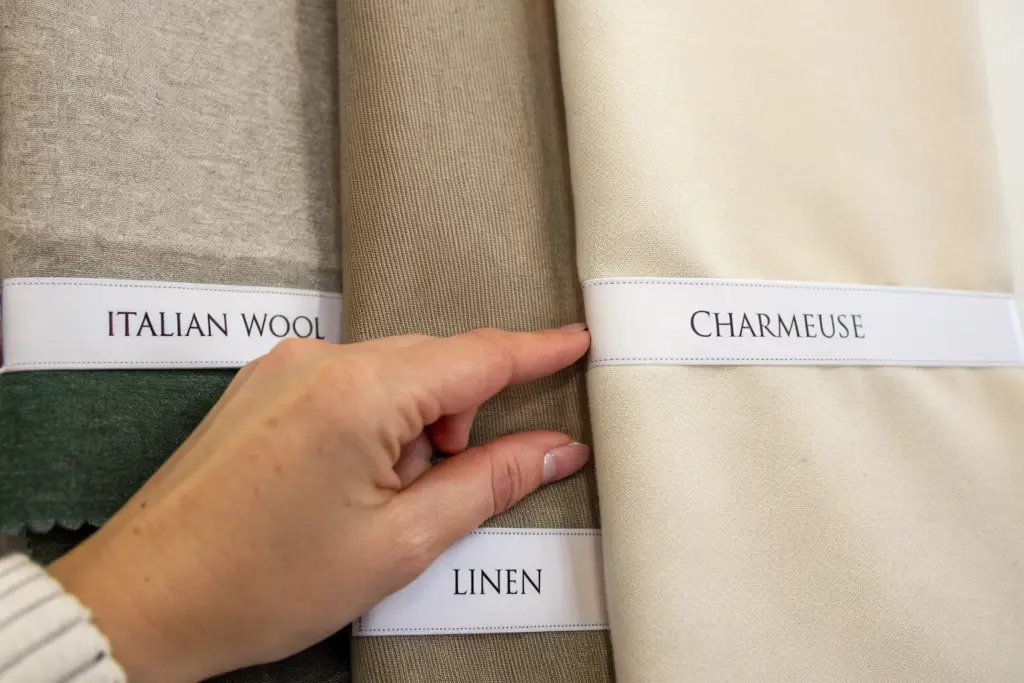
Premium and luxury fabrics are ideal for CMT because the brand can capture the significant margin that would otherwise go to a full-package factory's material markup. Sourcing a $40/yard Italian wool directly allows for substantial cost savings or margin improvement. Furthermore, these high-value materials require specialized handling during manufacturing, and a CMT arrangement allows the brand to select a factory, like Fumao, with proven expertise in managing delicate and expensive fabrics.
A men's wear client of mine designs a small collection of tailored outerwear each season. He sources his wool coating directly from a renowned mill in Italy. Under a Full-Package model, the factory would have added a 15-20% markup on that expensive fabric, costing him thousands of extra dollars. By sourcing it himself for CMT, he captures that margin. He also has the peace of mind of knowing his precious, expensive fabric is being cut and sewn by our specialized outerwear team, who use the right equipment and techniques to handle it flawlessly. He would never entrust this material to a generalist factory. This is the perfect synergy of premium material and expert CMT manufacturing .
How Does Direct Sourcing of Expensive Fabrics Improve Your Margins?
The math is simple. A Full-Package factory typically marks up materials by 10-25%. On a fabric that costs $30/yard, that is a $3.00 to $7.50 per yard markup. By sourcing it directly, you eliminate that intermediary cost. While you take on the logistics and financing, the savings on high-cost materials can be substantial, directly improving your profit per unit. This is the primary financial driver for using CMT with premium fabrics. This is the core of our cost-effective CMT offering.
What Specialized Handling Do These Fabrics Require?
Luxury fabrics are unforgiving. A mistake in cutting or sewing can ruin an expensive length of material. They require:
- Precision Cutting: Often on specialized, tension-free tables.
- Expert Sewing: Using the correct needles, thread, and machine feet (e.g., walking foot for wool, fine needles for silk).
- Gentle Handling: To prevent snags, pulls, and marks.
- Proper Finishing: Using the right pressing techniques (e.g., needle board for velvet).
This is why brands choose a CMT partner like Fumao, who has the proven expertise and dedicated lines for these premium materials .
How Does CMT Unlock the Use of Unique, Rare, and Deadstock Fabrics?
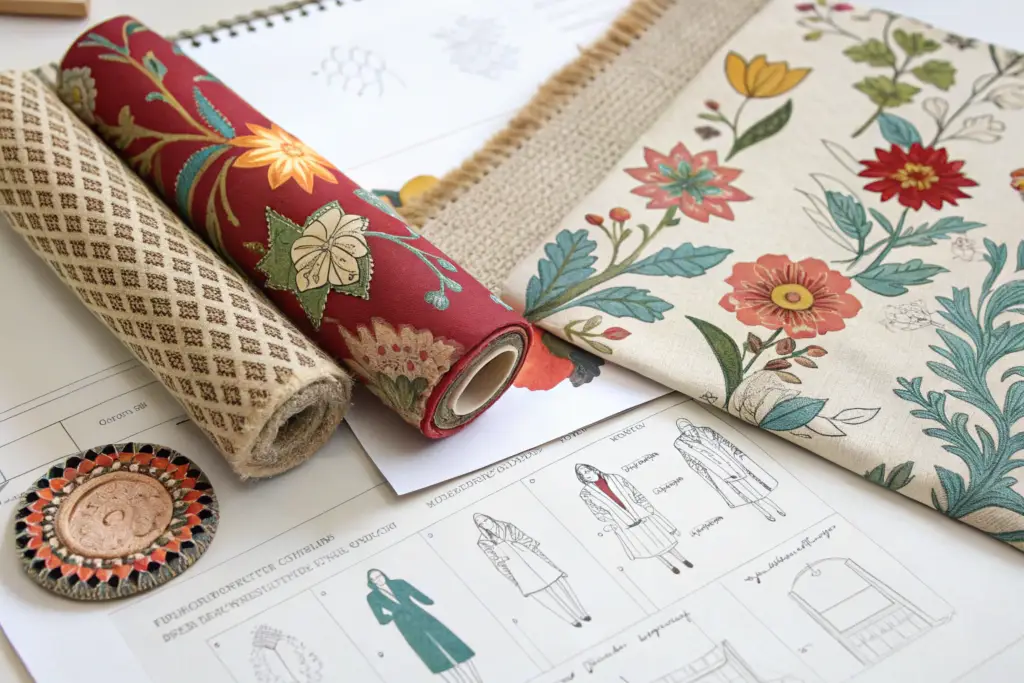
One of the most exciting creative advantages of the CMT model is the freedom it gives you to use fabrics that a traditional full-package factory could never access. This is the realm of deadstock, artisan textiles, small-batch prints, and unique, handcrafted materials. These are the fabrics that give a collection its soul, its uniqueness, and its powerful story. CMT is the key that unlocks this world.
CMT unlocks the world of unique and deadstock fabrics because it removes the factory's standardized sourcing network as a constraint. You, the brand, are the sourcing agent. You can scour deadstock jobbers for incredible vintage prints, partner with artisan weavers for small-batch textiles, or work with a small print studio for a custom run of 50 yards. A flexible CMT factory can then expertly handle these small, unique quantities, turning your rare finds into beautiful, limited-edition garments.
A women's wear designer I work with has built her entire brand identity around using exquisite deadstock designer silks and vintage wools. She finds these treasures from jobbers in Italy and New York. No two collections are ever the same. A full-package factory could never work with her unpredictable, small-yardage supply chain. Our CMT model is the perfect fit. She ships us her finds, and our team carefully cuts and sews them into beautiful, one-of-a-kind pieces. The story of the fabric—its history, its rarity—is the story of her brand. CMT makes that story possible. This is the power of the model for creative and sustainable brands .
What Are the Best Sources for Finding Deadstock and Artisan Fabrics?
This is a skill in itself. Great sources include:
- Online Deadstock Marketplaces: Queen of Raw, Amo Threads.
- Jobbers in Fashion Capitals: Companies in Italy (Prato region) and New York that buy and sell surplus designer fabrics.
- Direct from Artisans: Building relationships with small weaving cooperatives or hand-printers.
This sourcing journey is part of the creative process and the brand's unique story. We support our clients by expertly handling whatever treasures they find. This is a key part of our flexible CMT service .
How Do You Manage the Unpredictable Yardage of Deadstock?
This is a key challenge. You must design with flexibility in mind. You might find 60 yards of an incredible print. That dictates a small, limited-edition run. You must be prepared to create a capsule collection around the fabric you find, rather than trying to find fabric for a pre-planned large collection. It requires a more agile and creative approach to design and inventory. Our small-batch production capabilities are perfectly aligned with this model.
Why Is CMT the Preferred Model for Certified Sustainable Fabrics?
If your brand's core promise is sustainability, simply trusting a full-package factory's claim about "organic cotton" is a significant risk. You need verifiable proof and an unbroken chain of custody. You need the Transaction Certificates (TCs) . The CMT model is the most direct and transparent way to build a credible, certified sustainable supply chain. It puts you in control of the documentation.
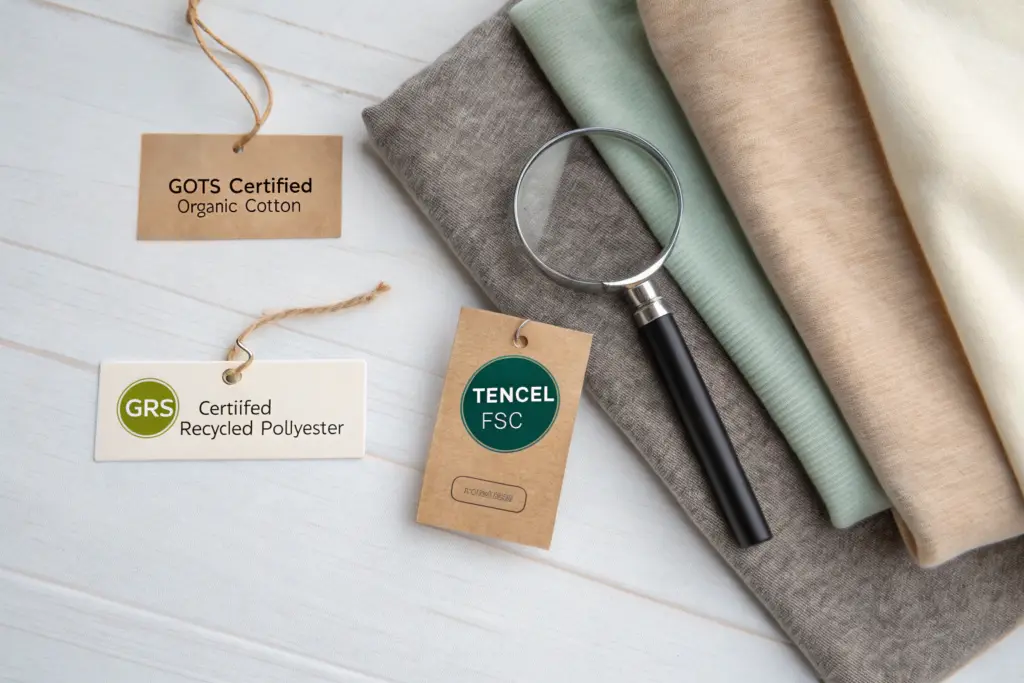
CMT is the preferred model for certified sustainable fabrics like GOTS and GRS because it provides an unbroken, brand-owned chain of custody. You purchase the certified fabric directly from the certified mill and receive the Transaction Certificate (TC). You ship the fabric to a certified CMT factory like Fumao. We handle it according to certified protocols and issue the final TC. You have a complete, auditable paper trail from field to finished garment, which is essential for credible green marketing and regulatory compliance.
A sustainable kids' wear brand we partner with chose CMT for this exact reason. They source their GOTS-certified organic cotton directly from a specific mill in India. They receive the Transaction Certificate (TC) from the mill. They ship the fabric to us. Because Fumao is also GOTS-certified, we can handle the material according to the strict protocols and issue the final TC for the finished garments. The brand now has a perfect, unbroken chain of certified custody. They use this documentation to back up every "organic" claim they make. This level of transparency and verification is impossible to achieve in a standard, opaque Full-Package model. This is why CMT is essential for credible sustainable fashion .
What Is the Importance of a "Transaction Certificate" (TC) in CMT?
The Transaction Certificate (TC) is the official passport for certified materials. It is the legal document that tracks the volume of certified fabric as it moves from the farm to the mill to the factory. In a CMT model, you own the direct relationship with the mill and receive the TC directly. Our role as a certified factory is to handle it correctly and issue the final TC to you. This complete, unbroken paper trail is your proof of authenticity. This is a core part of our certified CMT handling .
How Does Being a GOTS-Certified Factory Benefit CMT Clients?
If you are using GOTS-certified fabric, your CMT factory must also be GOTS-certified to maintain the integrity of the chain of custody and issue a final TC. Fumao is a GOTS-certified facility. This means we have been audited and approved to handle certified organic materials. This certification allows our CMT clients to complete their sustainable supply chain with a fully compliant manufacturing partner. This is a critical value-add for sustainable brands .
How Does Fumao's Expertise Guide You to the Perfect CMT Fabric?
The freedom of CMT is exhilarating, but it can also be overwhelming. You have the entire world of textiles at your fingertips. How do you choose? Our role is to act as your expert guide. We help you narrow down the options based on your design, your budget, your sustainability goals, and our deep knowledge of how different fabrics perform during the manufacturing process.
Fumao guides clients to the perfect CMT fabric by combining our deep manufacturing expertise with a curated, consultative approach. We listen to your vision and your needs. We can advise on the suitability of a particular fabric for your specific design, warn you about potential manufacturing challenges, and connect you with our network of trusted mills and suppliers. We help you navigate the vast world of textiles to find materials that will not only look beautiful but also sew beautifully and perform perfectly.
A new brand founder came to us wanting to use a beautiful, but very loosely woven, hand-loomed wool she had found for a tailored blazer. She loved the texture. Before she purchased it, we advised her that its loose weave would make it very difficult to sew and prone to seam slippage. We suggested a similar, more stable wool tweed from a mill we trusted. She found a color she loved, and the resulting blazers were a huge success. She avoided a costly mistake because of our upfront guidance. This is the value of a manufacturing partner who understands the behavior of fabrics. This is the expertise we bring to every CMT partnership .

What Questions Should You Ask Yourself Before Sourcing a Fabric for CMT?
We guide our clients through a simple checklist:
- Design Suitability: Does this fabric's weight and drape match the silhouette of my garment?
- Manufacturability: Is this fabric known to be difficult to sew (e.g., very slippery, very stretchy, loosely woven)?
- Care Requirements: Does this fabric require special care (e.g., dry clean only) that aligns with my customer's expectations?
- Minimums and Lead Times: Can I meet the mill's MOQ and lead time?
Answering these questions upfront prevents costly mistakes and ensures a smooth CMT production run.
How Can We Help You Vet a New or Unfamiliar Fabric Supplier?
If you are considering a new mill, we can often provide insights based on our industry experience. We can also perform a thorough Incoming Inspection on a sample yardage you send us, checking for weight, shrinkage, colorfastness, and overall quality before you commit to a bulk order. We act as your on-the-ground quality control partner. This is a key part of our risk mitigation for CMT .
Conclusion
The best fabrics for CMT clothing manufacturing are those that justify the brand's investment of time and effort in direct sourcing. They are the premium wools and silks where you capture significant margin, the unique deadstock and artisan textiles that tell an irreplaceable story, and the certified sustainable materials where transparency is paramount. These are the materials that elevate a collection and define a brand.
At Shanghai Fumao, we are experts in handling these special fabrics. We provide not just the manufacturing execution, but the expert guidance to help you navigate the world of CMT sourcing and choose materials that will make your collection exceptional. We are the partner that helps you turn your unique material vision into a beautiful, well-crafted reality.
If you are ready to explore the creative and financial possibilities of sourcing your own fabrics, let's talk. Our Business Director, Elaine, can discuss your vision and help you find the perfect materials for your CMT project. Please email Elaine at: elaine@fumaoclothing.com.