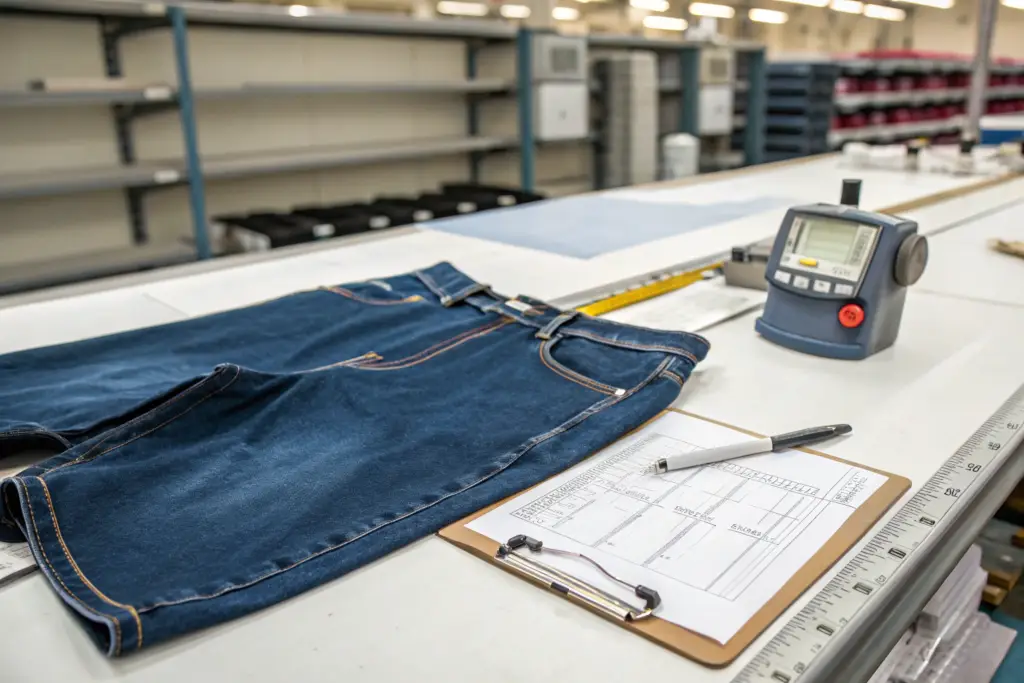
I lost a client once. This was about eight years ago, before I founded Shanghai Fumao. I was working as a production manager for a mid-sized factory, and we had a denim shorts program for a Chicago-based brand. The first batch was beautiful. Tight stitching, clean wash, perfect measurements. The brand owner was thrilled. He placed a reorder for 8,000 units. The second batch arrived, and the waistbands ran half an inch small across the entire size run. The fabric was the same spec from the same mill, but it shrank differently during the wash. Nobody had tested the second batch of fabric before cutting. The brand owner absorbed $40,000 in returns and chargebacks from his retail accounts. He never ordered from us again. I didn't blame him. I blamed the system, or rather the absence of one. That experience burned into my memory. When I started my own factory, I made a promise to myself: consistency would not be an aspiration. It would be a measurable, auditable, non-negotiable operating standard. I'm Richard, the owner of Shanghai Fumao. This article is about how I keep that promise.
What Quality Control Checks Do We Run on Every Production Batch?
Most factories talk about quality control as a final gate. A tired inspector at the end of the line, squinting at finished shorts under harsh fluorescent light, separating the acceptable from the rejected. That's not quality control. That's damage triage. By the time a defect reaches the end of the line, the cost of the fabric, the labor, and the wash have already been sunk into the garment. Rejecting it at that point is a loss. Passing it is a risk. Neither outcome is good. True quality control happens upstream, at the point of origin, before the defect is embedded in the product.
At Shanghai Fumao, we run four distinct layers of quality control on every production batch, and none of them is the final inspection. The final inspection is the fifth layer, and if the first four layers are doing their jobs, the final inspection should be almost boring.
The first layer is incoming material inspection. Every roll of denim that enters our warehouse goes through a series of tests before it's released to the cutting room. I'll describe these tests in detail in the next section. The point is that we don't trust a mill certificate. We verify the fabric ourselves.
The second layer is inline inspection during cutting and sewing. A QC inspector is stationed on the cutting room floor, checking the spread tension, the cut edge quality, and the panel dimensions against the pattern spec. Another inspector roams the sewing lines, stopping at critical operation checkpoints—pocket attachment, zipper fly installation, waistband joining—and pulling random bundles for measurement. If a defect is found at the checkpoint, the bundle is returned to the operator for immediate rework. The defect never progresses to the next operation.
The third layer is the wash process control. The wash house technician monitors the chemical concentrations, water temperature, cycle times, and drying parameters for every batch. A pre-wash sample from each batch is checked against the approved wash reference under calibrated lighting. If the shade or the texture deviates, the batch is adjusted before the full run proceeds.
The fourth layer is the pre-final audit. Before the shorts move to finishing for button attachment and pressing, a senior QC inspector pulls a random sample from the batch and conducts a mini AQL inspection. This is the last chance to catch systemic defects—a pattern of twisted side seams, a recurring zipper issue, a wash inconsistency—before the shorts are finished and packed. If the pre-final audit fails, the batch is held, the root cause is identified, and corrective action is taken on the line.
The fifth and final layer is the formal AQL final inspection, conducted after the shorts are fully finished and packed into cartons. This is the inspection that determines whether the batch ships or is held for rework. An inspector pulls cartons at random according to the AQL sampling plan, inspects each short for visual defects and measurement compliance, and records the results. If the batch passes, it ships. If it fails, it's 100% re-inspected and reworked at our cost.
This five-layer system is not cheap. It requires dedicated QC personnel, testing equipment, and a culture that empowers inspectors to stop production when they find a problem. A factory that views QC as a cost center will never invest in this system. They'll run a single final inspection, ship whatever passes, and hope the client doesn't notice the defects. I view QC as a retention investment. Every defect I catch before it ships is a client relationship I preserve.
How Does Fabric Testing Before Cutting Prevent Shrinkage Surprises?
Fabric shrinkage is the silent killer of denim quality consistency. Two rolls of denim from the same mill, woven on different days, from different cotton bales, can shrink at different rates. If you assume a standard shrinkage allowance and cut every roll the same way, you will produce shorts that fit differently after washing. The customer who buys a size 32 that fits like a 31 is a customer who returns the product and leaves a one-star review.
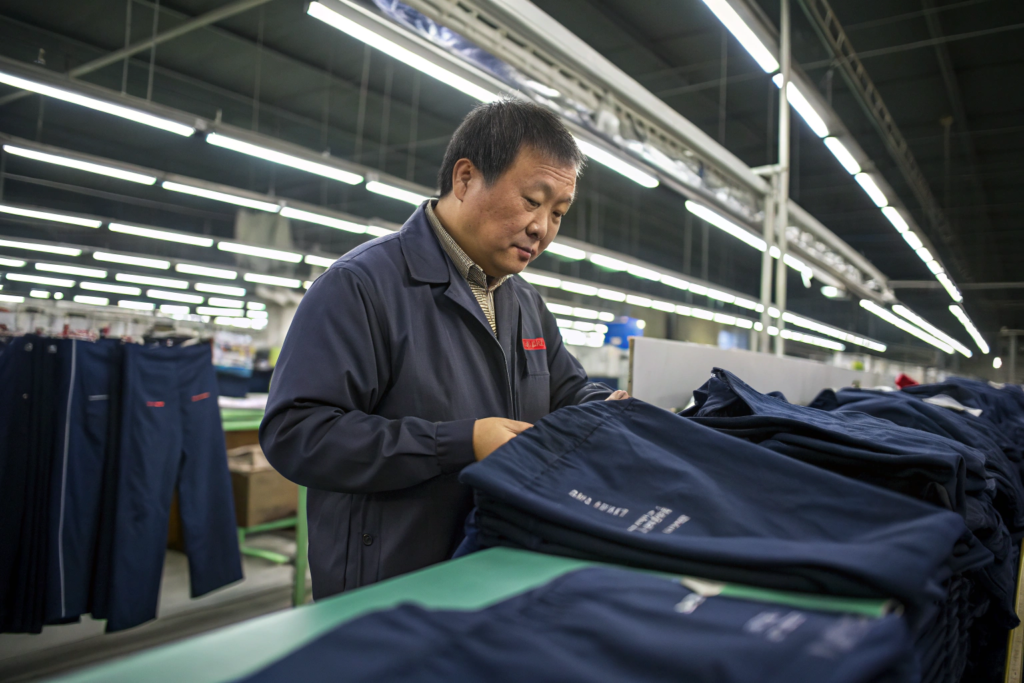
Our fabric testing protocol begins the moment a denim roll enters our warehouse. Every single roll is assigned a unique barcode. A sample is cut from the end of the roll—a square of fabric precisely measured at 50 centimeters by 50 centimeters. The sample goes into our testing lab, where it's washed in a standardized cycle that simulates one home laundry wash. The sample is dried flat and re-measured. The shrinkage percentage is calculated for both warp and weft directions. The result is logged in our system against the roll barcode.
If the shrinkage is within our expected tolerance—typically 2% to 4% for a standard denim—the roll is released to the cutting room with the shrinkage percentage noted. The CAD marker is adjusted slightly to compensate for the specific shrinkage of that roll. If the shrinkage exceeds the tolerance, the roll is flagged and set aside. We either return it to the mill, negotiate a discount for the client if they're willing to accept a slightly adjusted spec, or use it for a different style where the shrinkage is less critical.
I invested in our own in-house fabric testing lab six years ago. Before that, we sent samples to a third-party lab, and the turnaround was three to five days. That delay meant we couldn't test every roll; we tested a sample from each batch and hoped the rolls were consistent. They often weren't. The in-house lab allows us to test every roll and get results within hours. The cost of the lab equipment and the technician salary is significant—about $15,000 in initial setup and an ongoing cost of roughly $1,200 per month. The cost of the shrinkage-related returns we've eliminated is much larger. The lab paid for itself within the first year.
Why Is Inline Inspection More Reliable Than Final Inspection Alone?
A final inspection catches defects after they've happened. An inline inspection prevents them from happening. The distinction is simple, and the implications for quality consistency are profound.
Imagine a sewing line producing 2,000 pairs of shorts. On operation 12, the zipper fly attachment, one operator's machine goes slightly out of tension. The zipper is being sewn with a subtle wave. Not enough to be a critical defect, but enough to be a major one. In a final-inspection-only system, that operator runs 200 pairs through the defective machine before the end of the shift. The final inspector, sampling 125 pieces from the 2,000-unit batch according to AQL, might catch 3 or 4 of the wavy zippers. The batch passes the AQL, but 196 pairs with wavy zippers ship to the customer. The customer finds them, returns them, and loses faith in the brand.
In our inline inspection system, the QC inspector stationed at the post-fly checkpoint catches the wavy zipper on the first piece. They stop the operator, call the mechanic, and the machine tension is corrected within five minutes. One defective pair was produced, not 200. The pair is reworked immediately. The line continues with the corrected setting. The quality of the batch is protected at the source.
Our inline inspectors follow a structured checkpoint schedule. The denim shorts production line has five mandatory inline checkpoints: after front pocket assembly, after zipper fly installation, after side seam and inseam closing, after waistband attachment, and after hemming. At each checkpoint, the inspector pulls a defined percentage of the bundles passing through that station and checks the critical measurements and seam integrity for that specific operation. The data from each checkpoint is recorded and reviewed daily.
The inline inspection data also serves as an early warning system for production issues. If the defect rate at the waistband checkpoint spikes from the usual 1.5% to 4% on a Tuesday morning, we know something changed. Maybe a new operator started on that station. Maybe the fabric batch is behaving differently under the folder. Maybe the machine timing drifted. The data triggers an investigation that identifies the root cause before it affects hundreds of units. A final inspection data set can only tell you that you had a problem. An inline inspection data set tells you you're starting to have a problem, right now, and gives you the chance to fix it.
How Do We Maintain Color Consistency Across Different Fabric Dye Lots?
Color consistency is the most visible quality attribute of a denim short. The customer sees the color before they see the fit, the stitching, or the hardware. If the color of the shorts on the retail shelf doesn't match the color of the shorts in the online product photo, the customer feels deceived. If the color of the reorder doesn't match the color of the initial order, the retail buyer feels betrayed. Color inconsistency is a trust killer.
Denim dyeing is inherently variable. The indigo dye attaches to the surface of the cotton yarn in a ring-dyeing process. The depth of the shade depends on the number of dye dips, the concentration of the dye bath, the pH of the solution, the tension of the yarn, and the temperature of the drying cylinders. A mill running 5,000 yards of denim will have shade variation from the beginning of the run to the end. That's normal. The question is how the factory manages that variation so the finished shorts look consistent to the human eye.
At Shanghai Fumao, we use a combination of instrumental color measurement and human visual assessment to maintain color consistency. The instrumental measurement is objective and repeatable. The human assessment catches the subtleties that instruments miss—the way a color shifts under different lighting conditions, the way the texture of the fabric affects the perceived depth. Both are necessary.
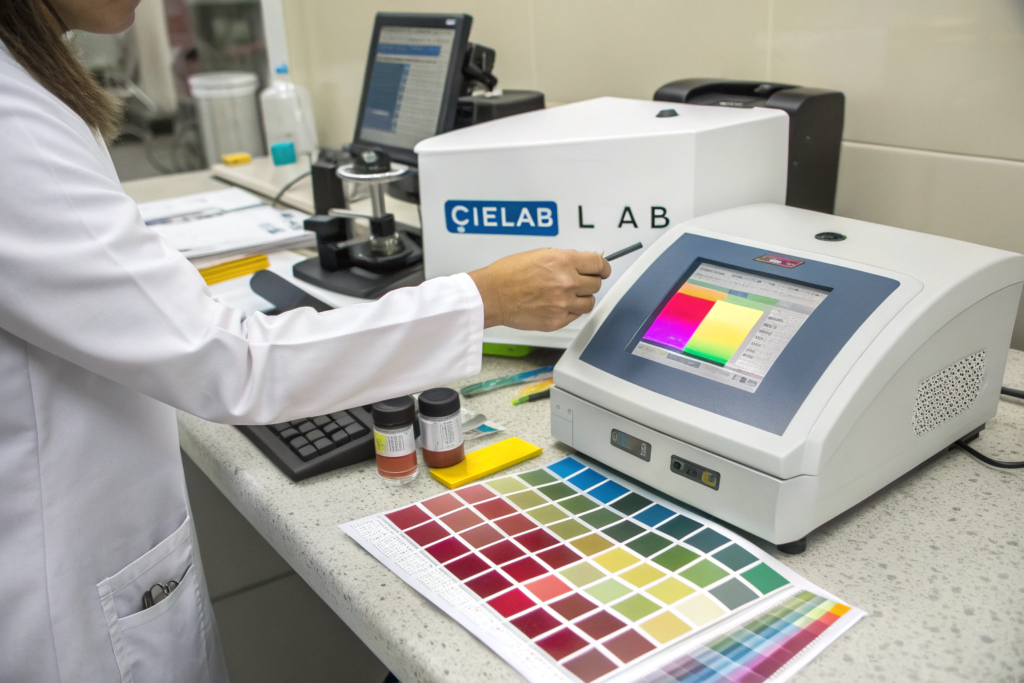
When a new fabric batch arrives, we cut a reference swatch and measure its color on a spectrophotometer. The spectrophotometer reads the color coordinates in the CIELAB color space—L for lightness, a for the red-green axis, b for the yellow-blue axis. We compare these coordinates to the approved standard. If the Delta E, which is the mathematical distance between two colors, is below 1.0, the batch is accepted for production without adjustment. If the Delta E is between 1.0 and 2.0, we note the deviation and may adjust the wash recipe slightly to nudge the final shade toward the standard. If the Delta E exceeds 2.0, the fabric batch is rejected or assigned to a different style where the shade difference is less critical.
But a spectrophotometer reading is not the whole story. Denim has a surface texture that scatters light. Two fabrics with identical CIELAB readings can look different to the human eye if one has a flatter surface and the other has a more textured, slubby surface. That's why every fabric batch also undergoes a visual assessment under our calibrated lightbox. The lightbox simulates three standard lighting conditions: daylight, department store lighting, and incandescent home lighting. The shorts must look consistent under all three. A color that matches perfectly under daylight but shifts noticeably under store lighting will cause a retail mismatch.
What Is Spectrophotometry and How Do We Use It in Denim?
Spectrophotometry sounds technical, and it is. But the concept is simple. A spectrophotometer is a device that shines a controlled beam of light onto a fabric surface and measures exactly how much light is reflected back at each wavelength across the visible spectrum. The resulting data is a precise fingerprint of the color, unaffected by the ambient lighting or the subjective judgment of the person looking at it.
In our denim production, spectrophotometry serves three functions. First, it's used for incoming fabric evaluation, as I described above. Second, it's used during wash development to quantify the effect of different wash recipes. When we're developing a new wash for a client, we measure the unwashed fabric, then measure it after each wash stage. The data shows us exactly how much indigo is being lifted at each stage, which allows us to adjust the recipe with precision rather than guesswork. Third, it's used for final batch approval, comparing the wash output of each production batch to the approved wash standard.
The spectrophotometer removes the subjectivity that causes consistency problems. An inspector who had a bad night's sleep might perceive a color as slightly off. The spectrophotometer never has a bad night. Its readings are consistent and reproducible. When a client questions whether a batch matches the approved standard, I can show them the spectrophotometer data. The numbers don't lie.
That said, I don't rely on spectrophotometry exclusively. The instrument measures color, but it doesn't measure the visual texture of the wash—the cloudiness, the marbling, the depth created by the interaction of light with the faded ridges of the denim. These aesthetic qualities require a human eye. My senior wash technician, who has been evaluating denim for over twenty years, makes the final call on whether a batch has the "right look." The spectrophotometer confirms that the color is correct. The human confirms that the soul of the wash is intact.
How Do We Handle Shade Matching for Repeat Orders?
A repeat order is the test of a factory's color consistency system. The client loved the first batch. They want the second batch to look exactly the same. Not similar. Identical. The bar is high, and rightfully so.
When a client places a repeat order, our first step is to retrieve the retained sample from the original production batch. We retain a sealed reference sample from every order we produce, stored in a light-proof, climate-controlled cabinet in our QC department. This sample is the gold standard against which the repeat order will be evaluated.
The next step is to check the fabric inventory. If we have fabric from the same dye lot as the original order, shade matching is straightforward. We cut the new production from the same lot, run the same wash recipe, and the results will be consistent. A retained sample from the original lot, combined with the documented wash recipe and the spectrophotometer data, gives us a very high probability of an exact match.
If the original dye lot is exhausted and we must use a new lot, the shade matching process becomes more involved. We cut a sample from the new lot, run a lab-scale version of the wash recipe, and compare the result to the retained original sample. If the new lot is slightly darker, we may increase the enzyme dosage or the wash cycle time to lift more indigo. If the new lot is slightly lighter, we may reduce the wash intensity or apply a very light tint to bring the shade closer. The adjustments are small and precise, guided by spectrophotometer readings rather than eyeballing.
The adjusted recipe is then tested on a small production sample before being applied to the full batch. This two-stage verification—lab sample, then production sample—catches any scale-up issues before the entire batch is processed. The production sample is approved by the client if the shade difference is visually detectable. In most cases, with careful fabric selection and recipe adjustment, the repeat batch is indistinguishable from the original.
I'll be honest about the limitations. A perfect 100% shade match between different dye lots is technically impossible. There will always be a microscopic Delta E difference. The goal is to make that difference invisible to the human eye under normal lighting and wearing conditions. We achieve that goal on over 98% of our repeat orders. The rare cases where a perceptible difference remains are usually due to a significant change in the mill's dyeing process that we catch during incoming inspection and flag to the client before production begins.
Why Does Our Dedicated Production Line Ensure Stitch Consistency?
Stitch consistency sounds like a minor quality attribute. It's not. The stitch is the skeleton of the garment. It holds every seam together. It determines whether the shorts survive a season of wear or blow out at the crotch after three washes. And from a visual standpoint, the stitch is a subtle quality signal. A straight, even stitch with consistent tension looks premium. A wavy, uneven stitch with loose loops and tight puckers looks cheap.
The biggest enemy of stitch consistency is machine variation. In a typical factory where denim shorts are sewn on the same machines as lightweight blouses and chinos, the machine settings are constantly being adjusted. The thread tension for a 15-ounce denim is completely different from the tension for a thin polyester woven. The needle size is different. The presser foot pressure is different. Every time the line changes over from one product to another, the mechanics have to reset the machines. And every reset introduces the possibility of a setting being slightly off.
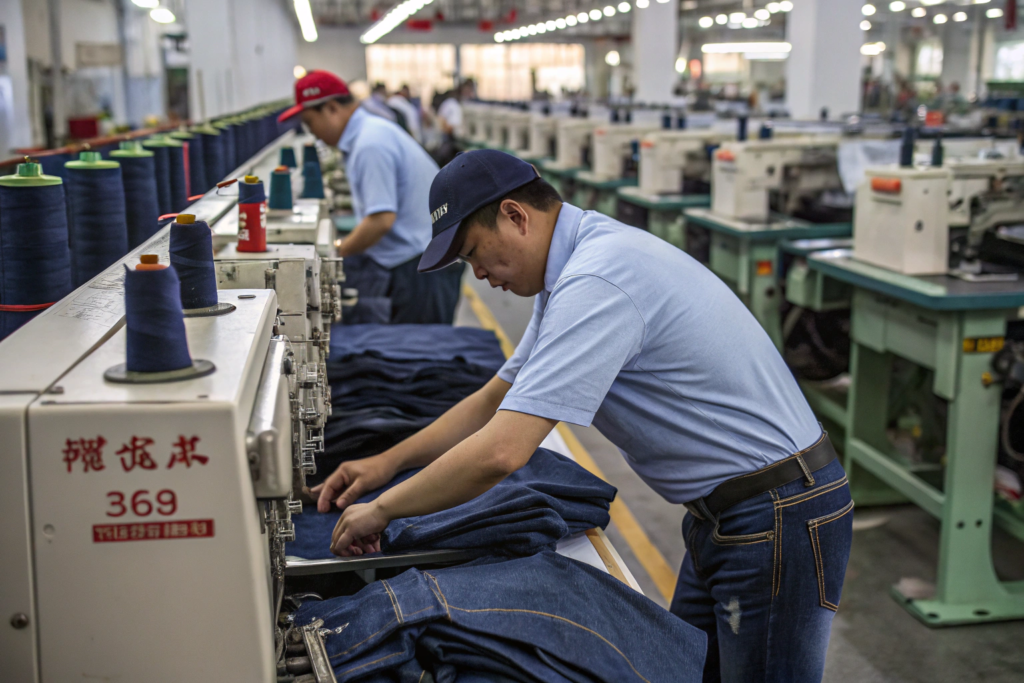
At Shanghai Fumao, we run a dedicated denim production line. The machines on this line sew denim and only denim. The needle gauges, the thread tensions, the presser foot pressures, the feed dog settings—they are dialed in for denim weights ranging from 10 to 16 ounces, and they stay that way. The mechanics don't readjust the machines for different fabric types because the fabric type never changes. The line is denim-only, permanently.
This dedicated line configuration delivers stitch consistency that a mixed-product line cannot match. The operators on the denim line have sewn tens of thousands of denim shorts. They know exactly how the fabric behaves under the needle. They know the right hand speed for each operation. They know the feel of a correctly tensioned seam because they've produced thousands of them. When a machine begins to drift slightly—a subtle change in the sound of the motor, a barely perceptible difference in the thread loop—they notice immediately, because the baseline is so deeply ingrained.
The dedicated line also simplifies maintenance. The mechanics keep an inventory of spare parts specifically for the denim machines: heavy-gauge needles, reinforced bobbin cases, high-torque drive belts. They perform preventive maintenance on a fixed schedule, not a reactive one. A machine that's been running consistently within its optimal parameters doesn't suddenly fail. It degrades slowly, and the scheduled maintenance catches the degradation before it affects the stitch quality.
How Do We Calibrate Sewing Machines for Denim-Specific Stitching?
Calibration is a precise, documented process on our denim line. It's not a mechanic tweaking a knob until the stitch "looks about right." It's a standardized procedure with defined parameters and measured outputs.
The key parameters for denim stitching are thread tension, stitch length, presser foot pressure, and feed dog timing. Thread tension for denim must be higher than for lighter fabrics because the thicker denim requires more force to pull the lockstitch knot into the middle of the fabric layers. If the tension is too low, the knot sits on the surface and creates a loose, loopy stitch that catches and frays. If the tension is too high, the fabric puckers along the seam line, which looks bad and creates stress points that can tear.
Our standard thread tension for a midweight 12-ounce denim is calibrated using a tension gauge. The mechanic sets the tension to the specified value, sews a test seam on the actual production fabric, and then cuts cross-sections of the seam to inspect the knot position under a magnifying loupe. The knot must sit precisely in the center of the fabric layers. If it's off, the tension is adjusted and the test is repeated. This is done for every machine at the start of each production day.
Stitch length is another critical parameter. The industry standard for denim topstitching is 7 to 8 stitches per inch. Fewer stitches look coarse and feel weak. More stitches create a dense line that can perforate the denim and weaken the seam. Our machines are set to 7.5 stitches per inch and locked. The setting is checked with a stitch counter during the daily calibration.
Presser foot pressure controls how firmly the foot holds the fabric against the feed dogs as the machine advances the material. Too much pressure on denim can cause the feed dogs to mark the fabric surface, creating an unwanted shine or even a physical impression. Too little pressure causes the fabric to slip, resulting in uneven stitch length. Our pressure is set using a force gauge and adjusted for the specific fabric weight of each production order.
All calibration settings and test results are recorded in the machine maintenance log. The log is reviewed weekly by the production manager and the QC supervisor. A machine that requires frequent recalibration is flagged for deeper mechanical investigation. This documentation creates accountability and a continuous improvement loop.
What Training Do Our Sewing Operators Receive for Consistency?
A perfectly calibrated machine in the hands of an untrained operator will still produce inconsistent work. Operator skill is as important as machine settings. Our approach to operator training is apprenticeship-based, not classroom-based, and it emphasizes muscle memory, quality awareness, and problem recognition.
A new operator on the denim line spends their first two weeks as an observer and a helper. They watch an experienced operator perform a specific operation—say, attaching the zipper fly—hundreds of times. They learn the hand movements, the fabric handling, the bundle management. They help by trimming threads, stacking finished pieces, and fetching supplies. During this period, the supervisor assesses their aptitude and assigns them to an operation that matches their skill level.
The next phase is supervised operation. The trainee begins sewing on the production line, but at a reduced speed, and with every piece inspected by the supervisor or the inline QC inspector. The trainee's output is checked 100%, not sampled. The feedback is immediate and specific. The trainee and the supervisor review defective pieces together, identifying what went wrong and how to correct it. This intensive feedback phase lasts two to four weeks, depending on the complexity of the operation.
After the supervised phase, the operator graduates to independent production, but with continued sampling inspection. Their output is still checked at a higher sampling rate than experienced operators for the first three months. The defect rate is tracked individually. If the rate exceeds the acceptable threshold, the operator receives refresher training. If the rate stays below the threshold, the operator is considered fully qualified.
All operators, regardless of experience, participate in a brief daily quality huddle. The line supervisor reviews the previous day's defect data, highlights any recurring issues, and demonstrates the correct technique for any operation that showed an elevated defect rate. The huddle takes five minutes. It reinforces the quality standard every single day, preventing the gradual drift that happens when operators are left to their own devices for weeks without feedback.
I'm often asked whether this level of training investment is sustainable in a competitive manufacturing environment. My answer is that the cost of training is a fraction of the cost of rework and client dissatisfaction. An operator who produces a 2% defect rate costs the factory far more in rework labor and material waste than an operator who produces a 0.5% defect rate. The training investment pays for itself within the first year of an operator's employment.
What Post-Production Inspections Guarantee Shipment Quality?
The post-production inspection is the final gate. The shorts are finished. The buttons are attached. The labels are sewn in. They've been pressed, folded, bagged, and packed into cartons. This is the last opportunity to catch a quality issue before the container door closes and the goods begin their journey across the Pacific.
Our post-production inspection follows the AQL, which stands for Acceptable Quality Level, methodology. This is a statistically based sampling standard that defines how many units to inspect and how many defects are acceptable, based on the total batch size and the agreed defect tolerance levels. We use an AQL of 2.5 for major defects and 4.0 for minor defects, as defined in the client's quality agreement during the onboarding process I described in a previous article on communication.
The inspection is conducted by a QC inspector who was not involved in the production of the batch. This independence is crucial. A production supervisor who inspects their own output has an incentive to overlook marginal defects. An independent inspector has no such conflict.
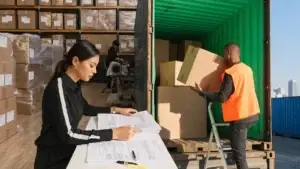
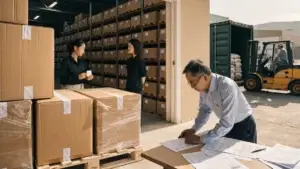
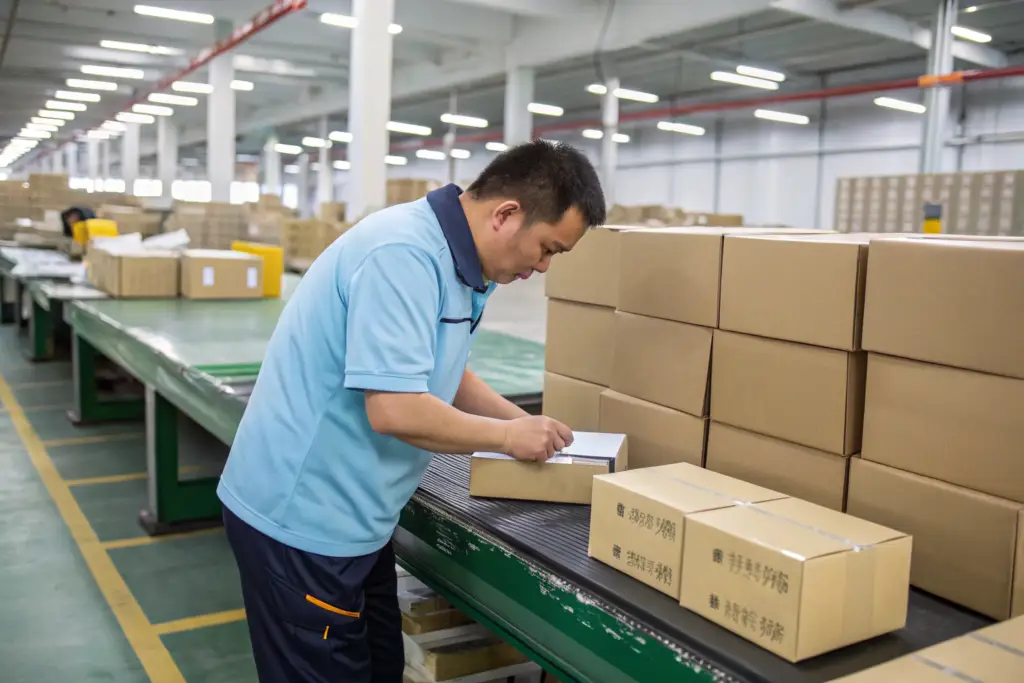
The inspector selects cartons at random from the batch, according to the AQL sampling table. For a batch of 3,200 units, the standard sample size is 125 units, selected from 13 cartons. The inspector opens each carton, removes the shorts, and inspects them on a well-lit inspection table. Each short is checked for visual defects—stains, loose threads, uneven wash, hardware damage, label errors—and measured against the spec sheet for the critical dimensions: waist, hip, inseam, leg opening, and front rise. Every defect is recorded on the inspection report, categorized as major or minor, and tallied.
If the number of major defects in the sample is at or below the acceptance number, the batch passes. If the number exceeds the acceptance number but is below the rejection number, the batch is held for a second sample. If the number exceeds the rejection number, the batch fails and is subject to 100% re-inspection and rework at our cost.
A passed batch moves to the shipping stage. The cartons are sealed, labeled, and loaded. The inspection report, including photos and measurement data, is uploaded to the client's production dashboard. The client can review the report before the container sails. If the client has any concerns, we address them before shipment. Transparency at this final stage is the ultimate trust builder.
How Does the AQL Sampling System Work for Denim Shorts?
The AQL system can feel abstract if you've never seen it in action. Let me walk through a concrete example that mirrors our typical denim shorts order.
A client orders 3,200 pairs of shorts. The agreed AQL standard is 2.5 for major defects. Major defects are issues that would likely cause a customer to return the product: a broken stitch, a stain larger than a specified size, a measurement deviation beyond the agreed tolerance, a damaged zipper, a missing label. Minor defects are issues that a customer might notice but probably wouldn't return: a loose thread, a slight unevenness in the wash, a minor crease from packing.
According to the AQL sampling table, for a batch size of 3,200 units with an AQL of 2.5, the sample size is 125 units. The acceptance number is 7. The rejection number is 8. This means that if 7 or fewer major defects are found in the 125-unit sample, the batch passes. If 8 or more major defects are found, the batch fails.
Our inspector pulls 125 shorts from 13 randomly selected cartons. They inspect each short systematically, following a checklist that mirrors the client's quality agreement. They find 5 major defects: two shorts with a loose bartack on the back pocket, one short with a zipper that catches, one short with a stain on the leg, and one short with the waist measurement 0.75 inches above the tolerance. The major defect count of 5 is below the acceptance number of 7. The batch passes.
The inspector also records 9 minor defects: 4 shorts with a loose thread on the hem, 3 shorts with a slight wash crease, and 2 shorts with a small misprint on the care label. The minor defect count is evaluated against the minor defect AQL, which is typically set at 4.0. For an AQL of 4.0 with a sample size of 125, the acceptance number is 10. The batch passes on minor defects as well.
The shorts with major defects are removed from the sample and reworked. The reworked shorts are re-inspected and returned to the cartons. The batch ships. The inspection report is uploaded to the client's dashboard. The client sees exactly what was found and how it was resolved.
A batch that fails—say, 12 major defects found in the sample—triggers a very different process. The batch is quarantined. Every single carton is opened, and every single pair is inspected. All defects are repaired. The rework process is documented, and the batch is re-sampled. Only when the re-sample passes is the batch released for shipment. The cost of this 100% re-inspection and rework falls on the factory. It's a powerful incentive to get the quality right the first time.
What Happens If a Batch Doesn't Meet Our Standards?
Failure is rare, but it happens. No factory with honest quality data will claim a 100% first-pass rate. The question is not whether failures occur, but how the factory handles them when they do.
When a batch fails our final AQL inspection, the first thing that happens is a production hold. The batch is physically quarantined in a designated area of the warehouse, separate from passed goods, to prevent any accidental shipment. The hold is logged in our production management system, and the account manager notifies the client within 24 hours.
The second thing that happens is a root cause investigation. The QC supervisor and the production manager review the defect data to identify patterns. Are the defects clustered in a specific operation? A specific size? A specific time period during the production run? The pattern points to the source. A cluster of bartack failures suggests a machine problem at the bartack station. A cluster of measurement deviations in a specific size suggests a pattern or cutting issue for that size. A scatter of random defects with no pattern suggests a general discipline breakdown that requires supervisory intervention.
The third step is corrective action. The root cause is addressed. The defective machine is repaired and recalibrated. The pattern is checked and corrected. The operator receives retraining. The corrective action is documented in the production file.
The fourth step is rework. The entire batch is 100% re-inspected. Every defect is repaired. The rework is done by our in-house repair team, not by the original production operators, to ensure independent quality control. The repair work is checked by the QC supervisor before the shorts are returned to the cartons.
The fifth step is re-sampling. A new AQL sample is drawn from the reworked batch and inspected. If the re-sample passes, the batch is released for shipment. If it fails again, which is extremely rare, the batch is escalated to me personally, and we have a very serious conversation with the production team about what systemic issue is preventing quality compliance.
The client is kept informed at every stage. They receive the initial failure notification, the root cause analysis, the corrective action plan, and the final re-sample inspection report. There are no surprises. There is no attempt to ship a marginal batch and hope the client doesn't notice. That approach might save the factory money in the short term, but it destroys trust, and trust is the only asset that matters in a long-term manufacturing partnership.
Conclusion
Batch-to-batch quality consistency is not a happy accident. It's the product of a deliberate, layered system that begins before the denim is cut and doesn't end until the cartons are sealed. At Shanghai Fumao, that system has five layers: incoming material inspection that tests every roll of fabric for shrinkage before it touches a cutting blade, inline inspection at five critical checkpoints during sewing that catches defects at the source, wash process control that uses both spectrophotometry and human visual assessment to lock in color consistency, a pre-final audit that identifies systemic issues before finishing, and a final AQL inspection with a statistically valid sampling plan that guarantees the shipment meets the agreed standard.
The system is supported by structural choices that make consistency easier to achieve: a dedicated denim production line with permanently calibrated machines, an apprenticeship-based operator training program that builds deep muscle memory, and a retained sample library that provides a gold-standard reference for every repeat order. When a batch does fail—and honest factories acknowledge that failures happen—we have a defined root cause investigation, corrective action, and rework process that fixes the problem and keeps the client informed.
The Chicago brand I mentioned at the beginning of this article never came back to that factory. They couldn't afford to. A single inconsistent batch had cost them $40,000 and damaged their retail relationships. I built Shanghai Fumao so that no brand would have that experience with us. The systems I've described are the reason our clients can place a reorder six months after the initial order and receive shorts that are indistinguishable from the first batch.
If batch-to-batch consistency has been a pain point with your previous suppliers—if you've ever opened a reorder and found the sizing shifted, the color drifted, or the stitching quality declined—I invite you to experience a different standard. Our Business Director, Elaine, can share sample QC reports, walk you through our testing protocols, and demonstrate the systems I've described. You can contact her directly at elaine@fumaoclothing.com. Let's build a denim program where consistency is not a hope but a guarantee.