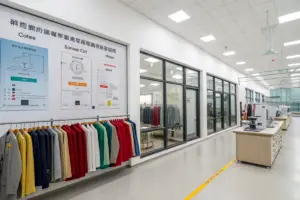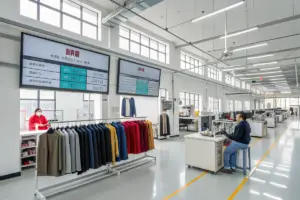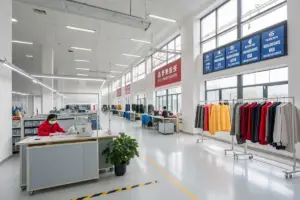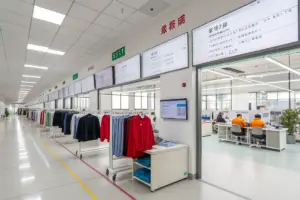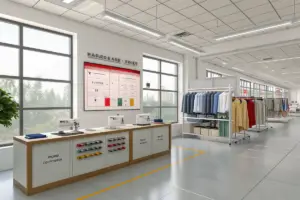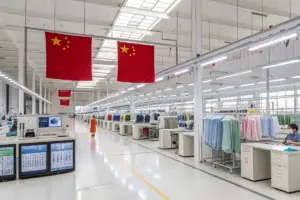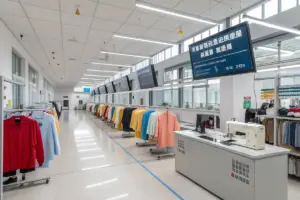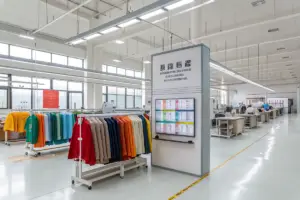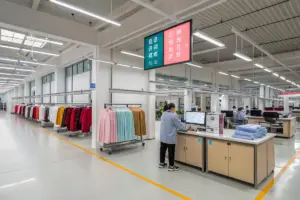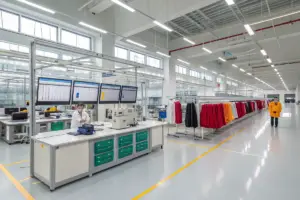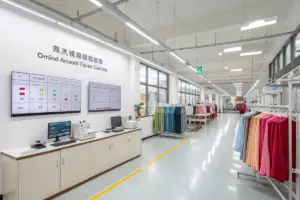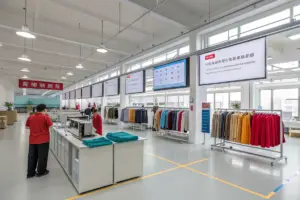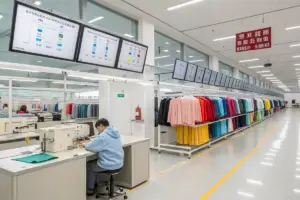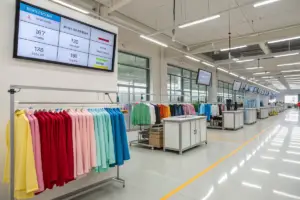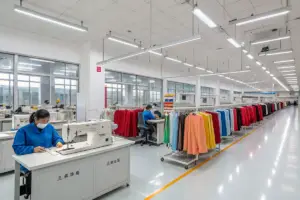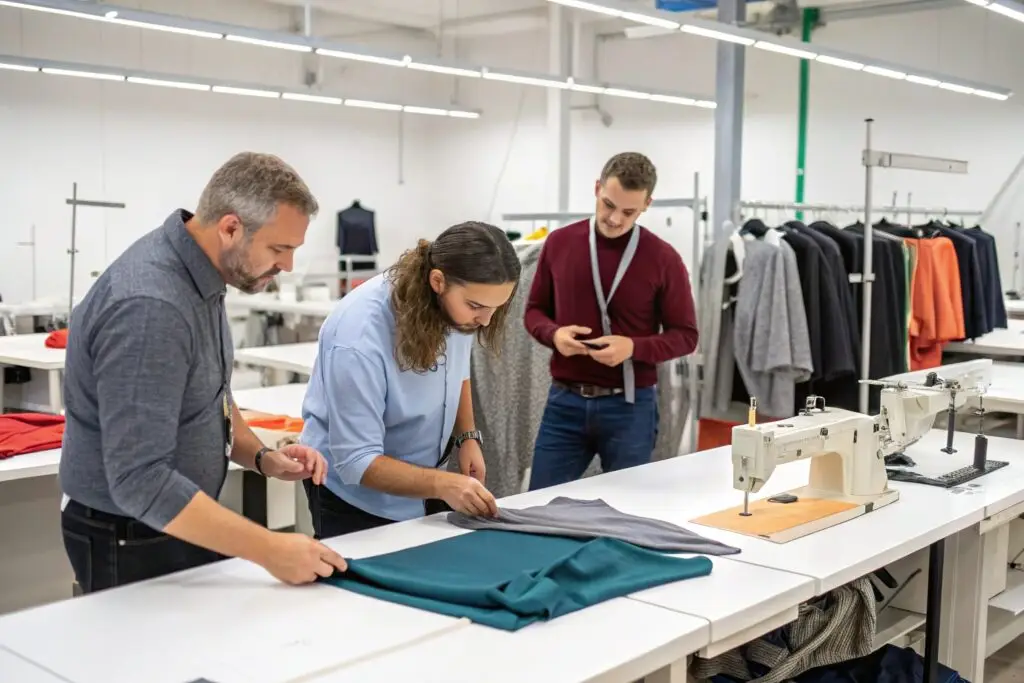
When I first explored personalized fashion, I assumed it was all about customer-facing technology. But behind every tailored outfit is a highly flexible, supply-side system built for agility and creativity.
Personalized fashion success depends on supply chains that support small-batch production, fast customization, flexible sourcing, and constant collaboration between design, manufacturing, and distribution teams.
It’s not just about the front-end experience—it’s about what happens long before the first click or fitting room visit.
What are the 4 P’s of fashion?
In business school, I learned about the classic 4 P’s of marketing. But in fashion, they take on unique meaning, shaping everything from brand strategy to sourcing.
The 4 P’s of fashion are Product, Price, Place, and Promotion—essential pillars that guide how apparel is designed, priced, distributed, and marketed to different audiences.

How do the 4 P’s influence personalized fashion success?
| P | How It Applies to Personalized Fashion |
|---|---|
| Product | Made-to-order garments, customization options |
| Price | Value for unique offerings, premium pricing |
| Place | Online configurators, DTC shipping, boutique partnerships |
| Promotion | Targeted ads, influencer personalization campaigns |
In the personalized space, the "Product" P leads—because customers want something they feel was made just for them.
How should supply chains align with the 4 P’s?
- Develop modular designs for easy personalization
- Build dynamic pricing systems1 for custom SKUs
- Optimize fulfillment for small-batch, rapid delivery
- Support marketing with real-time production updates2
Personalized fashion starts on the supply side—long before the customer feels special.
What is the fashion trend personalization?
At first, personalization in fashion seemed like just adding a monogram. But real personalization is far deeper—it’s about giving each buyer a say in their wardrobe’s DNA.
Fashion trend personalization refers to the growing demand for tailored styles, fits, and products based on individual customer preferences, driven by AI, data analytics, and agile supply chains.

What fuels the personalization boom in fashion?
| Trend Driver | Impact on Apparel Business |
|---|---|
| Data-Driven Recommendations3 | Predicts style, size, and color preferences |
| Mass Customization Models4 | Allows scalable individuality |
| Sustainability Focus5 | Reduces waste through made-to-order |
| Social Media Influence | Demands hyper-specific style options |
Brands like NikeID, Stitch Fix, and Levi’s custom jeans programs show that people don’t just want clothes—they want clothes that tell their story.
How can suppliers adapt to this personalization trend?
- Offer smaller minimums for customized orders
- Build flexible fabric sourcing and trim options
- Use modular garment construction to streamline production
- Create digital twin samples for faster personalization previews
Mass production is out. Mass personalization is the future.
What is the biggest problem in the fashion industry?
When I started in apparel, I thought the biggest challenge was competition. But now, I see the real threat: waste and inefficiency rooted in outdated supply systems.
The biggest problem in the fashion industry is overproduction, leading to massive waste, environmental damage, and financial losses across the supply chain.
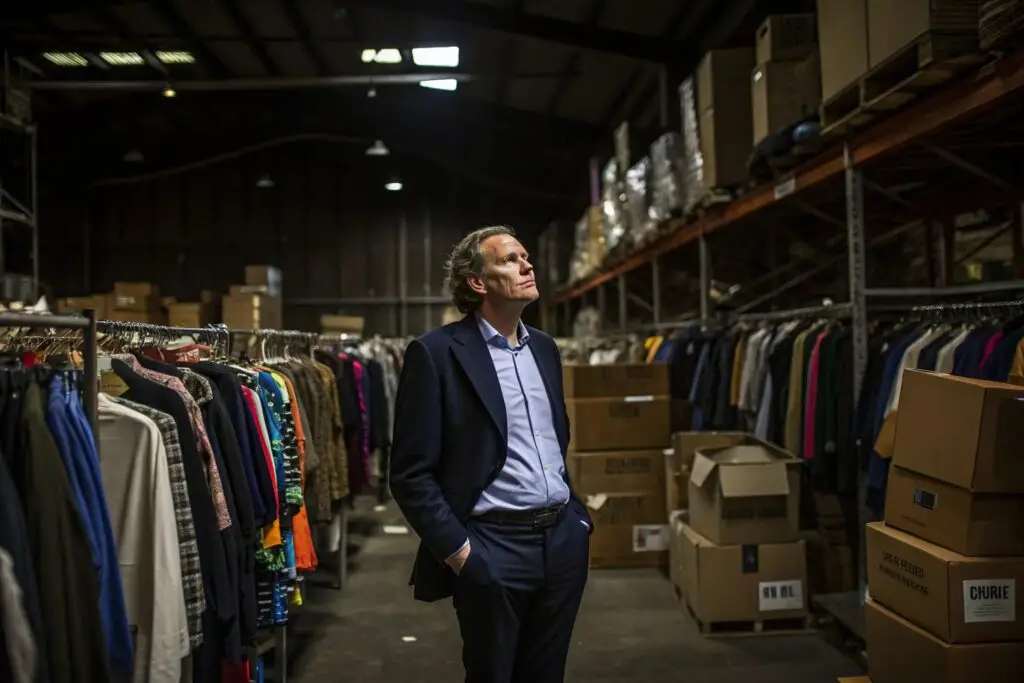
Why is overproduction such a threat to fashion brands?
| Problem | Consequence |
|---|---|
| Inventory Overstock6 | Heavy discounting, margin erosion |
| Textile Waste7 | 92 million tons discarded annually |
| Brand Damage | Customers reject unsustainable practices |
The old model of "guess and mass produce" fails because customer demand is too fragmented and fast-moving now.
How does personalized production8 solve this problem?
- Produce after purchase, not before
- Minimize deadstock inventory
- Align supply tightly with real customer needs
- Reduce returns by better matching fit and style preferences
Personalization isn’t just a marketing trick—it’s a supply-side revolution that solves fashion’s biggest headache.
What is the business of fashion?
In the beginning, I thought fashion was about trends and aesthetics. But real fashion business success comes from mastering both storytelling and supply chain logistics.
The business of fashion is the end-to-end ecosystem that designs, manufactures, markets, and sells apparel to meet consumer demand profitably and sustainably.

What are the key components of the fashion business?
| Component | Why It Matters |
|---|---|
| Product Development | Sets brand identity and trend fit |
| Sourcing and Manufacturing | Controls quality and cost |
| Branding and Storytelling | Connects emotionally with consumers |
| Retail and Distribution9 | Delivers efficiently across channels |
Supply-side success now demands as much innovation as your marketing team—maybe more.
How does personalized fashion change the business model?
- Smaller, more frequent production cycles
- Higher margins per unit (personalized = premium)
- New supply chain partners focused on flexibility
- Direct customer engagement through configuration platforms
The brands who master personalization—from sourcing to shipping—build stronger loyalty, better margins, and longer lifespans.
Conclusion
Personalized fashion success isn’t built just on cool technology—it’s built on smart, flexible, resilient supply chains that adapt to what each customer wants. Master the supply side, and you’ll master the future of fashion.
-
Learn about dynamic pricing systems and how they can optimize profitability for personalized fashion brands. ↩
-
Discover the significance of real-time production updates in improving customer experience and operational efficiency. ↩
-
Explore how data-driven recommendations can enhance customer experience and boost sales in the fashion industry. ↩
-
Learn about mass customization models and how they empower brands to offer personalized products at scale. ↩
-
Discover how sustainability initiatives are reshaping fashion personalization and reducing waste in the industry. ↩
-
Understanding the impacts of inventory overstock can help brands strategize better and avoid financial pitfalls. ↩
-
Exploring the scale of textile waste can highlight the urgency for sustainable practices in fashion. ↩
-
Discover how personalized production can revolutionize fashion by reducing waste and aligning with customer needs. ↩
-
Retail and Distribution strategies are vital for ensuring products reach consumers efficiently, impacting overall sales and brand success. ↩