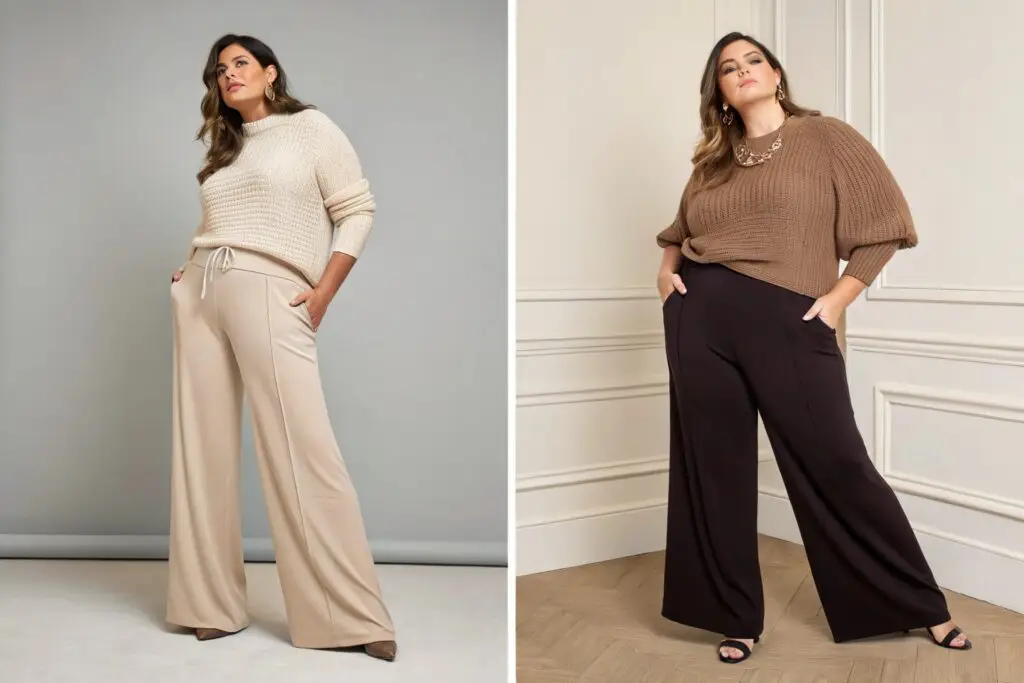
Many capsule collections fail not because of poor design—but because they exclude too many body types. That’s a lost opportunity.
Inclusive sizing in capsule fashion ensures more people can participate in minimalist, intentional wardrobes—without compromise.
I’ve worked with brands launching globally. When they ignore size inclusivity, they lose loyal buyers. Capsule fashion doesn’t mean “one size fits most.” It means “every piece, for everyone who wants it.”
What Fit Strategies Work Across Body Types?
It’s easy to fall into the trap of designing for sample-size bodies. But real buyers—especially in international markets—come in all shapes.
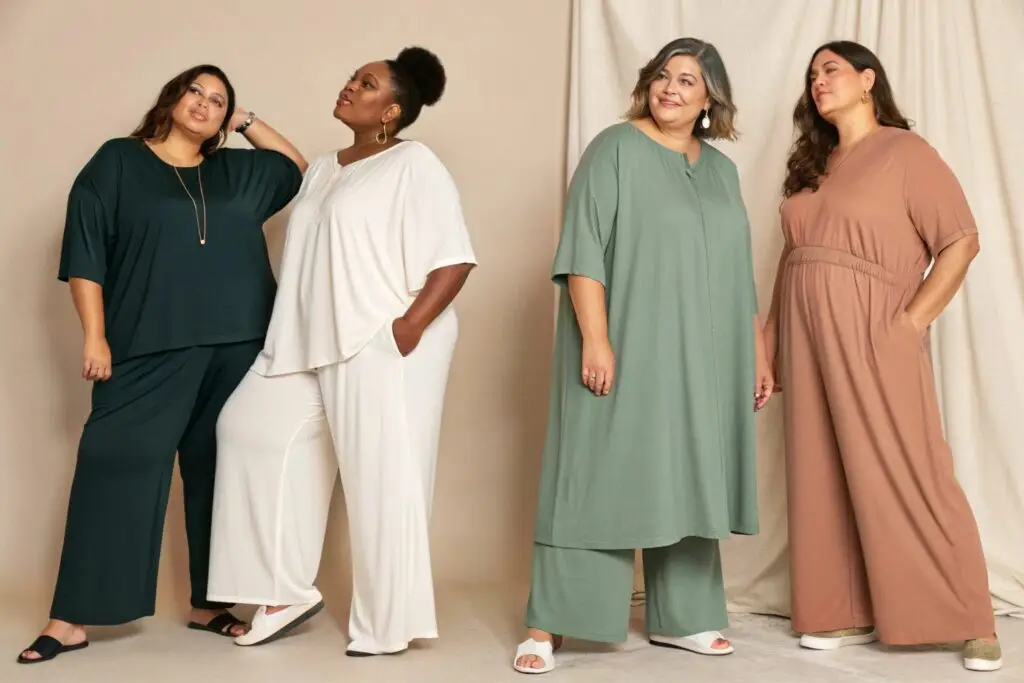
Fit strategies that work across body types prioritize comfort zones, mobility, and minimal seams—making them more universal.
How do I ensure my capsule fits more people?
When I develop capsule lines for broader audiences, I use these strategies:
- Ease before tightness: Structured doesn’t mean restrictive. Add ease at stress points—bust, hips, shoulders.
- Bias and wrap designs: Pieces that contour naturally are more size-adaptable.
- Elastic and drawstring options: When hidden in clean designs, these features feel premium and size-flexible.
- Strategic darts and panels: Use shaping tools to flatter more bodies—not just slim ones.
Here’s a quick fit strategy checklist:
| Body Area | Adaptable Design Solution | Example Style |
|---|---|---|
| Bust | V-necklines, princess seams | Wrap blouse |
| Waist | Elastic back or adjustable tie | Cinched dress |
| Hips | A-line cut, pleats | Flared midi skirt |
| Arms | Raglan sleeves or dropped shoulders | Relaxed fit shirt |
| Shoulders | Slight shoulder gathers, flexible yokes | Kimono-style top |
Capsule garments are worn often. Buyers want pieces they can move in, sit in, and layer easily. If your styles meet those needs across sizes, they’ll stay in rotation.
Designing Core Pieces with Flexible Proportions
Capsule items should work across sizes, but also across styling needs. That’s where flexible proportions come in. When we develop OEM samples, I often advise my clients to test garment flexibility beyond fit charts.
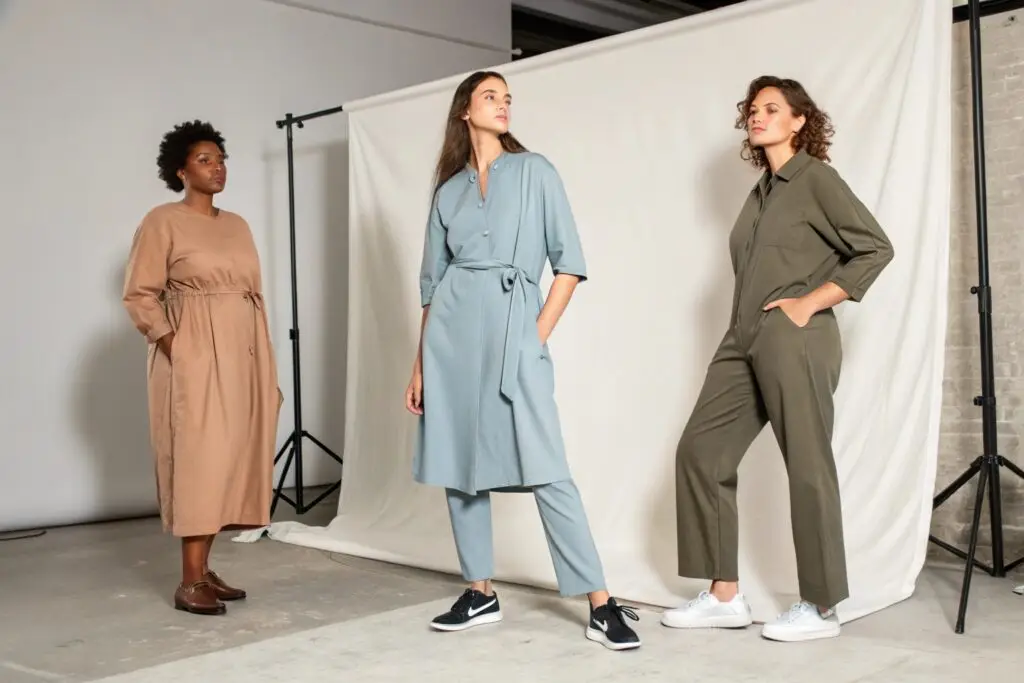
Core capsule pieces should adapt with the wearer—by adjusting slightly to different bodies and allowing custom styling.
What makes a piece feel “flexible” in design?
- Longer hems that can tuck or flow
- Wider sleeves that allow layering or rolling
- Jumpsuits with dual-closure waistlines
- Dresses that fit with or without belts
Buyers appreciate flexibility. When they can wear the same shirt tucked or untucked, loose or cinched, it becomes a wardrobe favorite.
Let’s break it down by style type:
| Capsule Piece | Flexible Proportion Idea | Effect on Wearability |
|---|---|---|
| Shirt Dress | Hidden drawstring waist | Can be worn loose or shaped |
| Wide-Leg Trousers | Adjustable waistband | Fits curvy and straight waists |
| Blazer | Slight oversized cut | Easier layering across sizes |
| Knit Top | High-stretch fiber blend | Slim fit without tightness |
Every piece doesn’t have to stretch. But it must move with the body. Flexible proportions make that happen. And they help one SKU serve multiple buyers.
How to Grade Capsules Without Losing Cohesion
Size grading can ruin a cohesive look if not done intentionally. I’ve seen collections where the XS looked sharp—but the XL was a completely different garment.
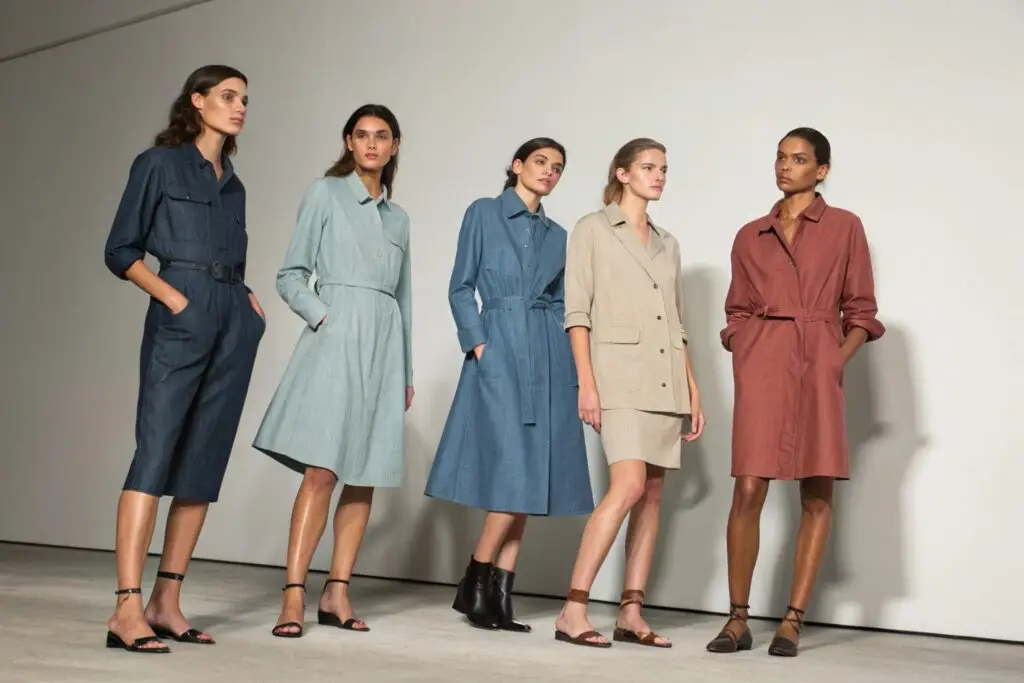
Thoughtful grading maintains silhouette, balance, and visual consistency—so every size looks like it belongs.
How do I preserve capsule design during grading?
Follow this rule: grade shape, not just size. That means proportions should scale, not just numbers.
Here’s how we guide our factory clients:
- Maintain hemline shape across sizes: Don’t just make a-line wider—preserve its drape.
- Check pocket placements: Adjust positioning slightly for balance.
- Review armhole and neckline proportions: These are often overlooked in large sizes.
- Use size-specific patterns if needed: Sometimes L–XXL require a different block entirely.
Grading best practices checklist:
| Garment Element | Common Error | Inclusive Grading Solution |
|---|---|---|
| Waist to Hip Ratio | Same ratio across all sizes | Adjust curve to reflect body variation |
| Sleeve Width | Proportional but short length | Add both width and length smartly |
| Bust Dart Height | Static placement | Adjust for torso height per size |
| Pant Rise | No change across size | Raise or lower to fit real waistlines |
When we build a capsule collection, we send samples across three key sizes. If the silhouette reads clearly in all of them, we move forward. That’s how we ensure the drop is cohesive—and truly inclusive.
Why Size-Inclusive Capsules Attract Loyal Buyers
There’s a myth in fashion: “Fewer sizes mean fewer headaches.” But in capsule design, the reverse is often true.
Size-inclusive capsules create trust, loyalty, and return customers—because they say: “We designed this for you too.”
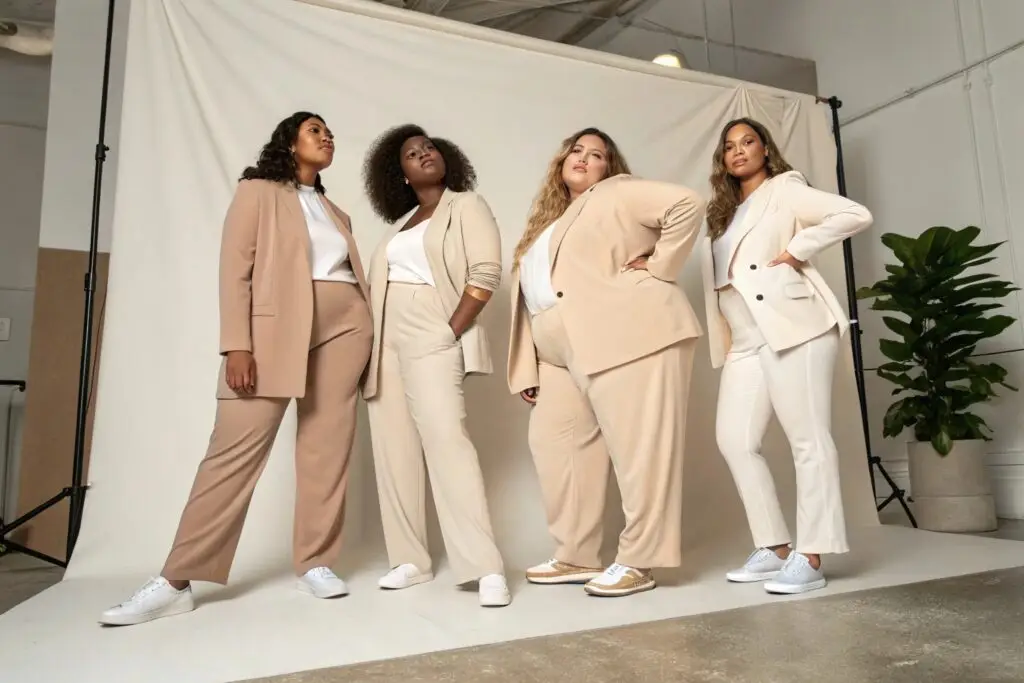
What loyalty looks like in real life?
I’ve had clients who added just two more sizes—and suddenly their restock rate doubled. Here’s why:
- Inclusive sizing removes shopping barriers
- Buyers feel seen—and valued
- They recommend your brand to similar bodies
- They return for next capsule drops, knowing you cater to them
Let’s talk buyer behavior:
| Inclusive Feature | Buyer Response |
|---|---|
| XS–3XL sizing | Broader reach and brand buzz |
| Size models on lookbooks | Higher conversion across all body types |
| Fit notes in descriptions | Fewer returns and more buyer confidence |
| Extended fit guarantee | Increases trust during first purchase |
Capsule fashion is about buying less—but buying smarter. And nothing’s smarter than designing for everyone who wants to participate. When inclusivity becomes your default—not your exception—you win the loyalty of markets that have long been overlooked.
Conclusion
Inclusive sizing is not a compromise. It’s an upgrade. When your capsule pieces fit more bodies with equal style and ease, you don’t just sell clothes—you build lasting connections.