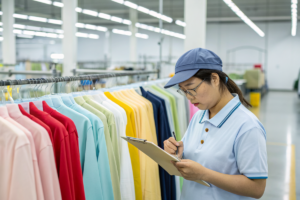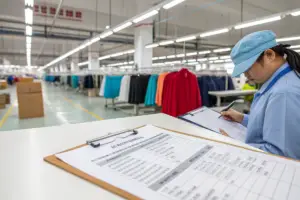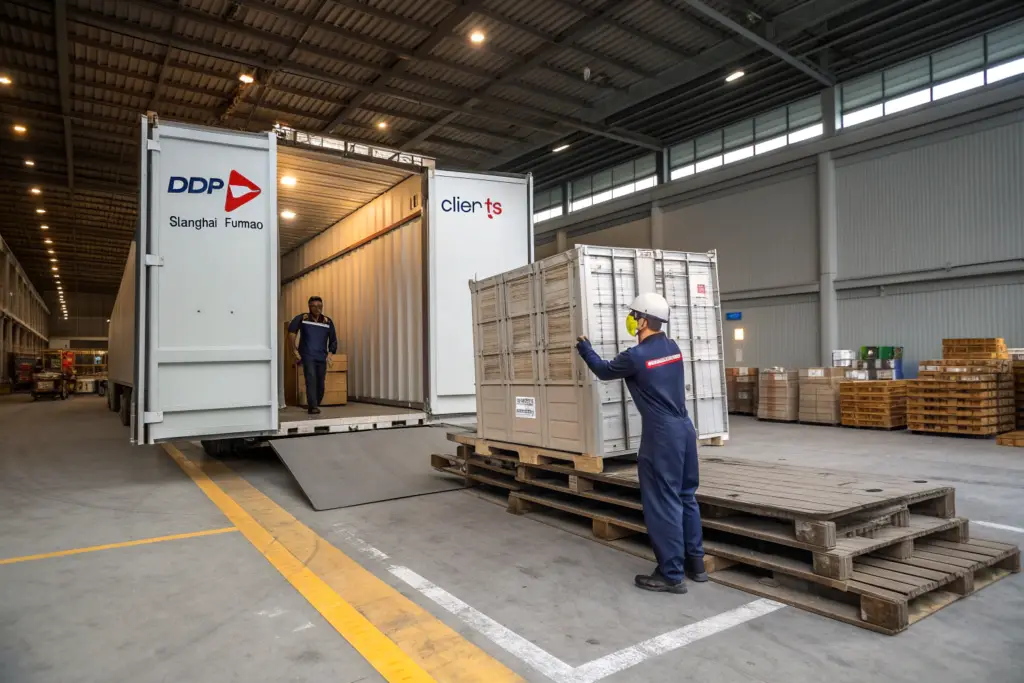
Three years ago, a brand owner from Portland called me in a panic. Her shipment of 2,500 summer blazers had arrived at the Port of Oakland. She had sourced the goods on FOB terms, managing her own freight forwarder and customs broker. The container was held for an intensive Customs exam. The broker had filed the entry with an incorrect HTS code that triggered a flag in the automated targeting system. The exam took 14 days. The demurrage bill was $2,800. The broker demanded payment before releasing the documents. She had no leverage, no backup plan, and no idea how any of this had happened. The coats eventually cleared, but the delay caused her to miss a trunk show with her biggest wholesale account. She lost the account. She told me later that she would have paid double the freight to never experience that 14-day nightmare again. That is the value proposition of DDP.
The DDP model, which stands for Delivered Duty Paid, removes the headache of customs clearance by transferring the entire importation responsibility from the buyer to the supplier. Under DDP Incoterms 2020, the factory or the seller is responsible for all costs and risks associated with delivering the goods to the named destination, including export clearance, ocean or air freight, import customs clearance, payment of duties and taxes, and final delivery to the buyer's warehouse. The buyer receives the goods at their door with no involvement in the customs process, no liability for classification errors, and no surprise bills from port terminals or exam stations. At Shanghai Fumao, we manage the DDP clearance for our US clients using our established customs bond, our pre-vetted HTS classifications, and our direct relationships with licensed customs brokers who specialize in apparel.
DDP converts a complex, multi-party logistics chain into a single transaction. You pay one price. You receive the goods. Everything that happens in between is the seller's problem. For a brand owner who wants to focus on design, marketing, and sales, DDP is not a logistics option. It is a business model enabler. Let me walk you through exactly how DDP dismantles each layer of the customs clearance headache.
What Exactly Does "Delivered Duty Paid" Mean Under Incoterms 2020?
Incoterms are the standardized international trade terms published by the International Chamber of Commerce. They define the responsibilities of buyers and sellers in international transactions. The Incoterms are updated every decade. The current version, Incoterms 2020, defines 11 terms. DDP is the term that places the maximum obligation on the seller. Under DDP, the seller is responsible for everything. The buyer's only obligation is to unload the goods at the named destination and pay the agreed price.
Under Incoterms 2020, DDP means the seller must deliver the goods, cleared for import, at the buyer's named place of destination. The seller bears all costs and risks of carrying out the import customs formalities and paying the import duties and taxes. The seller must contract for the carriage of the goods, provide the commercial invoice and any import license or authorization, and handle the customs clearance in both the export and import countries. The buyer's only role is to accept delivery, assist the seller in obtaining any necessary information for the import formalities, and pay the contract price. The risk transfers from seller to buyer only when the goods are made available at the named destination, not when they cross the ship's rail or arrive at the port.
This is the opposite of FOB, where the buyer's risk and responsibility begin at the port of export. Under DDP, the seller owns the problem all the way to the buyer's receiving dock. For an American apparel brand, this means the Chinese factory is legally and financially responsible for US Customs clearance, US duty payment, and US domestic trucking. If Customs holds the container for an exam, the factory pays the exam fees and the storage costs. If the duty rate is higher than expected, the factory pays the difference. If the trucking company damages the goods in transit from the port to the warehouse, the factory files the claim. The buyer watches none of this. The buyer simply receives the goods.
How Do The DDP Incoterms Differ From DAP And FOB In Practice?
DAP, Delivered at Place, is the term often confused with DDP. The difference is one word: duty. Under DAP, the seller delivers the goods to the named destination and is responsible for all transportation costs, but the buyer is responsible for import customs clearance and payment of duties. The seller stops at the border. The buyer handles the entry. Under DDP, the seller crosses the border. The seller clears the goods and pays the duties. This distinction is critical. A DAP shipment that arrives at a US port will sit there until the buyer's broker clears it. If the buyer does not have a broker, or if the broker is slow, the container accrues storage fees that the buyer pays. A DDP shipment clears before it arrives, or immediately upon arrival, because the seller's broker has pre-filed the entry and the seller is financially motivated to move the goods off the terminal as fast as possible to avoid storage charges.
FOB, Free On Board, is the other end of the spectrum. Under FOB, the seller delivers the goods to the port of export and loads them onto the vessel. The seller's responsibility ends when the goods cross the ship's rail. The buyer then contracts the ocean freight, insures the goods, clears customs at the destination, pays the duties, and arranges the trucking. FOB gives the buyer control over the logistics chain. It also gives the buyer 100% of the logistics risk. A buyer who chooses FOB is essentially betting that they can manage the international logistics process more efficiently than the seller can. For a large importer with an in-house logistics team and volume-negotiated freight contracts, this bet can pay off. For a small to mid-sized brand owner without a logistics department, FOB is a gamble with a steep learning curve and expensive consequences for mistakes. The Incoterms 2020 rules explained provide a clear comparison chart. The choice between FOB, DAP, and DDP is not just a price comparison. It is a risk allocation decision. DDP allocates the risk to the seller. FOB allocates the risk to the buyer.
What Documents Does The Seller Handle Under A DDP Arrangement?
International trade runs on documents. A single customs entry can require eight separate documents, each with specific formatting and data requirements. Under FOB, the buyer is responsible for collecting, reviewing, and filing these documents. Under DDP, the seller handles the entire document package. The buyer receives the goods, not the paperwork headache.
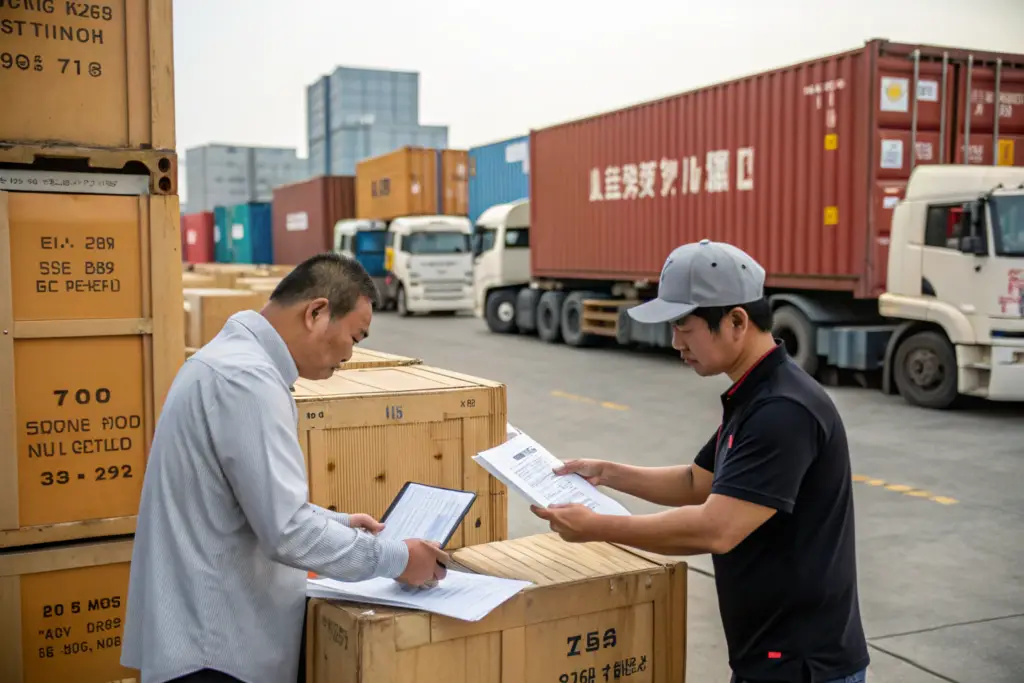
The standard document package for a DDP shipment of summer coats includes the Commercial Invoice, the Packing List, the Bill of Lading or Air Waybill, the ISF filing confirmation, the Customs Entry Summary, the Customs Bond, the Arrival Notice, and the Delivery Order. The Commercial Invoice is the most scrutinized document. It must list the seller, the buyer, the HTS code for each item, the unit value, the total value, the country of origin, and the Incoterm. An error in any of these fields triggers a Customs query. Under DDP, the seller prepares the Commercial Invoice based on their own product knowledge. The seller knows the exact fiber content, the exact fabric weight, and the exact construction method of the coat, which are the details that determine the correct HTS classification. When the buyer or an unfamiliar broker prepares the Commercial Invoice under FOB, they rely on the seller's information, and miscommunication leads to errors. The seller under DDP also files the Importer Security Filing, the ISF, which must be submitted to US Customs at least 24 hours before the vessel departs from the foreign port. A late or inaccurate ISF incurs a $5,000 fine. Under DDP, the seller bears this fine if the ISF is late. Under FOB, the buyer bears it. The US customs documentation requirements are legally binding. DDP centralizes the document preparation under the party that has the most accurate product data, which is the factory. This centralization reduces errors, and fewer errors mean faster clearance.
How Does A Factory Take Legal Responsibility For US Customs Clearance?
This is the question that surprises most brand owners. "A Chinese factory can be the Importer of Record in the US?" The answer is yes. A foreign entity can act as the Importer of Record for a US customs entry, provided they have a legal presence or a registered agent in the United States and have posted a customs bond. The Importer of Record is the party legally responsible for the accuracy of the entry and the payment of duties. When the factory acts as the Importer of Record under DDP, the factory's name goes on the entry forms. The factory's bond is used. The factory is the entity that US Customs will audit, fine, or penalize if something is wrong.
A factory takes legal responsibility for US Customs clearance under DDP by becoming the Importer of Record on the customs entry. The factory must have a US-based registered agent, a continuous customs bond, and a power of attorney granted to a licensed US customs broker. At Shanghai Fumao, we maintain a continuous bond with a US surety company, which covers all our DDP shipments for the year. Our US customs broker, who holds our power of attorney, files the entry under our name and our bond. When CBP reviews the entry, they see Shanghai Fumao as the Importer of Record. If there is a classification dispute or a duty audit, CBP comes to us, not to our brand client. The brand client's name does not appear on the entry documents as the responsible party.
This is the core of the DDP value proposition. The liability for customs compliance is transferred to the seller. The brand owner's legal exposure is dramatically reduced. The brand is the consignee, the party that receives the goods, but not the Importer of Record. The brand did not make the declaration to Customs. The factory did.
What Is A Customs Bond And How Does The Factory Provide It Under DDP?
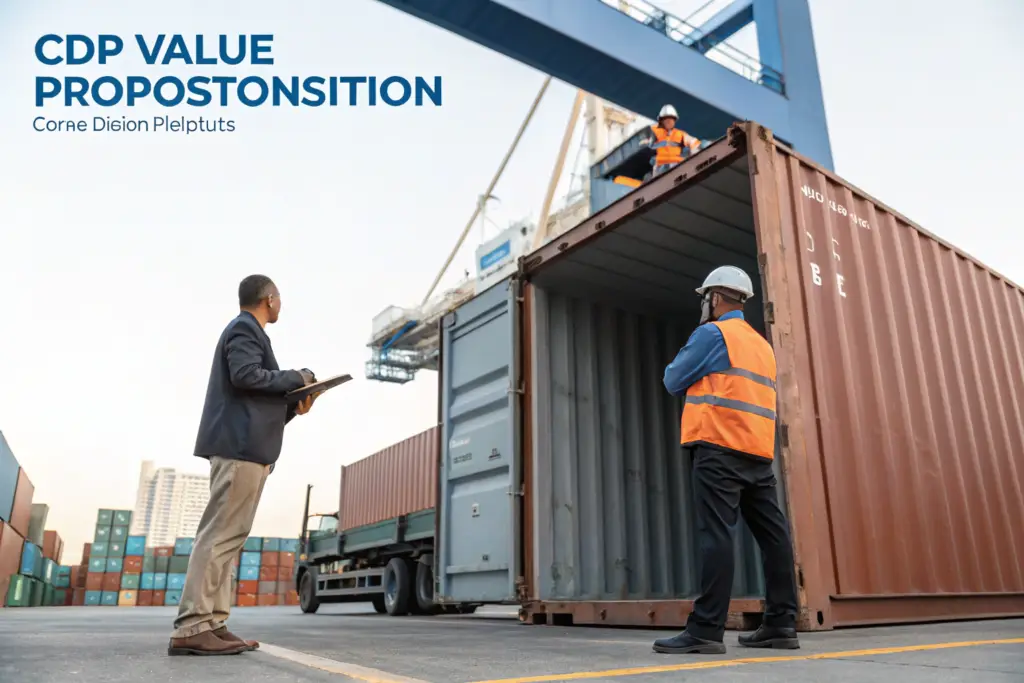
A customs bond is a financial guarantee required by US Customs for all commercial imports valued over $2,500. The bond guarantees that the Importer of Record will pay all duties, taxes, and fees owed on the shipment and will comply with all applicable laws and regulations. If the Importer of Record fails to pay or violates a regulation, Customs makes a claim against the bond. The surety company that issued the bond pays Customs, and then the surety collects the money from the Importer of Record.
There are two types of customs bonds: single-entry bonds and continuous bonds. A single-entry bond covers one shipment. It costs roughly 0.5% of the shipment value, with a minimum of about $50. A continuous bond covers all shipments by the same Importer of Record for a 12-month period. It costs a flat annual premium based on the estimated total duties, usually $500 to $1,500 per year for a moderate import volume. Under DDP, the factory must have a continuous bond in place. A factory that sources single-entry bonds for each DDP shipment is not a professional DDP operator. They are a factory that occasionally ships DDP when a client demands it. The continuous bond signals that the factory is a regular, established importer with a compliance history. The bond is not just a fee. It is a credential. A factory that can obtain and maintain a continuous bond has been vetted by the surety company, which checks the factory's financial stability and compliance record. At Shanghai Fumao, we have maintained a continuous bond for years. Our surety company reviews our import history annually. They see a clean record of on-time duty payments and zero penalty actions. This clean record translates into faster clearance for our DDP shipments because CBP's system recognizes our Importer of Record number as low-risk. The US customs bond requirements are not optional. They are the price of entry. A factory that takes DDP seriously invests in a continuous bond and maintains it.
Who Pays The US Import Duties When The Factory Acts As The Importer Of Record?
The factory pays the duties. This is the defining feature of DDP. The "Delivered Duty Paid" part of the acronym is literal. The seller pays the import duties and taxes at the destination country. The buyer does not receive a separate duty bill. The buyer does not need to set up an account with US Customs. The buyer does not need to know the duty rate, the HTS code, or the payment process.
The mechanism is straightforward. The factory's customs broker files the entry with CBP. The entry calculates the duty owed based on the HTS classification and the declared value. The broker then pays the duty to CBP from the factory's pre-funded account or via an automated clearing house transfer. The broker invoices the factory for the duty amount plus the brokerage fee. The factory includes this cost in the DDP price quoted to the buyer. The buyer's DDP price is an all-in number. The factory absorbs the risk of a duty rate change between the quote and the clearance. If the duty rate increases, the factory pays the increase. If the duty rate decreases, the factory keeps the saving. This risk transfer is valuable to a brand owner who does not want to monitor US trade policy. The US-China tariff landscape has been volatile over the last several years. Section 301 tariffs have been imposed, increased, excluded, and reinstated on various apparel categories. A brand owner managing their own customs clearance under FOB must track these changes, understand how they apply to their specific HTS codes, and adjust their cost models accordingly. A brand owner on DDP does none of this. The factory tracks the tariff changes and adjusts the DDP quote as needed. The brand owner receives a single price. The import duty payment process is handled by the party best positioned to manage it: the factory that knows the product's exact classification.
What Are The Hidden Costs Of DDP And Why Are They Worth Paying?
DDP is not free. The factory charges a premium over the FOB price to cover the logistics costs, the customs clearance, the duties, and the risk. This premium is the "hidden" cost of DDP that is actually a visible line item in the quote. The question is whether the premium is worth the value it delivers. To answer that, you must compare the DDP premium to the total cost of managing the logistics yourself, including the hidden costs of FOB that are not visible on the initial freight quote.
The DDP premium typically ranges from 8% to 15% of the FOB value for a standard summer coat shipment from China to the US. This premium covers the ocean freight, the insurance, the US duty, the customs bond, the brokerage fee, the ISF filing, the port handling, the trucking, and the risk margin for the factory. On a $50,000 FOB order, the DDP premium is $4,000 to $7,500. The comparable FOB costs, if managed perfectly by the buyer, might total $3,500 to $5,500. The DDP premium is roughly $1,000 to $2,000 more than the theoretical minimum FOB cost. But the theoretical minimum FOB cost assumes no demurrage, no exams, no classification errors, no late ISF fines, and no time spent managing the process. The real FOB cost, for a brand without an in-house logistics team, often exceeds the DDP premium due to the inefficiencies and errors of an unfamiliar process.
The DDP premium is not a logistics fee. It is an insurance premium against the cost of a logistics failure. A single customs exam that triggers a two-week demurrage bill can add $3,000 to $5,000 to the cost of a container. That single event wipes out years of FOB savings.
How Do Demurrage And Detention Fees Stack Up Under FOB Versus DDP?
Demurrage is the fee charged by the shipping line when the container sits at the port terminal beyond the allotted free time, which is typically 4 to 5 days after the container is discharged from the vessel. Detention is the fee charged when the container is held outside the terminal beyond the allotted free time for returning the empty container. These fees are aggressively punitive. A standard 40-foot container can accrue $150 to $300 per day in demurrage and detention charges. A two-week delay can generate a $3,000 to $4,200 bill on a single container.
Under FOB, the buyer is responsible for these fees. When Customs selects the container for an exam, the clock starts ticking. The buyer has no control over the exam timeline. The broker may or may not expedite the process. The terminal has no incentive to move quickly. The buyer receives an invoice weeks later and has no choice but to pay. Under DDP, the factory is responsible for demurrage and detention. This changes the factory's behavior. The factory has a direct financial incentive to clear the goods as fast as possible. The factory's broker is instructed to prioritize the entry, pre-file all documents, and resolve any CBP queries immediately. The factory also has the option to move the container to a bonded warehouse, where the storage fees are lower than the port terminal, if the exam is expected to take more than a few days. A factory with DDP experience knows these tactics. A brand owner on their third FOB shipment does not. The demurrage and detention charges explained represent the single largest uncontrolled variable in the FOB cost structure. DDP eliminates this variable by putting it under the control of the party with the strongest incentive and the most experience to minimize it.
What Is The Value Of Eliminating The Time Cost Of Customs Management?
The most overlooked cost of FOB is the time cost. The brand owner, or someone on their team, must manage the logistics process. They must coordinate with the factory, the forwarder, the customs broker, and the trucker. They must review the commercial invoice for accuracy. They must track the vessel. They must respond to the broker's queries about the HTS classification. They must approve the duty payment. They must schedule the warehouse receiving appointment. Each of these tasks consumes minutes or hours. Over the lifecycle of a single shipment, the cumulative time cost is 10 to 20 hours of skilled labor.
For a small brand with a founder who also designs the products, manages the marketing, and runs the sales meetings, those 10 to 20 hours are stolen from revenue-generating activities. The founder is not earning revenue while reviewing an ISF filing. The founder is earning revenue while designing the next season's line or negotiating with a wholesale account. If the founder's effective hourly rate is $150, those 20 hours cost $3,000 in lost productive capacity. Added to the direct logistics costs, the real FOB cost now exceeds the DDP premium. And this calculation does not include the stress cost. The mental load of managing an international shipment, the anxiety of waiting for the customs clearance, the fear of an unexpected bill. This stress is real and it degrades the founder's decision-making capacity. Under DDP, the time cost of logistics management drops to near zero. The brand owner sends the purchase order. The factory confirms the DDP price and the delivery date. The brand owner receives a shipping notification and then receives the goods. The entire administrative interface is a single email thread. The supply chain time management savings of DDP are not captured in any spreadsheet, but they are real and they compound over multiple shipments.
How Does DDP Strengthen The Relationship Between The Brand And The Factory?
The traditional FOB relationship is adversarial. The brand owner and the factory are on opposite sides of a risk boundary. The factory's responsibility ends at the port of export. The brand's responsibility begins there. When something goes wrong in the logistics chain, the factory and the brand argue about whose fault it is. The factory says the goods were delivered to the forwarder on time. The brand says the forwarder was late booking the vessel. The forwarder says the brand's broker was slow with the documents. The broker says the factory provided inaccurate information. Each party blames the other. The relationship erodes.
DDP strengthens the relationship between the brand and the factory by aligning their interests. The factory is responsible for the entire chain from the production floor to the brand's warehouse. There is no gap in responsibility where problems can hide. If the goods are late, the factory is responsible, period. There is no argument about whether the delay was in production or in shipping. The factory owns both. This alignment transforms the factory from a vendor of manufactured goods into a partner in the brand's success. At Shanghai Fumao, our DDP clients treat us as an extension of their operations team, not as an external supplier. They trust us because our interests are the same: get the goods to their warehouse on time, at the agreed price, in perfect condition.
The DDP model creates a single point of accountability. When accountability is clear, trust grows. When trust grows, the partnership deepens. The brand places larger orders. The factory invests in dedicated capacity for the brand. The relationship moves from transactional to strategic.
Why Does A Single Point Of Accountability Eliminate The Blame Game?
In a multi-party logistics chain, blame is a resource that each party tries to deflect. The standard playbook when a shipment is delayed is for every party to produce evidence that they performed their part on time and the delay was caused by another link in the chain. The brand owner, sitting at the end of the chain with an angry wholesale customer, does not care which link broke. They care that the goods are late. But under FOB, they must investigate the chain, identify the failure point, and negotiate compensation. This is a legal and administrative process that consumes energy and rarely recovers the full loss.
Under DDP, the chain collapses to a single link: the factory. The brand owner does not need to investigate the failure. They contact the factory and say, "The goods are late." The factory cannot deflect to the forwarder because the forwarder is the factory's subcontractor, not the brand's. The factory cannot deflect to the broker because the broker is the factory's agent. The factory owns the entire outcome. This accountability simplifies the problem. The brand owner receives an explanation and a revised delivery date from a single source. There is no blame game because there is no one else to blame. The factory's reputation with the brand is directly tied to the performance of the entire logistics chain, so the factory selects forwarders and brokers who are reliable, not just cheap. The factory invests in the logistics relationship because the factory, not the brand, suffers the consequence of a logistics failure. This single-point accountability is the structural advantage of DDP. The supplier accountability in supply chains is not just a contractual clause. It is an organizational design principle. DDP designs the organization so that the party with the most control over the outcome bears the full risk of the outcome.
How Does DDP Transparency Build Long-Term Sourcing Trust?
Transparency is the currency of trust in a supply chain relationship. A relationship built on incomplete information is fragile. The brand suspects the factory is hiding costs. The factory suspects the brand will leave for a cheaper option. Both sides protect themselves instead of collaborating. DDP replaces suspicion with transparency. The DDP price is a single number that includes everything. The brand knows the factory's margin includes a logistics risk buffer. The factory knows the brand is paying a premium for the risk transfer. Both sides understand the terms of the deal. There is no hidden agenda.
Over multiple seasons, the transparency of DDP builds a track record. The brand sees that the DDP deliveries arrive on time, every time. The factory sees that the brand pays on time, every time. The relationship develops a rhythm. The brand begins to share forward-looking sales forecasts with the factory, which allows the factory to pre-book fabric and reserve production capacity. The factory begins to share cost-saving ideas with the brand, because the factory knows the brand is not going to shop the idea to a cheaper competitor. The DDP relationship is sticky. It is expensive to switch factories when the factory is also your logistics provider. This stickiness incentivizes long-term thinking on both sides. The factory invests in the brand's success because the factory's revenue stream depends on the brand's continued growth, not on winning a one-time FOB bid. The long-term supplier relationship management research confirms that partnerships with high transparency and aligned incentives outperform transactional relationships on every metric: cost, quality, delivery, and innovation. DDP provides the structural incentive alignment that makes this partnership possible.
Conclusion
Customs clearance is the most intimidating part of importing for most American apparel brands. The acronyms are unfamiliar. The regulations are complex. The financial penalties for mistakes are severe. The process is opaque. A brand owner who can design a beautiful summer coat collection can be completely overwhelmed by the paperwork required to get that collection through US Customs. The DDP model removes this headache by transferring it to the party that is best equipped to handle it: the factory that made the goods.
Under DDP, the factory becomes the Importer of Record. The factory provides the customs bond, files the ISF, prepares the commercial invoice, classifies the goods under the correct HTS code, pays the duties, and resolves any Customs queries. The brand owner receives a single DDP price and a delivery date. The brand owner's legal exposure to US Customs is dramatically reduced. The brand owner's time is freed to focus on the business. The financial risk of demurrage, detention, and duty surprises is transferred to the factory. The relationship between the brand and the factory is strengthened by a single point of accountability.
At Shanghai Fumao, DDP is not a special service we offer to a few clients. It is our standard operating model for the US market. We have invested in the infrastructure that makes DDP reliable: a continuous customs bond, a dedicated US customs broker who knows apparel classification, a pre-vetted HTS code library for all our standard summer coat fabrics and styles, and a logistics team in China that coordinates the ocean freight, the air freight, and the final mile delivery. We manage DDP because we believe a factory should stand behind its product all the way to the customer's shelf, not just to the factory gate.
If you have been managing your own customs clearance and the stress is eating into your ability to run your brand, or if you have been avoiding the US market entirely because the import process seems too complex, let us show you how DDP changes the equation. Contact our Business Director, Elaine, at elaine@fumaoclothing.com. Ask her for a DDP quote on your next summer coat production run. She will provide a single price that covers everything, factory floor to your warehouse door. Because you should be spending your time building your brand, not filing customs entries.