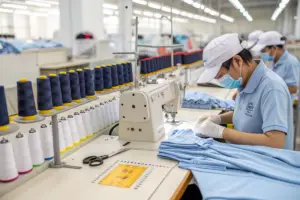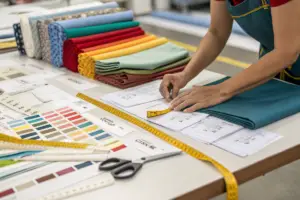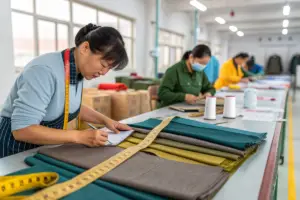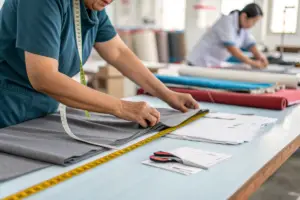
I was walking the floor of a major textile trade show in Shanghai last spring when I stopped at a booth run by a Japanese mill. They handed me a swatch of fabric. It looked like a beautiful, soft cotton twill. It was lightweight. It had a subtle, silky sheen. Then they poured a bottle of water over it, and the liquid beaded up and rolled off like mercury on glass. Then they crumpled it tightly in their fist, released it, and the fabric fell perfectly smooth. No wrinkles. I was looking at the future of summer outerwear. I knew immediately that this technology would fundamentally change what our customers could offer their clients.
Tech-fabric summer coats are transforming the women's apparel market by solving the core consumer frustrations of unpredictable weather, travel wrinkles, and stain vulnerability, turning a simple summer layer into a high-performance, high-value wardrobe asset.
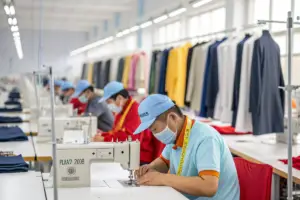
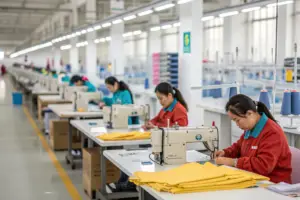
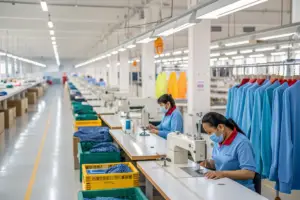
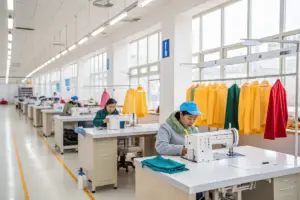
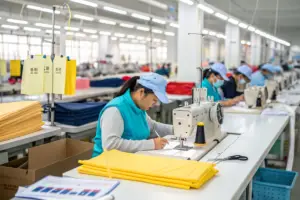
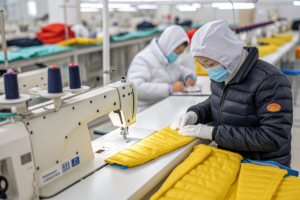
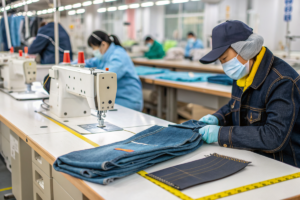
These are not the stiff, plasticky raincoats of the past. They are soft, breathable, beautiful garments that happen to possess remarkable technical properties. At Shanghai Fumao, we have invested heavily in sourcing and developing these materials for our brand partners. The market response has been extraordinary. I want to explain how these fabrics work, what styles are leading the charge, and how you can position this category for maximum commercial impact.
What Exactly Defines a "Tech-Fabric" for Summer Coats?
The term "tech fabric" is thrown around loosely in the fashion industry. A polyester jacket with a basic water-repellent coating is not a genuine tech garment. It is a commodity. A true tech fabric is an engineered material system. It is designed at the molecular level to deliver specific, measurable performance characteristics. Understanding this distinction is critical because the customer who pays a premium for a tech coat is doing so with high expectations. If the fabric fails to perform, the return rate will be punishing.
A genuine tech fabric for summer coats is defined by a combination of breathable waterproofing, wrinkle resistance, and lightweight durability, achieved through advanced material engineering like micro-porous membranes, high-twist yarns, and bio-based coatings.
These are not single-function fabrics. They are multi-problem solvers. They address the customer's anxiety about being caught in a summer shower, arriving at a meeting looking rumpled, or spilling coffee on a light-colored coat. At Shanghai Fumao, we categorize our tech fabrics by their primary performance feature, but the best fabrics combine several properties in one.
How Does Breathable Waterproofing Actually Work?
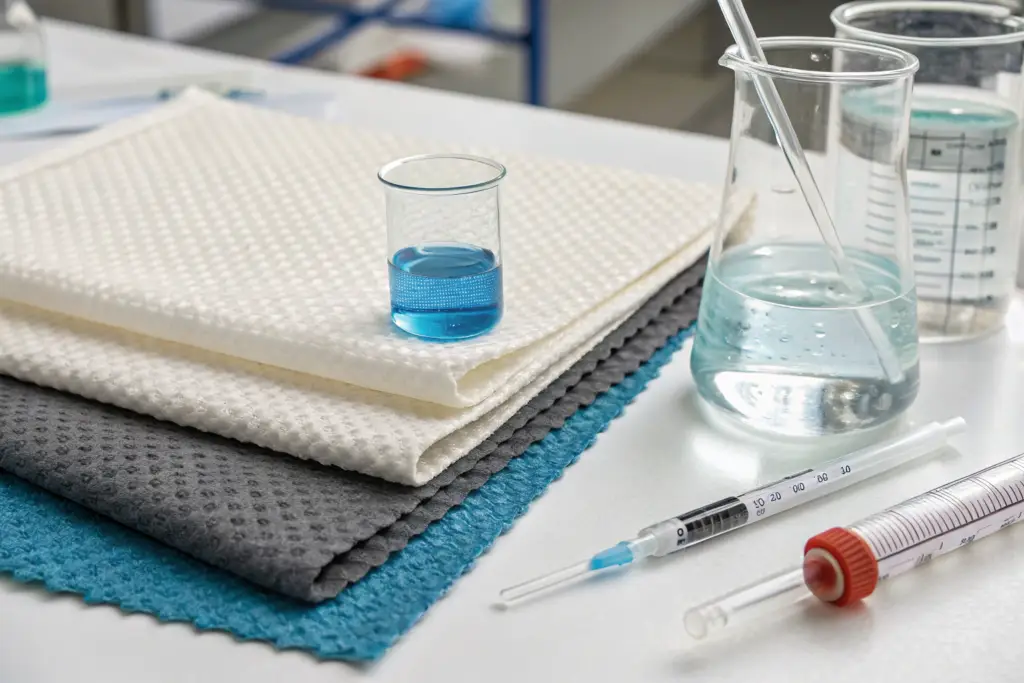
The breakthrough is the micro-porous membrane. This is an ultra-thin layer, often made from expanded PTFE or polyurethane, that contains billions of microscopic pores per square inch. Each pore is 20,000 times smaller than a water droplet. This means liquid water from rain cannot pass through the membrane. The fabric is fully waterproof. However, the pores are 700 times larger than a molecule of water vapor. This means sweat and body heat can easily escape as vapor. The fabric is breathable. The wearer stays dry from the rain outside and comfortable from the heat inside.
This technology has been around in heavy outdoor gear for years. The innovation for summer 2026 is that the membranes have become dramatically thinner and lighter. We are now working with membranes that are less than 10 microns thick. They add virtually no weight or stiffness to the fabric. The fabric still drapes like a fine cotton, but it performs like a high-end rain shell. We bond this membrane to a soft, brushed inner liner made from recycled polyester or Tencel. This protects the membrane and feels wonderful against the skin, even on a bare arm. For a recent project, we developed a summer trench coat using a Japanese membrane bonded to an organic cotton face fabric. It was completely waterproof, breathable, and looked exactly like a classic luxury trench. The brand sold it as their "impossible trench" and sold out at full price.
What Role Do Stain-Release and Anti-Wrinkle Technologies Play?
Water is not the only liquid enemy of a summer coat. Coffee, red wine, and salad dressing are equally dangerous. A stain-release finish is a chemical treatment applied at the molecular level that prevents spills from bonding with the fabric fibers. Instead of soaking in and leaving a permanent mark, the liquid beads up on the surface. The customer can simply blot it away with a napkin. The finish also makes home laundering more effective, allowing any residue to wash out easily. This technology is a massive value-add for light-colored coats.
Wrinkle resistance is another key performance feature for the summer travel market. A traditional linen blazer looks beautiful in a lookbook. It looks terrible after three hours on a plane. Tech-fabric coats solve this with a combination of high-twist yarns and a small percentage of mechanical stretch fiber. The high twist gives the yarn a natural springiness. It wants to return to its original shape. The mechanical stretch allows the fabric to flex and recover without permanent creasing. We produce a "travel blazer" for a North American brand that uses a recycled nylon-polyester blend with a 360-degree stretch. The blazer can be literally folded into a small pouch, and when you take it out, it falls open with barely a crease. The brand guarantees it with a "wrinkle-free promise." That guarantee is a powerful conversion tool.
What Tech-Fabric Coat Styles Are Dominating the Market?
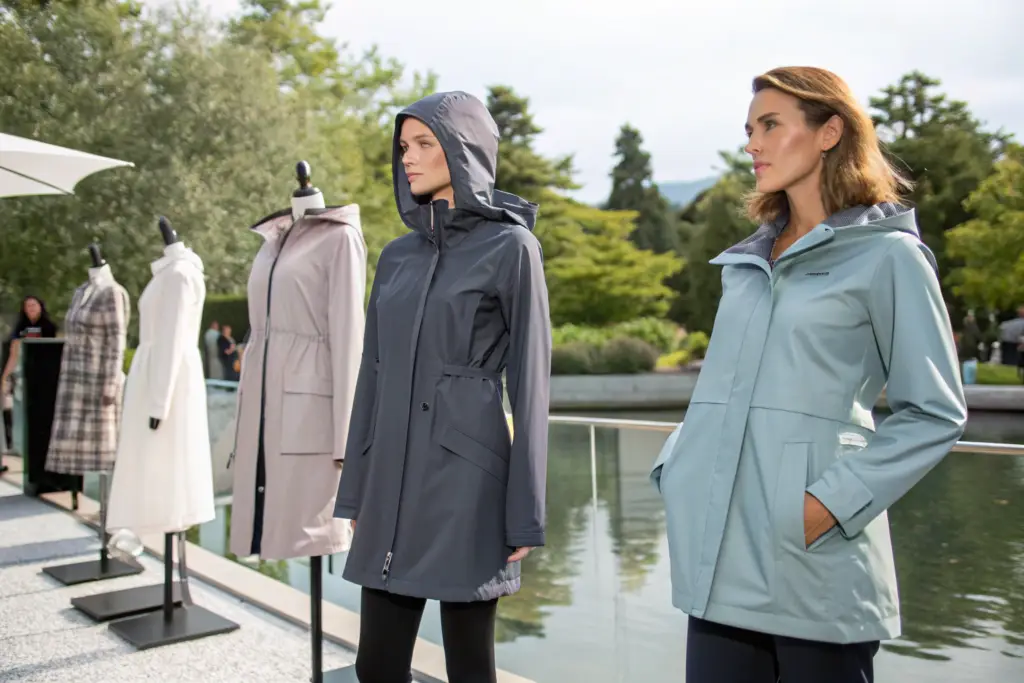
The technology is only as good as the silhouette it serves. The early days of tech fashion were dominated by purely functional, sporty shapes that had no place in a professional or social wardrobe. That has completely changed. The most successful tech-fabric coats for Summer 2026 are city-ready, elegant silhouettes that hide their technical capabilities behind a sophisticated design language. The customer gets the performance she needs without sacrificing the style she demands.
The dominant tech-fabric styles are the city rain trench, the performance travel blazer, and the packable anorak, each using advanced fabrics to solve a specific lifestyle problem with style.
These three categories cover the urban commute, the business trip, and the weekend adventure. They show the breadth of what is now possible with these intelligent materials. A woman can build a complete summer outerwear wardrobe entirely from tech fabrics.
How Is the City Rain Trench Being Reimagined?
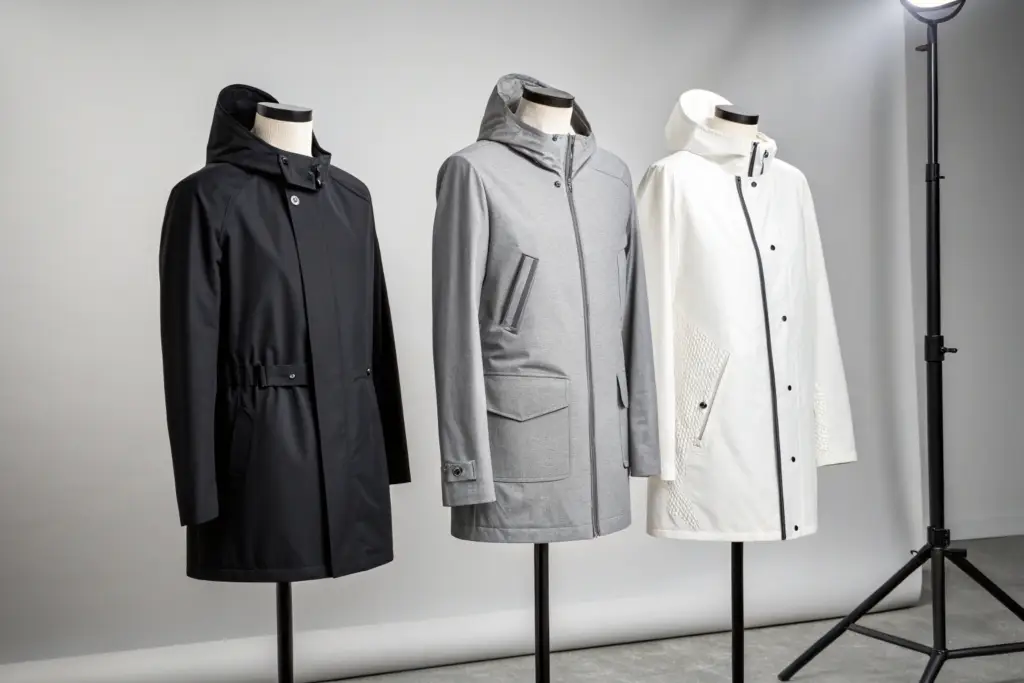
The classic trench coat is the most important canvas for tech fabric innovation. The silhouette is already iconic. The challenge was always weight and breathability. A traditional rubberized raincoat is heavy, stiff, and suffocating. The new city rain trench uses the bonded membrane technology we discussed. It has a beautiful, soft cotton or cupro face fabric and a completely waterproof, breathable core. The seams are sealed with a clear, flexible tape that is bonded under heat and pressure, not stitched. This creates a perfectly clean, modern finish.
The styling details are critical. We replace the heavy metal hardware with lightweight, matte-finished snaps or a sleek, waterproof zipper. The belt is a minimalist self-fabric tie with a simple, clean finish. The color palette is sophisticated and urban. Matte black, a deep navy, and a soft, heathered charcoal are the top-selling colors. A department store in London ordered this trench last season. They displayed it on a mannequin under a simulated rain shower in their window. The visual stopped traffic. Their sales associates were trained to pour water on the sleeve to demonstrate the waterproofing. This in-store theater created an unforgettable customer experience and drove a 40% sell-through increase over their traditional trench.
What Makes the Performance Travel Blazer a Game Changer?
The performance blazer is the product that is winning over the most skeptical customer. The woman who wears blazers to work has been burned by linen that wrinkles and cotton that stains. She is looking for a better solution. The tech travel blazer offers her exactly what she needs. It looks like a beautifully tailored, soft blazer in a heathered wool-like fabric, but it is actually a high-performance knit or a woven with multi-directional stretch. It is completely machine washable. It resists wrinkles for hours of wear. It often has hidden, zippered security pockets for a phone and passport.
We developed a travel blazer for a corporate women's brand using a Japanese knit fabric that mimics the look of a fine wool suiting. The fabric had a four-way stretch that moved with the body in complete comfort. It was treated with a PFC-free water-repellent finish. The brand marketed it as "the only blazer you need for a week-long business trip." They created a campaign showing the blazer styled five different ways. It became the most successful product launch in the company's history. The customer reviews were filled with stories of wearing it on long-haul flights, to client meetings, and then out to dinner, all without a single wrinkle or spot. This is the kind of transformative product experience that builds fierce brand loyalty.
Why Is the Packable Anorak a Volume Opportunity?
The packable anorak is the most accessible entry point into the tech coat market. It is a lightweight, functional pullover or zip-front jacket that packs down into its own pocket or a small pouch. It is designed for the unexpected summer shower or the windy evening. Its low price point and high functionality make it an easy add-on purchase. It is a volume driver. The technology is in the fabric. An ultra-light ripstop nylon or recycled polyester that is windproof, water-resistant, and weighs less than 200 grams.
For 2026, the anorak is being elevated with more sophisticated silhouettes and colors. A longer, A-line shape that provides more coverage. A cropped, boxy shape that looks great with high-waisted trousers. The colors are moving away from purely athletic brights towards more fashion-forward, muted tones. A dusty rose, a sage green, a pale lilac. These colors make the anorak feel like a fashion choice, not just a piece of emergency gear. A boutique chain in the Pacific Northwest ordered our packable anorak in five colors and merchandised them at the cash register in a basket with a sign that read "Never Get Caught in the Rain." They sold hundreds of units as an impulse purchase. The margin on this item was excellent because of the high perceived value of the technical fabric.
What Are the Commercial Benefits of Adding Tech Coats to Your Line?
Adding a tech-fabric coat to your collection is not just a product decision. It is a strategic business decision. These garments command a higher retail price. They generate powerful word-of-mouth because they solve real problems. They lower return rates because they perform reliably. And they attract a customer who is looking for innovation and is willing to pay for it. This is the customer who becomes a repeat, high-lifetime-value shopper.
The commercial benefits of tech coats include a higher average order value, significantly lower return rates due to performance reliability, and a compelling brand narrative of innovation that differentiates you from competitors.
These benefits flow directly to your bottom line. The higher price point increases your dollar margin per unit. The lower return rate protects that margin from the erosion of processing and restocking costs. The brand differentiation attracts new customers and retains existing ones. At Shanghai Fumao, we work with our partners to build the complete business case for the tech coat category.
How Do Performance Features Justify a Premium Retail Price?
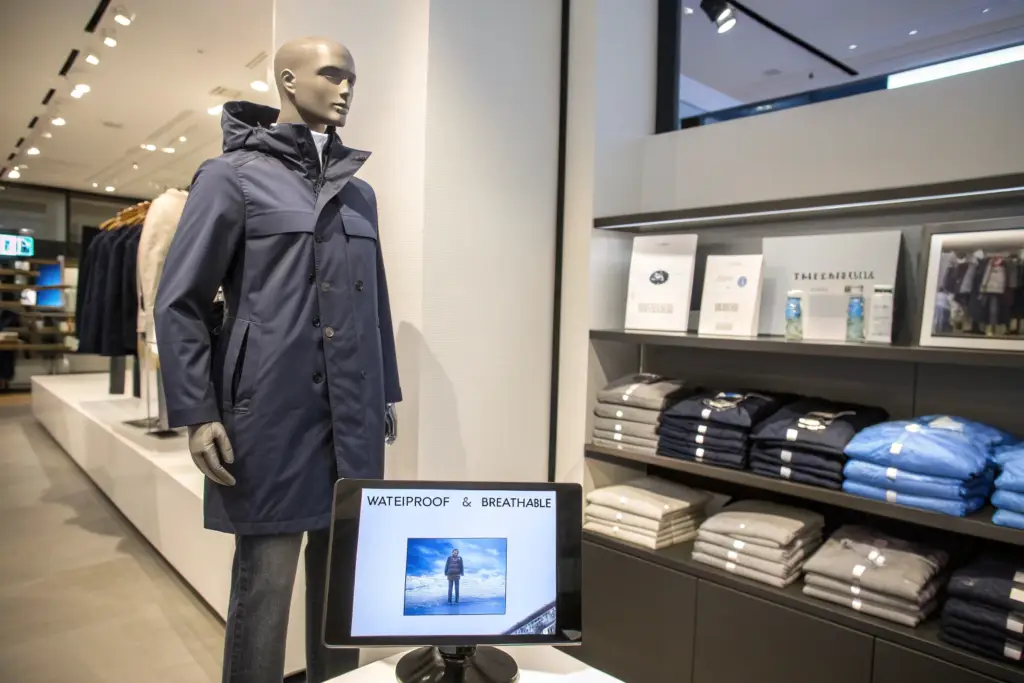
Price resistance melts away when a customer understands the problem being solved. A $150 standard linen blazer and a $295 tech travel blazer might look similar in a photograph. The value is communicated through demonstration and storytelling. The customer needs to see the water beading. She needs to feel the four-way stretch. She needs to hear the story of the Japanese membrane. This is why in-store experience and digital content are so critical.
We provide our retail partners with a demo kit. It includes a fabric swatch in a small frame, a miniature water spray bottle, and a card explaining the technology in simple terms. We also provide short, high-quality video assets for e-commerce product pages. These videos show the water test, the wrinkle test, and the stretch test. When a customer watches a white blazer completely repel a cup of coffee, her objection to the $295 price disappears. She is not buying a blazer. She is buying a solution to the anxiety of wearing a white blazer. This problem-solving positioning supports a premium margin. One of our partners retails their tech trench at a 65% margin, compared to a 55% margin on their standard trench. The customer happily pays the difference.
Why Do Tech Coats Generate Lower Return Rates and Higher Loyalty?
Returns are the silent killer of e-commerce profitability. A garment that looks great but fits poorly or feels uncomfortable will be returned. A tech coat, by its nature, has a higher satisfaction rate. The customer puts it on, and it feels light and comfortable. She spills something on it, and it wipes clean. She packs it in a suitcase, and it comes out smooth. Every positive experience reinforces her purchase decision. She keeps the coat. She wears it repeatedly. She tells her friends.
This performance reliability creates an emotional bond. The coat becomes a trusted tool in her wardrobe. When the next season arrives, and she sees the same brand has released a new color or a new silhouette, she is highly likely to purchase again. The customer lifetime value of a tech coat buyer is significantly higher than that of a standard coat buyer. We have tracked this with several of our direct-to-consumer brand partners. Their repeat purchase rate for customers who bought a tech coat is nearly double that of their average customer. The product earns the loyalty. That is the ultimate commercial argument for investing in this category.
How Do You Source and Vet Reliable Tech-Fabric Suppliers?
Sourcing tech fabrics is fundamentally different from sourcing conventional textiles. You are not just evaluating color and hand feel. You are evaluating performance claims that must be verified. The supply chain is more complex. The potential for misleading marketing is high. A fabric can be sprayed with a temporary finish that mimics water repellency but washes out after one cycle. A supplier can claim a fabric is "breathable" without any standardized test data. You need a sourcing process that is rooted in science and verification.
Sourcing reliable tech fabrics requires demanding standardized lab test reports, auditing the lamination and finishing facilities directly, and developing a clear, mutual understanding of the performance warranty with the supplier.
This is not territory where you can rely on trust alone. You need data. You need to know the test methods. You need to understand what the numbers mean. At Shanghai Fumao, we have built a rigorous vetting process for our tech-fabric mills. We only work with partners who meet our strict standards for performance and transparency.
What Lab Tests and Certifications Must You Demand?
The first test is the Hydrostatic Head test. This measures waterproofness. The fabric is placed under a column of water, and the pressure is increased until water penetrates. The result is given in millimeters. A fabric with a 5,000mm rating is showerproof. A fabric with a 10,000mm rating is fully waterproof. A fabric with a 20,000mm rating is suitable for extreme conditions. You need to know the number and the test standard used, typically ISO 811 or JIS L 1092.
The second test is the Moisture Vapor Transmission Rate test. This measures breathability. The result is given in grams of water vapor that pass through a square meter of fabric in 24 hours. A rating of 5,000 g/m²/24h is breathable. A rating of 10,000 is very breathable. A rating above 15,000 is exceptional. The third test is for the Durable Water Repellent finish. This is a spray test that measures how well water beads on the surface. The standard is AATCC 22. A rating of 90 or above is excellent. Critically, you must ask for these test results after 5 or 10 home launderings, not just on the virgin fabric. A finish that disappears after one wash is not a performance feature. We require all our tech-fabric suppliers to provide third-party lab reports from SGS or Intertek for these key tests, and we re-test random samples ourselves before bulk production.
How Do You Verify the Supply Chain Behind the Technology?
A tech fabric is often a composite of materials from different sources. The face fabric comes from one mill. The membrane comes from a specialty chemical company. The inner liner comes from another knitter. The bonding, or lamination, happens at a specialized facility. You need to understand this entire chain. Ask your supplier for a material traceability map. Where was the yarn spun? Where was the fabric woven? Where was the membrane produced and by whom? Where was the final lamination done?
A reputable supplier will provide this information transparently. This traceability is important for quality control. If a delamination issue arises, you need to know exactly where in the chain the failure occurred to fix it. It is also important for sustainability claims. If the membrane is a proprietary PTFE, there may be environmental concerns you need to disclose. We are increasingly sourcing bio-based membranes and PFC-free DWR finishes to align with the values of our brand partners and their customers. One of our key tech-fabric partners provides a complete digital twin of the supply chain, accessible via a QR code. Every step, from the recycled polyester chip to the finished bonded fabric, is documented. This level of radical transparency is the future of the industry.
Conclusion
Tech-fabric summer coats are not a passing fad. They represent a fundamental shift in what customers expect from their clothing. The woman buying a summer coat today wants more than just style. She wants a garment that solves problems. She wants to stay dry without sweating. She wants to look polished after a long journey. She wants to wear a light color without living in fear of the first coffee spill. The technologies exist to deliver all of this, wrapped in beautiful, sophisticated silhouettes.
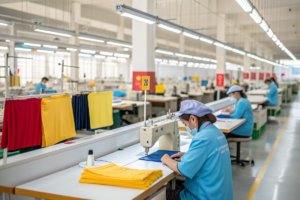
The brands that adopt this category early are reaping significant commercial rewards. They command higher prices, earn deeper customer loyalty, and differentiate themselves in a crowded market. The key is sourcing the technology correctly. This requires a manufacturing partner who is as rigorous about lab test reports as they are about stitch counts. At Shanghai Fumao, this is our expertise. We have done the hard work of vetting the world's best tech-fabric mills and building the specialized production line to handle these materials. If you are ready to explore how a tech-fabric coat can elevate your Summer 2026 collection, I invite you to connect with our Business Director, Elaine. She can send you our tech-fabric swatch book and walk you through the performance data. Reach her at elaine@fumaoclothing.com. Let's build the coat that your customer will rave about.