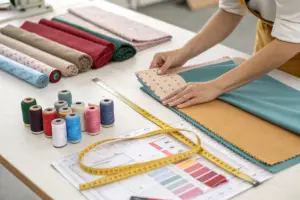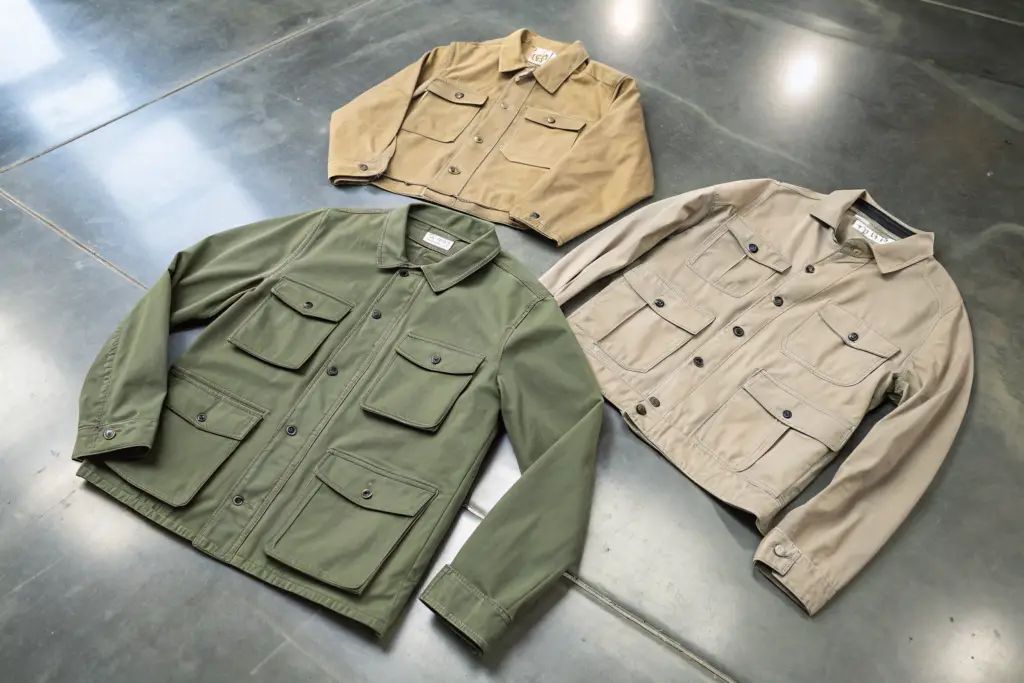
Last February, I was on a call with a wholesale distributor who covers the Midwest. He was reviewing his summer outerwear numbers from the previous year, and he sounded worried. "My utility jacket sales were flat," he said. "I think the trend is over. Maybe I should cut this category from my line sheet entirely." I asked him to send me photos of the jackets he had been selling. When I saw them, I understood immediately. They were heavy, boxy, and looked identical to what he had been selling for five years. The fabrics were stiff. The colors were drab. The silhouettes were dated. The problem was not the utility jacket category. The problem was that his product had not evolved.
Yes, utility-style summer jackets remain a highly viable wholesale product in 2026, but only in their evolved form, which features lighter fabrics, refined feminine fits, and sophisticated color palettes that meet the demands of the modern consumer.
The utility jacket is not dead. It has grown up. The customer who bought the classic, boxy field jacket five years ago still loves the functional DNA of the style. She loves the pockets. She loves the durable feel. But she now demands that it work with her current wardrobe of high-waisted trousers, flowing midi dresses, and tailored separates. At Shanghai Fumao, our utility jacket orders for Summer 2026 are up 35% year-over-year. I want to share exactly how this category has transformed and how you can stock it for maximum sell-through.
How Has the Utility Jacket Evolved from Its Rugged Origins?
The utility jacket's origin is pure function. It was military gear. It was designed for male soldiers to carry equipment in harsh conditions. The fit was boxy and oversized to accommodate layers of clothing and body armor. The fabric was heavy, stiff canvas or twill, built for durability, not comfort. The color palette was olive drab, khaki, and navy. This authentic, rugged heritage is what gave the garment its original cool factor. But it is no longer what the mainstream female customer wants to wear.
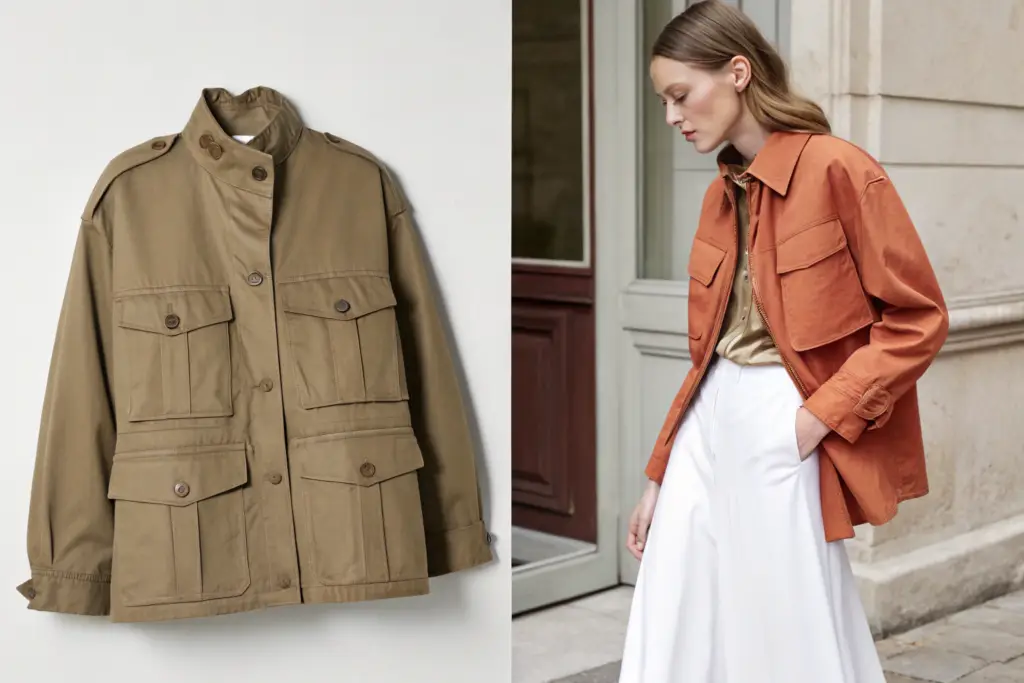
The utility jacket has evolved from a boxy, unisex, heavy-duty garment into a refined, feminine silhouette crafted from lightweight, soft fabrics that prioritize comfort and drape while retaining the iconic functional details.
This evolution is why the category is still growing. It has successfully crossed over from a niche, heritage-obsessed customer to a broad, fashion-conscious audience. The woman who would never have worn a stiff, military-style field jacket five years ago is happily wearing a soft, sage green utility shacket today. At Shanghai Fumao, this evolution guides every new utility style we develop. We keep the soul of the garment but completely re-engineer the body and the fabric.
Why Are Lightweight Fabrics and Soft Construction Now Essential?
The old utility jacket was a fall garment. It was too heavy and too stiff to even consider wearing in warm weather. The new utility jacket is a summer staple. This transformation has been driven entirely by fabric innovation. The heavy, 300 GSM canvas has been replaced by lightweight, 180 to 220 GSM fabrics that are breathable, soft, and comfortable against the skin. We are using washed cotton twills that have a soft, sueded hand feel. Tencel and cotton blends that drape beautifully and feel cool to the touch. Lightweight linen blends that add beautiful texture.
The construction has also softened dramatically. The old jacket was built with stiff fusing and heavy interlinings to maintain a rigid shape. The new utility jacket is often completely unlined or half-lined with a breathable cupro or cotton voile. The internal structure is minimal, allowing the jacket to move with the body. This soft construction makes the jacket feel more like a comfortable shirt than a heavy coat. It can be rolled up and packed. It can be worn open and flowing. A buyer from a contemporary brand in Los Angeles told me her customers describe our soft utility jacket as "the jacket you forget you're wearing." That is the new standard for summer outerwear comfort.
How Has the Silhouette Shifted to a More Feminine Fit?
The original utility jacket was a box. It had no shape. It was designed to fit a man. The modern utility jacket is cut with a woman's body in mind. The shoulder is softer, often slightly dropped for a relaxed, effortless look. The waist is gently shaped, either through subtle vertical darts or a slightly curved side seam. The length has been adjusted to work with current proportions. Cropped versions that hit at the high hip, perfect for pairing with high-waisted trousers. Longer, tunic-length versions that work beautifully over leggings or skinny jeans.
The sleeve is also a key point of difference. A traditional utility jacket sleeve was wide and long. The modern sleeve is often slightly tapered and finished with a clean, buttoned cuff that can be rolled back and secured with a tab. This small detail makes a huge difference in how feminine and polished the jacket looks. We developed a utility blazer for a women's workwear brand. It had all the functional pocketing of a field jacket but the silhouette of a tailored blazer. The collar was a soft, notched lapel instead of a pointed shirt collar. The fit was relaxed but clearly feminine. It was their number one selling jacket for the spring-summer season.
What Are the Top-Performing Utility Jacket Styles for 2026?
The utility jacket category is no longer a single product. It has diversified into a family of styles, each with its own distinct customer and occasion. A successful wholesale line sheet for 2026 needs to offer this variety. The retailer needs to be able to choose the specific utility silhouette that best fits her boutique's aesthetic and her customer's lifestyle. The data from our production floor tells a clear story. Three specific silhouettes are driving the overwhelming majority of the volume and the margin.
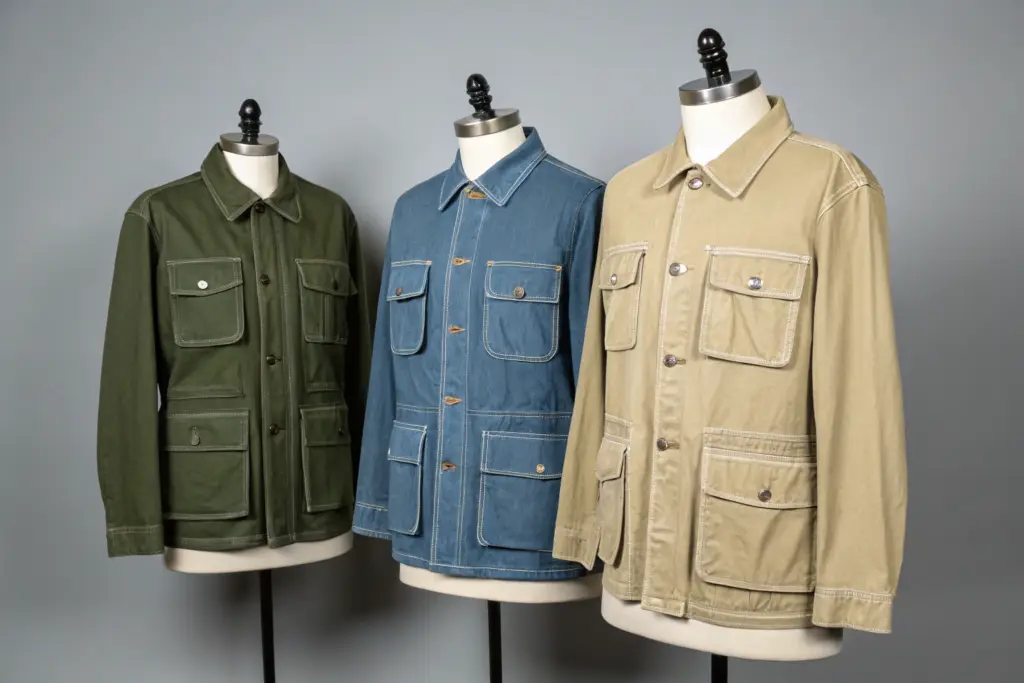
The top-performing utility jacket styles for Summer 2026 are the refined utility shacket, the cropped worker jacket, and the updated safari jacket, each offering a distinct interpretation of the trend.
These three styles form a perfect good-better-best assortment. The shacket is the volume driver. The worker jacket is the contemporary, fashion-forward piece. The safari jacket is the premium, higher-priced hero product.
Is the Utility Shacket Still the Volume Leader?
Yes, the shacket, the shirt-jacket hybrid, remains the volume king of the utility category. Its appeal lies in its incredible versatility. It is not quite a shirt, not quite a jacket. It can be worn buttoned up as a top or open as a lightweight layer. It pairs with everything. Jeans, trousers, skirts, dresses. It is the easiest utility style for a customer to adopt because it feels familiar and unfussy.
For 2026, the shacket has been refined. The fit is slightly more relaxed but not oversized. The length is cropped or hits right at the hip. The fabric is lighter and softer than previous seasons. A washed cotton-Tencel blend is our top seller. The details are clean and modern. Matte snap buttons instead of shiny metal. Streamlined patch pockets with a subtle angle. A soft, unlined construction. We produce a utility shacket for a nationwide retailer that comes in five colors every season. It is consistently their number one or number two selling outerwear SKU during the spring and summer months.
Why Is the Cropped Worker Jacket Trending with Younger Demographics?
The cropped worker jacket is the fashion-forward hero of the utility family. It takes the classic chore coat silhouette and aggressively crops it to hit at the waist or just above. It is boxy and slightly oversized in the body. It has a raw, utilitarian energy that resonates strongly with Gen Z and younger Millennial customers. It is the perfect topper for high-waisted cargo pants, maxi skirts, and summer dresses.
The key details are a pointed collar, a simple button front, and oversized patch pockets that feel almost exaggerated. The fabric is often a rigid, non-stretch cotton twill or a lightweight denim that gives it an authentic workwear feel. The color palette is younger and more trend-driven. Faded indigo, washed black, and a creamy, optic white. We developed a cropped worker jacket in a pale pink denim for a young, DTC brand. They marketed it as the "perfect summer topper" and it sold out in two weeks. The cropped proportion is what makes this style feel so current.
How Is the Safari Jacket Being Modernized for 2026?
The safari jacket is the most sophisticated and refined member of the utility family. It traditionally features a belted waist, four front pockets, and epaulettes. For 2026, this style is being softened and modernized. The heavy, stiff cotton is replaced with a lightweight, fluid lyocell-linen blend. The belt is often a self-fabric tie that can be removed or tied loosely in the back for a more relaxed look. The epaulettes are removed or minimized.
The silhouette is elongated and relaxed. It often hits at the mid-thigh, creating an elegant, almost duster-like proportion. The pockets are sleek and streamlined. This is the utility jacket that a woman can wear over a summer dress to a garden party or a lunch meeting. It has an air of quiet, sophisticated adventure. A boutique group with locations in upscale resort towns ordered our safari jacket in a beautiful, sun-faded khaki and a soft white. It was one of their highest-priced summer items and sold through completely at full price.
What Details and Fabrics Are Defining the Modern Utility Jacket?
The soul of a utility jacket lives in its details. The pockets. The buttons. The stitching. When a customer picks up the jacket, these are the elements she touches and examines. The quality of these details communicates the value of the garment more powerfully than any hangtag. Cheap hardware, messy stitching, or non-functional pockets can ruin the entire perceived value. In the modern market, the details must be both beautiful and functional. They must honor the utilitarian heritage of the style while feeling elevated and intentional.
The modern utility jacket is defined by premium, functional hardware like matte snap buttons, authentic but refined pocket designs, and soft, breathable fabrics with sustainable credentials.
These details are what allow you to command a premium price. They tell the customer that this is not a disposable fast-fashion piece. It is a well-made garment that will last. At Shanghai Fumao, we source our utility hardware from specialized suppliers and we obsess over the stitching quality.
What Hardware and Pocket Designs Communicate Quality?
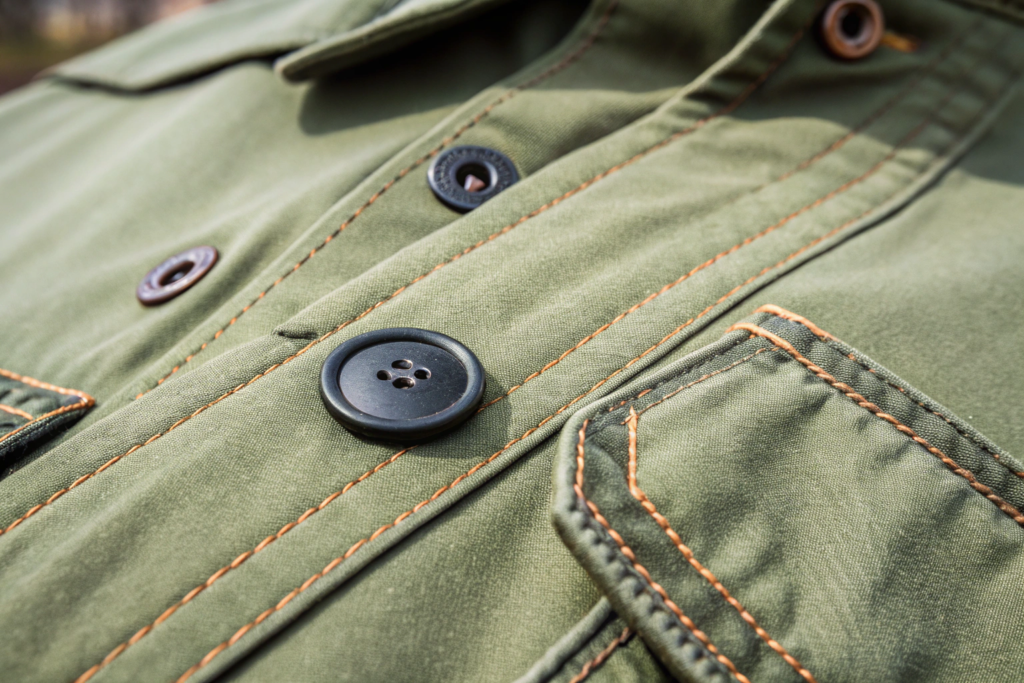
Hardware is the jewelry of a utility jacket. Shiny, lightweight metal snaps that tarnish easily scream "cheap." We use custom-finished, matte snaps and buttons that have a heavy, substantial weight. Matte black, brushed nickel, and antique brass are the premium finishes for 2026. The buttons are sewn with a reinforced thread shank and a clean, tight wrap that will never unravel. Every buttonhole is precisely laser-cut and cleanly stitched.
Pockets are the defining functional feature. They must be genuinely useful. A patch pocket that is too small to fit a phone is a design failure. We engineer our pocket sizes carefully. The bellows pocket, a pocket with an expandable side panel, adds authentic utility and a beautiful three-dimensional detail. The angle of a patch pocket also matters. A slight forward tilt makes it easier to access. The pocket is then secured with a bar-tack stitch at the top corners. A bar-tack is a tiny, dense zigzag stitch that provides incredible reinforcement. These are the details that a customer discovers over time. She puts her phone in the pocket and it fits perfectly. She washes the jacket and the buttons stay tight. These positive experiences build loyalty.
Why Are Sustainable and Soft Fabrics Non-Negotiable?
The modern consumer wants her utility jacket to feel good against her skin and align with her values. A stiff, scratchy canvas that requires months of breaking in is no longer acceptable for the mainstream market. The fabric must be soft from day one. This is achieved through fabric choice and washing. We use Tencel lyocell, organic cotton, and soft linen blends extensively. We apply enzyme washes and softener washes to the finished garments to give them a beautiful, lived-in hand feel.
Sustainability is a powerful part of the product story. A utility jacket made from GOTS-certified organic cotton or GRS-certified recycled cotton gives the retailer a compelling marketing narrative. The functional, durable nature of the utility style aligns perfectly with the "buy less, buy better" philosophy. We produced a utility shacket for a sustainable brand using a recycled cotton and recycled polyester blend. The fabric was soft, durable, and had a beautiful, heathered texture. The hangtag told the story of how many plastic bottles and textile scraps were saved from landfill to make the jacket. The product sold at a premium price, and the customer felt great about her purchase. This is the future of the utility category.
How Do You Position Utility Jackets for Maximum Wholesale Sell-Through?
A great product is only half the battle. As a wholesaler, your job is to make it as easy as possible for the retailer to buy your utility jackets and to sell them through to the end customer. This requires a strategic approach to pricing, presentation, and partnership. A confused or overwhelmed buyer does not place an order. A buyer who does not have the marketing tools to sell the product will not re-order. Your success depends on the retailer's success.
Positioning utility jackets for maximum sell-through requires a focused, curated line sheet, a compelling value proposition that justifies the price point, and the provision of high-quality marketing assets that the retailer can use immediately.
This is the service layer that transforms a transactional relationship into a long-term, profitable partnership. At Shanghai Fumao, we function as an extension of our wholesale partners' teams, providing the backend support that makes their selling job easy.
What Is the Ideal Wholesale Pricing Strategy for This Category?
The utility jacket sits in a beautiful pricing sweet spot. It is perceived as a more substantial, more complex garment than a simple cardigan or a basic denim jacket. The functional details, the pockets, the hardware, all communicate added value. This allows for a healthy wholesale price and a strong retail margin. A well-made utility shacket in a premium cotton blend can be wholesaled for $28 to $35 and retailed for $78 to $98. A more refined safari jacket in a linen blend can be wholesaled for $38 to $48 and retailed for $118 to $148.
The key is to clearly communicate the value that justifies the price. The wholesale line sheet should highlight the premium fabric, the custom hardware, and the sustainable certifications. When the retailer understands the quality story, the price becomes a reason to buy, not an objection to overcome. We help our partners build this value narrative into their sales materials. One distributor we work with created a simple one-page "Quality Story" sheet that his sales reps leave with buyers. It highlights the fabric origins and the construction details. He credits this sheet with significantly increasing his average order size.
What Marketing Assets Help Retailers Sell Utility Jackets?
Retailers are starved for good content. If you can provide them with beautiful, ready-to-use marketing assets, you become an invaluable partner, not just a vendor. For every utility jacket style, we provide a complete digital asset kit. This includes high-resolution e-commerce photographs on a white background, lifestyle photographs showing the jacket styled in complete outfits, and short video clips showing the jacket in motion and highlighting the close-up details.
We also provide pre-written product descriptions that the retailer can use on their website. These descriptions are SEO-friendly and highlight the key selling points. The most impactful asset is the styling guide. A simple, one-page PDF showing each utility jacket styled three different ways. This trains the sales associates and inspires the customer. One of our wholesale partners told us that the retailers who used our digital asset kits sold through their utility jacket orders 30% faster than those who only took their own basic photos. The content does the selling.
Conclusion
The utility-style summer jacket is not just surviving in 2026. It is thriving because it has undergone a complete and necessary evolution. The boxy, heavy, masculine garment of the past has been replaced by a family of soft, lightweight, feminine silhouettes that meet the modern woman exactly where she lives. The refined shacket is her everyday layer. The cropped worker jacket is her fashion statement. The updated safari jacket is her polished weekend piece. The details are elevated. The fabrics are soft and sustainable. The styling is effortless.
For the wholesale buyer, this category offers a powerful combination of volume, margin, and consumer demand. The key is to partner with a manufacturer who understands the modern iteration of this classic style. At Shanghai Fumao, we live at the intersection of authentic utility heritage and contemporary fashion. If you are building your Summer 2026 wholesale line and want to ensure your utility jacket assortment is perfectly calibrated for the current market, I encourage you to reach out to our Business Director, Elaine. She can share our latest utility line sheet and digital asset kit. You can contact her at elaine@fumaoclothing.com. Let's build utility jackets that work as hard as your customers do.