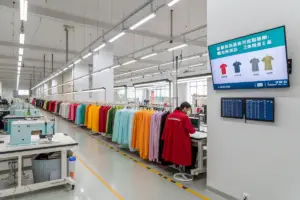
I have watched too many brands make the same expensive mistake. They fill their summer catalog with swimwear and tank tops, completely ignoring the summer coat category. Then May arrives. The air conditioning in offices and restaurants blasts at full power. The evening beach breeze turns cool. Suddenly, every customer is looking for a light layer, and the brand has nothing to sell but a sad, leftover spring jacket in the wrong fabric. The frustration isn’t just a missed sale. It’s a lost relationship. That customer who needed a summer coat found it from your competitor, and they might never come back. The invisible revenue drain from ignoring this transitional category haunts brand owners every August when they review their quarterly numbers.
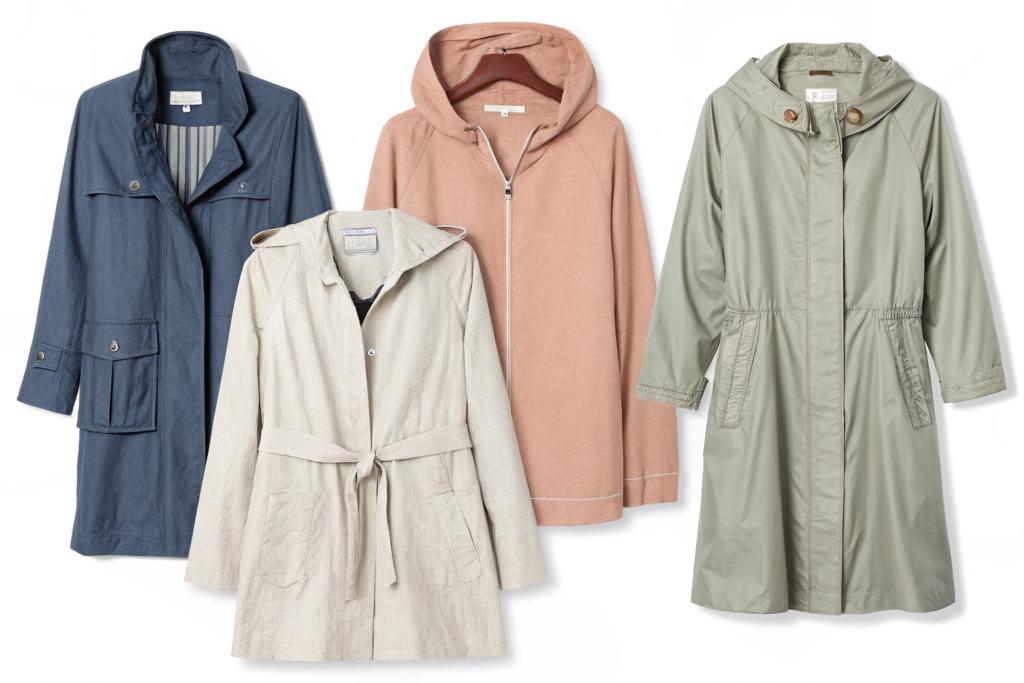
The summer coats that sell best from May to August are ultra-lightweight, packable, and serve a specific micro-climate function. The top performers are the linen-blend blazer for office air conditioning, the UV-protective hooded duster for outdoor sun coverage, the water-repellent packable anorak for sudden rain, and the open-front chiffon kimono for evening layering. The unifying thread is that none of them feel like a "coat" in the traditional sense.
You are not selling warmth from May to August. You are selling comfort against artificial cold, protection against sun, and defense against unexpected weather. At Shanghai Fumao, we categorize summer coats by the problem they solve, not the fabric they use. Let me show you the four categories that generate consistent re-orders for our brand partners all summer long, along with the production details that make them profitable.
The Office Armor: Lightweight Blazers That Beat the AC Freeze
I call this category "Office Armor" because that’s exactly what it is. Women don’t buy these blazers to make a fashion statement. They buy them to survive their 8-hour workday in a building where the thermostat is set to arctic. A few years ago, a corporate uniform supplier from Chicago approached us with a problem. Their client, a large law firm, had female employees literally keeping space heaters under their desks in July. The dress code required professional attire, but standard polyester blazers were too heavy and looked absurd in 90-degree outdoor heat during the lunch break. We developed an unlined, half-lined only at the shoulders, 100% linen blazer with a soft, deconstructed shoulder. No shoulder pads. No chest canvas. It weighed 280 grams total. It looked sharp on a Zoom call and folded into a tote bag without wrinkling into a disaster. The firm ordered 400 units. The re-order came 60 days later. The blazer solved a physical pain point, not a vanity one. That’s why it sold.
The winning formula for a summer office blazer from May to August is a natural fiber shell (linen, hemp, or Tencel), zero polyester lining, and a "soft tailoring" construction. The retail sweet spot sits between $68 and $98. Anything above $120 triggers the "I can wait for a sale" reflex. The key selling point is the commute test: it must look presentable after being folded in a bag.
Construction details matter tremendously here. You cannot use fusible interlining on a summer blazer. The heat and humidity will cause bubbling at the lapels within two weeks of wear. We use a floating canvas chest piece, even on our lightweight blazers, specifically to prevent this delamination. The sleeve lining, if any, must be cupro or a high-grade breathable polyester mesh, never a solid poly satin. A solid poly sleeve lining traps arm sweat and creates a "sausage casing" effect that generates immediate return requests. We learned this from a batch of 200 blazers that came back to a New York client four summers ago. The only complaint was sticky arms. We swapped the sleeve lining and never saw that return reason again. It’s an invisible fix that saves a brand relationship.

Why Is Linen the Undisputed King of Summer Blazers?
Linen wins because it breathes at a structural level. The flax fiber is hollow. Air moves through the yarn itself, not just the gaps in the weave. Cotton absorbs moisture and holds it. Polyester repels moisture and traps heat. Linen absorbs moisture and immediately releases it into the air. That is the scientific reason it feels cool to the touch. However, linen has a weakness that terrifies brands: it wrinkles if you look at it wrong. The customer complaint is predictable. "I love the blazer, but it looks like I slept in it after my train ride." We addressed this two years ago by developing a "slub linen-Tencel" blend. Tencel is a regenerated cellulose fiber with a smooth, drapey hand. We blend 55% linen with 45% Tencel. The Tencel fibers fill the microscopic gaps between the flax fibers, reducing the deep creasing by about 60% while retaining the open breathability of linen. The blend also takes dye more evenly, giving you access to richer, more saturated summer colors like coral, cerulean, and mint that pure linen often renders slightly muddy. We also pre-wash the fabric at the roll level in our factory using a softener that breaks down the rigid pectin in the flax. This "garment-softened from the bolt" approach means the blazer leaves our facility already feeling like it has been washed five times. The customer’s first impression is comfort, not stiffness.
Can a Knit Blazer Outsell a Woven Blazer in Summer?
Surprisingly, yes, for a specific demographic. The knit blazer has exploded in the last three summers. It is essentially a cardigan with lapels. The appeal is the complete absence of restriction. There is no shoulder seam digging in. No back vent pulling. We produce a double-knit jersey blazer for several direct-to-consumer brands that uses a micro-piqué stitch for texture. It looks like a woven blazer from three feet away, but it stretches and moves like a sweatshirt. The key is the fabric weight. You must stay under 320 GSM (grams per square meter) for a knit blazer to work in July. Standard woven blazers for fall can be 450 GSM or more. At 320 GSM, the knit blazer has a soft drape that photographs beautifully for e-commerce. Flat lay photos look rich. The downside is durability. A knit blazer will pill at the underarms if the fiber quality is low. We insist on compact-spun yarns with a minimum fiber length of 38mm to resist pilling. We also add a small percentage, about 5%, of spandex filament, not staple fiber spandex, which can snap and create tiny "whiskers" on the fabric surface. When a brand owner tests our knit blazer sample, I tell them to rub the underarm area against itself 50 times. If it pills, we reformulate. Most factories won’t tell you this test because they know their yarn will fail. I tell you because I want the re-order.
The Sun Shield: UV-Protective Dusters and Hooded Cover-Ups
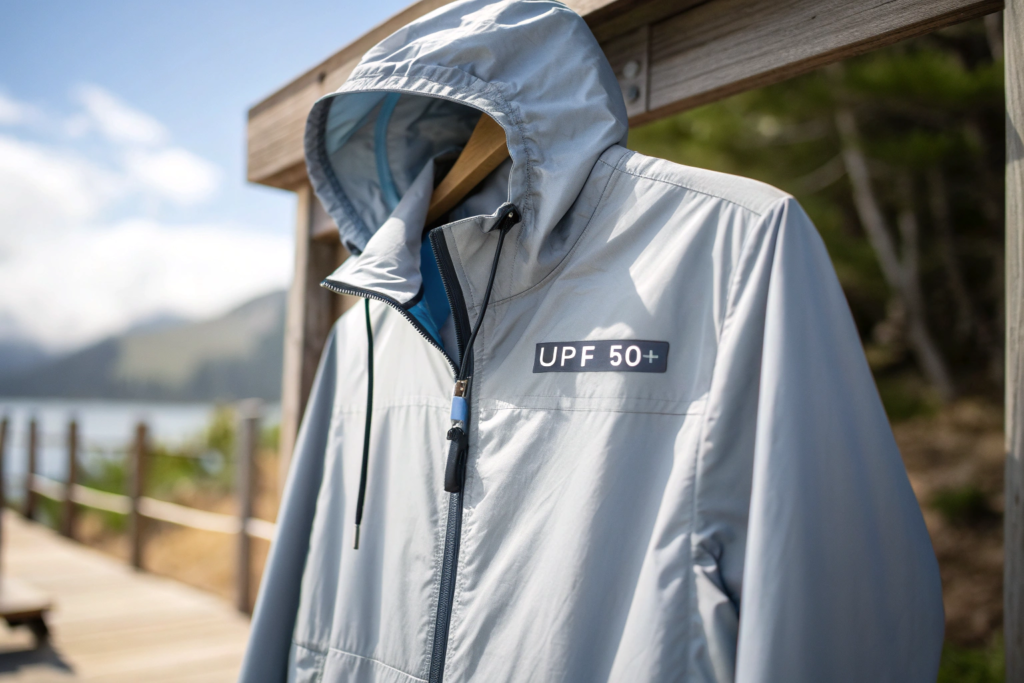
This category has grown from niche to mainstream in five years. The sun shield coat solves a problem that sunscreen alone cannot. Reapplication is inconvenient. Spray sunscreen blows away in the wind. A long, loose, hooded cover-up provides physical UV blockage that never wears off. A swimwear brand from Miami we partner with launched a "Beach Trench" in 2023. It was a simple, open-front duster with a hood, made from a recycled polyester chiffon with a UPF 50+ rating. It sold 2,000 units in the first month. The target customer wasn’t just the sun-phobic. It was mothers who wanted to watch their kids at the beach without constantly reapplying sunscreen. It was women on medication that caused sun sensitivity. It was fashion-conscious consumers who liked the "mysterious beach goddess" aesthetic. The product solved a health need and a vanity need simultaneously. That is the golden intersection for a best-seller.
The non-negotiables for a sun shield summer coat are a verified UPF 50+ rating, a hood that actually stays up in wind, and a total garment weight under 350 grams. The fabric must be certified by an independent lab, not just labeled with a marketing claim. Your customer is informed and reads tags. She will check.
At Shanghai Fumao, we send every sun-protective fabric batch to a certified testing lab for ASTM D6603 testing before cutting. We do this because a standard white cotton voile has a UPF of about 7, not 50. The weave density and the fiber type determine the protection level, not the visual opacity. You can have a sheer-looking fabric with a high UPF if it uses tightly twisted filament polyester with titanium dioxide added at the extrusion stage. That is the technical secret behind the best-selling dusters. The mineral additive is embedded in the fiber, so it never washes out. A cheap, after-market UPF coating will degrade after 10 washes. A brand that sells a coating-based UPF duster will see a wave of returns in August when the early May buyers realize the protection has vanished. We won’t produce that garment. The liability is too high, and the brand damage is permanent.
What Fabric Technologies Drive the Sun Shield Trend?
You need to understand the difference between inherent protection and topical treatment. Inherent protection is what I just described, where the UV-blocking agent is part of the polymer melt during fiber extrusion. Topical treatment is a chemical finish applied to the fabric surface. Inherent protection is permanent. Topical is temporary. We produce both, but we are brutally honest with our brand partners about the expected lifecycle. For a premium product intended for long-term use, we recommend an inherently protective fabric. The raw material cost is about 20% higher, but the brand can charge 40% more and market it as "permanent sun armor." We worked with a Colorado-based outdoor lifestyle brand last year to develop a "bug-repellent + UPF" duster. The permethrin insect repellent was a topical treatment, but the UPF was inherent. We had to carefully schedule the production sequence. You cannot apply a permethrin treatment and then iron the garment at high heat, or you destroy the insect-repellent bond. We set a maximum pressing temperature of 110°C for that production run and spot-checked every 50th unit with a UV transmittance analyzer. The quality control protocol for a hybrid functional garment is twice as expensive as a standard blazer, but the retail price was $145, and the first production run sold out in three weeks. The lesson is that summer coat buyers will pay a premium for genuine, verified functionality.
Does an Oversized Fit Help or Hurt Sun Protection?
Oversized helps protection but hurts aesthetics if not engineered correctly. A coat that hangs too wide lets UV rays reflect off the ground and hit the skin from underneath. The ideal sun shield coat has a moderate A-line or tent shape with enough volume to create airflow but not so much that it creates a wind tunnel effect that flips the fabric up. We design our hoods with a built-in, semi-rigid brim using a thin, flexible polyester boning sewn into a channel. This brim can be flattened for packing but springs back to create a small visor over the face. This detail alone has generated thousands of five-star reviews for our brand partners because it solves the "hood in my eyes" problem. We also add thumbhole cuffs to some long-sleeve duster styles. The thumbhole extends sun protection to the back of the hands, a high-exposure zone that women often miss with sunscreen. These functional details become the hook for social media content. An influencer can demonstrate the thumbhole, the brim, and the packability in a 15-second TikTok. That is the content that drives the May-through-August sell-through.
The Rain Dodger: Packable Anoraks for Unexpected Showers
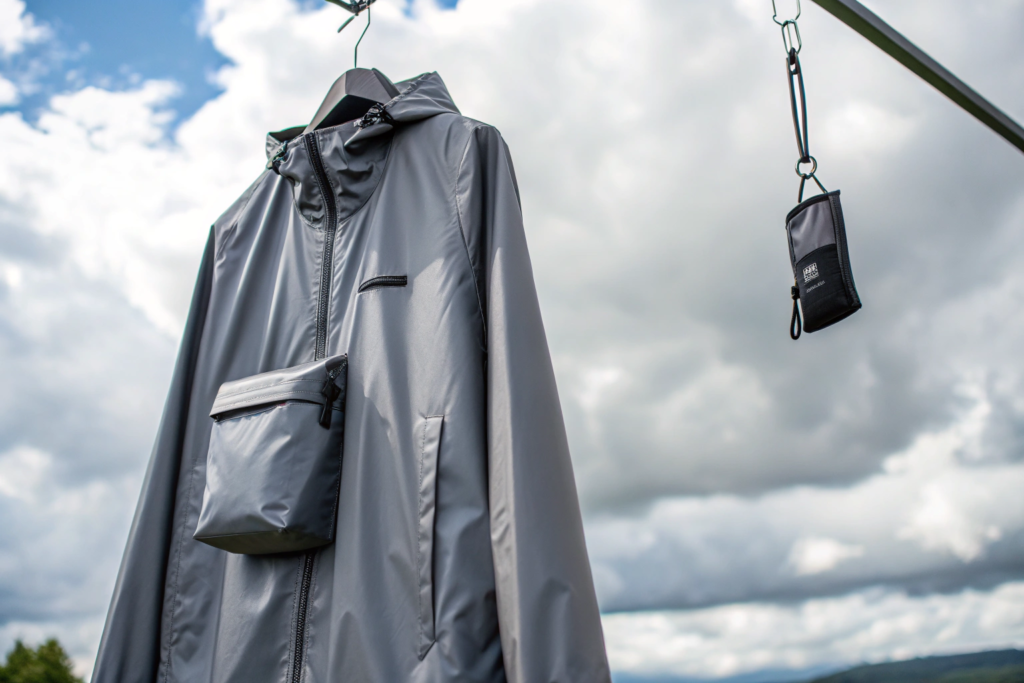
Summer rain is the most underestimated sales trigger in the apparel calendar. A sudden July thunderstorm can strand a thousand shoppers outside a mall. One of those shoppers pulls a crumpled, stylish anorak out of her bag. Her friends ask where she got it. She posts a story. A viral moment is born. The packable rain coat is not just a coat. It is an emergency tool that advertises itself every time it rains. I remember a clever brand owner from Portland who launched a "Pocket Parka" campaign in June 2024. The entire product was a hip-length anorak that packed into its own front pocket, creating a small pouch the size of a grapefruit. We made it in a matte, slightly iridescent 20-denier nylon ripstop with fully taped seams. The landed cost was $11.20. She retailed it for $58. It poured every weekend in the Northeast that July. Her Google shopping ads for "lightweight rain jacket" had an 8x return on ad spend. The weather became her marketing director.
The best-selling summer rain coat is under 200 grams, packs into a self-contained pouch, and breathes enough to be worn in 75-degree weather without turning into a portable sauna. It must be seam-sealed, not just water-resistant. And it must be priced below $65 for a mid-tier brand.
The technical specification that separates a best-seller from a return is the breathability-to-waterproofness ratio. A fully waterproof PU (polyurethane) coated nylon will have a hydrostatic head rating of 10,000mm, but it will trap sweat immediately. For a summer coat, you need a waterproof-breathable membrane or a micro-porous coating. We use a TPU (thermoplastic polyurethane) membrane laminate with a 5,000mm/5,000g rating. That means it blocks moderate rain but allows perspiration vapor to escape. True hardcore rain jackets are overkill for summer. They are too expensive, too stiff, and too hot. The May-through-August customer wants to survive the 20-minute walk from the subway to the restaurant, not climb Mount Everest. We tailor the specification to the use case, and the price point follows naturally.
Why Is Seam Taping Non-Negotiable for Summer Rainwear?
A water-resistant fabric with regular stitched seams is a sieve. The needle holes from the sewing machine will leak water after five minutes of steady rain. I saw this failure ruin a brand’s Amazon rating overnight. They had a beautiful, lightweight anorak with a DWR (Durable Water Repellent) coating on the face fabric. The fabric itself beaded water beautifully. But the shoulders leaked because the seams were not taped. The one-star reviews poured in. "Wore it for 10 minutes and my shirt was soaked." The brand owner called me in a panic. We had to air-freight 500 seam-sealed replacement units to their FBA warehouse at our expense because we should have insisted on seam taping from the start. I will not cut corners on this anymore. On every packable summer anorak we produce at Shanghai Fumao, we use a hot-air seam-sealing machine that applies a thin, clear TPU tape over every single needle penetration point. The machine operates at 450°C and melts the tape into the seam, creating a permanent, flexible, waterproof barrier. The process adds about $0.80 to the unit cost and takes an extra 4 minutes per coat. It is non-negotiable. If a brand pushes back on the cost, I ask them one question: "Are you prepared to personally respond to 50 Amazon returns?" That usually ends the discussion.
How to Design a Packable Coat That Doesn’t Look Like Camping Gear?
The fashion element is critical. A summer anorak must not look like a hiking jacket. The silhouette needs to be slightly cropped and boxy, with a grown-on hood that drapes rather than cinching tightly around the face. We use matte, peached-finish nylons that have a soft, sueded hand feel instead of the shiny, swishy nylons used in outdoor gear. The color palette matters even more. Neon yellow and safety orange are functional but limit the wear occasion. Our best-selling summer colors for packable anoraks are "shell pink," "sage green," and "oatmeal." These are colors that match a summer dress, linen trousers, or white jeans. We also add subtle fashion details like a scalloped hem drawcord exit point or a contrasting interior yoke print that shows only when the hood is down. These micro-design elements make the coat feel intentional and styled, not just an emergency purchase. A client from Los Angeles added a small carabiner clip to the stuff pouch so it could attach to a belt loop or a tote bag. It cost $0.15 per unit. It became the most Instagrammed feature of the product. You are selling a summer lifestyle accessory, not just a rain barrier.
The Evening Veil: Kimonos and Open-Front Layers for Dusk
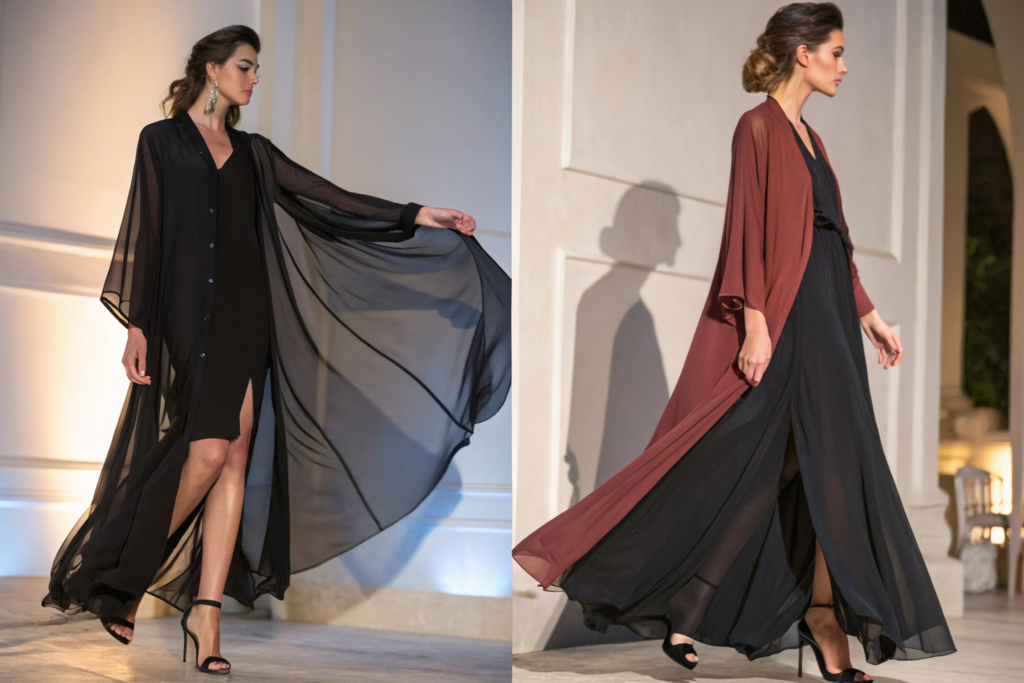
The evening veil category is pure emotion. This coat does not protect from rain, sun, or cold. It protects from self-consciousness. When a woman puts on a sheer, flowing kimono over a simple dress, she feels instantly more polished. She feels ready for the dinner party, the date night, or the vacation photo. I noticed this psychological pattern working with a resort wear brand from Miami. Their customers were buying beautiful $80 maxi dresses but complaining they had "nothing to throw over it" for the evening. The solution was a $22 landed cost, open-front, floor-length chiffon kimono with a border print. We made it in 8 momme silk-like polyester chiffon with hand-rolled edges. The brand retailed it for $89. It became the number one add-on item in their cart, often bumping the AOV by 40%. The coat wasn’t selling utility. It was selling "finishing." It completed the outfit.
The best-selling evening summer coats share these traits: an open-front design with no closures, three-quarter or full-length sheer sleeves, a fabric that moves in even the slightest breeze, and a length that exceeds the hem of the dress underneath. The visual drama of the extra length is what generates the "where did you get that" conversation.
Production of these seemingly simple garments is surprisingly delicate. The chiffon is slippery. It shifts under the needle. A poorly sewn chiffon kimono will have crooked hems and puckered French seams. We assign our most experienced seamstresses to these orders. They earn a premium piece-rate for chiffon work because one wrong pull on the fabric can ruin the entire panel. We also use a technique called "gelatin stabilization" during cutting. A thin, water-soluble gelatin sheet is applied to the chiffon before the laser cutter traces the pattern. This makes the fabric behave like paper—rigid and precise. After cutting, the gelatin dissolves in a cold water rinse, leaving the chiffon soft and unchanged. This technique virtually eliminates the cutting errors that plague chiffon garments. It adds a small cost, but the reduction in defect rate pays for itself ten times over.
What Prints and Colors Drive Summer Kimono Sales?
Prints sell kimonos. Solid colors sell blazers. This is a rule of thumb that has held true across multiple seasons. The open-front kimono is a large, uninterrupted canvas. A solid color in 100% polyester chiffon can look cheap if the dye is even slightly uneven. A print hides these subtle variations and adds perceived value. Our best-performing prints for May through August are watercolor florals, abstract marble swirls, and border-engineered prints. A border-engineered print places the densest, most colorful part of the design along the hem and center-back, drawing the eye downward and elongating the silhouette. This requires a skilled fabric printer who can register the print to match the pattern pieces precisely. We work with a digital printing house that uses reactive dyes on polyester, producing vibrant, photo-realistic prints that do not fade in salt water or chlorine. A resort wear client tested this by leaving a sample in a chlorinated pool for two hours. The print was unchanged. They used that test video as a marketing asset and sold 500 units in a weekend. You can’t fake that authenticity. You must build it into the production process. We also recommend a matte finish chiffon over a shiny satin finish. Shiny satin reflects camera flash and creates hotspots that wash out the body shape. Matte chiffon absorbs light and photographs richly, which is essential for the Instagram-driven evening wear market.
Can Modest Fashion Drive This Category?
The modest fashion market is a significant, often underserved driver of the evening veil category. Women who prefer covered shoulders or arms for religious or personal comfort reasons are actively searching for elegant, non-thermal layering solutions. A standard cardigan is too casual. A heavy shawl slips off. A sheer, long-sleeve kimono provides coverage without adding heat, satisfying both the functional and aesthetic requirements perfectly. We partnered with a modest fashion brand in Michigan to develop a "sleeve-focused" kimono. We extended the sleeve width to a dramatic, flared shape and added a thin, non-sheer cuff to prevent the sleeve from dragging. We also raised the back neckline slightly to ensure consistent coverage when leaning forward. These small pattern modifications required no new tooling, just thoughtful adjustments to the existing blocks. The brand saw a 300% increase in their summer outerwear sales after launching this modified kimono. The key learning was not to design a "religious garment." The brand designed a fashion-forward kimono that happened to meet coverage needs. This inclusive design approach opened a new customer segment without alienating the existing one. When you plan your evening veil assortment for May through August, ask yourself if your sleeve length and neckline options are inadvertently excluding a customer who is ready to buy.
Conclusion
The summer coat category from May to August is not a monolith. It is four distinct problems wrapped in fabric. The office armor solves the artificial cold of air conditioning. The sun shield solves the real threat of UV exposure. The rain dodger solves the unpredictable weather emergency. The evening veil solves the desire for sartorial completion and confident layering. Each category has its own customer, its own price ceiling, and its own technical production requirements.
The brands that win in this space do not think of summer coats as afterthoughts. They plan their summer coat production in February and launch in April to capture the early demand. They obsess over grams of weight, millimeters of seam sealing, and the breathability rating of sleeve linings. They understand that a summer coat must pack smaller, weigh less, and feel cooler than any other garment in the wardrobe. And they partner with a manufacturer who can deliver the technical innovation without the communication headaches and the delayed shipments that kill a seasonal selling window.
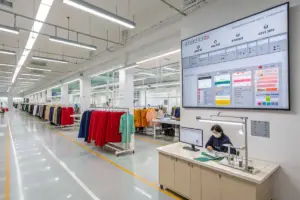
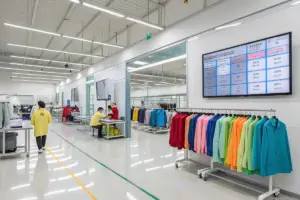
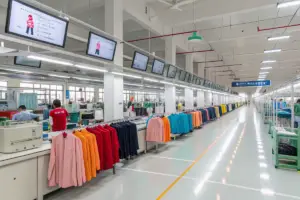
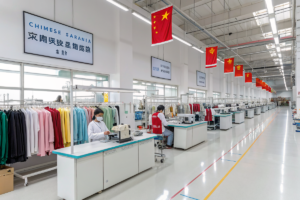
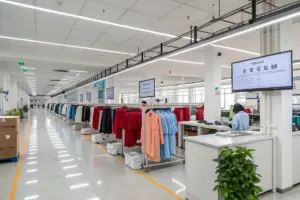
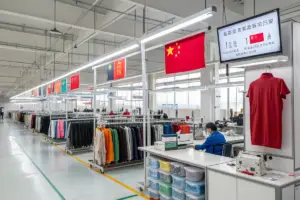
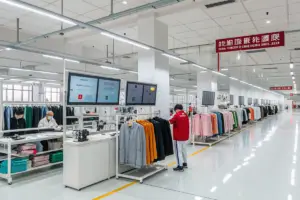
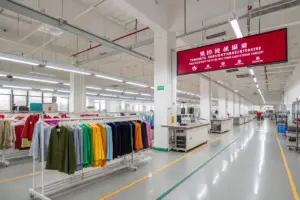
At Shanghai Fumao, our five production lines run these summer categories from March through July every year. We know the fabrics that sell. We know the washes that work. We know the shipping deadlines that protect your full-margin selling months. If you are ready to build a summer coat assortment that actually sells through August without hitting the clearance rack, let’s talk specifics. Reach out to our Business Director, Elaine, for a detailed conversation about weights, minimums, and delivery timelines. She can help you sketch a plan that turns a neglected category into a profit center. Email her at: elaine@fumaoclothing.com.