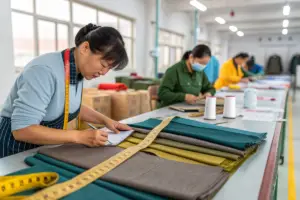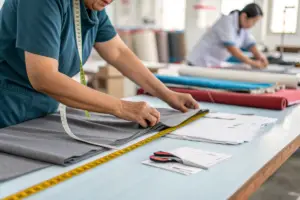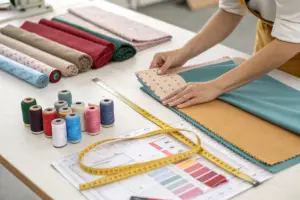
I have seen many brand owners struggle with fabric selection. Some pick the wrong fabric and end up with garments that do not sell. Others pay too much for fabric that is not right for their market. Fabric choice affects everything. It affects the look, the feel, the price, and the quality of your clothing line. In this article, I will share what I have learned about choosing the right fabric from a manufacturer perspective.
The right fabric for your clothing line depends on your target market, your price point, your garment type, and your season. Cotton is best for everyday wear and basics. Polyester blends work well for activewear. Linen suits summer collections. Denim works for casual durable wear. Always order fabric samples before committing to bulk production.
I will walk you through the key factors to consider when choosing fabric. I will explain the most common fabric types and their uses. I will also share tips on how to test fabric quality before placing your order.
What Factors Should You Consider When Choosing Fabric?
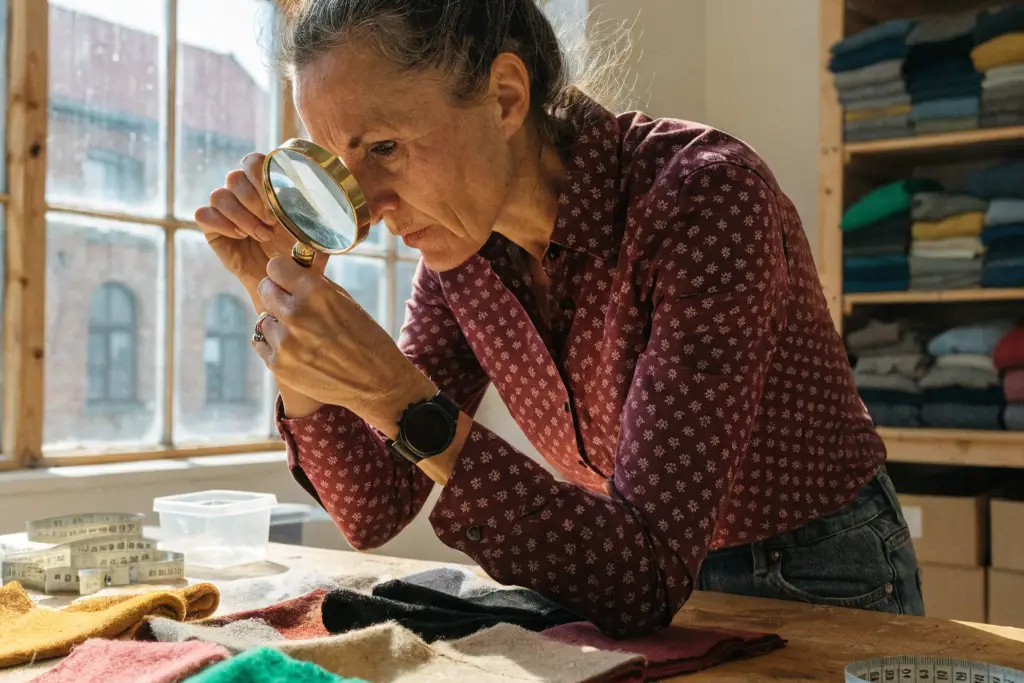
Fabric choice is not just about how a material looks. It affects the entire production process and your final product quality. I have worked with hundreds of clients. The ones who think carefully about fabric always end up with better products.
When choosing fabric for your clothing line, consider garment type, target market price point, season and climate, drape and hand feel, durability and care requirements, color and print compatibility, shrinkage and stretch properties, and lead time for fabric sourcing and production.
Here is a breakdown of the key factors and how they affect your choice.
| Factor | Why It Matters | Best Options | What to Avoid |
|---|---|---|---|
| Garment type | Different fabrics suit different garments | Cotton for tees, denim for jeans | Wrong fabric for the cut |
| Price point | Fabric is 40-60% of garment cost | Cotton for mid-range, polyester for budget | Overpaying for fabric |
| Season | Seasonal fabrics sell better | Linen for summer, wool for winter | Wrong season fabric |
| Durability | Affects customer satisfaction | Cotton-poly blends for everyday wear | Fabric that wears out fast |
| Care | Customers prefer easy care | Machine washable fabrics | Dry clean only for mass market |
How Does Garment Type Affect Fabric Choice?
Different garments need different fabrics. T-shirts work best with 100% cotton or cotton-poly blends. Polo shirts need pique cotton or performance blends. Dresses and blouses need fabrics with good drape like viscose or rayon. Jackets and coats need heavier fabrics like twill or wool blends. Activewear needs stretch and moisture-wicking properties like polyester-spandex. Kids wear needs soft, durable, and easy-care fabrics. At Fumao Clothing, we help clients choose the right fabric for each garment type. We have experience with all fabric categories. Learn more at Textile Exchange and Fashion United.
What Is the Relationship Between Fabric Cost and Garment Price?
Fabric cost is the biggest factor in garment pricing. It makes up 40% to 60% of the total production cost. If you choose an expensive fabric, your final garment price will be high. If you choose a cheap fabric, your garment quality will suffer. The key is finding the right balance. For a mid-range brand, good quality cotton or cotton-poly blends work well. For a premium brand, consider organic cotton, bamboo, or specialty blends. For budget brands, standard polyester or poly-cotton blends keep costs low. At Fumao Clothing, we source fabric at competitive prices. We can help you find the best fabric for your budget. Check Cotton Incorporated for fabric cost insights.
What Are the Most Common Fabric Types for Apparel?
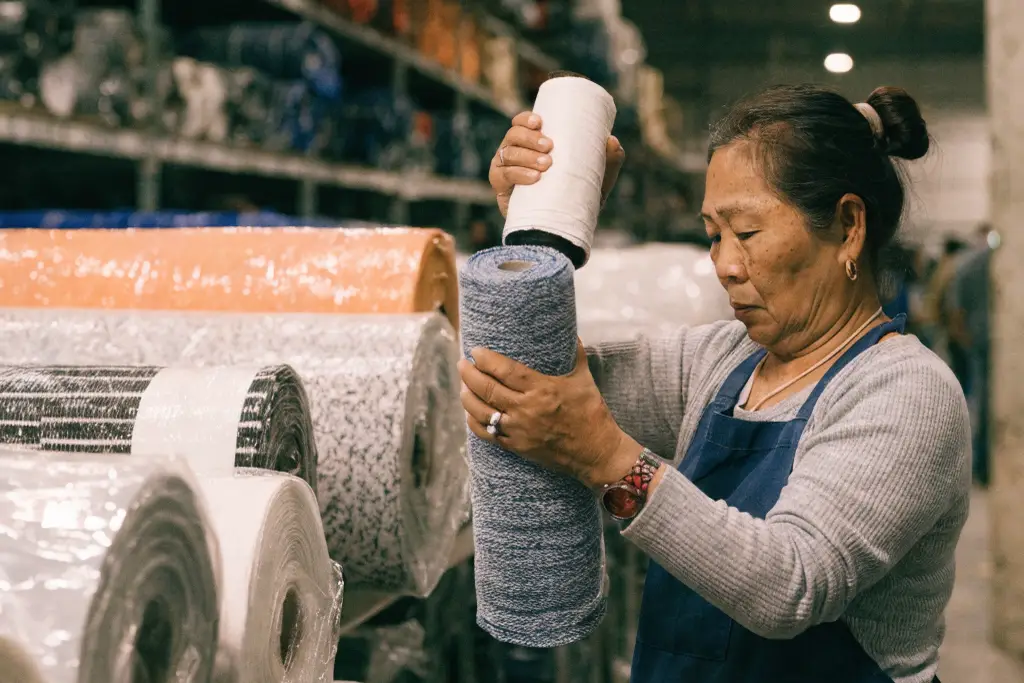
There are hundreds of fabric types out there. But for most clothing lines, you only need to know a handful. I have seen brand owners get overwhelmed by the choices. The good news is that 80% of garments use just a few common fabric types.
The most common fabric types for apparel include cotton for everyday basics, polyester for activewear and budget-friendly garments, cotton-poly blends for durability and easy care, denim for jeans and casual wear, linen for summer collections, and knit fabrics for t-shirts and casual tops.
Here is a comparison of the most common fabric types and their best uses.
| Fabric Type | Best For | Pros | Cons |
|---|---|---|---|
| 100% Cotton | T-shirts, shirts, basics | Soft, breathable, natural | Shrinks, wrinkles |
| Cotton-Poly Blend | Polos, workwear, kids wear | Durable, low shrinkage, easy care | Less breathable |
| Polyester | Activewear, outerwear, budget | Durable, wrinkle-free, cheap | Not breathable, plastic feel |
| Denim | Jeans, jackets, skirts | Durable, classic look | Heavy, takes time |
| Linen | Summer shirts, dresses, pants | Light, breathable, natural | Wrinkles a lot |
| Viscose/Rayon | Dresses, blouses, linings | Good drape, soft, affordable | Shrinks, needs care |
Why Is Cotton the Most Popular Fabric for Clothing?
Cotton is the most popular fabric in the world for good reason. It is soft, breathable, natural, and comfortable against the skin. It works for almost every type of garment. It is easy to dye and print on. It is also relatively affordable compared to specialty fabrics. Cotton has some downsides though. It shrinks in the wash. It wrinkles easily. It can fade over time. For these reasons, many brands choose cotton-poly blends for everyday garments. The blend retains the soft feel of cotton but adds durability and reduces shrinkage. At Fumao Clothing, we use high-quality cotton from trusted suppliers. Learn more at Better Cotton Initiative and Cotton Incorporated.
When Should You Choose Polyester Blends Over Cotton?
Polyester blends are better when you need durability, stretch, or moisture-wicking properties. Activewear almost always uses polyester-spandex blends. Work uniforms use poly-cotton for durability and easy care. Outdoor gear uses polyester for water resistance and quick drying. Polyester is also cheaper than cotton. This makes it good for budget-friendly clothing lines. The downside is that 100% polyester is not breathable. It can feel hot and sweaty. That is why cotton-poly blends are often a better choice. They give you the best of both worlds. At Fumao Clothing, we can help you choose the right blend ratio. Contact us to discuss your fabric needs. Learn more at Textile World and Just Style.
How to Test Fabric Quality Before Production?
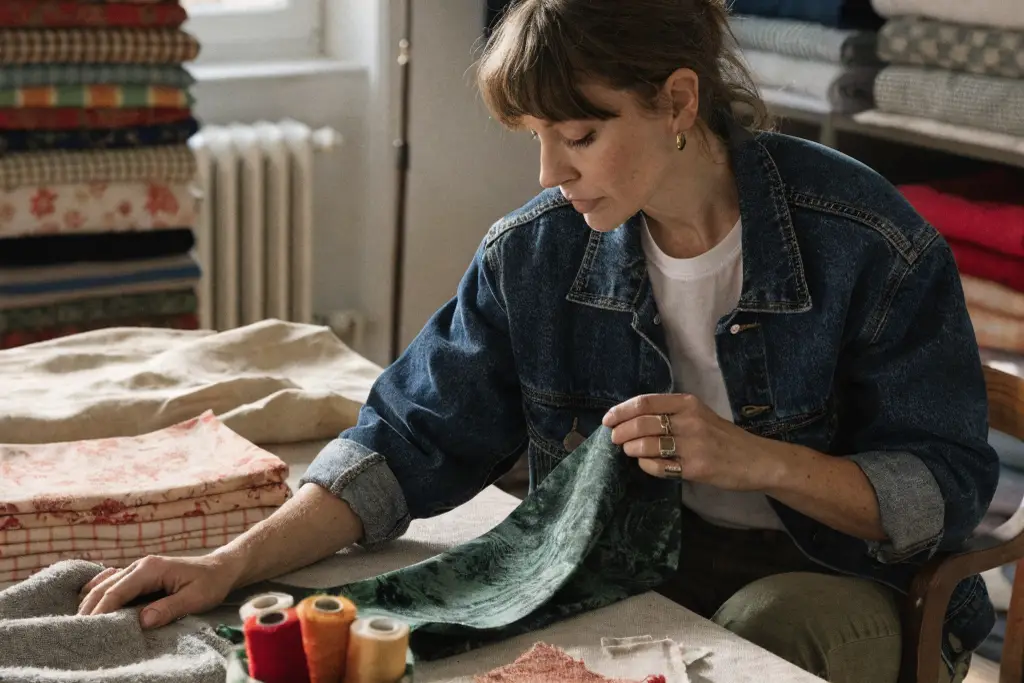
Testing fabric quality before production is one of the smartest things you can do. I have seen clients skip this step and end up with poor quality garments. A simple fabric test can save you from a bad batch. It takes time but it is worth every minute.
To test fabric quality, check fabric weight with GSM, test shrinkage by washing a sample, check color fastness by rubbing the fabric, test fabric strength by pulling, examine fabric for defects using a light table, and check the hand feel against your requirements.
Here are the most important fabric tests to request from your manufacturer.
| Test | What It Checks | How to Do It | Pass Standard |
|---|---|---|---|
| GSM test | Fabric weight | Weigh a cut sample | Matches spec |
| Shrinkage test | Fabric stability | Wash and measure sample | Under 3-5% |
| Color fastness | Color bleeding | Rub with white cloth | No color transfer |
| Strength test | Fabric durability | Pull test by hand | Matches req |
| Light table | Fabric defects | View fabric on light table | No holes |
What Is GSM and Why Does It Matter?
GSM stands for grams per square meter. It measures fabric weight. The higher the GSM, the heavier and thicker the fabric. Light fabrics like summer t-shirts are around 120 to 150 GSM. Mid-weight fabrics like regular t-shirts are 150 to 200 GSM. Heavy fabrics like hoodies are 280 to 350 GSM or more. GSM affects the drape, feel, and durability of the garment. A client once complained that his t-shirts were too thin. The problem was that he had not specified the GSM. Always ask your manufacturer for the GSM specification. At Fumao Clothing, we test GSM for every fabric batch. Learn more at Textile Exchange and Oeko-Tex.
How to Perform a Shrinkage Test on Fabric?
Shrinkage is a common issue with natural fabrics like cotton and linen. To test shrinkage, cut a 50cm by 50cm sample. Measure it precisely. Wash it in the same way the final garment will be washed. Dry it and measure again. Cotton can shrink 3% to 5% in the first wash. That means a size M can become a size S after washing. Pre-shrinking fabric before cutting is a standard practice in professional factories. Always ask your manufacturer if they pre-shrink their fabrics. At Fumao Clothing, we pre-shrink all cotton fabrics before cutting. This ensures consistent sizing after washing. Learn more at Sourcing Journal and Fashion United.
Where to Source Quality Fabric for Your Clothing Line?
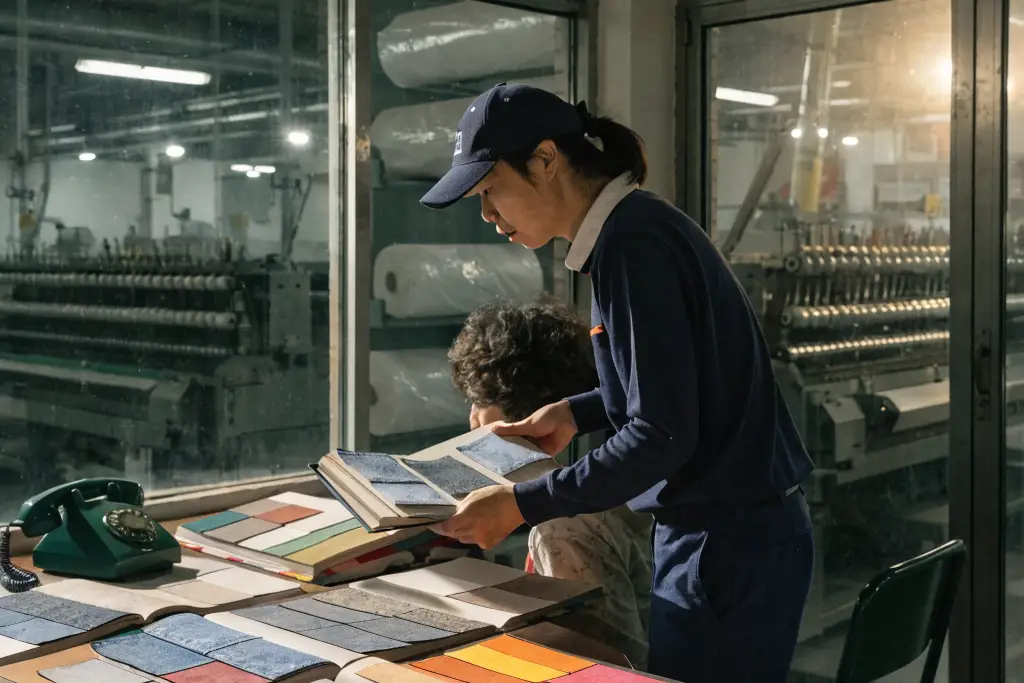
Sourcing fabric is not the same as sourcing finished garments. You need different suppliers and different expertise. I have worked with many fabric suppliers over the years. I know which ones are reliable and which ones are not. Let me share what I have learned.
You can source fabric from fabric mills in China, India, and other textile-producing countries. Many garment manufacturers like Fumao Clothing also source fabric on your behalf. This is often easier because the factory knows which fabrics work best for your garment type and has established relationships with fabric mills.
Here are the main options for sourcing fabric and the pros and cons of each.
| Option | Pros | Cons | Best For |
|---|---|---|---|
| Direct from mill | Lower cost, full control | High MOQ, logistics complex | Large brands, bulk |
| Through garment factory | Easy, factory handles QC | Factory markup | Most brands, first orders |
| Trading company | Many options, lower MOQ | Higher price, less control | Small brands, samples |
| Online marketplace | Convenient, many choices | Variable quality | Sample runs |
Should You Source Fabric Yourself or Through Your Manufacturer?
For most brand owners, I recommend sourcing fabric through your garment manufacturer. The factory knows which fabrics work best for your garment type. They have established relationships with fabric mills. They can get better prices and lower minimums. They also handle quality checking and logistics. If you source fabric yourself, you take on more risk. If the fabric is wrong, you are stuck with it. If the fabric arrives late, your production is delayed. At Fumao Clothing, we source fabric for all our clients. We have established partnerships with top fabric mills in China. This saves our clients time and money. Learn more at Textile World and Just Style.
How Does Fumao Clothing Help with Fabric Selection?
At Fumao Clothing, fabric selection is part of our service. When you come to us with a new project, we discuss your target market, price point, and garment type. We recommend fabric options that fit your needs. We can source fabric from our trusted mills. We can also work with fabric you provide. We check fabric quality before production starts. We do GSM, shrinkage, and color fastness tests. We only start production when the fabric passes all tests. This saves you from quality issues later. If you want to start a clothing line with the right fabric, contact our Business Director Elaine at elaine@fumaoclothing.com. We will help you from fabric selection to finished product. Learn more at Fumao Clothing and Alibaba.
Conclusion
Choosing the right fabric is one of the most important decisions for your clothing line. It affects the quality, the price, and the look of your garments. Consider the garment type, target market, season, and price point. Know the common fabric types and their uses. Test fabric quality before production. And consider working with a manufacturer who can source fabric for you. At Fumao Clothing, we help our clients from fabric selection to finished product. We have 15 years of experience in garment manufacturing. We know which fabrics work best for different markets. We source from trusted mills. We test every batch. If you want to start a clothing line with the right fabric, contact our Business Director Elaine at elaine@fumaoclothing.com. We do not add any tariffs for products made in China. Let us help you make quality garments.