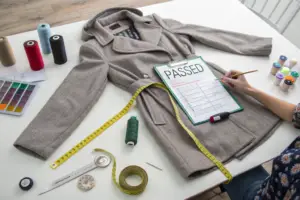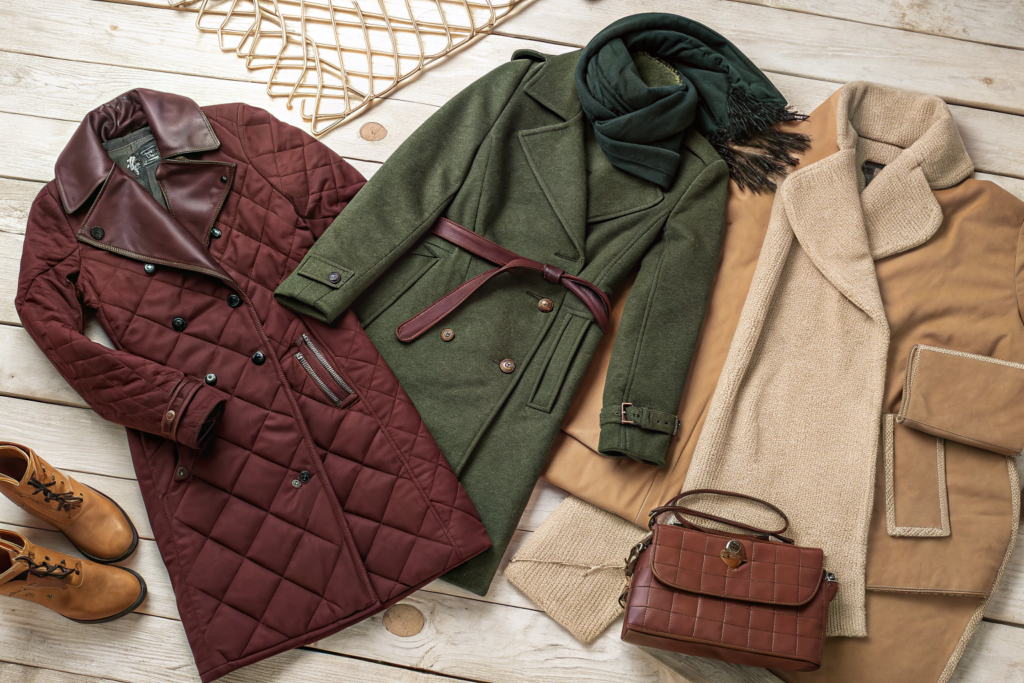
As the owner of Shanghai Fumao, I have spent over fifteen years walking factory floors and watching fashion forecasts collide with reality. I know the stress you feel when August rolls around. Your customers are asking for the latest trends, but your supplier is still showing you last year’s fabric swatches. You worry about committing to a container load of coats that might arrive late or look nothing like the approved sample. I have seen a single delayed shipment wipe out an entire season’s margin for a brand. That is why understanding the exact styles for Autumn Winter 2026 right now, and securing a partner who executes them flawlessly, is not just a marketing exercise. It is the difference between a profitable winter and a warehouse full of dead stock.
This guide breaks down the definitive top 10 women’s coat styles for Autumn Winter 2026, combining high-fashion trend analysis with practical, factory-floor manufacturing details you can actually use to source smarter.
We will look at the specific fabrics, construction techniques, and quality control points that separate a premium garment from a costly return. I will share real, concrete examples of how we at Shanghai Fumao have navigated these exact challenges with our American brand partners. Let’s walk through each silhouette so you can brief your design team or your sourcing agent with total confidence.
What Are the Defining Silhouettes Dominating the AW26 Runways?
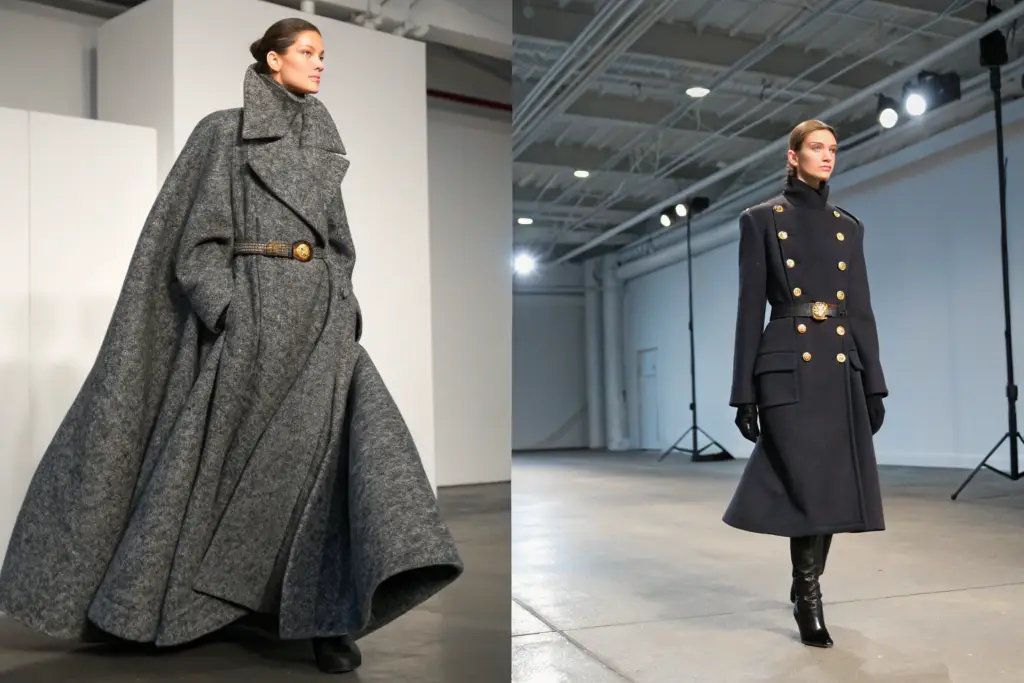
The runways for AW26 gave us two very distinct moods. You are likely seeing them in your competitor's lookbooks already. The first is an exaggerated, almost aggressive volume. The second is a return to a severe, constructed waist. If your brand identity is streetwear-focused or leans minimalist, ignoring the oversized trend could be a mistake. But if your customer is corporate or luxury, the belted coat is your anchor. The risk here is choosing a factory that is good at only one of these. A sportswear factory might nail the oversized puffer but fail completely at the structured wool coat’s inner canvassing.
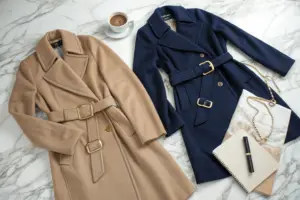
The two defining silhouettes for AW26 are the dramatic, floor-length oversized "cocoon" coat and the highly structured, belted military coat.
The oversized coat relies on weight and drape to look expensive, not sloppy. The structured coat depends on internal construction to maintain its shape without being rigid. Mastering both requires totally different equipment and skill sets on the factory floor.
How Does The Oversized Cocoon Coat Demand Specific Construction Techniques?
Last February, we worked with a contemporary brand from New York that had a huge problem. Their previous supplier in another country made an oversized wool coat that collapsed. The shoulder dropped, and the garment looked like a sad blanket. The issue was the weight of the fabric. You cannot simply enlarge a size small pattern to an XXL and call it oversized. The grain line shifts, and the fabric drags down.
| Construction Element | Traditional Tailoring | AW26 Oversized Approach | Quality Control Check |
|---|---|---|---|
| Shoulder Slope | Standard angle for a set-in sleeve. | Dropped by 2-3 inches, sometimes extended to a raglan hybrid. | Measure the drop precisely; ensure both sides match after garment dyeing to prevent twisting. |
| Interlining | Full fusible front panel. | Strategic partial fusible only at the neck and hem to hold shape while allowing fluid drape. | The hem must not ripple when hung for 24 hours. |
| Fabric Weight | Standard 400-500 GSM wool. | Minimum 580 GSM, often up to 700 GSM for a sculptural look. | Use a precise scale; if the fabric is too light, the coat lacks the "cocoon" structure. |
We solved the New York brand’s problem by adding an internal chain weight hidden in the back hem and switching to a heavier wool blend with a brushed finish. This gave the volume they wanted without the flimsy drape. Their sell-through rate hit 85% that fall.
Why Is The Belted Military Coat A Test Of Your Supplier’s Skill?
A structured military coat is an honesty test for a factory. You see the double-breasted front, the epaulettes, and the wide leather belt. What you do not see is what’s inside. If the chest canvas is cheap or fused poorly, the coat might look great in the sample room, but after one dry-cleaning cycle, the lapel will bubble. I’ve rejected entire shipments for this.
The key is the floating chest canvas. A skilled tailor cuts horsehair canvas by hand and secures it with hundreds of pad stitches. This creates a lapel that rolls naturally rather than being pressed flat like a piece of paper. A cheaper way is to just glue the interlining. It looks the same at first but delaminates. The shoulder is also critical. For this trend, the shoulder needs definition. We construct the sleeve head with a thicker wadding and a special cotton felt that keeps the silhouette strong, even on a hanger. When you are sourcing this coat, ask your supplier if they use a fusing machine for the entire front or if they do hand-padded lapels. The answer tells you everything about their quality ceiling. We often send video of this process to our partners at Shanghai Fumao so they can see the craftsmanship in real time.
What Are the Dominant Textures and Fabrics for AW26 Coats?
A beautiful silhouette means nothing if the hand feel is wrong. Last year, we saw a massive shift away from obviously synthetic looks. But the price of raw cashmere has been volatile. You are caught between wanting a luxury feel and needing a margin that works for wholesale. The risk is a supplier selling you "cashmere-like" polyester that looks fluffy on the garment rack but pills into ugly balls after three wears. This directly leads to bad reviews and chargebacks.
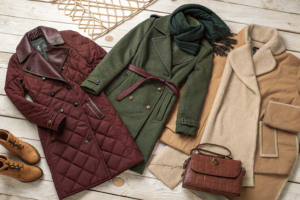
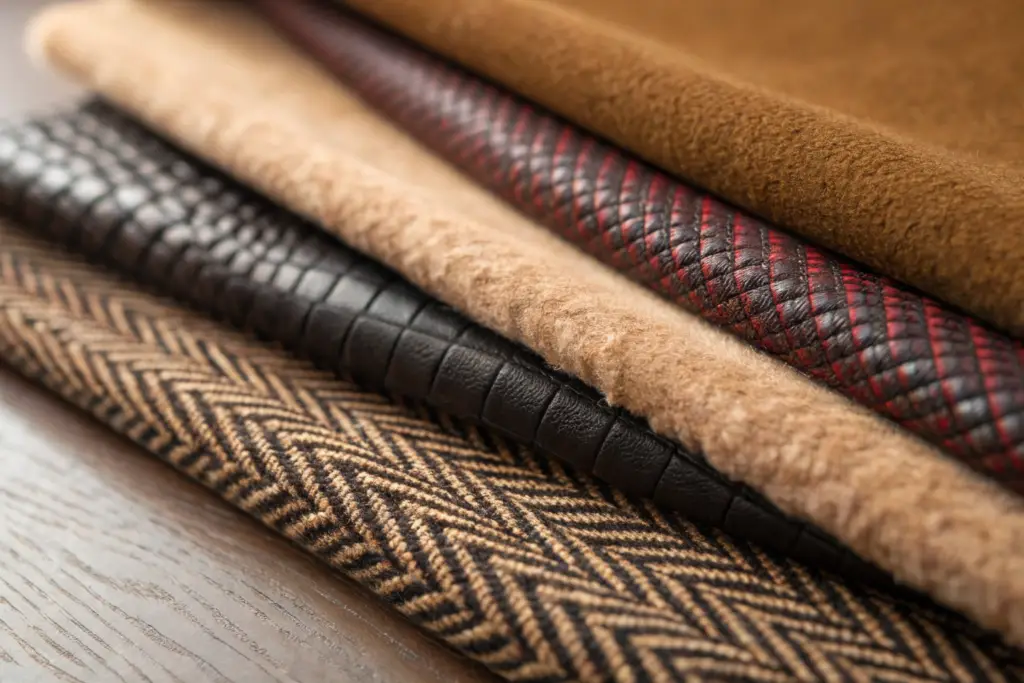
The AW26 coat season is defined by extreme material authenticity: long-hair brushed textures, heritage tweeds, and fluid vegan leathers that don't try to hide what they are.
The trend is about celebrating the fiber’s natural character. If it’s wool, it should look and smell like wool. If it’s leather, it should drape like fabric. This requires sourcing the right raw materials, not just clever finishes.
Where Do Brushed Mohair and Long-Hair Textures Fit In?
The "teddy bear" coat evolved. It is not just a synthetic fleece anymore. For AW26, we are working with a lot of brushed kid mohair blended with fine merino. It is incredibly soft to the touch but painfully difficult to sew. The long hair gets caught in the feed dogs of standard sewing machines. Cutting the fabric is also a nightmare because the hair flies everywhere.
I remember a project for a boutique from Chicago. They wanted a floor-length white mohair coat. The prototype from their previous factory looked dirty because static pulled the loose fibers to the dark lining. Our solution was a three-part process. First, we froze the fabric panels before cutting them to stabilize the fibers. Second, we used an anti-static carbon-fiber needle plate on our machines. Third, we enclosed all raw edges with a silk binding, not just a standard overlock stitch. This cost 15% more in labor, but the final product looked immaculate.
Can Leather and Suede Be Both Fluid and Durable?
The trend for Autumn Winter 2026 is soft. Think shirt jackets and trenches in buttery lamb nappa, not stiff cowhide for moto jackets. This creates a huge quality control issue. Soft, thin leather is harder to sew because it stretches and wrinkles. If the operator pulls too hard, the seams pucker.
We use a walking-foot machine that feeds the top layer of fabric at the same speed as the bottom layer. We also double-face some styles. This means using two pieces of wafer-thin sheepskin laminated together, with one side smooth and the other suede. There is no lining. It is a luxury technique that requires very clean edges. For distribution in the US, you also need to be aware of leather labeling laws. If the goods are mislabeled at customs, your shipment gets held. We always ensure our leather sourcing documents match exactly what’s on the swing tag.
How Can Brands Ensure Quality and Timely Delivery for Custom Coats?
You can design the perfect coat, but if it arrives March 15th instead of September 1st, you are finished. I’ve seen suppliers promise the moon during development and then go silent during production. They fake the certifications for the down fill. They ship by sea when they promised air. These are not just inconveniences; they kill your brand’s reputation with your retail buyers.
Securing timely delivery and verified quality requires moving beyond trust and building a system of transparent checks, including third-party audits and raw material traceability.
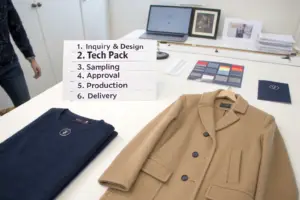
You need a partner who treats your shipping deadline as their own operating deadline. This involves reverse-engineering the production timeline from the ship date and having hard conversations about capacity before you place the order.
What Are the Essential Quality Checks for Winter Outerwear?
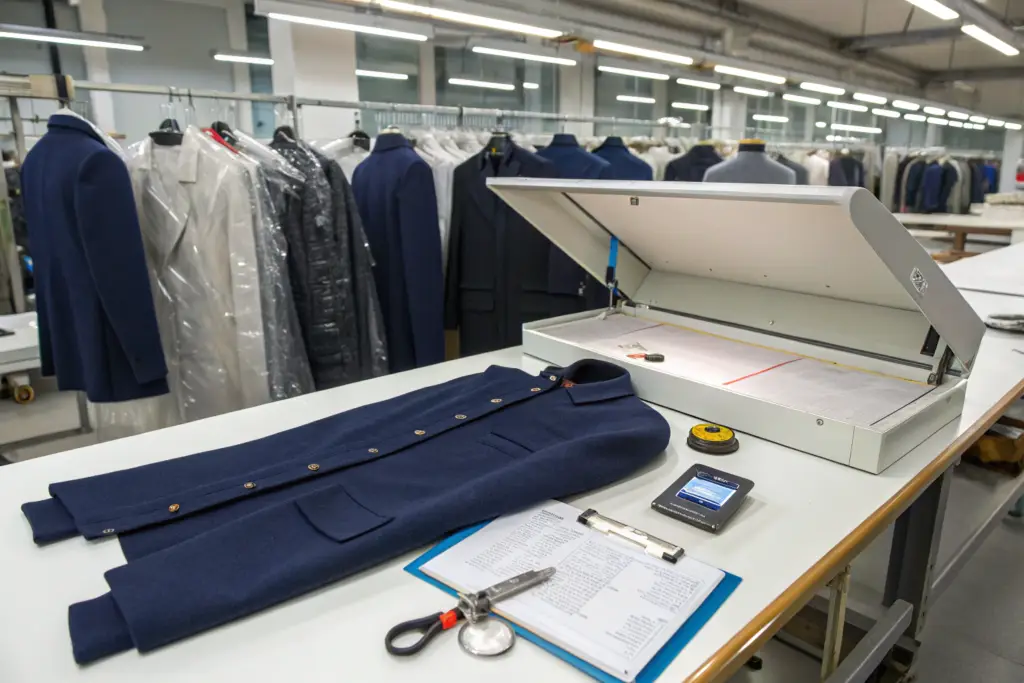
When we ship to North America, we follow a specific protocol that goes beyond just looking for loose threads. You need to test the fabric, not just trust the label. A common scam is labeling a coat as 100% wool when it has a high acrylic mix. We burn-test the yarns randomly from the bulk fabric roll. The smell of burning hair means it’s a protein fiber. A hard, plastic smell means synthetics.
| QC Checkpoint | Problem We Catch | The Fumao Solution |
|---|---|---|
| Down Fill Power | Supplier mixes low-quality feathers with down, lowering warmth. | We test loft with a fill-power meter; every batch gets a certificate. |
| Color Fastness | Coat bleeds color onto the customer's white sweater. | Crocking test on both dry and wet fabric under lab lighting. |
| Seam Slippage | Satin lining splits open when the customer moves her arm. | A tensile strength machine pulls the seam until it breaks; it must hold above a set force limit. |
| Button Security | Buttons fall off because they were attached by machine only. | Every button is machine-sewn, then manually wrapped with a thread shank at least four times. |
A partner to a major retailer in Texas came to us last year with a seam slippage disaster. Their entire shipment of size-inclusive trenches was failing at the armhole lining. We re-engineered the lining pattern to add a hidden action pleat in the back, giving an extra inch of ease. We had to pull an all-nighter to re-cut and replace the linings, but we saved the order from a total rejection.
How Do You Build a Production Timeline That Beats the Season?
The supply chain is still unpredictable. Cotton prices fluctuate, and shipping routes can be blocked. You cannot just place an order 60 days before you need it and hope for the best. We always work backward. If you need coats in your Los Angeles warehouse by August 15, we need to ship by July 1. Bulk fabric needs to arrive in our factory by May 20. You need to approve the pre-production sample by April 1.
That means you should be briefing us in January. This schedule isn't padded; it is realistic. It accounts for the Chinese New Year shutdown and the rainy season, which can delay natural drying processes for certain fabrics. When you work with Shanghai Fumao, we send a weekly video update during the cutting, sewing, and packing stages. You see your actual goods on the table. This eliminates the anxiety of silence and proves your order is prioritized.
How Do You Manage DDP Logistics to Avoid Hidden Costs?
Dealing with freight forwarders and customs brokers is a headache most brands don't want. This is why Delivered Duty Paid (DDP) shipping is a game-changer. Instead of you coordinating five different parties, the factory handles everything from the warehouse door to your distribution center. But it can be risky if the factory doesn't understand US import regulations. You might think you've agreed on a final price, only to get a bill from US Customs months later because the tariff code was wrong.
We manage DDP logistics for a large percentage of our North American clients. We classify the garments with the correct Harmonized System (HS) codes before they leave our floor. For example, a man-made fiber coat and a wool coat have different duty rates. If we misclassify it, we absorb the penalty, not you. We also build a small buffer into our DDP quote to cover currency fluctuation, so the price is truly fixed. This allows you to calculate your exact landed cost per unit without surprises.
Which Specific Coat Styles Offer the Highest Commercial Value for Brands?
You do not need fifty options. You need the five styles that will generate 95% of your outerwear revenue. Over the years, I’ve noticed that avant-garde runway pieces get likes on Instagram, but the coats that actually pay the bills are slightly evolved classics. The trick is finding the specific detail that makes a classic coat look "2026" rather than "2016". This could be a special pocket, a sustainable filling, or a detachable accessory. These small shifts give you a reason to market to repeat customers.
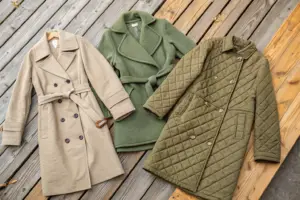
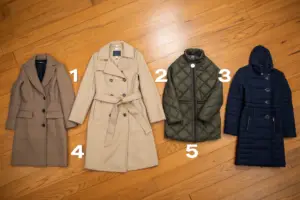
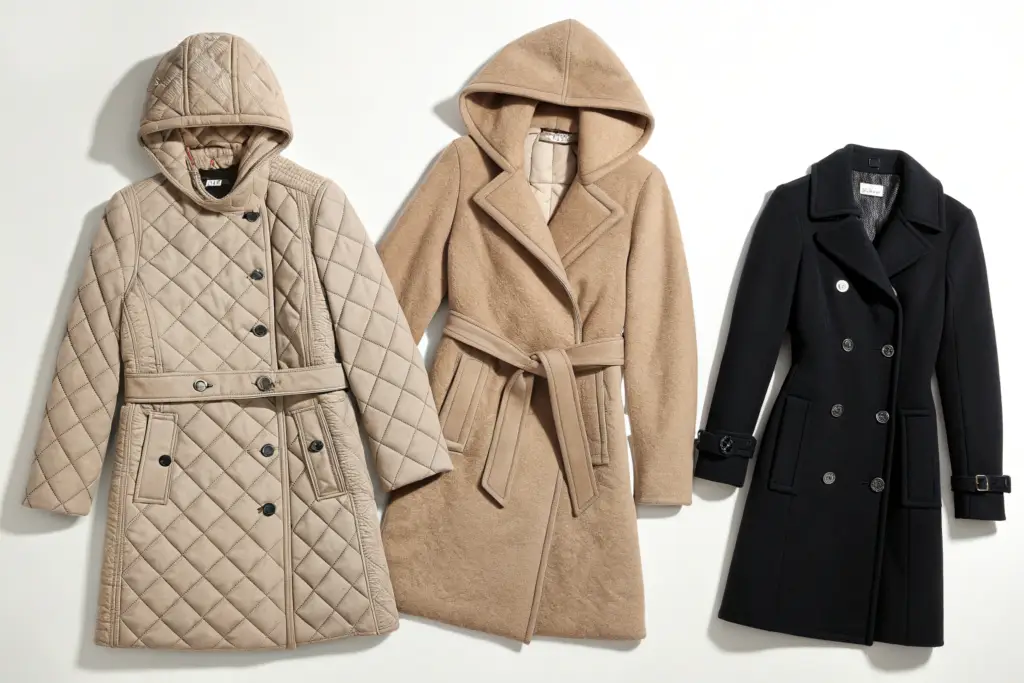
The highest commercial value for AW26 lies in functional hybrids and modernized classics: the packable quilted coat, the updated peacoat, and the endlessly versatile wrap coat.
These styles have a proven sales history, so your financial risk is lower. The margin comes from elevating the material and adding functional design features that justify a higher retail price point.
Why Are Quilted Coats and Lightweight Puffers So Profitable?
Quilted styles are a goldmine because they are unisex in appeal, packable for e-commerce shipping, and highly receptive to sustainable marketing. However, the standard "trash bag" style puffer is dead. The trend is towards horizontal diamond quilting or chevron patterns, using recycled polyester fill that feels like down but resists clumping when wet.
We produced a lightweight quilted coat for a Vancouver-based startup two years ago that is still in their bestseller list. The innovation was the stitch design. We used a seamless, high-frequency welding tape over the zippers and pocket edges, replacing traditional stitching. This made the coat water-resistant and gave it a futuristic look. The fill was a 3M Thinsulate variant, which is incredibly thin but warm. Because we could vacuum-pack these coats flat, the brand saved 40% on shipping costs compared to their wool coats. This is crucial for DTC brands that eat shipping costs.
What Makes the Classic Peacoat New Again for 2026?
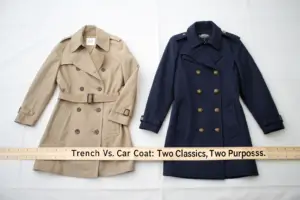
The peacoat is a staple, but the standard navy melton wool version can look a bit boring. For AW26, the updates are making it fresh. We are cutting them slightly cropped, hitting just below the waist, which looks great with high-waisted trousers. The other big change is embellishment. We aren't talking about rhinestones. We mean bespoke metal buttons. We source these from a specialized factory in China that makes zinc alloy buttons with a heavy electroplating. You can get your brand logo etched into the anchor design, which is a powerful branding tool that a customer touches every time they put the coat on. The internal construction remains the same heavy canvas, but we line the sleeves with a contrasting viscose twill that flashes when the cuff is turned back. It’s these micro-details that make a customer willing to pay $450 instead of $150 for a "basic" peacoat.
Is the Wrap Coat Still the Safest Investment?
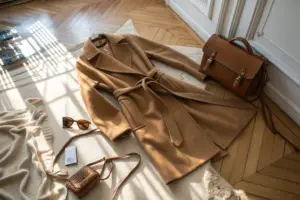
Yes, but the silhouette has shifted. The bohemian, slouchy wrap is evolving into something more elegant. The AW26 wrap coat is mid-calf length with a dramatic, oversized shawl collar and a self-belt secured with hidden snaps, so it never falls off. The key to making this style successful is the pattern grading. If you just grade it up for larger sizes, the wrap can gap open at the bust.
We worked with a celebrity stylist launching her own direct-to-consumer line. She is very particular about how a coat hangs on a size 2 versus a size 14. We developed a custom grade rule for her wrap coat that adds extra width to the overlap panel in plus sizes. We also use a double-face cashmere fabric that has no lining. It’s completely clean on the inside, with the seams hand-finished with a felled stitch. This is the highest level of finish you can offer. It takes a skilled sewer four hours just to finish the seams on one coat. This labor shows in the final product and creates a luxury asset that your customers will keep for years.
Conclusion
We have walked through the concrete realities behind the top 10 coat trends for Autumn Winter 2026. It is clear that surface-level design is not enough. The oversized silhouette fails without internal weights and heavy fabrics. The military coat delaminates without a hand-padded canvas chest piece. The beautiful brushed mohair looks dirty without specialized anti-static sewing machines. And the cashmere wrap coat becomes a commercial disaster if the grade rules don't account for real women’s bodies.
Your brand cannot afford to learn these lessons through chargebacks and customer returns. The advantage of working with a manufacturer that has already solved these problems is speed and safety. You skip the costly prototyping phase where a less experienced factory experiments on your dollar. We have the burn-test certificates, the seam slippage reports, and the logistics track record to prove it.
If you are ready to discuss your women’s coat collection for the coming winter season, I invite you to reach out. At Shanghai Fumao, we treat your production order with the same obsession as a sample. You can contact our Business Director, Elaine, directly at elaine@fumaoclothing.com. She can show you our current line of AW26 coat samples and walk you through how we build a customized DDP shipping timeline that guarantees your goods arrive on time. Let’s make sure your brand leads the trend, rather than chasing it late.