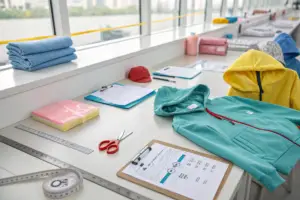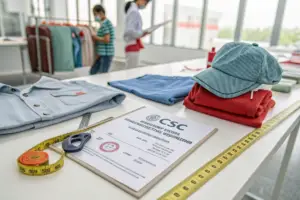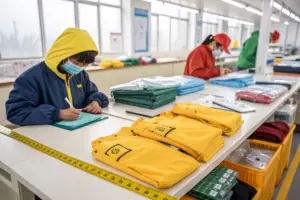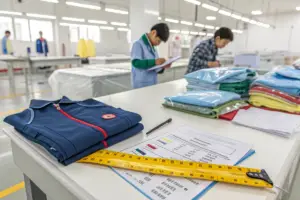
You check your calendar. It is April 15th. Your classic shorts order was supposed to ship last week. You were promised a May 1st delivery. Plenty of time before the Memorial Day sales push. You email the factory. No response for two days. You send a WhatsApp message. They reply, "Small delay. Fabric arrived late. Will ship next week." Next week becomes the week after. Suddenly it is May 20th. Your warehouse is empty. Your marketing emails are scheduled. Your retail partners are calling. The shipment finally arrives on June 5th. You have missed three prime selling weeks. The markdowns you will need to clear the late inventory will wipe out your margin. You feel sick. This scenario is the number one fear of every apparel importer. It is also almost entirely preventable.
You avoid shipping delays when ordering bulk classic shorts by controlling five specific factors: finalizing a complete and frozen tech pack before production begins, placing the order with sufficient lead time and a clear production schedule with milestone dates, using a pre-shrunk core fabric program to reduce fabric sourcing risk, booking freight in advance and choosing the right Incoterm for your risk tolerance, and maintaining proactive, scheduled communication with the factory throughout the production process. Shipping delays are rarely random accidents. They are almost always the result of a breakdown in one of these five areas. Control these areas, and you control your delivery date.
I run Shanghai Fumao, a factory that ships containers of classic shorts to the U.S. and Europe every month. I have seen orders ship on time. I have seen orders ship late. The difference is never luck. The difference is the planning and communication discipline of the buyer and the factory. A buyer with a process gets their goods on time. A buyer who wings it gets delays. This article is that process. It is a practical guide to taking control of your shipping timeline.
How Does a Complete and Frozen Tech Pack Prevent Production Delays?
The single biggest cause of production delays is a moving target. The buyer changes their mind. They want a different pocket style after cutting has started. They want to change the label placement after the first fifty pieces are sewn. They send a new color reference after the fabric is dyed. Every change resets the production clock. Fabric is reordered. Cutting tickets are reissued. Sewing lines are reconfigured. A two-day delay from one change compounds into a two-week delay across the entire order. A frozen tech pack is the vaccine against this disease.
I recall an order for 3,000 chino shorts. The tech pack was approved. Cutting started. On day three of cutting, the buyer emailed. "Can we change the back pocket from a welt pocket to a patch pocket?" We had already cut 800 pieces with the welt pocket pattern. We stopped production. We recalculated the fabric consumption. We ordered more fabric for the patch pockets. The order shipped three weeks late. The buyer was upset about the delay. The delay was caused by their own change. The tech pack is a contract. When you sign it, you freeze it. Changes after freezing are expensive and late. No exceptions.
A frozen tech pack means every detail is specified, approved, and locked. The factory can plan material procurement, cutting, and sewing without the risk of a change order disrupting the workflow. Let's break down what a production-ready tech pack must include and what happens when it changes.
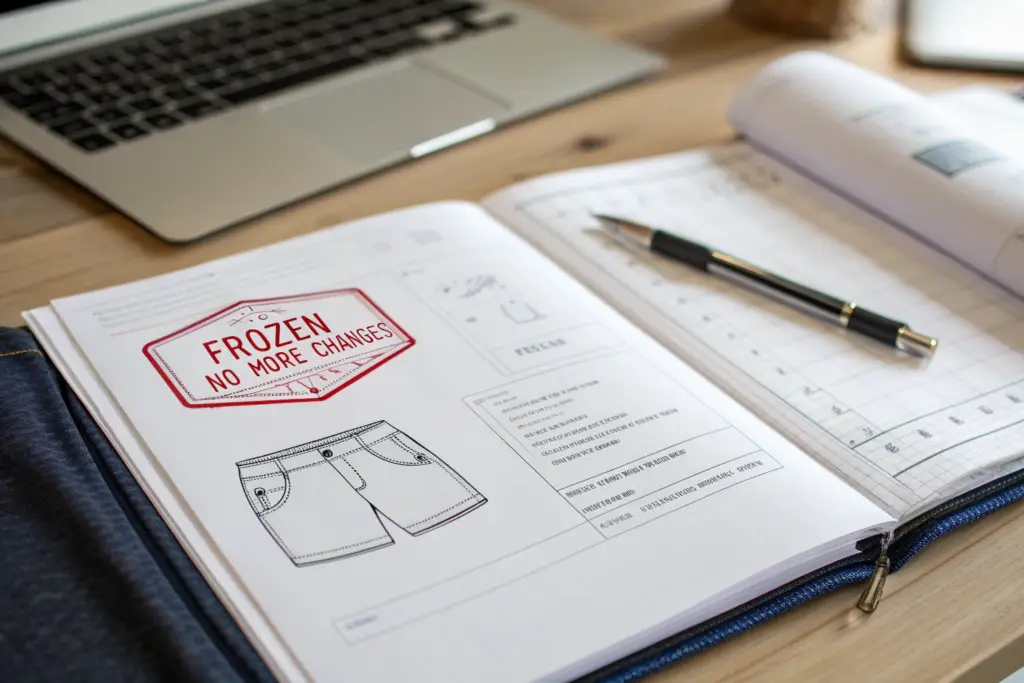
What Specific Details Must Be Locked Before Production Begins?
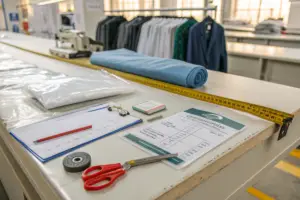
A frozen tech pack includes the final fabric specification with exact GSM, fiber content, and color reference. It includes the final trim specification with zipper brand and size, button style and size, thread color, and any labels or hang tags. It includes the final measurement chart with graded sizes and tolerances. It includes the final branding placement diagram. It includes the final packing instructions. Every single detail that defines the product is in the tech pack.
Before you sign off, review every line. Check the spelling on the label. Check the color code on the thread. Check the measurement tolerances. Once you sign, you are agreeing that this document represents exactly what you want. The factory will follow it exactly. If it is wrong, the shorts will be wrong. The time to find errors is before you sign, not after production starts. The garment tech pack checklist provides a comprehensive list of required specifications. A complete tech pack is the single most powerful tool for on-time delivery.
Why Do Mid-Production Changes Almost Always Cause Month-Long Setbacks?
Apparel production is a sequential process. You cannot jump back a step without disrupting everything that follows. Fabric is ordered based on the initial specification. If the fabric changes, a new fabric must be sourced, ordered, dyed, and shipped. This takes two to four weeks. The cutting tickets are printed based on the initial pattern. If the pattern changes, new markers must be made, and cutting may need to be paused. The sewing line is set up with specific machines and folder attachments for the initial construction. If the construction changes, the line must be reconfigured.
A simple change request takes five minutes to write in an email. It takes two to four weeks to execute in a factory. The buyer does not see the physical impact. They only see the delay in the revised shipping date. The impact of design changes on production timelines is a direct cause-and-effect relationship. A frozen tech pack is not a restriction. It is a protection. It protects the timeline.
Why Is a Clear Production Schedule with Milestones Essential?
A delivery date without a production schedule is a wish. A production schedule breaks the delivery date into discrete, trackable milestones. Each milestone has a responsible party and a deadline. If a milestone is missed, the problem is visible immediately, not discovered at the end when it is too late to fix. A buyer who only asks "When will it ship?" is managing by hope. A buyer who asks for a production schedule is managing by process.
I send every client a production schedule within three days of receiving their deposit. The schedule shows the date we will order the fabric. The date the fabric will arrive. The date cutting will begin. The date sewing will begin. The date finishing will begin. The date packing will begin. The date of the pre-shipment inspection. The date the container will close. The estimated sailing date. The estimated arrival date. The client knows exactly when to expect updates. If a date slips, I notify them immediately with the reason and the revised date. There are no surprises. The schedule is the shared source of truth.
A production schedule is not complicated to create. It is a simple document that aligns expectations and creates accountability. The key is that it must be realistic from the start. Let's look at the key milestones and how to negotiate a schedule.
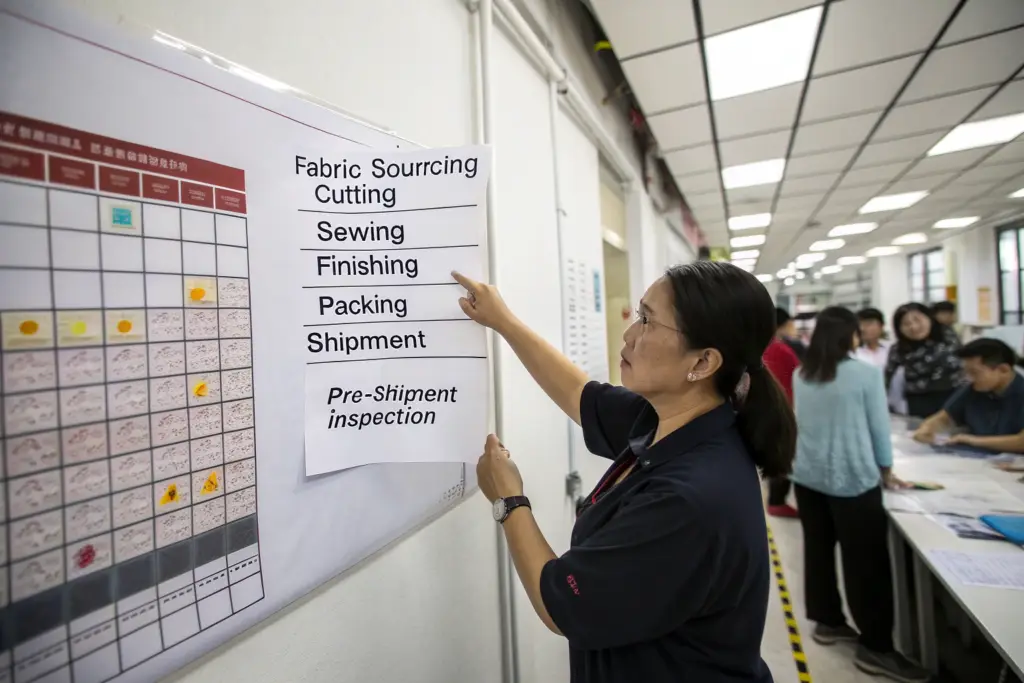
What Are the Key Milestones from Fabric Sourcing to Container Loading?
The major milestones in shorts production are fabric and trim sourcing complete, cutting complete, sewing complete, finishing and pressing complete, final inspection passed, packing complete, and container loaded. Each milestone has a clear definition of done. Fabric sourcing is done when all fabric is in the factory warehouse and has passed inspection. Cutting is done when all panels are cut, bundled, and ready for the sewing line. Sewing is done when all garments are fully constructed and ready for finishing.
Each milestone should be separated by a realistic number of days. For a 2,000-piece classic shorts order, cutting might take 3 days. Sewing might take 10 days. Finishing might take 3 days. The total production time after fabric arrival is typically 20 to 25 working days. Add 5 to 7 days for fabric sourcing if the fabric is in stock. Add 15 to 25 days if the fabric must be dyed to order. The garment production timeline breakdown provides realistic time estimates. A schedule built on these milestones allows you to track progress and identify delays early.
How Do You Negotiate a Realistic Lead Time Upfront?
A factory that promises an unrealistically short lead time is either lying or planning to cut corners. Ask the factory to explain their timeline. How long does fabric sourcing take? How many pieces per day does their sewing line produce? How many lines will be dedicated to your order? Their answers should be specific and should add up to the total lead time. A vague answer like "We can do it in 20 days" without a breakdown is a warning sign.
Negotiate a realistic lead time based on the factory's actual capacity, not your desired date. If you need the shorts by May 1st, and the factory says they need 45 days, do not pressure them to promise 30 days. They will promise 30 days to get the order. They will deliver in 45 days, or later. You will be disappointed. Instead, place the order 45 days before your need date, or even earlier. Build in a buffer week for unexpected delays. The negotiating garment production lead times guide explains how to have this conversation. A realistic lead time agreed upfront is far better than an optimistic lead time missed.
How Can a Core Fabric Program and Early Material Sourcing Cut Weeks Off Your Timeline?
Fabric sourcing is the longest pole in the production tent. If the fabric is not in stock when the order is placed, you add two to four weeks to the timeline. This is the delay that pushes shipments from May to June, from June to July. The solution is a core fabric program. The factory stocks greige fabric, the undyed, unfinished base cloth, for classic shorts in their most common compositions and weights. When an order is placed, the fabric is pulled from inventory, dyed to the required color, and moved to cutting. This cuts the fabric sourcing time from four weeks to one week.
At Shanghai Fumao, we stock greige 280 GSM cotton twill, 240 GSM linen-cotton blend, and 260 GSM cotton ripstop in our warehouse. These are the fabrics that 80% of our classic short orders use. When a client places an order with one of these fabrics, we do not need to source from the mill. We pull the greige, dye it, and start cutting. The lead time drops by three weeks. This is a massive competitive advantage. It is why our long-term clients rarely experience fabric-related delays.
The core fabric program is a partnership between the brand and the factory. The brand commits to using a fabric that the factory stocks. The factory commits to keeping that fabric in inventory. This mutual commitment creates speed and reliability.
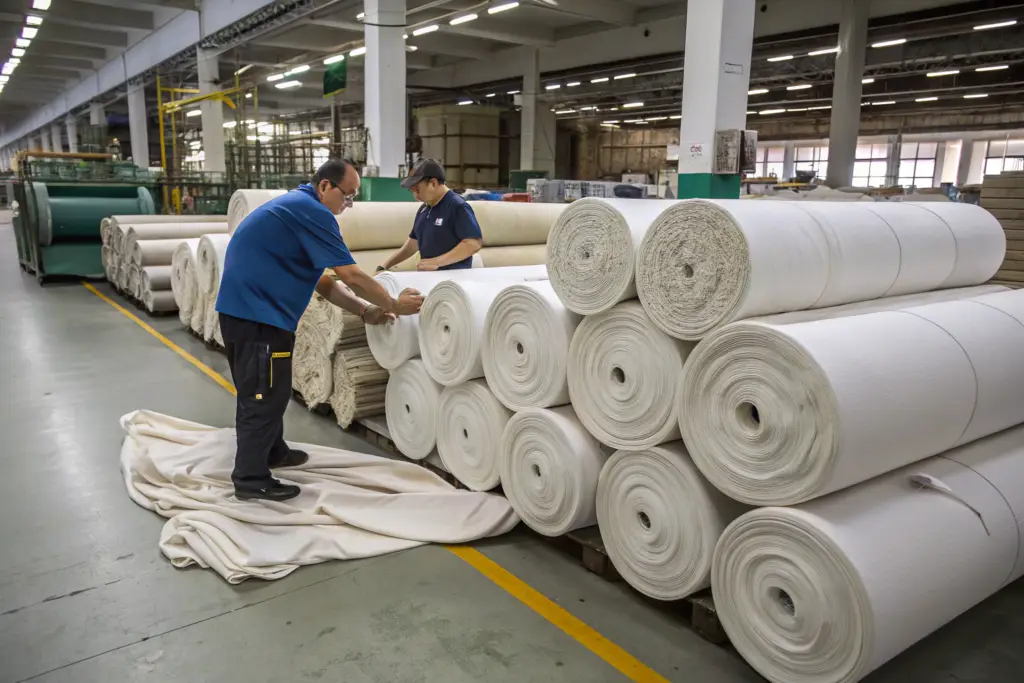
What Is a Greige Fabric Inventory, and How Does It Accelerate Dyeing?
Greige fabric, pronounced "gray," is fabric in its raw, unfinished state. It has been woven but not dyed, bleached, or finished. It is a neutral canvas. When a dye order comes in, the greige fabric is prepared and dyed to the specific color. This process takes 5 to 7 days, compared to 20 to 30 days for weaving and finishing new fabric from scratch.
A factory with a greige inventory for classic short fabrics can respond to orders with remarkable speed. The brand is not limited to the colors in stock. They can still choose custom colors. They just get them much faster. The greige fabric inventory and quick response manufacturing guide explains this system. It is a best practice for classic, repeatable products like shorts. A brand that wants reliable, fast delivery should align with a factory that holds greige inventory of their core fabrics.
Why Should You Order Fabric and Trims Immediately Upon Deposit Payment?
The day the deposit clears, the factory should place the fabric and trim orders. There should be no gap between payment and material ordering. Some factories wait to order fabric until they have a full batch of orders to get a better price from the mill. This delays your order. A professional factory treats your deposit as the trigger to start procurement immediately.
Confirm with the factory that they will order materials within 24 hours of deposit receipt. Ask for a confirmation email when the material purchase orders are placed. This simple follow-up prevents the hidden delay where the factory sits on your order for a week while they batch other orders. The material procurement best practices guide emphasizes immediate procurement. The clock starts when the money arrives. Make sure the factory starts the clock.
What Incoterms and Freight Booking Strategies Prevent Final-Mile Delays?
The shorts are made. They are packed. They are in cartons. The production delay risk is over. The logistics delay risk begins. A container can sit at the port for a week waiting for a vessel. It can be rolled to the next sailing because the ship is overbooked. It can be held at customs for a documentation discrepancy. The final mile, from factory to your warehouse, contains as much delay risk as the production itself. Controlling the Incoterms and the freight booking is how you manage this risk.
I have seen a perfectly produced order ruined by logistics. The factory booked the cheapest freight forwarder. The container was rolled twice. It arrived three weeks late. The buyer had chosen the FOB incoterm, so the factory had no liability for the delay. The buyer ate the cost of the missed sales. The lesson is that logistics is too important to leave entirely to the factory or to the cheapest bidder.
Incoterms define who is responsible for what during shipping. The choice of Incoterm determines who controls the freight booking and who bears the risk of delay. Let's examine the two most common options for U.S. importers.

How Does DDP Shipping Transfer Delay Risk to the Supplier?
DDP stands for Delivered Duty Paid. Under DDP, the supplier is responsible for everything. Ocean freight, U.S. customs clearance, duty payment, and final trucking to your door. The supplier books the freight, chooses the forwarder, and manages the logistics chain. You pay one price. You receive the goods. The supplier bears the risk of any logistics delays. If the container is rolled, the supplier pays for the storage. If customs holds the shipment, the supplier resolves it. The delivery date is the supplier's responsibility.
This is the lowest-risk option for the importer, especially for first-time buyers or those with smaller orders. The DDP price is higher than the FOB price because it includes the freight cost plus a risk premium for the supplier. But the predictability is worth the premium. The DDP shipping explained guide details the responsibilities. If you want to sleep well at night, choose DDP.
When Should You Book Freight Yourself Under FOB Terms?
FOB stands for Free On Board. Under FOB, the supplier is responsible for getting the goods to the port of origin and clearing export customs. The risk transfers to you, the buyer, once the goods are on board the vessel. You book the ocean freight. You choose the freight forwarder. You manage the U.S. customs clearance. You control the logistics chain from the port onwards.
FOB makes sense for experienced importers with large order volumes and established relationships with freight forwarders. You can negotiate better freight rates than the supplier. You have full visibility into vessel schedules. You control the final delivery timing. However, you also bear the risk of logistics delays. If the container is rolled, it is your problem. FOB is for buyers who have logistics expertise and want to optimize costs on large volumes. The FOB versus DDP comparison guide helps you decide. Choose the Incoterm that matches your experience and risk tolerance.
How Does Proactive Communication Throughout Production Keep Your Order on Track?
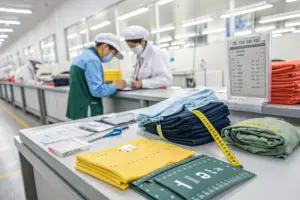
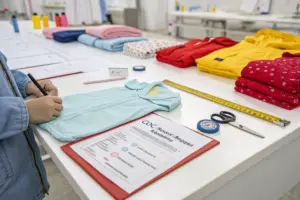
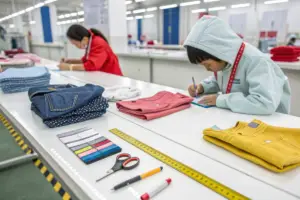
The production schedule is the plan. Communication is the reality check. A factory that goes silent is a red flag. Silence means there is a problem they do not want to tell you about. Proactive communication means the factory sends you updates at each milestone without you having to chase. Photo of the fabric arriving. Photo of the cutting table with your fabric on it. Photo of the sewing line with your shorts in progress. Photo of the packed cartons. This photo trail is not marketing. It is proof of progress.
I assign a dedicated account manager to every client. Their job is to send a weekly update every Friday, even if the update is just "Everything is on schedule. Cutting will finish on Tuesday." The client never wonders what is happening. The client never stares at their inbox waiting for a reply. This proactive communication builds trust. More importantly, it provides early warning. If a problem arises, the client knows immediately. We solve it together before it becomes a delay.
Communication is a two-way street. The buyer also has a responsibility to be responsive. A factory question that sits unanswered for three days can cause a delay. Let's examine the communication practices that prevent delays.
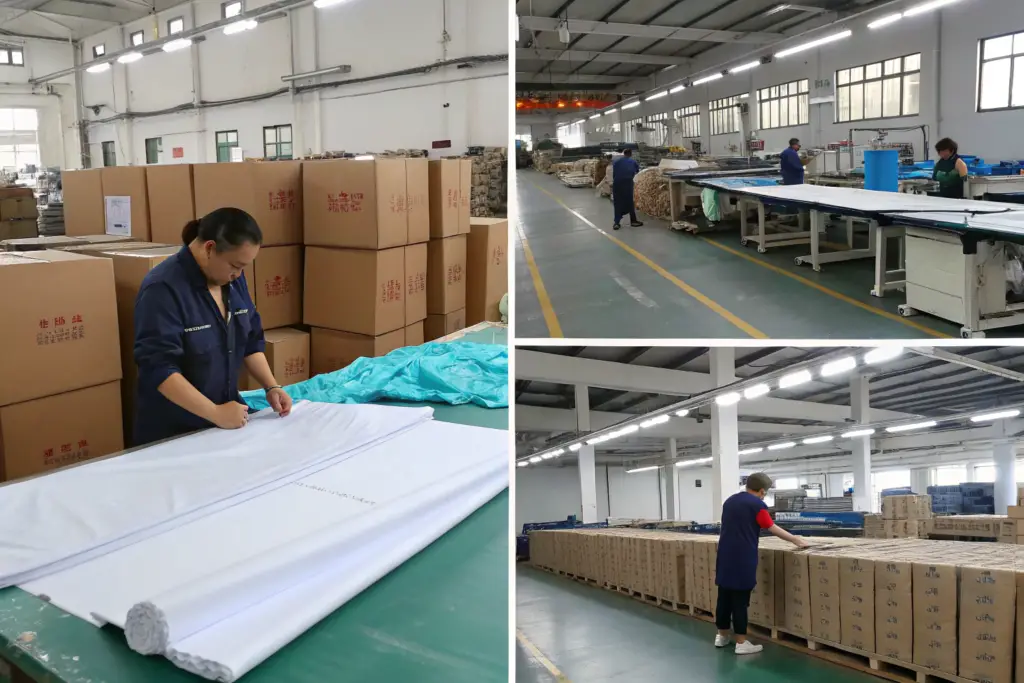
What Weekly Check-In Routine Keeps Both Parties Aligned?
Establish a regular check-in cadence at the start of the order. A weekly email or WhatsApp message every Friday. The factory sends a status update against the production schedule milestones. The buyer acknowledges receipt and asks any questions. This simple rhythm prevents the slow drift that leads to delays. Problems are identified on Friday, not discovered three weeks later.
The check-in should include specific status indicators. "Fabric: arrived and inspected." "Cutting: 50% complete." "Sewing: starts Monday." The supplier communication best practices guide emphasizes the importance of scheduled, proactive communication. The weekly check-in is the heartbeat of a healthy production order.
How Do You Handle a Delay Notification Without Derailing the Entire Season?
Delays happen. A fabric mill misses a shipment. A machine breaks down. A typhoon closes the port. The difference between a manageable delay and a season-ending disaster is how the delay is handled. The factory must notify you immediately, not wait until the original ship date. The notification must include the reason for the delay, the new estimated ship date, and a recovery plan.
When you receive a delay notification, assess the impact on your sales calendar. Can you accept the new delivery date? If not, can you split the shipment and air freight a portion to cover the critical sales window? Air freight is expensive but far cheaper than missing a season. The managing production delays in apparel guide provides strategies. A good factory presents solutions, not just problems. They offer to share the cost of expedited shipping if the delay was their fault. The partnership is tested in the delay. A strong partnership survives it. A weak partnership collapses.
Conclusion
Shipping delays are not mysterious. They are caused by specific, preventable failures. A tech pack that changes after production starts. A production schedule that does not exist. A fabric order that is placed late. A freight booking that is left to the cheapest bidder. A communication blackout between buyer and factory. By controlling these five factors, you control your delivery date. You replace anxiety with confidence.
The process is not complicated. Freeze your tech pack before the deposit is paid. Request a detailed production schedule and track it weekly. Use a factory with a core fabric program to slash fabric sourcing time. Choose the right Incoterm for your risk tolerance and book freight early. Establish a proactive communication cadence that surfaces problems early. These five actions are the difference between a shipment that arrives on time and a shipment that destroys your season.
At Shanghai Fumao, we have built our operations around these five principles. We require a frozen tech pack before production. We provide a detailed Gantt chart schedule to every client. We stock greige fabric for classic shorts to accelerate dyeing and cutting. We offer DDP shipping to simplify logistics for our clients. We assign a dedicated account manager who sends weekly photo updates. Our on-time delivery rate is above 95%. We are not perfect, but we are systematic. If you want a supplier who treats your delivery date as a promise, not a guess, contact our Business Director, Elaine, at elaine@fumaoclothing.com. She will provide a sample production schedule and explain our process. Let us deliver your shorts on time, every time.