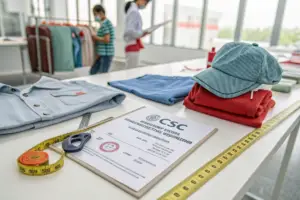
You open the carton from your new supplier. The shorts look fine. The stitching is straight. The color matches the sample. You breathe a sigh of relief. Then you get the email. A customs broker asks for the fiber content certificate. You do not have it. The shipment is held. Storage fees accumulate daily. You scramble to get the document from the factory. They are slow to respond. A week passes. The fees eat your margin. You finally clear the goods. A month later, a wholesale buyer asks for proof of ethical manufacturing. They want a social compliance audit report. You do not have it. They cancel the order. You realize that importing clothing is not just about the physical product. It is about the paperwork. The certifications. The invisible documents that prove the product is what you say it is and was made how you say it was made.
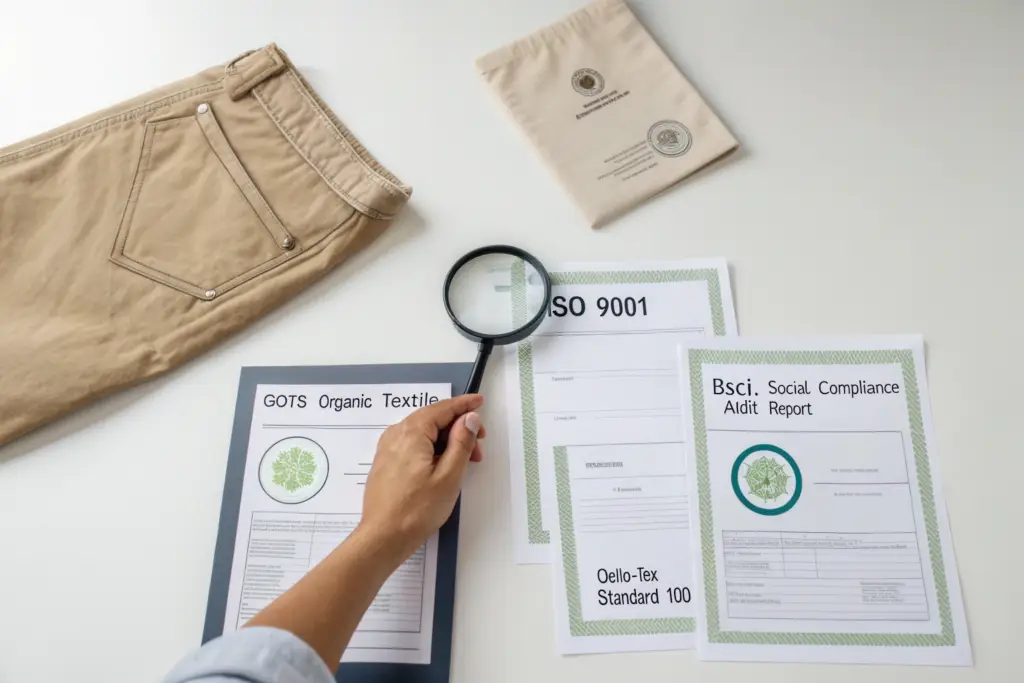
When importing classic shorts, you must check for three categories of certifications: quality management certifications that prove the factory can produce consistent goods, product safety certifications that prove the materials are free from harmful substances, and social compliance certifications that prove the workers who made the shorts were treated fairly and legally. The essential certificates are an ISO 9001 quality management system certificate, an Oeko-Tex Standard 100 or equivalent product safety certificate, and a BSCI or WRAP social compliance audit report. Depending on your fabric claims and target market, you may also need GOTS or OCS for organic cotton, GRS for recycled content, and specific customs documentation like a Certificate of Origin.
At Shanghai Fumao, we maintain a complete folder of current certifications. We send this folder to new clients before they ask. We know that our certifications are not just paper. They are the keys that unlock our clients' ability to import smoothly, sell to major retailers, and market their products with credible claims. This article is a guide to every certification you need. It explains what each one means, why customs and buyers demand them, and how to verify that a supplier's certificates are real and current.
What Quality Management Certifications Prove a Factory Can Deliver?
The first question an importer should ask is not about the product. It is about the system that produces the product. A factory can make one good sample. That proves nothing. The question is whether they can make 2,000 identical, good shorts, on time, with consistent quality. Quality management certifications answer this question. They prove that the factory has a documented, audited system for managing production from raw material to finished goods.
I recall a buyer who skipped the quality certification check. The sample was beautiful. The bulk order arrived. The sizing was inconsistent. A medium was smaller than a small from the same batch. The factory had no quality management system. There was no inline inspection. No final random sampling. The buyer lost his entire season's investment. The lesson is that the quality of a sample is a snapshot. The quality management system is what makes every piece in the bulk order match that snapshot.
The ISO 9001 is the global standard. It is not specific to garments. It is a generic quality management standard applicable to any manufacturing industry. But it is the baseline. A garment factory without it is operating without a documented quality system. Let's examine this certification and what comes after it.
What Is ISO 9001, and Why Is It the Baseline for Garment Manufacturing?
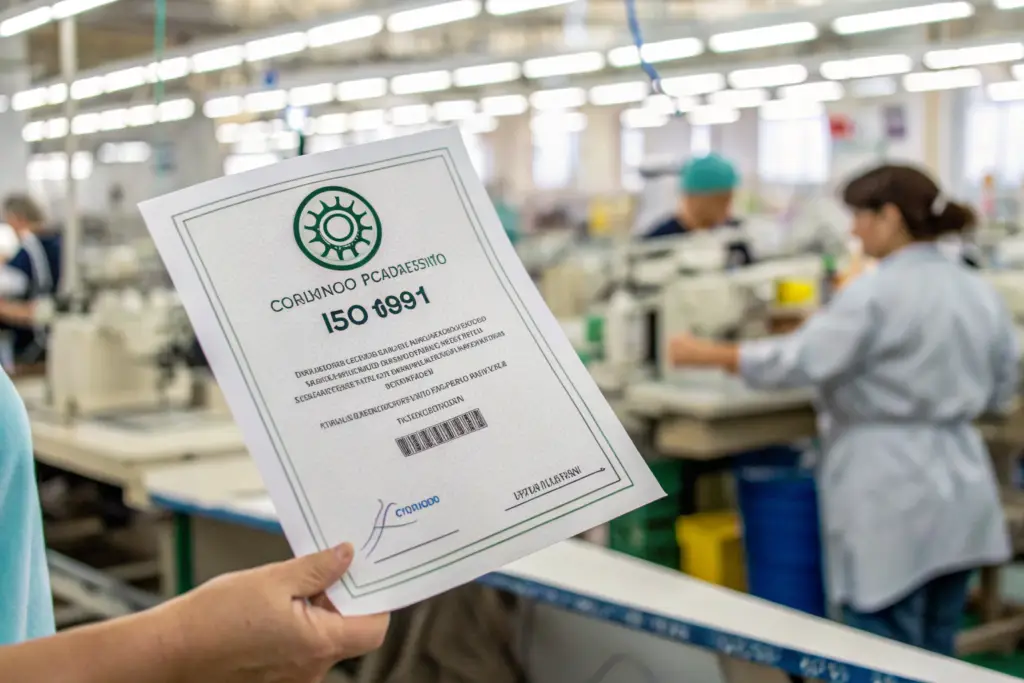
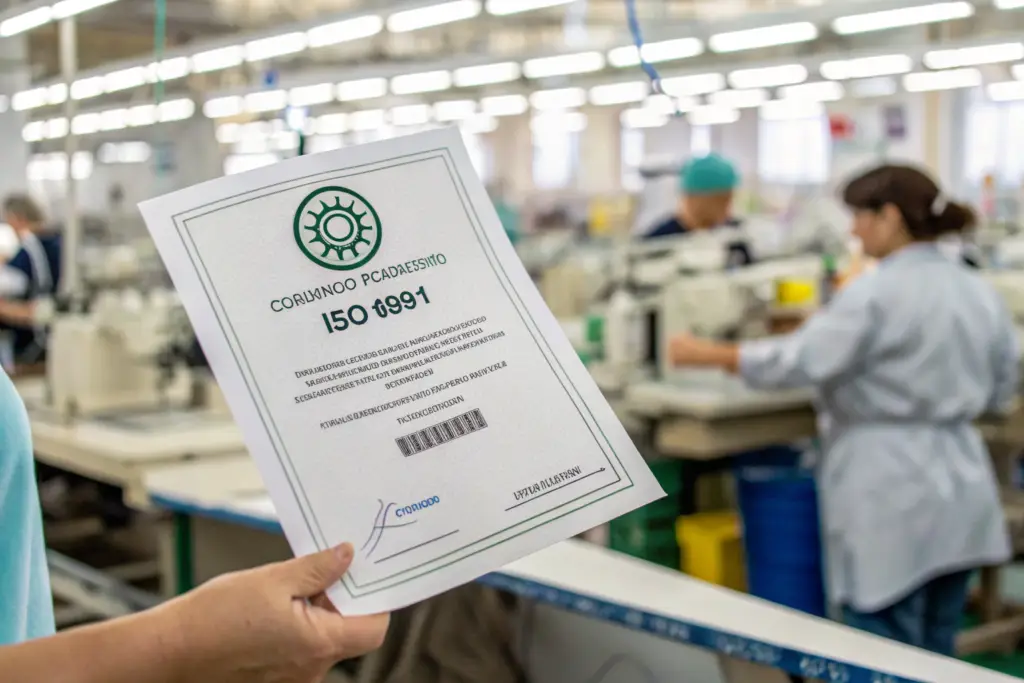
ISO 9001 is a standard published by the International Organization for Standardization. It specifies requirements for a quality management system. A factory with ISO 9001 certification has documented processes for everything. Raw material receiving inspection. Production planning. Inline quality control. Final inspection. Defect handling. Customer complaint resolution. An independent auditor visits the factory annually to verify the system is being followed.
The certification means the factory is not operating on gut feeling. It is operating on documented procedures. This dramatically reduces the risk of inconsistent quality. The certificate should be issued by a recognized body like SGS, Bureau Veritas, TÜV, or Intertek. Ask for the certificate number. Verify it on the issuing body's website. A fake or expired certificate is a major red flag. The ISO 9001 quality management standard is the minimum requirement for a professional garment factory. Do not work with a supplier who cannot provide a valid, current ISO 9001.
How Does an AQL Inspection Report Differ from a Factory Certification?
AQL stands for Acceptable Quality Limit. It is a statistical sampling method used during a product inspection. An AQL inspection is a one-time check of a specific batch of goods. An inspector pulls a random sample and checks for defects. The result is a pass or fail for that specific order. An ISO 9001 certification is an assessment of the factory's system. It is not a check of one batch. It is a check of the system that produces every batch.
Both are important. The ISO 9001 certification gives you confidence in the factory's ongoing capability. The AQL inspection gives you confidence in the specific shipment you are about to receive. A professional importer checks both. They verify the factory has a quality system. Then they hire a third-party inspector to perform an AQL inspection on their bulk order before shipment. The AQL inspection standards for apparel guide explains the sampling tables and defect classifications. The combination of system certification and batch inspection is the gold standard of quality assurance.
Which Product Safety Certifications Are Legally Required for Import?
Product safety is not optional. It is a legal requirement. Clothing sold in the United States, the European Union, and most developed markets must be free from harmful levels of chemicals. Dyes, finishes, and fabric treatments can leave residues. Formaldehyde. Heavy metals. Azo dyes that can break down into carcinogenic amines. These substances are regulated. A pair of shorts that exceeds the legal limits can be seized by customs. It can be subject to a recall. It can expose your brand to lawsuits.
I had a client who imported a shipment of brightly colored cotton shorts. The colors were beautiful. The price was low. Customs tested the shipment. The red dye contained banned azo compounds. The entire shipment was denied entry. The goods were destroyed. The client lost the goods, the shipping cost, and the customs fees. He learned the hard way that a cheap dye can destroy a business. Product safety certification is not a nice-to-have. It is a must-have.
The specific certifications required depend on the destination market. The United States has different requirements than the European Union. A professional importer knows the requirements for their target market and demands the corresponding certificates from their supplier. Let's examine the key standards.
What Is Oeko-Tex Standard 100, and Do You Need It for U.S. and EU Markets?
Oeko-Tex Standard 100 is an independent testing and certification system for textile products at all processing levels. A product with an Oeko-Tex certificate has been tested for over 100 harmful substances. The list includes formaldehyde, heavy metals, pesticides, chlorinated phenols, and phthalates. The test criteria are updated annually based on the latest scientific research.
For the EU market, Oeko-Tex is the most widely recognized product safety standard. It is not legally mandated by the EU, but it is the most efficient way to demonstrate compliance with the EU REACH regulation, which restricts chemicals. For the U.S. market, Oeko-Tex helps demonstrate compliance with the Consumer Product Safety Improvement Act, or CPSIA, which regulates lead and phthalates in children's products and sets general safety standards for apparel. Having an Oeko-Tex certificate simplifies customs clearance in both markets. It is a signal to customs that the product has been independently tested. The Oeko-Tex Standard 100 certification website allows you to verify a certificate number. Always check that the certificate is current and covers your specific product type.
How Do CPSIA and REACH Regulations Apply to Imported Shorts?
CPSIA is the Consumer Product Safety Improvement Act, a U.S. law. It sets limits on lead in surface coatings and lead and phthalates in children's products. For adult apparel, the general product safety requirements still apply. The garment must not contain substances that present an unreasonable risk of injury. A General Certificate of Conformity, or GCC, is required for certain products. The importer is responsible for issuing this certificate based on test reports.
REACH is the EU regulation on Registration, Evaluation, Authorization, and Restriction of Chemicals. It restricts a long list of substances in all consumer products, including clothing. Azo dyes, certain flame retardants, and specific heavy metals are restricted. The importer into the EU is legally responsible for ensuring the products comply with REACH. Having test reports from the supplier that show compliance with REACH-restricted substances is the standard way to demonstrate this. The CPSIA requirements for apparel and the REACH regulation for textiles are the governing documents. Do not guess. Know the legal requirements for your destination market.
Why Are Social Compliance Audits Critical for Brand Reputation?
The way a short is made matters as much as the short itself. Consumers, retailers, and regulators increasingly demand proof that products were made under safe, fair, and legal working conditions. A social compliance audit is an independent verification of a factory's labor practices. It checks for fair wages, reasonable working hours, safe working conditions, no child labor, and no forced labor. A factory that passes these audits is a factory that treats its workers with dignity. A factory that cannot pass them is a reputational time bomb for your brand.
I have seen a major U.S. retailer drop a supplier after an investigative journalist published an exposé about working conditions. The brand had not verified the factory's social compliance. The brand's name was in the headline. The consumer backlash was immediate and severe. The cost of that negative publicity was a thousand times greater than the cost of a social compliance audit. Social compliance is not just ethics. It is risk management. It protects your brand from being associated with exploitation.
The most common standards are BSCI, WRAP, and SA8000. They differ in their governance, their audit criteria, and their industry recognition. A professional importer knows which certifications their major buyers require. Let's examine the main options.
What Is a BSCI Audit, and Why Do European Buyers Demand It?
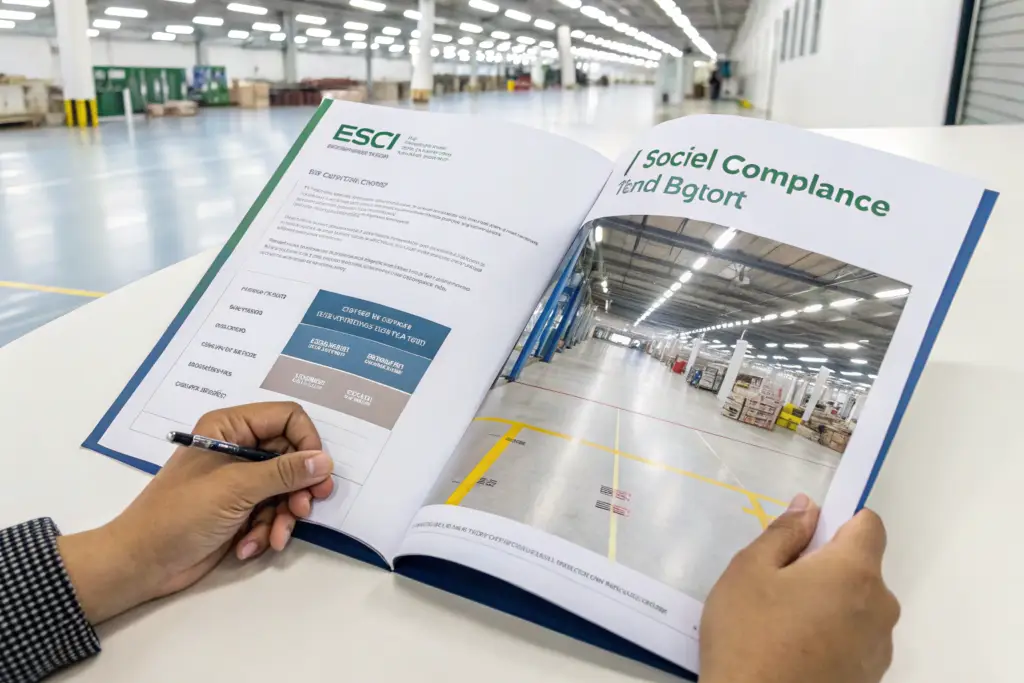
BSCI stands for Business Social Compliance Initiative. It is a program of amfori, a European business association. A BSCI audit assesses a factory against a code of conduct based on International Labour Organization conventions. The audit covers fair remuneration, working hours, occupational health and safety, no child labor, no forced labor, freedom of association, and environmental management.
BSCI is widely recognized by European retailers and brands. If you plan to sell to a European department store or a major online platform, they will likely ask for a BSCI audit report. The audit is conducted by an independent auditing company. It results in a rating from A to E. An A or B rating is a strong result. A C rating indicates areas for improvement. A D or E rating is a failure. The amfori BSCI audit process website explains the standard. A supplier with a valid, passing BSCI audit is a supplier that takes its social responsibilities seriously.
How Does WRAP Certification Differ from Other Social Compliance Audits?
WRAP stands for Worldwide Responsible Accredited Production. It is a U.S.-based social compliance certification program. It is governed by 12 principles covering human resources management, health and safety, environmental practices, and legal compliance. WRAP is widely recognized by U.S. retailers and brands. A WRAP certification is often seen as an alternative or complement to BSCI.
The difference is in the governance and the regional recognition. BSCI is European. WRAP is American. Both are credible. Some factories have both. The choice depends on the target market of the importer. A brand selling primarily to the U.S. market may prioritize WRAP. A brand selling to Europe may prioritize BSCI. Both demonstrate a commitment to ethical manufacturing. The WRAP certification 12 principles website details the standard. Verify the certificate on the issuing body's website.
What Sustainable Material Certifications Should You Verify for Eco Claims?
Sustainability sells. Consumers are willing to pay a premium for products that align with their values. Brands market their shorts as "organic cotton," "recycled polyester," or "eco-friendly." But these claims must be substantiated. A brand that claims "100% organic cotton" without a GOTS or OCS certificate is exposed to greenwashing accusations. Consumer protection laws in the U.S. and EU prohibit false environmental claims. A certification is the legal defense for a marketing claim.
I worked with a brand that built its entire identity around organic cotton. They marketed their shorts as "certified organic." A competitor challenged the claim. The brand was able to produce their GOTS transaction certificate for every order. The challenge was dismissed. The certification saved their brand. Without it, they would have faced fines, customer loss, and reputational damage. Sustainability certifications are not just marketing. They are legal protection.
The certification landscape for sustainable materials can be confusing. There are multiple standards for organic cotton and recycled content. The key is to understand which standard is the most rigorous and recognized in your target market. Let's clarify the main ones.
What Is the Difference Between GOTS and OCS for Organic Cotton Shorts?
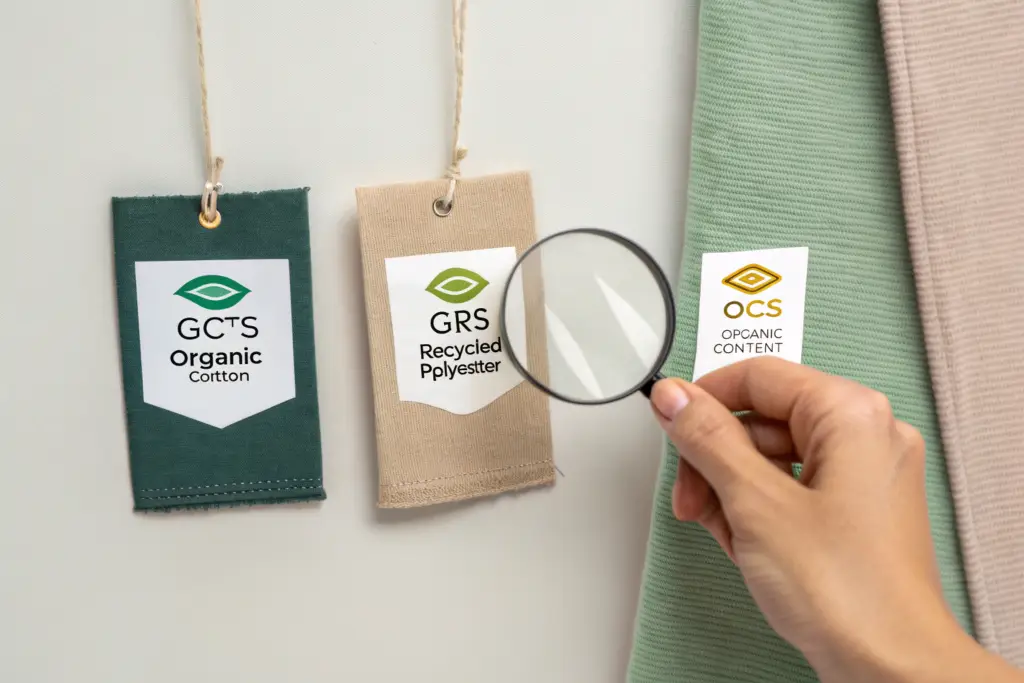
GOTS stands for Global Organic Textile Standard. It is the most comprehensive and rigorous organic textile certification. It covers the entire supply chain, from the harvesting of the raw fiber to the finished garment. It certifies that the cotton is organic. It also certifies that the processing, dyeing, and manufacturing meet strict environmental and social criteria. A GOTS label on a pair of shorts means the entire production chain has been audited.
OCS stands for Organic Content Standard. It is a chain-of-custody standard that verifies the presence and amount of organic material in a final product. It does not cover the environmental or social aspects of processing. A product can be OCS certified but still use conventional, chemical-intensive dyeing. GOTS is the gold standard. OCS is a content verification standard. If you are making an "organic cotton" claim, GOTS provides the strongest defense. The GOTS certification requirements website explains the criteria. Always ask for the GOTS scope certificate and transaction certificate.
How Does GRS Certification Validate Recycled Fiber Content?
GRS stands for Global Recycled Standard. It verifies the recycled content in a product. A short made from recycled polyester, for example, can carry a GRS label. The standard covers the chain of custody, from the recycling facility to the finished garment. It also includes social and environmental processing criteria, similar to GOTS. The GRS logo requires a minimum of 50% recycled content. A "GRS 100" label requires 95% or more.
GRS is widely recognized in both the U.S. and EU markets. It is the standard for validating recycled content claims. A brand that markets "made from recycled plastic bottles" should have a GRS certificate to back that claim. The GRS certification standard website provides the certification documents. Ask your supplier for the GRS scope certificate and the transaction certificate for your specific order.
Conclusion
Certifications are the invisible infrastructure of a successful import business. They are not exciting. They are not photogenic. They are essential. The quality management certification, ISO 9001, proves the factory has a system to deliver consistent quality. The product safety certifications, Oeko-Tex 100 and compliance with CPSIA or REACH, prove the shorts are safe to wear and legal to sell. The social compliance audits, BSCI or WRAP, prove the shorts were made ethically and protect your brand from reputational harm. The sustainability certifications, GOTS, OCS, and GRS, validate your eco-friendly marketing claims and protect you from greenwashing accusations.
An importer who ignores certifications is gambling. An importer who checks certifications is building a business on a solid foundation. The documents are your insurance policy. They protect you from customs holds, retailer rejections, consumer lawsuits, and brand scandals. The time to check them is before you place the order, not when the shipment is stuck in port.
At Shanghai Fumao, we maintain a complete, current certification file for every client. Our ISO 9001 certificate is posted on our website. Our Oeko-Tex certificates are available for every fabric we use. Our BSCI audit report is renewed annually. Our GOTS and GRS certificates are available for sustainable fabric orders. We want our clients to have every document they need to import with confidence and sell with integrity. If you are planning to import classic shorts, contact our Business Director, Elaine, at elaine@fumaoclothing.com. She will send you our certification folder and answer any questions about specific market requirements. Let us give you the paperwork that protects your business.