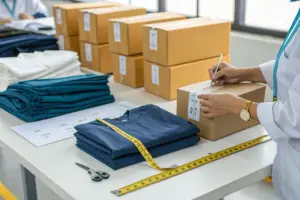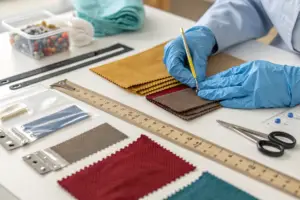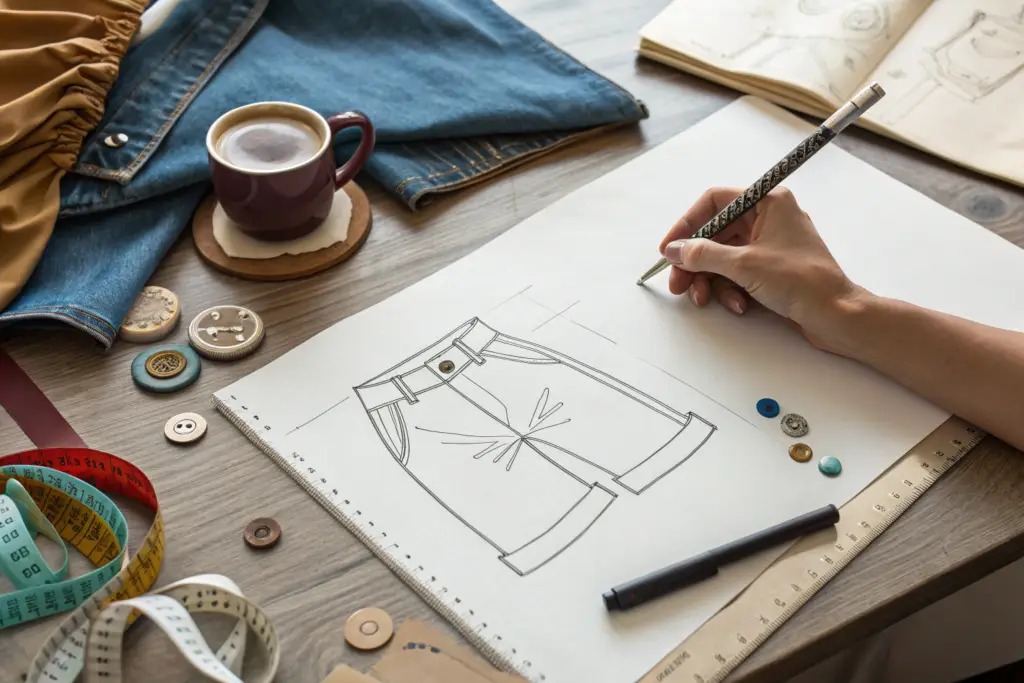
You own a boutique. Your customers come to you because they want something special. They do not want the same chino shorts they can buy at the department store or the fast-fashion chain. They want a piece that feels discovered. A piece with a detail they have not seen before. A fabric that feels luxurious. A fit that feels made for them. You know that your boutique's survival depends on differentiation. You cannot compete on price. The giants will always win that war. You must compete on uniqueness. On curation. On design. But how do you create a rare, exclusive style of a classic garment without a massive design team and a million-dollar development budget? You collaborate with a factory that offers custom design services. You start with a classic base and you change one or two specific elements. You make it yours.
Designing a rare style of classic shorts for your US boutique is a process of focused differentiation. You do not reinvent the entire short. You start with a proven, well-fitting base pattern for a classic silhouette. Then you customize three specific elements: the fabric, choosing a rare or premium textile not found in mass-market shorts, the detail, adding an unexpected pleat, pocket, or hem treatment, and the trim, using custom hardware, contrast stitching, or unique labels. This approach gives you a genuinely unique product without the risk and cost of developing a pattern from scratch. The result is a short that your customers cannot find anywhere else, that commands a premium retail price, and that builds your boutique's reputation for exclusive style.
At Shanghai Fumao, we regularly work with boutique owners to develop these rare variations. We have a library of classic base patterns that fit well. We have access to fabric mills that produce small runs of special textiles. We have trim suppliers who can make custom buttons, custom labels, and custom hardware in low minimums. The process is collaborative, creative, and surprisingly accessible. This article walks you through the design strategy, the differentiation levers, the development process, and the storytelling that makes a rare short successful.
What Design Strategy Creates a Rare Short Without Reinventing the Wheel?
The biggest mistake boutique owners make is trying to design a completely original garment from a blank page. A completely new silhouette requires multiple sampling rounds, extensive fit testing, and a high risk of a poor outcome. The smarter approach is evolutionary design. Start with something that works. Change one or two things that matter. This is how many successful boutique brands operate. They do not invent new garment categories. They elevate existing ones.
I worked with a boutique owner from Austin. She wanted an exclusive short for her store. She chose our standard high-waisted trouser short block as the base. The block fit her target customer perfectly. We had the fit dialed in. Instead of developing a new pattern, we focused on differentiation. She selected a rare deadstock linen-silk blend fabric. We changed the standard back welt pocket to an asymmetrical single-pleat patch pocket. We added custom Corozo nut buttons with a subtle engraved logo. The short was 90% a proven design. The 10% that was different made it a completely unique product. It sold out at a $148 retail price in three weeks. The base pattern eliminated the fit risk. The fabric and the pocket detail created the rarity.
The strategic principle is to isolate your innovation. Change the fabric, the detail, or the trim. Not all three at once. A focused change creates a clear, marketable point of difference. Multiple radical changes create a confusing product. Let's explore how to select your base and where to innovate.
Why Should You Start with a Proven Base Pattern Instead of a Blank Sketch?
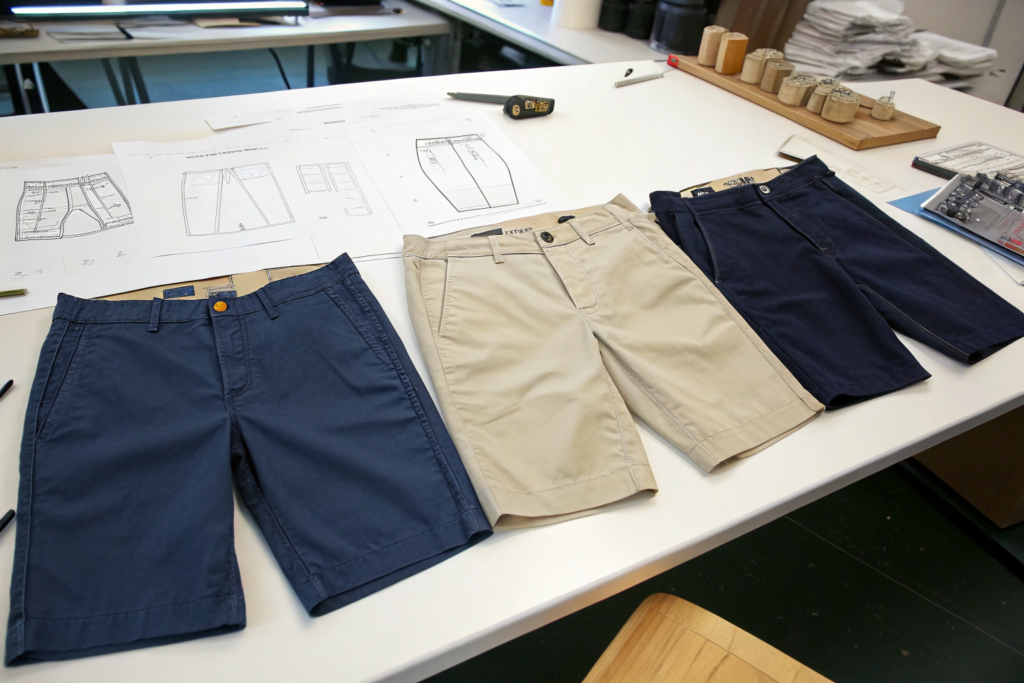
A proven base pattern has known measurements, known fit, and known customer satisfaction. The front rise is right. The leg opening is balanced. The seat curve accommodates a real body. When you start with this base, you eliminate the biggest variable in apparel design: fit. You know the short will fit your customer. You can focus your creative energy on the aesthetic differentiation.
A blank sketch starts from zero. The first sample will almost certainly have fit issues. The second sample will fix some but not all. You may need four or five sampling rounds to get the fit right. Each round costs money and takes time. For a boutique ordering 200 to 500 pieces, the development cost of a new pattern can exceed the profit on the order. The garment pattern development cost analysis shows the economics. A base pattern reduces development cost and accelerates time to market. It is the financially responsible way to design a rare product.
How Do You Choose the One Hero Detail That Defines the Style?
A rare short needs a hero detail. One element that catches the eye and becomes the story. It could be an unexpected pocket shape. A curved welt pocket instead of a straight one. A single cargo pocket on a tailored short. It could be a unique hem treatment. A scalloped hem. A contrast binding on the inside that peeks out. It could be a pleat configuration. Two forward pleats instead of one. A reverse pleat on a women's short.
The hero detail should be visible in a photograph. It should be something the customer can point to and say, "I love this detail." It should be something the sales associate can use as a conversation starter. "Notice the asymmetrical pocket. It is inspired by vintage French workwear." The detail carries the narrative. Choose one hero detail. Do not add three. Three details create visual noise. One detail creates a signature. The designing a signature detail for apparel article explains the power of a single, recognizable feature. Your hero detail is your short's identity.
What Fabric Choices Make a Classic Short Feel Rare and Luxurious?
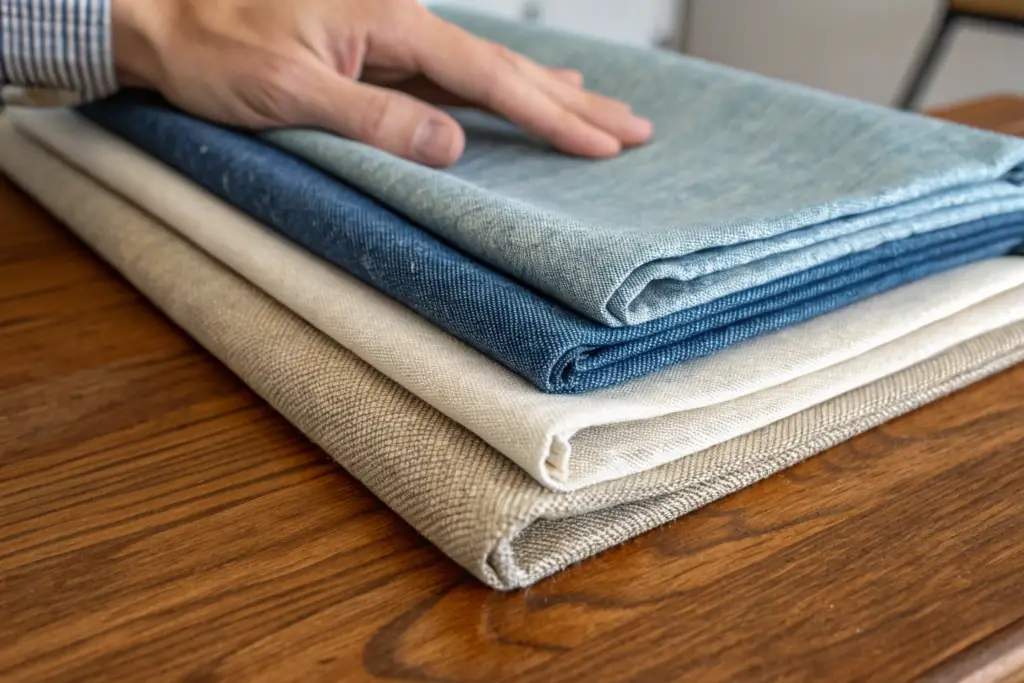
Fabric is the most powerful differentiation tool. A classic chino short in standard 280 GSM cotton twill is widely available. A classic chino short in a Japanese selvedge twill, a textured raw silk blend, or a garment-dyed organic cotton sateen is not. The fabric transforms the product from a commodity into a find. The customer touches the fabric and immediately understands the value. No logo is needed. The hand feel is the proof.
I recall a boutique owner from Portland who wanted a short that felt like a vintage find. We sourced a deadstock linen-hemp blend from a Japanese mill. The fabric had a beautiful, irregular slub texture and a natural, undyed color. The hand feel was extraordinary. Dry, textured, and cool. We made a simple elastic-waist short from this fabric. No complicated design details. The fabric was the detail. The shorts sold for $135. They sold out in two weeks. Customers came back asking if there would be more. The fabric had created scarcity and desire. The rare and premium fabric sourcing for small brands guide explains how to find and use unusual textiles.
Fabric rarity comes from the fiber, the weave, the finish, or the mill origin. A boutique owner can differentiate on any of these dimensions. The key is to choose a fabric that aligns with the brand's story and the customer's expectations. Let's explore the specific ways fabric creates rarity.
How Can You Use Deadstock, Organic, or Small-Batch Textiles for Exclusivity?
Deadstock fabric is leftover fabric from other brands' production runs. It is limited in quantity. Once it is gone, it is gone. A short made from deadstock fabric is inherently rare. The customer knows they are buying something that cannot be reproduced. This creates urgency and justifies a premium price. Organic cotton or linen certified by GOTS or OCS appeals to the sustainability-conscious boutique customer. The certification provides a credible story.
Small-batch textiles from artisan mills add a narrative layer. A hand-loomed cotton from India. A naturally dyed linen from a small Italian mill. These fabrics carry a story of craftsmanship. The story adds value. The deadstock fabric marketplace and organic textile certifications provide access to these rare materials. A boutique owner can differentiate their shorts simply by choosing a fabric with a limited supply and a compelling story.
Why Does an Unconventional Color or Garment Dye Process Catch the Boutique Customer's Eye?
Most classic shorts come in khaki, navy, olive, and black. A rare short comes in a color not found in the mass market. A dusty rose. A faded terracotta. A deep aubergine. An indigo that will fade like raw denim. The color is the first thing the customer sees in the window or on the website. An unusual, sophisticated color stops the scroll. It signals that this is not a generic product.
A garment dye process, where the finished short is dyed, creates a unique color character. The dye penetrates the fabric and the stitching. The seams take the dye slightly differently, creating a subtle tonal variation. Each piece is slightly unique. This variation is a feature, not a defect. It adds to the handmade, artisanal feel. The garment dyeing process and color effects guide explains the technique. A boutique short in a garment-dyed, unusual color is a rare product by definition.
What Custom Trims and Hardware Elevate a Short to Boutique Status?
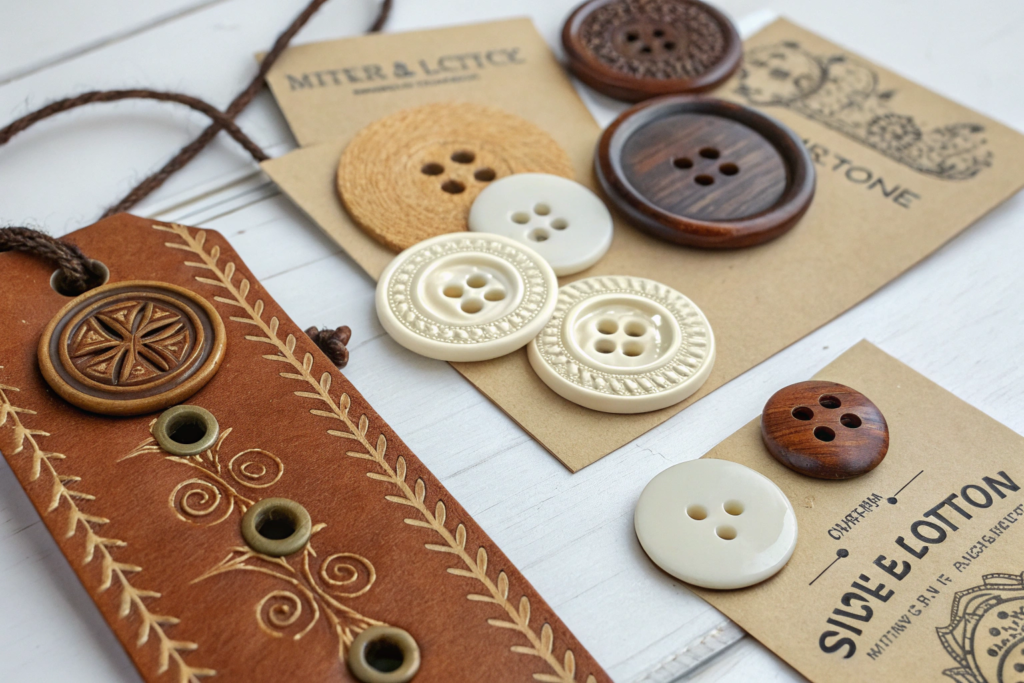
Trims are the jewelry of a garment. Standard shorts use standard trims. A generic plastic button. A plain YKK zipper. A printed satin label. These trims are functional and anonymous. Boutique shorts use custom trims. A button carved from a tagua nut with the boutique's name engraved. A zipper with a leather pull tab. A woven label designed by a local artist. These small details transform the perception of the product. They tell the customer that someone cared enough to specify every element.
I worked with a boutique that designed a short around the hardware. They found a vintage French button mold and had new buttons cast from the original. The buttons were small works of art. They became the focal point of the short. The boutique displayed the shorts with a card explaining the button's origin. Customers picked up the shorts specifically to see the buttons. The hardware was the hero. The custom garment trim design guide explains the trim customization process. Trims are an affordable way to add perceived value and rarity.
Trims are high-impact, low-cost differentiation. The setup cost for a custom button mold or a custom woven label is a one-time investment. The per-unit cost increase is pennies or a few dollars. The perceived value increase is tens of dollars. Let's examine the most effective trim customizations.
How Do Custom Buttons, Zipper Pulls, and Rivets Create a Signature?
A custom button with the boutique's logo, initials, or a unique symbol is a signature detail. It is a small, permanent mark of quality. A custom zipper pull, perhaps a small leather tab or a braided cord with a metal tip, adds a tactile luxury point at the fly. Custom rivets on the pocket corners, embossed with a small design, reinforce stress points and add a visual detail.
These hardware elements are touched every time the customer wears the shorts. They create a physical, sensory experience of quality. The setup cost for a custom metal button mold is typically $50 to $150. The per-unit button cost is $0.15 to $0.35. For a 500-piece order, the total custom button investment is around $200 to $300. The return on that investment is a short that looks and feels like a $150 product. The custom garment hardware sourcing guide provides suppliers and minimums.
What Role Do Woven Labels and Hang Tags Play in Perceived Value?
A woven label is a small piece of fabric sewn into the garment. A boutique woven label with a unique typeface, a hand-drawn logo, or an artistic motif elevates the entire garment. It is the final signature. A hang tag is the customer's first touchpoint. A hang tag on a thick, textured paper stock, perhaps with letterpress printing, a wax seal, or a piece of twine, communicates quality before the customer even touches the fabric.
These packaging elements are part of the product experience. They make the short feel like a gift. They make the unboxing a moment. The customer who receives a beautifully packaged short is more likely to post it on social media, generating organic marketing. The custom clothing labels and packaging guide covers the options. Labels and tags are a small investment that pays for themselves in customer loyalty and word-of-mouth.
How Do You Develop and Sample a Rare Short Design with a Factory?
The design is in your head. The factory turns it into a physical product. This process requires clear communication, patience, and a structured sampling process. A rare design, by definition, is not a standard product that the factory has made a thousand times. It requires more back-and-forth. The factory must understand your vision. You must understand the factory's technical constraints. The sampling process is the translation process.
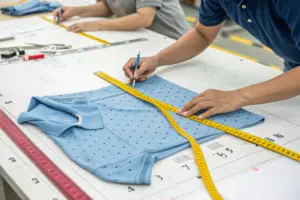
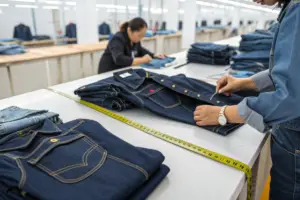
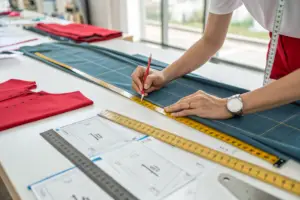
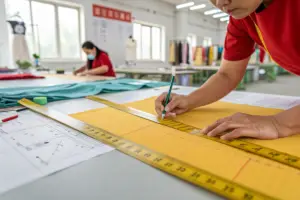
I worked with a boutique owner who had a very specific vision for a pleated short with a raw-edged hem. She sent a sketch and a reference photo. We made the first sample. The pleats were the wrong depth. The raw edge was too clean. She provided detailed feedback with measurements. We made a second sample. The pleats were right. The raw edge had the right amount of fray. She tweaked the pocket placement. We made a pre-production sample. It was perfect. The process took three rounds and four weeks. The result was exactly what she envisioned. The custom garment sampling process guide explains the steps. A successful rare design requires a commitment to the sampling process.
The development process has three phases: the design brief, the sampling rounds, and the pre-production approval. Each phase has a clear deliverable. The key is to communicate visually and to be precise in feedback. Let's walk through the process.
What Information Should You Send for a First Sample Request?
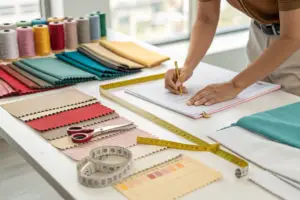
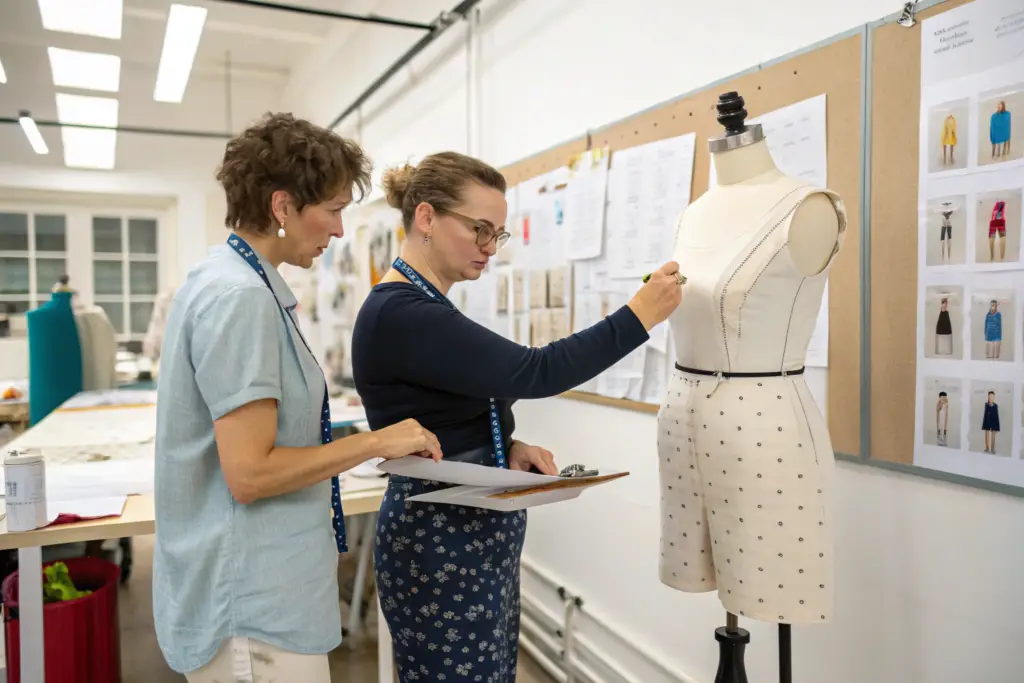
Send a clear design brief. A sketch, even a rough one, with the key features labeled. Reference photos of the silhouette, the fabric texture, and the hero detail. A description of the fabric you want, including the fiber composition, the weight, and the hand feel. The target retail price. The approximate order quantity.
If you have a physical reference garment, courier it to the factory. A garment is worth a thousand photos. The factory can measure it, analyze the construction, and understand the proportions. The more specific you are in the brief, the closer the first sample will be to your vision. The garment design brief template provides a framework. A good brief saves sampling rounds and time.
How Many Sampling Rounds Are Realistic for a Unique Design?
For a unique design based on a modified base pattern, expect two to three sampling rounds. The first round is the initial interpretation. The factory makes their best guess based on your brief. It is rarely perfect. The second round incorporates your detailed corrections. It should be close. The third round, if needed, is for fine-tuning. After the third round, you should have a pre-production sample ready for final approval.
If the design requires more than four rounds, the communication is breaking down. Either the brief was unclear, or the factory is not understanding the feedback. The sampling timeline for custom garments provides a typical schedule. Each round takes 7 to 14 days. Budget four to six weeks for the sampling process. Do not rush it. A rushed sample is an inaccurate sample.
How Do You Tell the Story of Your Rare Shorts to Justify a Premium Price?
The product is made. Now you must sell it. A rare short cannot be sold with a generic product description. "Khaki shorts. 100% cotton. Button closure." That description sells a $30 commodity. Your rare short needs a story. The story justifies the premium price. It connects the customer to the product emotionally. It makes the purchase feel meaningful. The story is the bridge between the product's features and the customer's desire to own something special.
I helped a boutique owner craft the story for her rare shorts. The fabric was a deadstock Italian linen. The buttons were made from recycled ocean plastic. The shorts were sewn in a family-owned factory. We turned these facts into a narrative. "Woven in a small mill near Lake Como, this deadstock linen was destined for a luxury house. We found it, saved it, and turned it into a short that carries a piece of Italian summer. The buttons were once plastic bottles floating in the Mediterranean. Now they close a short made for a lifetime of summers." The story sold the shorts. Customers read the story and felt connected to the product. They paid $145 without hesitation.
The story is built on facts. The fabric origin, the trim source, the factory location, the design inspiration. The facts are woven into a narrative that appeals to the customer's values and aspirations. Let's examine how to build that narrative and where to tell it.
What Elements of the Design Process Make Compelling Marketing Content?
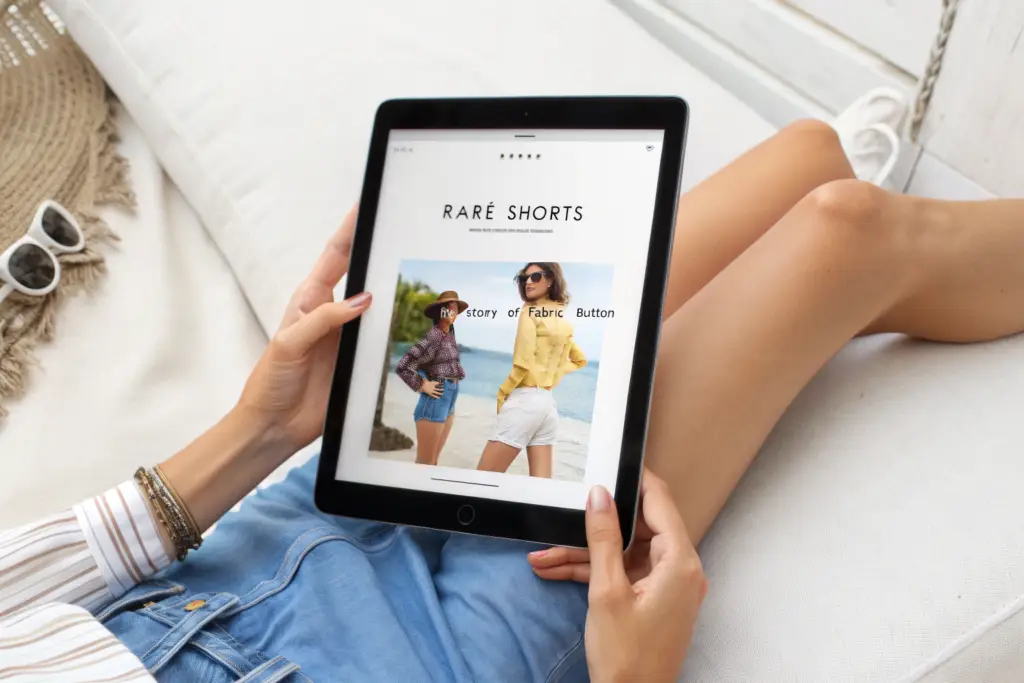
The fabric source. Where did it come from? Who made it? A small Italian mill? A Japanese selvedge weaver? An organic cotton cooperative? The design inspiration. What inspired the hero detail? A vintage garment? A piece of architecture? A painting? The trim story. Who made the buttons? What material are they? The factory story. Who sewed the shorts? How long have they been making garments? What are their working conditions?
These elements are authentic and specific. They are not marketing fluff. They are the real story of the product. Photograph the process. The fabric swatch pinned to a mood board. The button mold being carved. The sample being fitted on a dress form. The finished shorts being packed. These behind-the-scenes images are powerful social media content. They bring the customer into the creation process. The brand storytelling for fashion labels guide explains the power of process transparency. The story is as valuable as the product.
How Do You Use Scarcity and Craftsmanship to Support a Higher Retail Price?
Scarcity is a legitimate value driver. If the fabric is deadstock, there is a finite amount. You can only make so many shorts. Communicate this. "Limited run of 50 pieces. Once this fabric is gone, it is gone forever." This creates urgency and justifies the price. Craftsmanship is the other pillar. Hand-finished hems. Individually engraved buttons. A signed label from the pattern maker. These human touches add value that mass production cannot replicate.
The price is supported by the tangible and intangible elements of rarity. The customer is not just buying shorts. They are buying a piece of a story, a limited resource, and a human touch. The pricing strategy for limited-edition fashion article explains the psychology. A rare short is a collectible, not just a garment.
Conclusion
Designing a rare style of classic shorts for your US boutique is a creative and commercial opportunity. You do not need to reinvent the short. You need to curate the details. Start with a proven base pattern that guarantees a good fit. Choose a rare fabric that tells a story and feels luxurious to the touch. Design one hero detail that becomes the visual signature. Select custom trims, buttons, labels, and hardware, that add tactile quality and perceived value. Work with a factory that offers custom design services and a structured sampling process. Then, tell the story. Market the fabric's origin, the button's history, and the limited production run. Use the narrative to justify a premium retail price.
This approach allows a small boutique to compete with much larger brands. The boutique cannot win on price or on marketing spend. It can win on uniqueness, curation, and story. A rare short is a competitive moat. It is a product that customers cannot price-compare. It is a product that builds the boutique's reputation as a destination for special, thoughtful clothing.
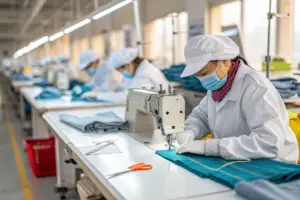
At Shanghai Fumao, we are a factory that collaborates with boutique owners on rare designs. We have the base patterns. We have access to deadstock and small-batch fabrics. We have trim suppliers who support low minimums. We have a sampling team that works patiently to bring a unique vision to life. If you are a boutique owner with an idea for a rare short, contact our Business Director, Elaine, at elaine@fumaoclothing.com. Send her your sketch, your reference photos, your fabric ideas. She will prepare a development plan and a sample timeline. Let us help you create a short that is uniquely yours.