I once watched a successful brand owner nearly destroy her business in six months. She had been working with a reliable factory for four years. The quality was consistent. The deliveries were on time. The relationship was strong. Then she received a quote from a new factory that was 18% cheaper. She switched. The first order arrived with misaligned buttonholes and a collar that did not match the approved sample. The second order was four weeks late. The third order used a substituted, lower-quality fabric that caused a 22% return rate from her wholesale accounts. She lost two major retail contracts. She came back to her original factory, but the damage to her reputation and her cash flow took two years to repair. The 18% savings had cost her hundreds of thousands in lost revenue.
Busy apparel buyers face incredibly high risks when constantly switching factories because each new factory represents an untested, unverified link in a fragile supply chain. The known risks of a new factory relationship include inconsistent quality control, misunderstood specification standards, hidden financial instability, and a complete lack of institutional knowledge about the brand's specific fit and quality expectations. A stable factory has learned the brand's language over multiple production runs. It knows that the brand prefers a slightly softer collar interlining, that the color navy must lean slightly warm, and that the packaging requires a specific fold for retail presentation. A new factory knows none of this. Every new relationship is a return to the starting line of the learning curve. The cost of climbing that curve again is paid in defective units, delayed shipments, and the buyer's own time spent on training, supervising, and firefighting.
The appeal of a cheaper quote is seductive. The hidden costs of switching are brutal. The most profitable brands are not the ones that constantly chase the lowest FOB price. They are the ones that build deep, long-term partnerships with a small number of factories and reap the compounding benefits of accumulated trust, shared knowledge, and prioritized service. I want to share exactly what those hidden costs are, and why the smartest buyers treat factory relationships like marriages, not transactions.
What "Institutional Knowledge" Is Lost Every Time a Buyer Abandons a Long-Term Factory?
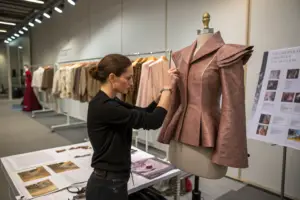
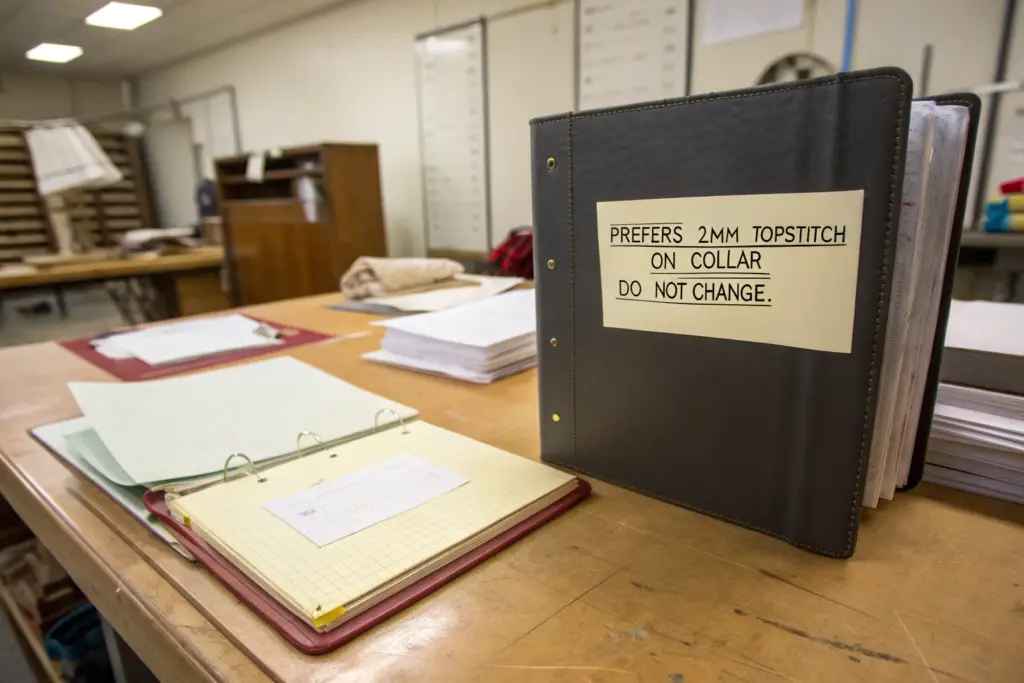
A brand owner I work with spent three years perfecting the fit of her signature blazer with our pattern maker. The first sample was close. The second was better. By the fifth sample, the fit was flawless. The pattern maker had learned the brand's specific body shape assumptions, the preferred ease in the shoulder, and the exact sleeve pitch that worked for their customer. That knowledge was not written in any tech pack. It lived in the pattern maker's mind and in the annotated notes on the pattern file. If that brand had switched to a new factory, they would have started the entire three-year process over from scratch. The new factory would have had a spec sheet, but not the three years of unspoken, accumulated understanding.
Institutional knowledge is the unwritten, accumulated understanding that a factory develops about a brand over multiple production runs. It includes the brand's specific fit preferences, which are often subtle adjustments to the standard pattern that are not fully captured in the tech pack. It includes the brand's quality tolerance boundaries, what they consider an acceptable variation versus a defect. It includes the brand's communication style, how they like to receive updates and make decisions. It includes the factory's understanding of the brand's end customer, which influences material recommendations and construction suggestions. All of this knowledge is lost every time a buyer switches to a new factory. The new factory starts from zero. The buyer must invest time, money, and emotional energy to rebuild this knowledge base. During that rebuilding period, the risk of quality failures and miscommunications is significantly elevated.
The tech pack is a blueprint. The institutional knowledge is the relationship between the architect and the builder. A new builder can read the blueprint, but they have not had a hundred conversations with the architect about what certain notes mean. The lost conversations are the invisible cost of switching.
How Does a Stable Factory "Silently Fix" Small Design Flaws Without Bothering the Buyer?
A stable factory knows the brand's product intimately. When a pattern maker sees a small potential issue, a seam that might pucker on a specific fabric, a button placement that might pull on a larger size, they can make a micro-adjustment that fixes the issue without the buyer ever knowing there was a problem. A new factory lacks the confidence and the relationship to make these adjustments. They follow the tech pack literally, even if they see a potential issue. The problem then surfaces in the sample or the bulk production, requiring the buyer's time to resolve. The silent fix is a gift of a long-term relationship.
Why Is the "Product History File" a Priceless Asset That Takes Years to Rebuild?
The product history file contains every pattern revision, every quality inspection report, every fabric test result, and every email thread about fit adjustments for a specific style. It is the memory of the garment. When a style is reordered, the factory consults this file and knows exactly what was approved, what issues were resolved, and what specifications are critical. A new factory has no such file. They rely solely on the tech pack, which is a snapshot of the final specification, not a history of the journey to get there.
What Are the Specific Quality Control and Communication Risks of a "First Production Run" with a New Supplier?
I have seen a first production run with a new factory go wrong in ways that are almost predictable. The factory interprets the tech pack differently than the previous factory. A measurement that was previously measured from seam to seam is now measured from fabric edge to fabric edge. The difference is half an inch. The whole production run is half an inch too large. The buyer discovers this at final inspection, when it is too late to re-cut. The entire order is a loss. This is not a rare occurrence. It is a common outcome of the "First Run Penalty."
The first production run with a new supplier carries a statistically higher risk of quality failures and communication breakdowns. The risks fall into three categories. First, specification interpretation risk: every factory has its own internal conventions for measuring, cutting, and finishing. The tech pack is not a universal language. It is interpreted through the lens of the factory's internal standards. A new factory has not yet calibrated its interpretation to the brand's expectations. Second, communication cadence risk: a new factory does not know the brand's preferred communication style. Does the buyer want daily updates? Weekly summaries? Do they want to be notified of every small issue, or only the critical ones? The mismatch in communication expectations leads to information gaps and surprises. Third, quality expectation risk: every brand has a slightly different tolerance for what constitutes a defect. A new factory applies its own internal standard, which may be looser than the brand's expectation. The first run is where these gaps are discovered, painfully and expensively.
The first run penalty is the hidden tax on factory switching. The buyer pays this tax in rework costs, delayed shipments, and their own time spent on supervision. The tax is not optional. It is the cost of learning to work together.
How Do "Standard Operating Procedures" Differ Between Two Factories in Ways That Create Bulk Defects?
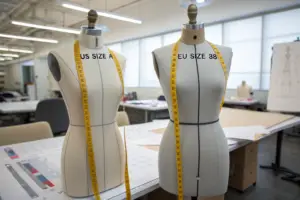
One factory may measure a sleeve length from the center back neck. The other measures from the shoulder seam. Both believe they are correct. The tech pack may not specify the measurement point clearly. The result is a bulk order with sleeves that are an inch too long or too short. These SOP differences are invisible until the first defective production run reveals them.
What Is the "Blame Game" Dynamic That Emerges When a New Factory Fails an Inspection?
When a new factory fails an inspection, there is no reservoir of trust to draw upon. The buyer assumes incompetence or dishonesty. The factory assumes the buyer is unreasonable or the spec was unclear. The relationship, which has no history of successful collaboration, immediately becomes adversarial. A long-term factory has a history of past successes. A failure is seen as an isolated problem to be solved together. The new factory has no such history. The failure defines the relationship.
How Does a Buyer's Reputation with Their Own Retail Accounts Suffer from Inconsistent Supplier Performance?
A retail buyer once told me that she had a "three strikes" rule. If a brand was late on delivery three times, she stopped buying from them. It did not matter what the reason was. A factory switch, a fabric delay, a customs problem. The reason was the brand's problem, not hers. Her shelf space was too valuable to gamble on an unreliable supplier. A brand she had carried for five years was dropped in a single season because they switched factories twice, and both transitions caused delays. The brand owner had been chasing margin. He lost the retail partnership that generated 60% of his revenue.
A buyer's reputation with their retail accounts is built on delivery reliability. Retail buyers plan their inventory, their promotions, and their floor space around promised delivery dates. When a brand misses those dates, the retail buyer loses sales, loses customer trust, and looks bad to their own management. The reason for the miss, whether a factory switch or a logistics failure, is irrelevant to the retail buyer. They need the goods on time. Constant factory switching introduces a recurring risk of late delivery. Each new factory has a learning curve that often results in a delayed first shipment. The retail buyer who experiences multiple late deliveries from a brand will simply replace that brand with a more reliable competitor. The brand's reputation for unreliability becomes a permanent mark against them.
The brand owner sees the FOB savings. The retail buyer sees the late delivery. The brand owner is optimizing for cost. The retail buyer is optimizing for reliability. The two optimizations are in direct conflict.
How Does a "Supplier Stability Score" Impact Your Chances of Winning a Major Department Store Contract?
Major department stores increasingly use vendor scorecards that track on-time delivery, quality consistency, and compliance history. A brand with a history of factory switching will have a lower stability score. The store's buying team will view the brand as a higher-risk vendor. They may reduce their order quantity, demand stricter penalty clauses, or decline to carry the brand altogether.
What Is the "Domino Effect" of One Late Shipment on a Brand's Entire Seasonal Cash Flow?
A late shipment from a new factory delays the wholesale delivery. The retail buyer delays payment. The brand's cash inflow is delayed. The brand may then be unable to pay their next deposit to the factory, delaying the next production run. The single late shipment cascades into a cash flow crisis that can take multiple seasons to stabilize.
Conclusion
The risks of constantly switching factory suppliers are not theoretical. They are measured in defective goods, delayed shipments, lost retail contracts, and destroyed cash flow. The 18% savings that tempts a buyer to switch is a visible, quantifiable number. The hidden costs are invisible at the moment of decision but are equally quantifiable in the aftermath of a failed production run.
The long-term factory relationship is a strategic asset. It accumulates institutional knowledge, refines quality standards, and builds a reservoir of trust that can absorb the inevitable problems of manufacturing. The factory-switching buyer pays the first-run penalty over and over, never reaching the point where the relationship itself becomes a source of efficiency and risk reduction.
At Shanghai Fumao, we invest heavily in our long-term brand partnerships. We maintain detailed product history files, assign dedicated merchandisers who learn each brand's preferences, and prioritize our established partners' production schedules. We believe that the most profitable factory relationship is one that deepens over years, not one that is constantly compared against a cheaper quote.
If you are considering switching factories, or if you want to evaluate the total cost of your current supplier relationships, we can help you think through the decision. At Shanghai Fumao, we will share our approach to building long-term partnerships and provide a transparent cost analysis that accounts for the hidden costs of switching. Contact our Business Director, Elaine, at elaine@fumaoclothing.com. She can walk you through a sample product history file and discuss how we build quality consistency over multiple production runs. Do not let a cheap quote seduce you into a risky relationship. Build a partnership that compounds in value.