Two years ago, a client from Portland sent me a tech pack for a new hoodie. It had a massive, colorful logo splashed across the chest. He was convinced it would be his hero product. I asked him one question: "Would you wear that to a nice dinner?" He paused. He thought about it. He said, "No, probably not." We redesigned the piece. We moved the logo to a small embroidery on the sleeve hem. We upgraded the fabric to a brushed, heavy-weight cotton. That quiet, refined hoodie became his best-selling item for six consecutive months. The American buyer had changed. He just hadn't noticed yet.
Designing customized apparel that appeals to modern American buyers requires a fundamental shift away from loud branding and toward a philosophy of "elevated essentials." Today's American consumer values versatility, comfort, and subtle quality signals over ostentatious logos. They want garments that fit seamlessly into a hybrid lifestyle—pieces that look appropriate on a Zoom call, feel comfortable on a weekend errand, and hold up after twenty washes. The most successful custom designs combine a sophisticated, often oversized silhouette with premium, tactile fabrics and minimalist branding that whispers rather than shouts. The customization is not in the loud logo; it is in the unique fit, the unexpected fabric choice, and the thoughtful, hidden detail that makes the wearer feel like they discovered something special.
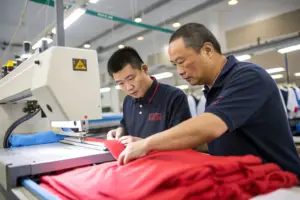
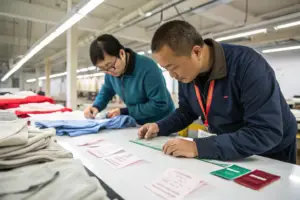
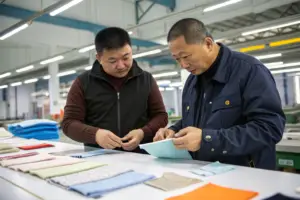
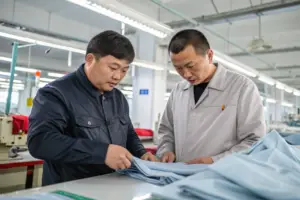
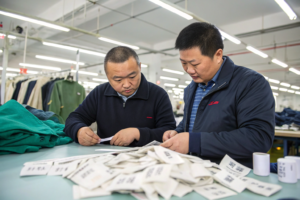
I run the production floor at Shanghai Fumao. I see the purchase orders. I see which tech packs get reordered and which ones end up on the clearance rack. I want to share what I have learned about the American buyer's evolving taste from the cutting table perspective. This is about designing clothing that moves off the shelf at full price.
What Silhouettes and Fits Are Defining the Modern American Wardrobe?
The days of the slim-fit, muscle-hugging polo shirt as the default American uniform are over. The pandemic accelerated a trend that was already building: comfort is king, but it must look intentional. The modern American buyer has embraced the oversized silhouette, but with a critical eye for proportion.
I produce thousands of units of men's wear and women's wear weekly. The spec sheets have changed dramatically. Chest widths on a size Medium T-shirt used to be 20 inches across (half-chest). Now, they are routinely 23 to 24 inches. The shoulder seam no longer sits on the edge of the shoulder bone; it drops 2 to 3 inches down the arm. The body length is cropped slightly to balance the volume, preventing the wearer from looking like they are drowning in fabric.
This is not just a trend for streetwear brands. I see this in orders for corporate apparel, for boutique hotel uniforms, and for direct-to-consumer basics. The American buyer wants to feel unrestricted. They want a garment that drapes and moves with them, not one that constrains them.

Why Are Relaxed and Boxy Fits Outperforming Slim Cuts in Sales Data?
The sales data from our clients' reorder patterns tells a clear story. A brand that offered both a "Classic Slim Tee" and a "Boxy Heavyweight Tee" saw the Boxy style outsell the Slim style by a factor of four to one in 2025. The consumer vote is in.
The boxy fit achieves two psychological goals for the modern buyer:
- It Hides and Flatters: The straight, wide cut skims the body rather than clinging to it. It provides a sense of ease and confidence that a slim, unforgiving cut does not.
- It Signals Contemporary Taste: A boxy tee worn with wide-leg trousers or relaxed denim signals that the wearer understands the current fashion landscape. It is an easy way to look modern without trying too hard.
For custom apparel designers, this means you need to rethink your size grading. You cannot just take a standard slim pattern and add 4 inches to the width. That creates an unbalanced garment with tight armholes and a baggy body. The entire pattern must be re-engineered. The armhole must be lowered and widened. The sleeve must be re-shaped to attach cleanly to the new armhole. This is cut-and-sew garment manufacturing expertise. At Shanghai Fumao, we have developed a library of "Modern American Fit" blocks specifically for these oversized, drop-shoulder constructions.
How Does the Rise of Hybrid Work Influence Everyday Garment Design?
Your customer is no longer just going to an office or just staying home. They are living a blended life. They might have a Zoom meeting at 10 AM, a coffee run at 2 PM, and a parent-teacher conference at 4 PM. They need one outfit to do it all.
This has created the "Workleisure" category. It is not activewear (too sporty) and it is not traditional business casual (too stiff). It sits in between.
Design Implications for Customization:
- Fabric with Structure and Stretch: A woven pant that looks like a chino but has 2% spandex for comfort during a long sit.
- Polished Knitwear: A sweater made of heavy-gauge knit that looks substantial on camera but feels like a sweatshirt.
- The "Zoom Mullet" Garment: A jacket or shirt with a clean, structured collar and shoulder for the camera, but made of a soft, breathable French terry fabric. It looks professional on top but feels like loungewear.
I worked with a client who designed a custom logo "Work Shirt" for a tech company's employee store. We made it from a brushed cotton twill that had the softness of flannel but the crisp appearance of a poplin shirt. It had a hidden button-down collar to keep it tidy on video calls. It became the most requested item in their company store history. The modern American buyer is looking for these intelligent hybrids.
Which Fabrications and Textures Signal Premium Quality to U.S. Consumers?
You can have the best design in the world, but if the fabric feels cheap, the American buyer will return it. And they will leave a one-star review mentioning "thin material" or "felt like sandpaper." The modern American consumer has been educated by years of online shopping. They read the "Fabric Weight" and "Material Composition" sections of your product page. They know that GSM matters.
The trend is unmistakably toward Heavyweight and Textured fabrics. Lightweight 120 GSM jersey tees feel disposable. A 280-350 GSM garment feels like an investment. The weight communicates durability and luxury before the customer even puts it on.
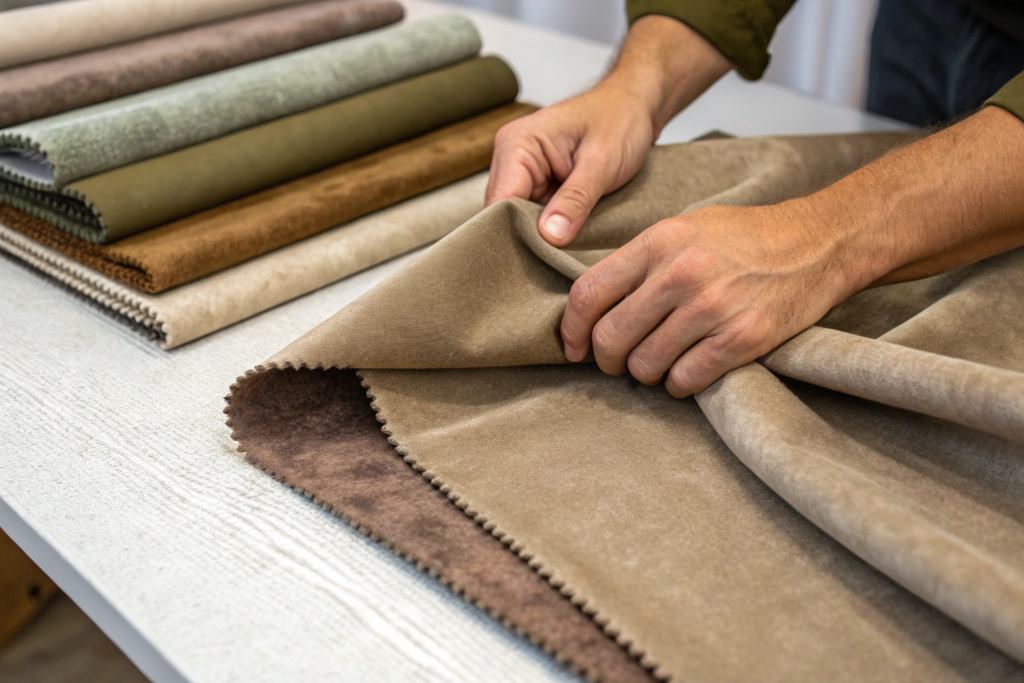
Why Is Heavyweight Cotton and French Terry Dominating the Basics Market?
The basic T-shirt and hoodie market has bifurcated. At the bottom, you have fast fashion with razor-thin margins and high return rates. At the top, you have premium basics brands selling a "Heavyweight Cotton Tee" for $60 to $80. And they are selling out.
The Heavyweight Difference:
- GSM (Grams per Square Meter): This is the weight of the fabric. A standard fashion tee is 140-160 GSM. A premium American streetwear or basics tee is 220-280 GSM.
- Drape: Heavyweight cotton hangs straight and solid. It creates a clean, architectural silhouette. Lightweight cotton clings and wrinkles.
- Durability: It survives the washing machine and dryer without losing its shape or developing holes.
French terry is the other hero fabric. It is the looped-back fabric used for premium sweats. The American buyer has learned to distinguish cheap, fluffy fleece (which pills and mats down) from dense, structured French terry (which maintains its texture).
For custom apparel brands, this is an opportunity. You can justify a higher retail price point by simply using a better fabric weight. The consumer feels the difference instantly. It makes your custom logo or design feel more legitimate. For more on fabric weight specifications, see this Guide to Fabric Weight.
How Are Textured Knits and Waffle Weaves Adding Perceived Value?
Flat, smooth jersey is everywhere. It is the default. To stand out and appeal to the modern American buyer who craves "elevated basics," you must introduce texture.
Textures That Are Winning in the U.S. Market:
- Waffle Knit / Thermal Knit: This classic texture has moved beyond long underwear into fashion knitwear. It adds visual interest to a simple crewneck or henley. It photographs beautifully and feels substantial.
- Slub Jersey: Fabric with intentional, random thick-and-thin variations in the yarn. It gives a T-shirt an organic, handcrafted, vintage feel. It hides wrinkles and looks better with age.
- Brushed / Peach Finish: Mechanically brushing the inside or outside of the fabric to create a soft, velvety hand feel. This is a huge trend in women's wear loungewear and men's wear shirting.
I produced a run of waffle-knit long-sleeve tees for a client in Nashville. The garment was simple. No chest print. Just a woven label at the hem. The texture did all the work. It sold out at $68 per unit. The buyer told me customers kept saying, "It just feels expensive." That is the goal of modern American design. The value is in the tactile experience.
What Role Does Minimalist Branding Play in American Purchasing Decisions?
I remember when a client asked me to embroider his logo 4 inches wide on the chest of a hoodie. I said, "Are you sure?" He was sure. Six months later, he came back with a new tech pack. The logo was now a 1-inch tonal embroidery on the wearer's left pocket. He told me, "My customers are adults. They don't want to be a walking billboard."
This is the central shift in American brand perception. Loud, large logos now read as "mass market" or "trying too hard." Quiet, subtle, or entirely absent branding reads as "confident" and "premium." The modern American buyer wants to signal that they are in the know, not that they paid for advertising space on their own chest.
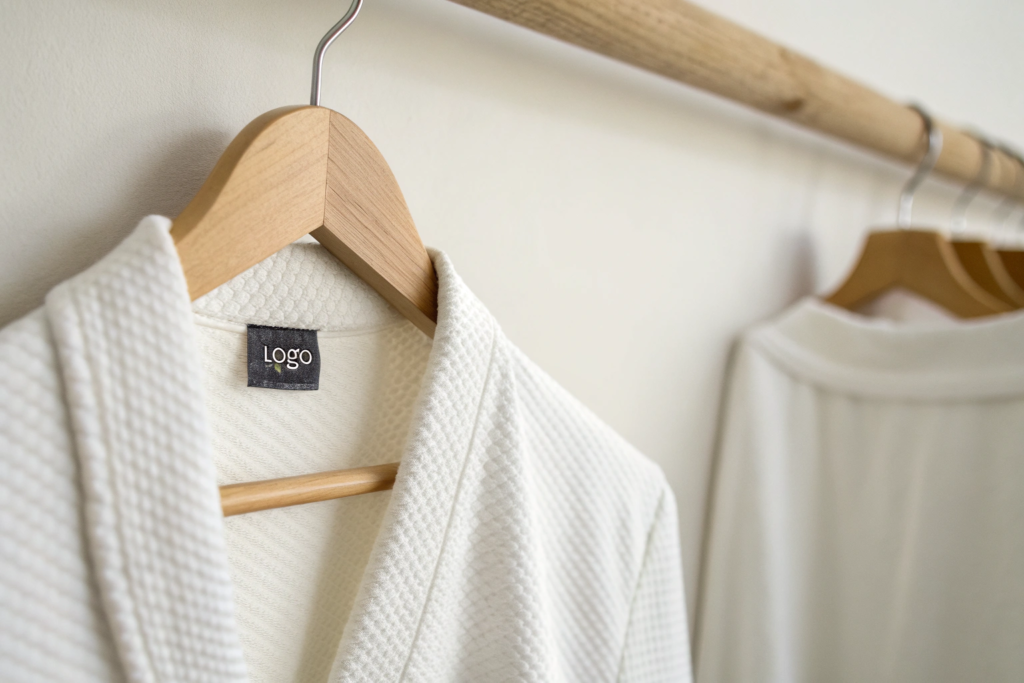
Why Are Tonal Embroidery and Woven Labels Outperforming Large Prints?
Large screen prints crack. They fade. They look cheap after ten washes. And they limit the versatility of the garment. You can't wear a giant logo hoodie to a nice bar or a casual date.
The Shift to Subtle Signals:
- Tonal Embroidery: A logo stitched in a thread that is the same color as the fabric. It is visible up close, but from across the room, it looks like a clean, unbranded piece. This is the ultimate "if you know, you know" signal.
- Woven Label at Hem or Side Seam: A small, premium woven label placed at the bottom hem or the side seam. It adds a detail of discovery. The wearer finds it. Their friend notices it when they borrow the shirt. It creates a moment of shared appreciation.
- Inside Neck Print: Branding hidden inside the garment, against the skin. The outside is clean. The inside holds the identity.
For custom apparel, this approach is actually more cost-effective for small runs. Setting up a screen for a large print requires minimums and setup fees. A small embroidery or a woven label has a lower setup cost and a higher perceived value. It is a win-win for the brand buyers budget and the consumer's taste.
How Does "Quiet Luxury" Influence Custom Apparel Design Choices?
Shows like Succession and the rise of brands like The Row and Loro Piana have mainstreamed "Quiet Luxury." It is the idea that wealth whispers. The quality is in the cut, the material, and the construction, not the logo.
For your clothing line, this translates into specific design choices:
- Remove the Chest Print: Just remove it. Trust the silhouette and the fabric.
- Focus on Trims: Upgrade the zipper to a YKK with a custom puller. Use real horn or corozo nut buttons instead of cheap plastic. These are the details the modern American buyer notices.
- Perfect the Fit: A garment that fits perfectly feels custom-made. It signals quality more than any logo ever could.
I worked with a brand that launched a line of "Essential" pants. No logos anywhere. Just a beautifully cut wide-leg trouser in a Japanese cotton twill. They included a spare button sewn inside the waistband with a small piece of contrasting fabric. That tiny detail—the spare button—was mentioned in over 50% of their five-star reviews. The American buyer is looking for proof that you cared about the product. Minimalist branding, when paired with maximalist quality, is that proof.
How Can Customization Options Create a Competitive Advantage in a Crowded Market?
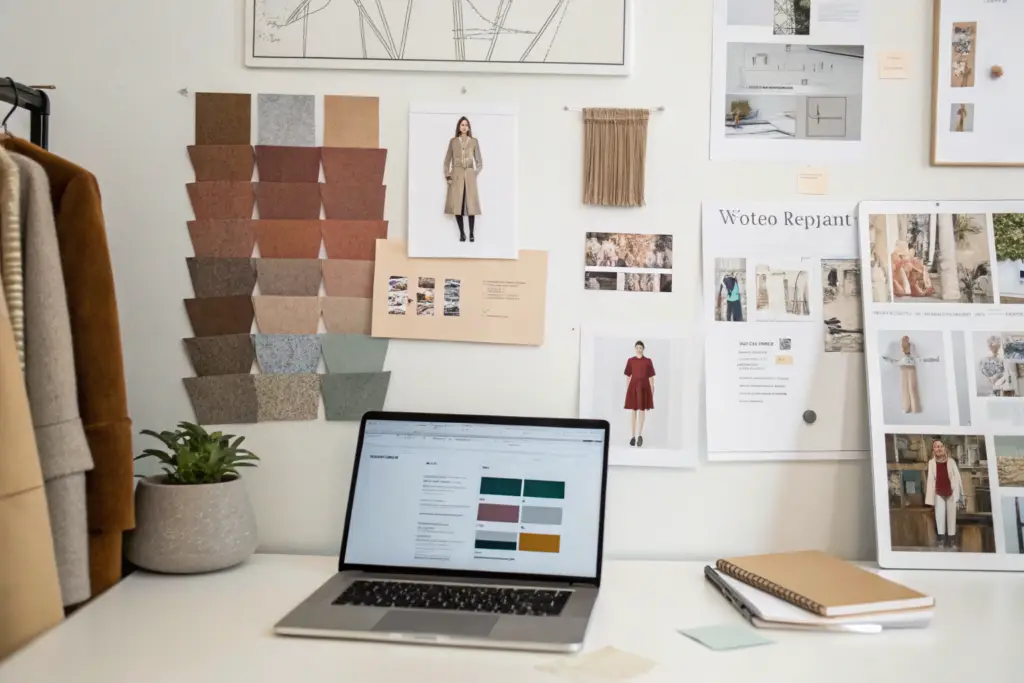
The American market is saturated with apparel brands. How do you stand out when everyone is using the same blanks from the same wholesalers? The answer is true customization. Not just adding a logo to a stock item. I am talking about designing a product from the fabric up that is unique to your brand.
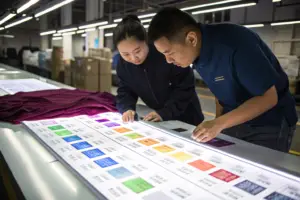
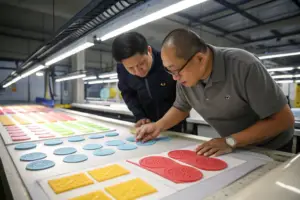
This is where working with a factory like Shanghai Fumao changes the game. You are not limited to a catalog of 5 hoodie colors. You can specify the exact Pantone color for the fabric dye. You can choose the weight of the ribbing on the collar. You can add a hidden pocket inside the waistband. These are the details that make your product impossible to find elsewhere, which protects your pricing power.
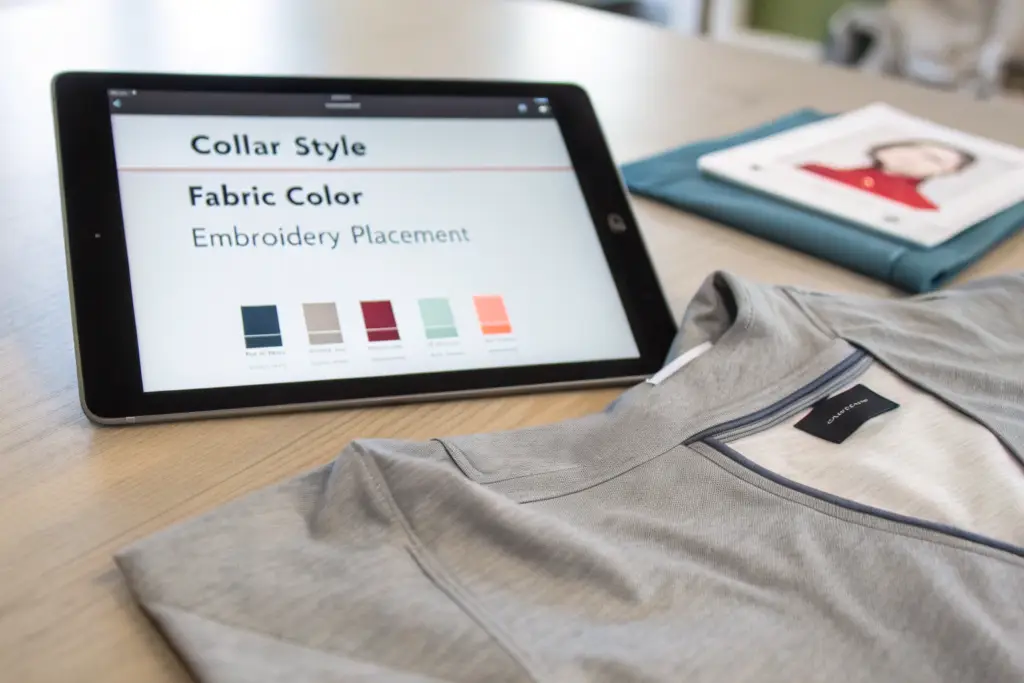
What Made-to-Order Details Do Modern Consumers Actually Value?
Not all customization is created equal. Adding a customer's name to the back of a shirt is a niche market. The mass American market values customization that improves the fit or function of the garment.
High-Value Customization Options:
- Length Customization: Offering "Regular" and "Tall" lengths in tops, or specific inseam lengths in cargo pants and trousers. The American body is diverse. A 6'2" customer will pay a premium for a shirt that actually covers their torso.
- Pocket Configurations: "Left Chest Pocket," "No Pocket," "Hidden Zip Pocket." Giving the buyer a choice makes them feel involved in the design process.
- Monogramming (Subtle): Small, tonal monogramming on a cuff or collar. It is a classic American tradition that feels fresh when done minimally.
A client of ours offers a "Custom Fit" option on their women's wear trousers. The customer inputs their waist and hip measurement, and we grade the pattern to their specific size within a range. The return rate on those custom-fit trousers is 70% lower than their standard-sized inventory. The customer is happier, and the brand makes more profit.
Why Is Offering "Small Batch" Exclusivity a Powerful Marketing Tool?
The modern American buyer is tired of seeing the same garment on everyone else. They want to feel like they discovered something special. This is the power of the "Drop" model and small-batch production.
Instead of ordering 10,000 units of one color, you order 500 units of a unique, custom-dyed fabric. You market it as a "Limited Run." You tell the story of the fabric: "We found this deadstock wool blend and only had enough for 300 jackets."
This approach works because:
- It Creates Urgency: "Only 50 left" is a powerful motivator.
- It Reduces Inventory Risk: You are not sitting on 9,000 unsold units.
- It Builds Community: Customers feel like they are part of an insider group.
As a clothing manufacturer, we have adapted our production lines to handle these smaller, more frequent wholesale runs. We call it "agile manufacturing." It allows brand owners to test new designs with less financial exposure and to keep their assortment fresh and exciting for the consumer.
Conclusion
Designing for the modern American buyer is an exercise in restraint and refinement. It is about stripping away the noise—the loud logos, the fussy details—and focusing on the fundamentals that actually matter: a silhouette that flatters and moves, a fabric that feels substantial and durable, and a fit that accommodates real life.
We explored the dominance of the relaxed, oversized fit and how it has redefined the American casual wardrobe. We looked at the critical importance of fabric weight and texture, and how a 280 GSM cotton or a waffle knit communicates luxury more effectively than a large print. We discussed the shift toward minimalist branding, where a tonal embroidery or a woven label signals confidence and taste. And we saw how true customization—in fit, in fabric, in small-batch exclusivity—creates a product that cannot be found on Amazon.
At my factory, we love working on these elevated essentials. We enjoy the challenge of sourcing that perfect heavyweight French terry or dialing in the exact Pantone match for a tonal logo. The modern American buyer is discerning, but they are also loyal. When you give them a garment that feels like it was made just for them, they come back.
If you are developing a collection of customized apparel for the U.S. market, we can help you source the right fabrics and execute the precise fits that resonate today. Reach out to our Business Director Elaine at elaine@fumaoclothing.com. She can discuss our minimums for custom dye lots and our library of modern American fit blocks.