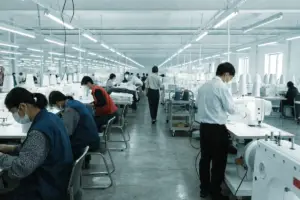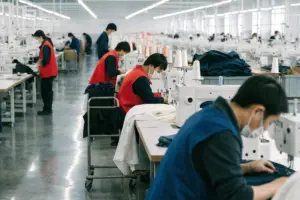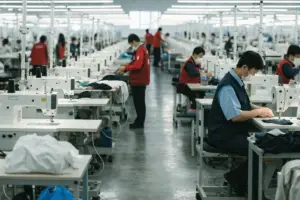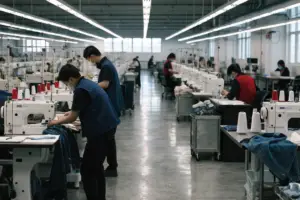
You have built a beautiful brand. The aesthetic is perfect. The marketing is on point. Sales are growing. Then you get an email from a journalist. Or a message on Instagram. It includes a photo of a factory in your supply chain. The conditions look bad. The workers look young. The fire exits are blocked. The post is going viral. Your brand name is tagged. You panic. You did not know. You never visited that subcontractor. You just trusted the main factory. It does not matter that you did not know. Your customer sees your logo on the garment and the photo of the factory. They connect the dots. Your reputation, built over years, is damaged in hours. This nightmare is preventable. Strict factory compliance audits are not just paperwork. They are a shield for your brand.
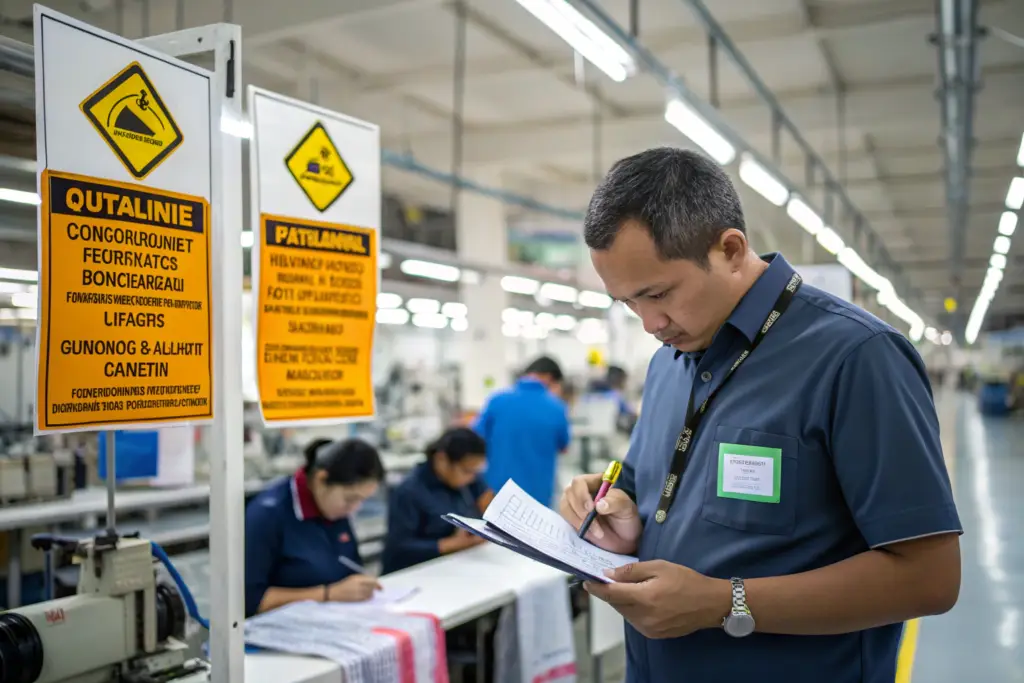
Strict factory compliance audits protect your clothing brand reputation by creating a verifiable, documented barrier against the “Guilt by Association” risk inherent in global supply chains. A compliance audit is an independent, on-site inspection that verifies adherence to social, safety, and environmental standards (e.g., BSCI, WRAP, SMETA, SA8000). The specific ways audits protect your brand are: (1) Subcontractor Visibility. Audits trace the flow of work to ensure the factory you approved is the factory doing the sewing, and that they are not sending pieces to an unregulated home workshop or a dormitory floor, (2) Mitigation of “Forced Labor” Risk. Audits review hiring practices, age verification documents, and freedom of movement to ensure compliance with UFLPA (Uyghur Forced Labor Prevention Act) and other regulations, which is critical for US importers, (3) Crisis Response Documentation. If an allegation surfaces, having a recent, clean audit report from an accredited body allows you to respond with facts rather than panic. You can say, “We take this seriously. Our supply chain partner was audited by [Body] on [Date] and found compliant in these areas.” Without this, you have no defense.
At Shanghai Fumao, we maintain active BSCI and WRAP certifications. We do this not because it is easy, but because we know our clients’ brands depend on it. Let me show you exactly why this is the most important thing you are not thinking about.
You visit the main factory. It is clean. The workers look happy. You place a large order. What you do not see is that at 5:00 PM, a van pulls up. Workers load cut fabric panels into the van. The van drives to a residential building. The panels are sewn in a small, unventilated apartment by workers paid below minimum wage. The garments are brought back in the morning. The main factory attaches the labels. This is called Unauthorized Subcontracting. It is rampant in the industry. It is how factories take on more orders than they have capacity for. It completely bypasses every safety and ethical standard. A strict audit specifically looks for this. Auditors count sewing machines. They compare machine count to claimed output. If the math does not add up, they dig deeper.
Unauthorized subcontracting represents the single greatest reputational risk to a clothing brand because it exposes the brand to unvetted labor practices and unsafe working conditions without the brand’s knowledge or consent. Strict compliance audits stop this practice through specific audit protocols. First, “Capacity Reconciliation.” The auditor reviews production records and compares the number of in-house machines and operators against the claimed output volume. A discrepancy indicates off-site sewing. Second, “Physical Walkthrough of Entire Premises.” Auditors check locked doors and adjacent buildings. They look for the flow of materials in and out. Third, “Worker Interviews.” Auditors interview workers off-site and ask specific questions like, “Have you ever taken work home?” or “Do you ever work in a different location?” Fourth, “Cutting Room Reconciliation.” The auditor compares the weight of fabric cut to the number of garments produced. Missing yardage is a red flag for off-site leakage. A factory that passes a strict audit has proven they have the internal capacity to handle the volume.
At Shanghai Fumao, we have zero tolerance for unauthorized subcontracting. We expanded our own floor space specifically to keep all production under our roof and under our control.
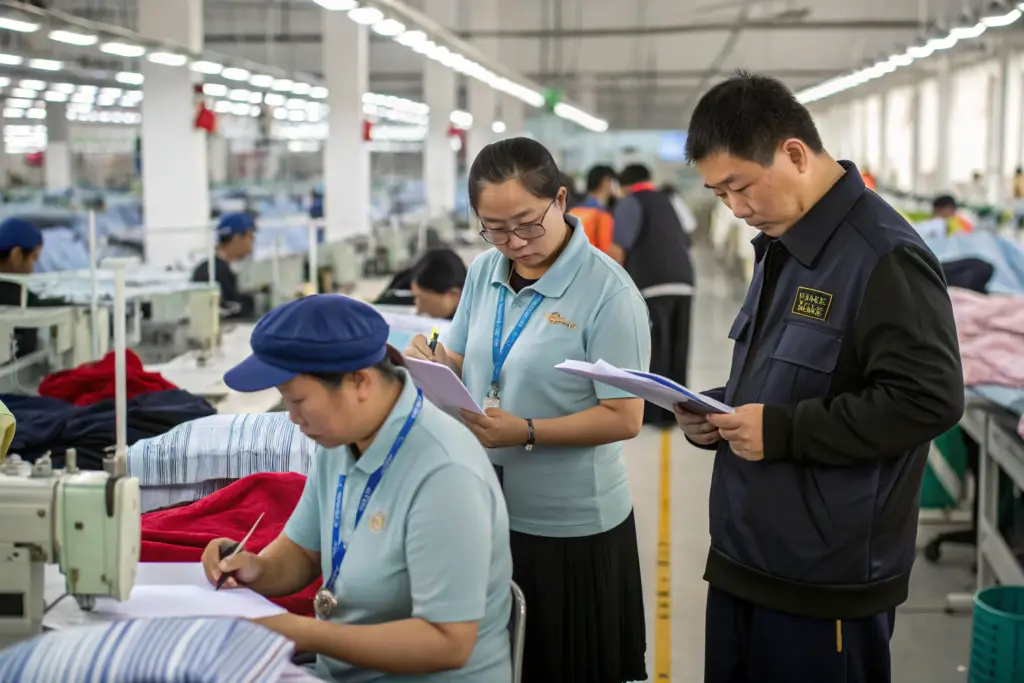
How Does an Auditor Actually Uncover a “Ghost Workshop”?
This is a cat-and-mouse game. Factory owners know auditors are looking for subcontracting. They hide it well.
A good auditor uses Electricity Usage Analysis. They request the factory’s electricity bills. A factory of a certain size with a certain number of machines should consume a predictable amount of power. If the power bill is low relative to claimed output, the sewing is happening somewhere else.
They also use Trash Inspection. They look in the dumpsters. The amount of fabric scraps and thread waste should correlate with production volume. An empty dumpster at a “busy” factory is a sign that the cutting and sewing waste is elsewhere.
I recall a situation where a brand we work with asked for a deep dive audit on a secondary supplier. The auditor noticed a locked door on the second floor. The factory manager said it was “storage.” The auditor insisted on seeing it. It was a dormitory room with sewing machines and a makeshift kitchen. The factory was housing workers and having them sew overnight. The brand terminated the relationship immediately. Without that audit, those garments would have ended up on their website, and a future exposé could have traced them back to that locked room. That audit saved the brand from a devastating scandal.
What Is the Connection Between Subcontracting and Forced Labor Risks?
Unauthorized subcontracting is the primary vector for forced labor entering the supply chain. The main factory might have clean books and proper age verification. The off-site workshop does not.
The UFLPA in the United States has shifted the burden of proof. It is no longer enough to say, “We didn’t know.” Brands must demonstrate “reasonable care” that their supply chain is free from forced labor. Audits that trace the full production flow are a key component of this reasonable care defense.
If a subcontractor uses forced labor, the goods are subject to seizure by US Customs. Your shipment is detained at the port. You miss your selling season. Your brand is flagged in the system. This is a business-ending event for a small brand.
I advise every client sourcing from China to ask for Supply Chain Traceability Documentation as part of the vendor onboarding. A strict factory will have this ready. A loose factory will hem and haw.
How Do Safety Audits (Fire, Electrical, Structural) Prevent a PR Crisis?
You are scrolling the news. You see a headline: “Garment Factory Fire Kills Dozens.” Your stomach turns. You think about the workers. You also think about the brands that were produced there. The news crews will be sifting through the rubble. They will find labels. They will find packing lists. They will publish the names of the brands that sourced from that factory. Even if your brand is not directly implicated in the cause, your name is now associated with a tragedy. Consumers do not make fine distinctions. They see “Brand X Made in Deadly Fire.” This is why safety audits are not a bureaucratic exercise. They verify that the factory has functioning fire alarms, clear exits, and proper electrical wiring.
Safety audits prevent PR crises by ensuring the factory meets the minimum standards for Life Safety and Structural Integrity. The specific areas verified by a strict audit (like WRAP or BSCI) include: (1) Fire Safety: Auditors check that extinguishers are charged and accessible, sprinkler systems are functional, exit routes are clearly marked and unlocked during working hours, and fire drills are conducted and documented. A blocked exit is an immediate audit failure. (2) Electrical Safety: Auditors inspect wiring for proper insulation and grounding. Exposed wires or overloaded circuits are major red flags and fire hazards. (3) Structural Safety: For multi-story buildings, auditors verify that the building has a valid occupancy permit and that heavy machinery or fabric storage is not overloading the floor capacity. (4) Chemical Safety: Auditors ensure that chemicals used in printing or washing are properly stored and that workers have Material Safety Data Sheets (MSDS) and protective equipment. A failure in any of these areas is a ticking time bomb for a catastrophic event.
At Shanghai Fumao, our fire drills are documented and our extinguishers are checked monthly. It is not exciting. It is essential.
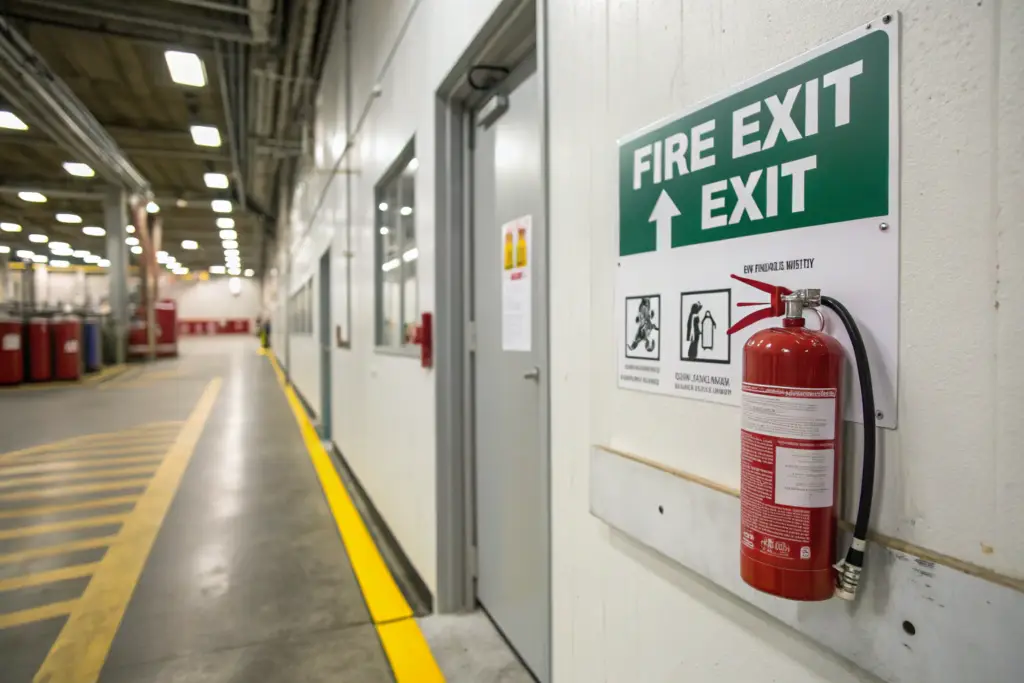
Why Is “Locked Exit Door” a Zero-Tolerance Audit Finding?
This is one of the most common and most lethal violations. Factory managers lock exit doors to prevent theft or to stop workers from taking unauthorized breaks. When a fire breaks out, workers are trapped.
An auditor will walk to the exit door. They will push the panic bar. If it does not open easily from the inside, the audit is over. It is a “Zero Tolerance” finding. The factory fails immediately.
This is not just about the audit score. It is about the potential headline: “Workers Trapped Behind Locked Doors in Factory Fire.” That headline destroys brands.
I make it a point during video tours to ask the guide: “Can you walk over to the nearest exit and push the door open?” A confident factory manager walks over and does it without hesitation. A nervous one makes an excuse. That tells me everything I need to know about their safety culture.
How Does Electrical Wiring Relate to Fabric Flammability?
Fabric is fuel. Cotton dust, lint, and synthetic fibers are highly combustible. A single spark from a frayed electrical wire can ignite a pile of fabric scraps.
Strict audits require Dust Management and Electrical Enclosure. Auditors look for lint buildup in motor housings. They check that electrical panels have covers and are not blocked by boxes of fabric.
I visited a factory once that had a beautiful sewing floor but a terrifying electrical room. Wires were hanging loose. The panel was propped open with a piece of wood. The manager said, “It’s fine, the electrician knows it.” It was a disaster waiting to happen. We did not place an order there. Six months later, a fire broke out in that factory’s storage area. No one was hurt, but the brands that produced there had their shipments destroyed and their names mentioned in local news. Avoiding that factory was a direct result of paying attention to the “boring” part of the tour.
How Do Labor Rights Audits Align with Gen Z Consumer Expectations?
Your customer in 2026 is a digital native. They have grown up with documentaries about fast fashion. They care about who made their clothes. They are willing to switch brands based on values. You cannot just put “Ethically Made” on your website. That is called “Greenwashing” or “Woke-Washing,” and Gen Z can spot it from a mile away. They want proof. A strict labor rights audit provides that proof. It verifies that workers are paid at least the legal minimum wage, that overtime is voluntary and compensated, and that there is no discrimination or harassment. This verification is the substance behind the sustainability and ethics claims on your marketing page.
Labor rights audits align with Gen Z consumer expectations by providing the “Substantiation” for ethical brand claims. A social compliance audit (like SMETA or SA8000) specifically verifies: (1) Wages and Benefits: Auditors review payroll records and interview workers to ensure compensation meets or exceeds the legal minimum wage and that overtime is paid at a premium rate. (2) Working Hours: Audits check that weekly hours do not exceed legal limits (typically 60 hours including overtime) and that workers have at least one day off per week. (3) Freedom of Association: Audits verify that workers have the right to form or join a union or worker committee without retaliation. (4) Non-Discrimination: Auditors review hiring and promotion records for gender, age, or ethnic bias. A clean audit report allows a brand to make specific, verifiable claims like “Produced in a WRAP-Certified Facility” rather than vague statements like “We care about our workers.” Gen Z consumers recognize and reward this specificity.
At Shanghai Fumao, we share our audit certificates with our clients. We encourage them to use the “WRAP Certified” badge on their product pages. It is a trust signal.
What Is the Difference Between a “Checklist Audit” and a “Worker Voice” Audit?
A cheap, basic audit involves an auditor walking through with a checklist. They check boxes: “Fire extinguisher? Yes.” “Time clock? Yes.” They leave. This is better than nothing, but it misses the reality of the worker experience.
A strict, high-quality audit includes Confidential Worker Interviews. The auditor meets with a random selection of workers outside the factory, away from management. They ask open-ended questions: “Tell me about your day.” “How do you get paid?” “What happens if you need to leave early?”
This is where the truth emerges. A worker might whisper, “We are told to hide the extra hours from the time clock.” Or, “We have to pay a fee to the supervisor to get hired.”
I recall a brand that was using a factory with a “clean” basic audit. They switched to a more rigorous standard that included off-site interviews. The auditor discovered that workers were being charged a “recruitment fee” by a labor broker. This fee indebted the workers and effectively trapped them in the job. This is a form of forced labor. The brand was shocked. They had no idea. The deeper audit revealed a hidden layer of exploitation. They worked with the factory to remediate the issue and repay the fees. This is the difference between managing appearances and managing reality.
How Do You Communicate Audit Compliance to Customers Without Overwhelming Them?
You do not need to post the 50-page audit report. You need to translate it into a trust signal.
Bad: A wall of text about “Our commitment to social responsibility.”
Good: A small badge in the footer: “Produced in a WRAP Gold Certified Facility.” With a link to a page that explains: “WRAP is an independent, internationally recognized certification ensuring safe, lawful, and ethical manufacturing. Click to learn more about the 12 Principles.”
This is effective because it is specific and verifiable. The customer can click and see the standards. They know it is not just a phrase you made up.
One of our clients added the “BSCI Audited” badge to their product pages. Their customer service team reported a noticeable decrease in emails asking “Where are your clothes made?” and “Are your factories ethical?” The badge answered the question preemptively.
| Audit Focus | What It Verifies | Reputational Risk Mitigated |
|---|---|---|
| Subcontracting | 100% In-House Production | Association with hidden sweatshops |
| Fire & Safety | Clear Exits, Working Alarms | Association with workplace tragedy |
| Wages & Hours | Legal Pay, Voluntary OT | Accusations of “Sweatshop Labor” |
| Environmental | Wastewater Treatment | Accusations of “Polluting Rivers” |
How Does Environmental Compliance (Wastewater, Chemical) Protect Against “Greenwashing” Claims?
Your brand uses natural fibers. You market it as “Sustainable.” An environmental activist group tests the water downstream from your factory. They find high levels of dyes and chemicals. They trace it back to the wet processing facility used by your supplier. They publish a report: “Eco-Friendly Brand X Linked to Toxic River Pollution.” Your marketing claims are now a liability. They are evidence of “Greenwashing.” This is why environmental compliance audits are critical. They verify that the factory treats its wastewater and manages its chemical storage. They ensure your “Sustainable” story is true all the way down the supply chain.
Environmental compliance audits protect against greenwashing claims by verifying the “Effluent Treatment” and “Chemical Management” practices of the factory. The specific areas audited include: (1) Wastewater Treatment Plant (ETP): Auditors verify that the factory has a functional ETP and that the treated water meets local discharge standards. They review lab test results of the water quality. (2) Sludge Disposal: Auditors check that the solid waste from the treatment plant (sludge) is disposed of by a licensed hazardous waste handler, not dumped illegally. (3) Chemical Storage: Auditors inspect the storage area for dyes and auxiliaries to ensure they are in secondary containment (to prevent spills from reaching the ground) and that workers have access to Safety Data Sheets. (4) Air Emissions: For factories with boilers, auditors check emission test reports. A clean environmental audit allows a brand to make specific claims like “Produced in a facility with closed-loop water recycling.” Vague claims invite scrutiny.
At Shanghai Fumao, we work with dye houses that have certified ETPs. We know where our fabric is processed.
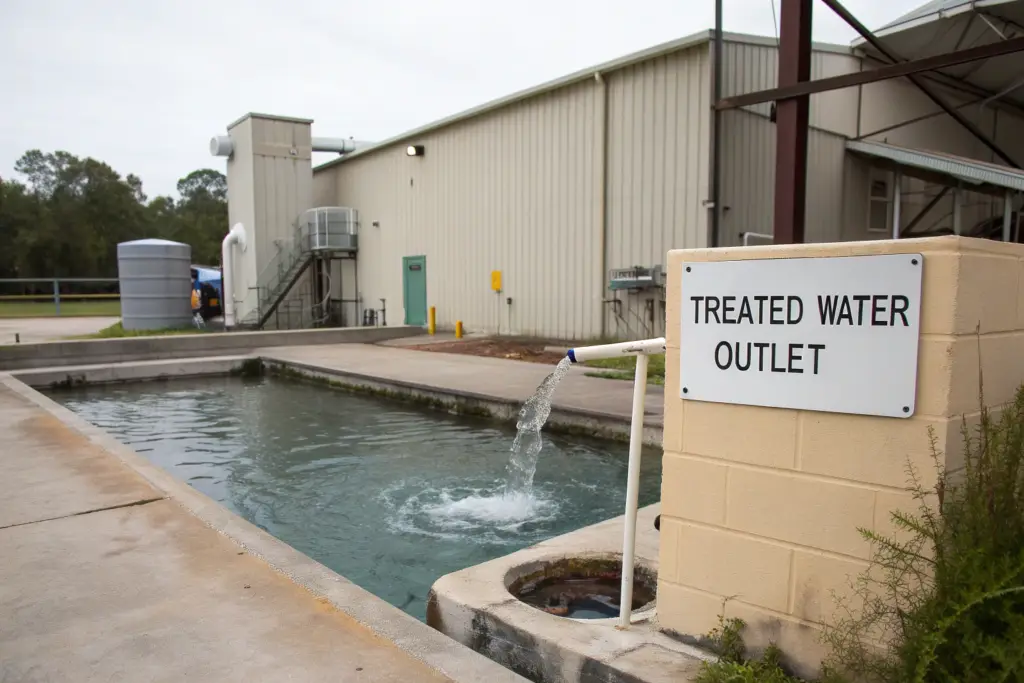
What Is the Risk of an “Undisclosed Wet Processing Unit”?
Your cut-and-sew factory looks clean. But where does the fabric come from? Who dyed it? Who washed the denim? If you do not know, you do not know your environmental footprint.
Wet processing (dyeing, washing, printing) is the dirtiest part of apparel manufacturing. It uses massive amounts of water and chemicals.
A strict audit traces the supply chain back to the wet processing unit. It audits that facility as well. If your cut-and-sew factory cannot or will not disclose their dye house, it is a red flag. The dye house is likely non-compliant and cheap for a reason.
I worked with a denim brand that was meticulous about their cut-and-sew audit. But they never asked about the laundry. A journalist traced their jeans back to a laundry that was discharging indigo-blue water directly into a rice paddy. The story went viral. The brand had to issue a public apology and completely overhaul their sourcing. They were not intentionally greenwashing. They just did not audit far enough up the chain. Now they require full traceability to the mill and laundry.
How Do You Use Environmental Audit Data in Your Marketing?
Just like with labor audits, specificity is key.
Bad: “Eco-friendly dyes.”
Good: “Our denim is washed in a facility that recycles 80% of its water. Certified by [Standard].”
Use the audit data to tell a specific story. “Our factory partner reduced chemical oxygen demand (COD) in wastewater by 40% last year through new treatment technology.” This is credible. It is verifiable. It is not greenwashing.
One of our clients uses the OEKO-TEX Standard 100 certification for their fabric. They market it as: “Certified free from harmful chemicals by OEKO-TEX.” This is a specific, third-party verified claim. It stands up to scrutiny.
Conclusion
Strict factory compliance audits are the invisible foundation of a resilient clothing brand. They are not a marketing expense. They are a risk management asset. In a world where a single viral post can destroy years of brand equity, having a clean, recent audit report is your insurance policy. We have seen how audits uncover the hidden danger of unauthorized subcontracting, protecting you from being blindsided by labor practices you never approved. We have explored how safety audits prevent the unthinkable—your brand name appearing in the news next to a tragedy. We have connected labor rights audits to the expectations of the Gen Z consumer, who demands proof, not platitudes. And we have examined how environmental audits protect your sustainability claims from accusations of greenwashing.
At Shanghai Fumao, we do not view audits as a burden imposed by clients. We view them as an investment in our own long-term viability and our clients’ peace of mind. Our BSCI and WRAP certifications are up to date. Our fire exits are clear. Our workers are paid fairly and on time. This is the Shanghai Fumao standard.
If you are building a brand that depends on trust and transparency, your choice of manufacturing partner is the most critical decision you will make. We invite you to partner with a factory that can stand up to the strictest scrutiny.
To request our current audit certificates or to discuss our compliance and traceability protocols, please contact our Business Director, Elaine. She can provide you with the documentation you need to protect your brand reputation.
Email: elaine@fumaoclothing.com