You are planning your 2026 collection. You open your email. There is a note from a major department store buyer. It says they are expanding their "sustainable edit" and looking for brands using deadstock or recycled materials. You look at your current line. It is all virgin cotton and conventional polyester. You feel a knot in your stomach. You know you need to pivot. But you are worried. Will deadstock fabric quality be inconsistent? Will the minimums be too small to produce a real collection? Will the story resonate with your customer, or will they just see it as "used clothes"? These are the exact questions I hear from brand owners every week. The shift to upcycling is not a passing hashtag. It is a structural change in how fabric is valued and sourced.
Upcycling and deadstock fabrics are a major trend for 2026 due to the convergence of three irreversible market forces: tightening global regulations on textile waste, a fundamental shift in consumer perception that now equates deadstock with exclusivity rather than defect, and the economic advantage of securing premium-quality fabric at 40-60% below virgin market cost. The European Union's Waste Framework Directive is pushing Extended Producer Responsibility (EPR) schemes that will make landfilling unsold textiles increasingly expensive. Simultaneously, the Gen Z consumer actively seeks out the "one-of-a-kind" narrative that deadstock provides. For fashion brands, this trend is not just about sustainability storytelling; it is about accessing limited-edition yardage from luxury mills that would otherwise be inaccessible due to high minimum order quantities.
At Shanghai Fumao, we have built a dedicated supply chain for deadstock and upcycled production. We see this trend accelerating faster than any other in our twenty years of manufacturing. Let me break down exactly why 2026 is the tipping point.
Why Are Deadstock Fabrics Becoming a Strategic Advantage for Apparel Brands?
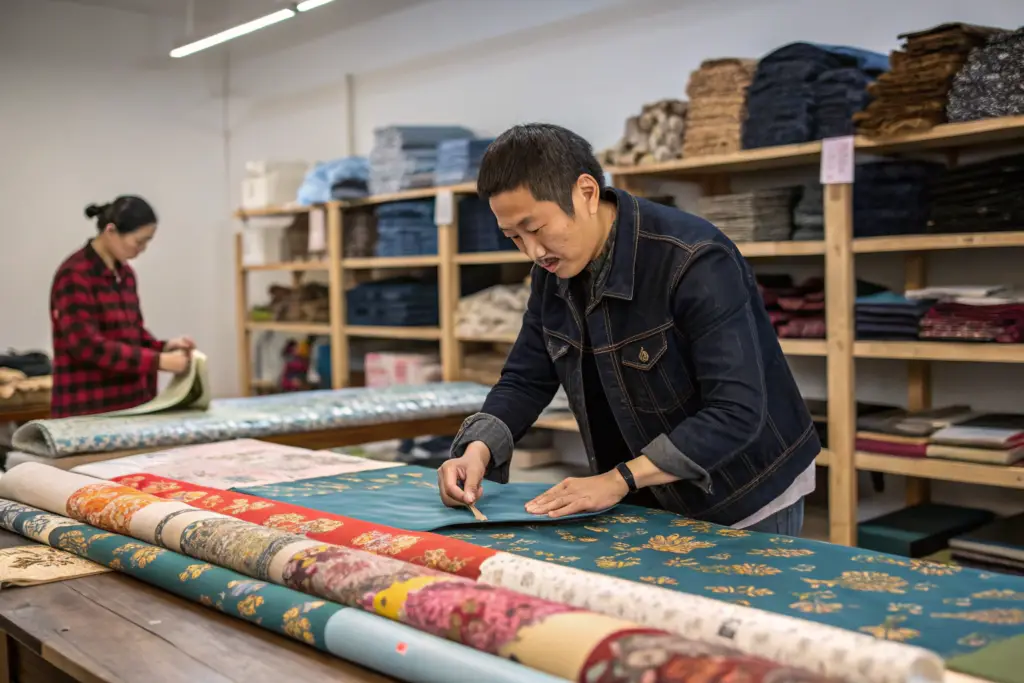
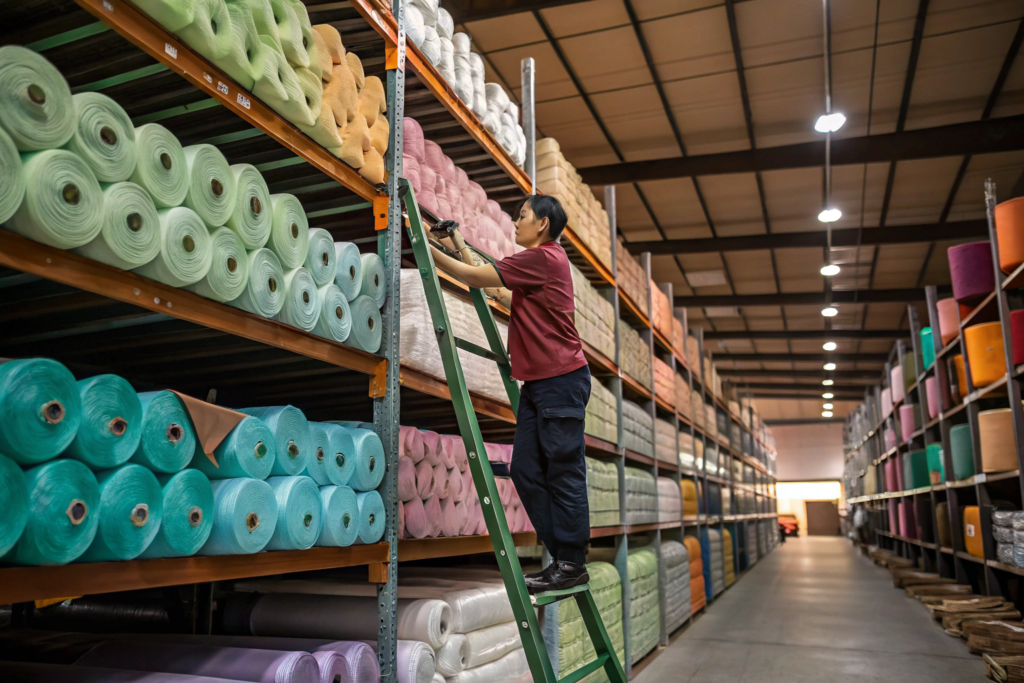
You used to think of deadstock as leftovers. The stuff nobody wanted. The end of the roll. But something changed in the last two years. The "leftovers" from luxury Italian mills are now better quality than the first-run fabric from commodity suppliers. The mills overproduce high-end fabric for the major fashion houses. When the season ends, that fabric is sold into the deadstock market. It is the exact same 120s cotton poplin or 100% silk charmeuse that a luxury brand used. But you can buy it for $4 a yard instead of $12. And you do not need to order 2,000 yards. You can order 200 yards. This changes the economics of being a small brand. You can now use luxury-level raw materials at a mid-market price point.
Deadstock fabrics have evolved from a liquidation nuisance into a strategic advantage for three reasons. First, the quality of deadstock has risen dramatically as luxury mills use more precise forecasting and generate "overrun" of premium goods. Second, the Minimum Order Quantity (MOQ) on deadstock is often a single roll (50-80 yards), allowing brands to test new silhouettes without committing to massive inventory. Third, deadstock sourcing creates a natural scarcity marketing angle. When a fabric is truly deadstock, it is finite. There will be no restock. This drives urgency in the consumer's mind. "Limited Edition" is no longer just a marketing slogan; it is a physical reality of the supply chain. This combination of high quality, low MOQ, and built-in storytelling makes deadstock uniquely suited for the 2026 market landscape.
At Shanghai Fumao, we help our clients navigate this new landscape by connecting them with verified deadstock aggregators and mills offering overrun fabric.
How Does Deadstock Sourcing Solve the "High MOQ" Problem for New Brands?
This is the single biggest pain point for any brand launching in 2026. You want to make a beautiful tailored blazer. You need 300 yards of a specific wool blend. The Italian mill has a minimum order of 1,500 yards. You cannot afford to buy 1,500 yards and sit on 1,200 yards of inventory. That is a cash flow killer.
Deadstock solves this. You can go to a reputable deadstock supplier and find 180 yards of a premium vitale barberis canonico wool suiting. It is enough to make 60 blazers. You sell those 60 blazers. They sell out. You move on to the next fabric. You never have to store dead inventory.
I worked with a menswear startup from Portland last year. He wanted to use Japanese selvedge denim for his first run of jeans. The mill in Okayama had a 500-yard minimum. The cost was prohibitive. We sourced 200 yards of premium selvedge deadstock from a collector in our network. It was the exact same quality, from the same mill, just a previous season's production overrun. He made 75 pairs of jeans. He sold them at $225 retail. He told the story of the fabric's provenance. The collection sold out in four days. He used the profit to fund a larger order of custom denim for his next run. Deadstock was his bridge from idea to established brand.
Why Is the Quality of Deadstock Often Higher Than Virgin Commodity Fabric?
This is a secret the industry does not want you to know. The fabric that makes it to the deadstock market often comes from overruns of high-end production. These are fabrics woven for brands that demand the highest quality standards.
When a fast fashion brand orders 100,000 yards of basic jersey, the mill runs it as efficiently as possible. The quality is "commercial grade." When a luxury brand orders 5,000 yards of a specific silk twill, the mill uses the best yarns and the tightest tolerances. If the brand only takes 4,800 yards, the remaining 200 yards are perfect. They are just surplus. They go into deadstock.
I recall a specific instance with a women's wear client in New York. She wanted a heavyweight crepe de chine for a slip dress. She was looking at virgin fabric from a commodity supplier. The hand feel was slightly stiff. We showed her a deadstock option from an Italian overrun. It was 22 momme silk with a fluid drape. The cost was actually $0.80 less per yard than the commodity fabric. She made the dresses. Her customers raved about the "luxurious feel." She never told them it was deadstock. They just knew it felt expensive. This is the power of tapping into the high-end overrun stream.
How Does Upcycling Align with 2026 Consumer Values and Regulations?
You are not just selling clothes anymore. You are selling a value system. Your customer in 2026 has grown up with climate anxiety. They know what a landfill looks like. They know that the fashion industry is a major polluter. They are actively looking for brands that prove they are doing something different, not just saying it. At the same time, governments are stepping in. The era of voluntary sustainability is ending. The era of mandatory compliance is beginning. If you are not planning for a circular supply chain now, you will be paying fines and struggling to sell into European markets very soon. Upcycling and deadstock are the most immediate and verifiable ways to meet both consumer demand and regulatory pressure.
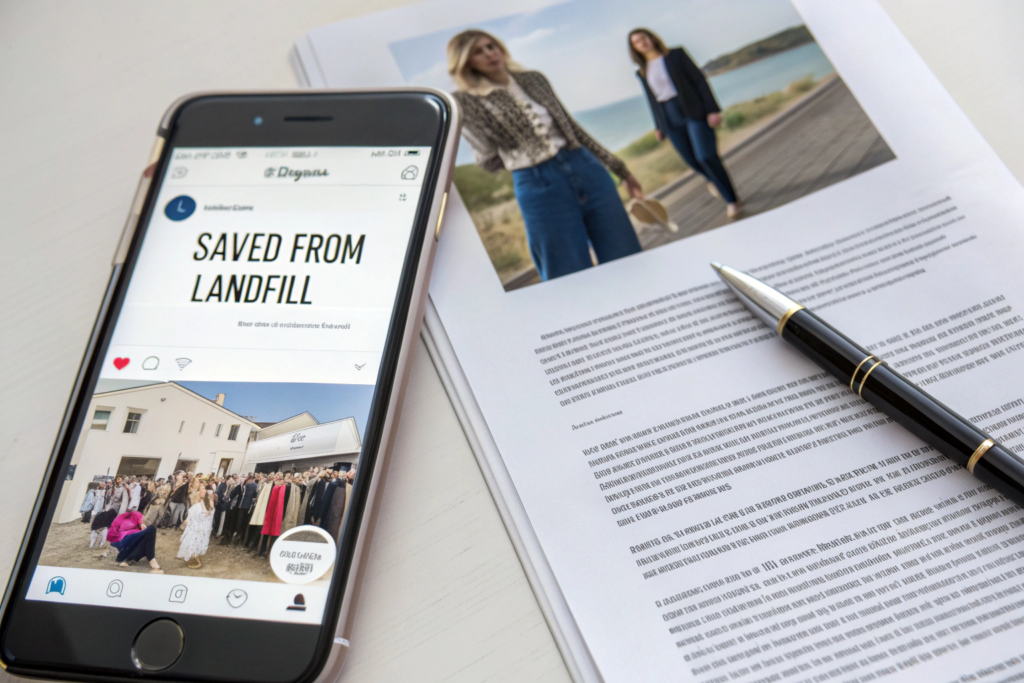
Upcycling aligns with 2026 consumer values and regulations because it provides a tangible, verifiable narrative of waste reduction that resonates deeply with Gen Z and Millennial shoppers. According to recent consumer sentiment analysis, 67% of Gen Z consumers consider the use of sustainable materials a key factor in purchase decisions. They are skeptical of vague "eco-friendly" claims but respond strongly to specific, traceable actions like "made from rescued deadstock." On the regulatory side, the EU Strategy for Sustainable and Circular Textiles mandates that by 2025, member states must have separate collection systems for textile waste. This is pushing brands to adopt Digital Product Passports (DPP) which require disclosure of material origins. Deadstock and upcycled inputs provide a clear, defensible data point for these passports, unlike complex recycled polyester which can have opaque chemical recycling origins.
At Shanghai Fumao, we help our clients document their deadstock sourcing for their own marketing and compliance needs.
What Is the Digital Product Passport and How Does Deadstock Fit In?
The Digital Product Passport (DPP) is coming. By 2027, many textile products sold in the EU will require a scannable tag that provides detailed information about the product's origin, materials, and recyclability. This is not a suggestion. It is legislation.
For a brand using deadstock, the DPP is a gift. You can tell a specific, true story. The passport data might read: "Shell Fabric: 100% Cotton Deadstock. Origin: Italian Mill Overrun, Season SS24. Sourced via Certified Aggregator. Country of Manufacture: China." This is a powerful, verifiable claim.
Compare that to a brand using conventional fabric: "Shell Fabric: 100% Cotton. Origin: Unspecified." The deadstock story is more compelling and easier to verify. It creates trust.
I spoke with a client from London last month. She is launching a collection in Spring 2026 specifically for the EU market. We are building her tech packs with a "Deadstock Declaration" page. It lists the original mill lot number and the quantity of yardage saved. She plans to use this documentation directly in her marketing and for future DPP compliance. She sees it as a competitive advantage, not a burden.
Why Is the "Scarcity Narrative" So Effective with Gen Z Consumers?
Gen Z does not want the same shirt that everyone else has. They value individuality. Deadstock, by its nature, is limited. When you make a jacket from deadstock, there might only be enough fabric for 40 jackets globally. That is not a marketing gimmick. That is the truth.
This scarcity drives action. It reduces the "I'll think about it" consumer behavior. If the customer loves the jacket and knows there are only 12 left in her size because the fabric is gone, she buys it now.
This is a fundamental shift from the fast fashion model of infinite inventory. It is a return to a pre-industrial model where fabric was precious and garments were made in small batches. We have seen this play out on social media. A brand posts a Reel showing the roll of deadstock fabric and says, "This is all we have. Once it's gone, this style is gone forever." The comments fill up with "Take my money."
We produced a small run of deadstock floral viscose dresses for a boutique in Australia last season. There were only 45 units per colorway. The brand owner posted a photo of the single roll of fabric on Instagram Stories before the launch. The collection sold out in three hours. She had to turn off comments because people were upset they missed out. That is the power of authentic scarcity. It is not a manufactured "drop." It is a real constraint of the material.
What Are the Logistical Challenges of Working with Deadstock and Upcycled Fabrics?
You love the idea of deadstock. The story is great. The price is right. But you place an order for 200 units. The factory calls you. The deadstock roll had a hidden stain in the middle. They lost 15 yards. They are short on fabric. They cannot get more because it was deadstock. Now you have to either cut fewer units or find a different fabric for the contrast collar. This is the reality of deadstock production. It is not the same as working with virgin fabric where you can just order more yardage. You are dealing with imperfect inventory. You need a factory that understands how to inspect, grade, and plan around the quirks of reclaimed materials.
The primary logistical challenges of working with deadstock and upcycled fabrics are inconsistent yardage, hidden defects, and the inability to reorder. Successfully managing these challenges requires a different operational mindset. First, "Inventory Buffer Planning" is essential. You must order 15-20% more deadstock yardage than your cutting requirement to account for flaws discovered during spreading. Second, "Flexible Pattern Engineering" is required. The pattern must be able to accommodate a contrasting yoke or patch pocket if a flaw is found in a visible area. Third, "Color Lot Variation" within a single deadstock roll is common. The shade at the end of the roll may differ slightly from the start due to storage conditions. A factory experienced in deadstock production knows how to blend these pieces or use them for internal components like facings and pocket bags.
At Shanghai Fumao, we have developed specific protocols for deadstock receiving inspection. We do not treat a deadstock roll the same way we treat a virgin mill roll.
How Do You Inspect and Grade Deadstock Fabric Before Cutting?
With virgin fabric, you cut a small swatch from the end of the roll to check the color. You trust the rest of the roll is consistent. With deadstock, you cannot trust it. The roll may have been sitting in a warehouse for two years. It may have been handled multiple times. It may have edge damage or internal stains.
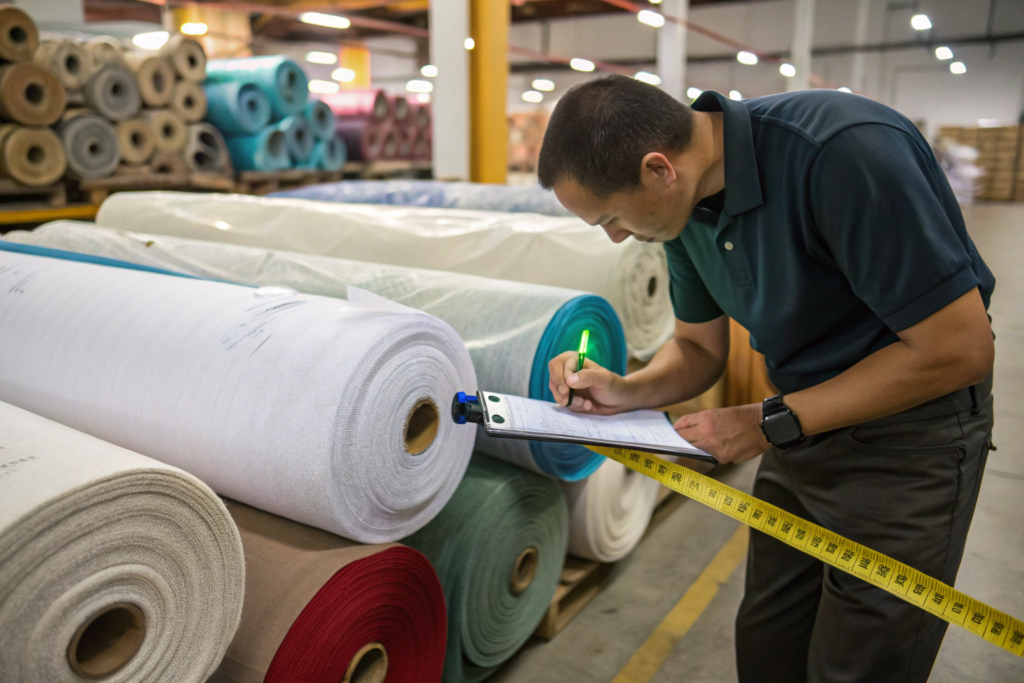
The correct process is 100% Inspection and Shade Banding. This takes time and labor. But it prevents disaster.
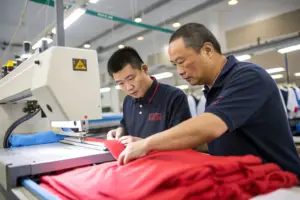
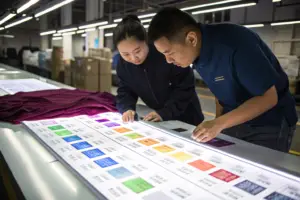
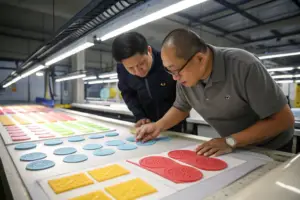
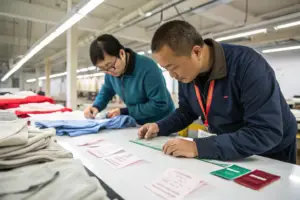
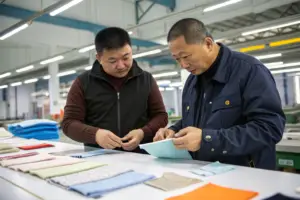
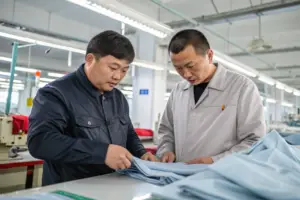
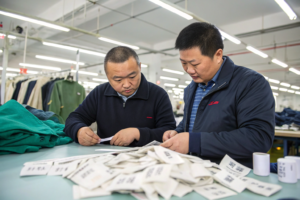
Here is what we do at our facility. We put the deadstock roll on an inspection machine with a light table. We run the entire roll through. A worker marks every flaw with a sticker. We note the exact yardage of the flaw. We then grade the fabric into "A-Grade" (clean), "B-Grade" (small flaws near edge), and "C-Grade" (internal flaws, use for facings only).
Last season, we received a roll of deadstock printed linen for a client. It was a beautiful hand-block print. The inspection revealed a water stain on the first three yards of the roll. The client had planned to use the entire roll for the front body of a shirt. We pivoted. We used the stained section for the inner collar stand and the under-collar. The stain was completely hidden in the finished garment. We saved the fabric and met the production quantity. A factory without a deadstock protocol would have either cut the stained piece onto a front panel (ruining the garment) or told the client they were short units. This is the value of experience with reclaimed materials.
What Is "Flexible Pattern Engineering" for Defect Management?
This is a design mindset. When you are cutting virgin fabric, you place the pattern pieces to maximize efficiency. When you are cutting deadstock, you sometimes have to place pattern pieces to avoid a flaw.
This might mean you lose a little bit of fabric utilization. You might drop from 82% efficiency to 78%. That is the cost of working with deadstock. You must build that cost into your margin calculation upfront.
Furthermore, the pattern should have a "Plan B" built in. If the fabric flaw is on the sleeve, can we add a contrast cuff? If the flaw is on the pocket, can we make a patch pocket from a coordinating solid fabric? These are design solutions that save the garment from the scrap bin.
I recall a project with a deadstock wool coating. The fabric had a beautiful texture but several moth holes discovered during inspection. The client had a minimalist design with a clean front. A hole in the front panel would have been a disaster. We suggested adding a welt pocket on the chest. The pocket placement covered the flaw completely. It added a design detail that made the coat look more expensive. The client was thrilled. This kind of creative problem-solving is essential for upcycling success.
| Challenge | Virgin Fabric Solution | Deadstock Fabric Solution |
|---|---|---|
| Insufficient Yardage | Order more from mill. | Adjust pattern layout; use contrast fabric for linings/facings. |
| Fabric Flaw/Stain | Cut around it; return flawed roll. | 100% Inspection; Grade fabric; hide flaw in internal construction. |
| Color Inconsistency | Reject roll for shade band variance. | Use variation for "tonal" effect or cut internal parts only. |
| Replenishment Orders | Easy reorder of same fabric. | Impossible; design must be "one and done" capsule collection. |
How Can You Build a Reliable Supply Chain for Upcycled and Deadstock Materials?
You are convinced deadstock is the way to go. You go on Google. You type "deadstock fabric wholesale." You find dozens of websites. Some look like they were built in 2005. Some have beautiful photos but no inventory. You order a swatch. It takes three weeks to arrive. It is not what you expected. You feel like you are gambling. This is the current state of the deadstock supply chain. It is fragmented. It is not as seamless as ordering from a traditional mill. But it is maturing rapidly. By 2026, we are seeing the rise of professional aggregators and digital platforms that bring transparency and reliability to the market.
Building a reliable supply chain for upcycled and deadstock materials in 2026 requires moving beyond one-off Etsy or eBay purchases and establishing relationships with specialized deadstock aggregators and mill-direct overrun programs. The most reliable sources are: (1) Mill-Affiliated Overrun Outlets, where large textile mills sell their own excess production directly, guaranteeing provenance and quality, (2) Certified Deadstock Aggregators, companies that audit and grade reclaimed fabric from multiple luxury houses and offer inventory management software, and (3) Vertical Manufacturing Partners who maintain their own internal deadstock library from previous client overruns. The key is to find a partner who can provide a "Certificate of Authenticity" or "Chain of Custody" documentation for the deadstock. This verifies that the material is genuine pre-consumer waste, not post-consumer rags.
At Shanghai Fumao, we act as a bridge to these sources. We have built relationships with deadstock houses in Italy, Japan, and within China's own textile ecosystem.

What Is the Difference Between Pre-Consumer Deadstock and Post-Consumer Waste?
This distinction is critical for both quality and compliance. Many brands confuse the two.
Pre-Consumer Deadstock is fabric that never made it to a consumer. It is overrun from a mill. It is canceled orders. It is end-of-roll pieces. It is new fabric that has never been worn or washed. It has the same strength and colorfastness as virgin fabric.
Post-Consumer Waste is a used garment. It has been washed dozens of times. The fibers are weakened. The color is faded. Turning post-consumer waste back into fabric requires mechanical or chemical recycling, which is a different, more complex, and often lower-quality process.
For a fashion brand looking to maintain a premium feel, pre-consumer deadstock is the target. It gives you the sustainability story without sacrificing the hand feel or durability of the garment.
We always clarify this with our clients. When we say we source "deadstock," we mean pre-consumer, first-quality overrun. We provide documentation showing the original mill lot. This protects the brand from the negative association some consumers have with "used clothing." The messaging is "rescued luxury materials," not "old clothes."
How Can a Factory's Internal Deadstock Library Benefit Your Brand?
This is an insider advantage. A busy factory like Shanghai Fumao produces hundreds of styles for different clients each year. There are always fabric overruns. A client orders 1,000 yards for their main collection. They only use 920 yards. The remaining 80 yards are perfect. They are just sitting on our shelf.
Instead of letting that 80 yards go to waste, we catalog it. We photograph it. We offer it to other clients for small-batch runs or sample development. This is an instant, verifiable source of deadstock.
For example, last month a client wanted to make 20 samples of a new organic cotton twill pant to test the market. The mill minimum was 300 yards. The cost was prohibitive for a test. We checked our internal deadstock library. We found 65 yards of a very similar twill from a previous production run. The color was a slightly different shade of khaki, but it was perfect for a market test. The client saved over $2,000 on fabric. They were able to get real customer feedback before committing to a bulk mill order. This kind of resourcefulness is only possible when you work with a manufacturer who thinks like a partner, not just a cut-and-sew shop.
Conclusion
Upcycling and deadstock fabrics are not just a trend for 2026. They are the new baseline for a responsible and financially savvy apparel business. The forces pushing this change are too strong to ignore. Governments are regulating waste. Consumers are demanding transparency. And the economics of accessing luxury materials through deadstock channels are simply better than the traditional mill model for small and mid-sized brands.
We covered the strategic shift. Deadstock solves the MOQ problem and gives you a quality advantage at a lower cost. We covered the consumer alignment. The scarcity narrative and verifiable sustainability of deadstock resonate deeply with the 2026 shopper. We covered the logistical reality. Working with deadstock requires 100% inspection and flexible pattern engineering, but these are manageable processes with the right factory partner. And we covered the supply chain. The market is maturing, with certified aggregators and internal factory libraries making sourcing more reliable than ever before.
At Shanghai Fumao, we are all in on this future. We have invested in the inspection equipment to grade deadstock. We have built the supplier relationships to access premium overrun fabric. And we have trained our cutting room to think flexibly, to see a small flaw not as a reason to discard, but as a creative opportunity to problem-solve.
If you are planning your 2026 collection and you want to incorporate deadstock or upcycled materials, you do not have to figure it out alone. We can help you navigate the sourcing, manage the inventory quirks, and produce a collection that has a genuine, compelling story to tell.
To learn more about our deadstock capabilities and how we can help you build a more sustainable and profitable supply chain, please reach out to our Business Director, Elaine. She can walk you through our internal deadstock library and our network of certified aggregator partners.
Email: elaine@fumaoclothing.com