I have spent over twenty years making clothes for American brands. I have watched my clients succeed. I have also watched some struggle. The ones who succeed do one thing very well. They market their custom imported clothing effectively. They know that a beautiful garment is not enough. You can have the best fabric, the best fit, the best quality. But if no one knows about it, you will not sell. I have seen brands with mediocre products succeed because they marketed well. I have seen brands with amazing products fail because they did not. The difference is not luck. It is strategy.
The most effective ways to market your custom imported clothing combine storytelling about your product’s origin, visual content that showcases quality, strategic use of social media platforms, partnerships with influencers who reach your target audience, and a direct-to-consumer e-commerce strategy that builds customer loyalty. Your imported clothing has a story. The factory, the materials, the craftsmanship. That story is your marketing advantage. When you tell it well, customers see value in your product and become loyal buyers.
This is what I want to share with you today. I am a factory owner who has worked with hundreds of American brands. I have seen which marketing strategies work and which do not. I will walk you through the most effective approaches. I will use real examples from my own clients. By the end, you will have a clear framework for marketing your custom imported clothing.
How do you tell the story of your imported clothing?
Your imported clothing has a story that domestic clothing does not have. The journey from my factory to your customer is interesting. When you tell that story, your product becomes more than a piece of clothing. It becomes something with history and care.
What aspects of your supply chain should you highlight?
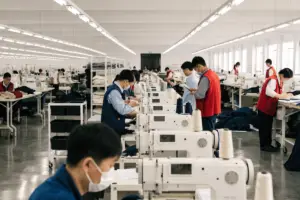
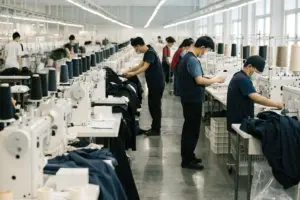
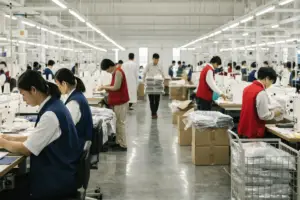
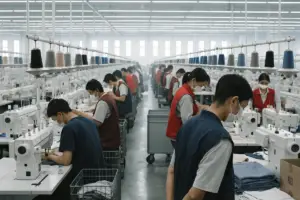
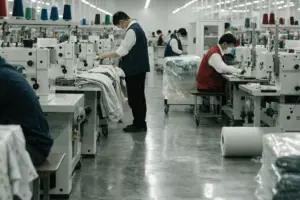
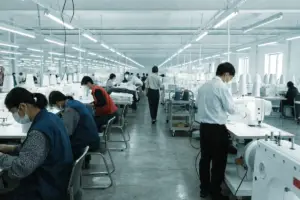
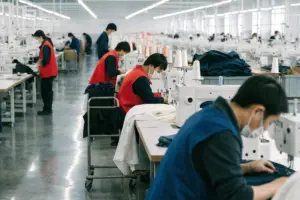
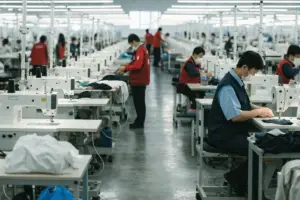
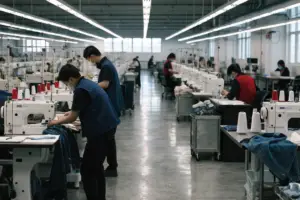
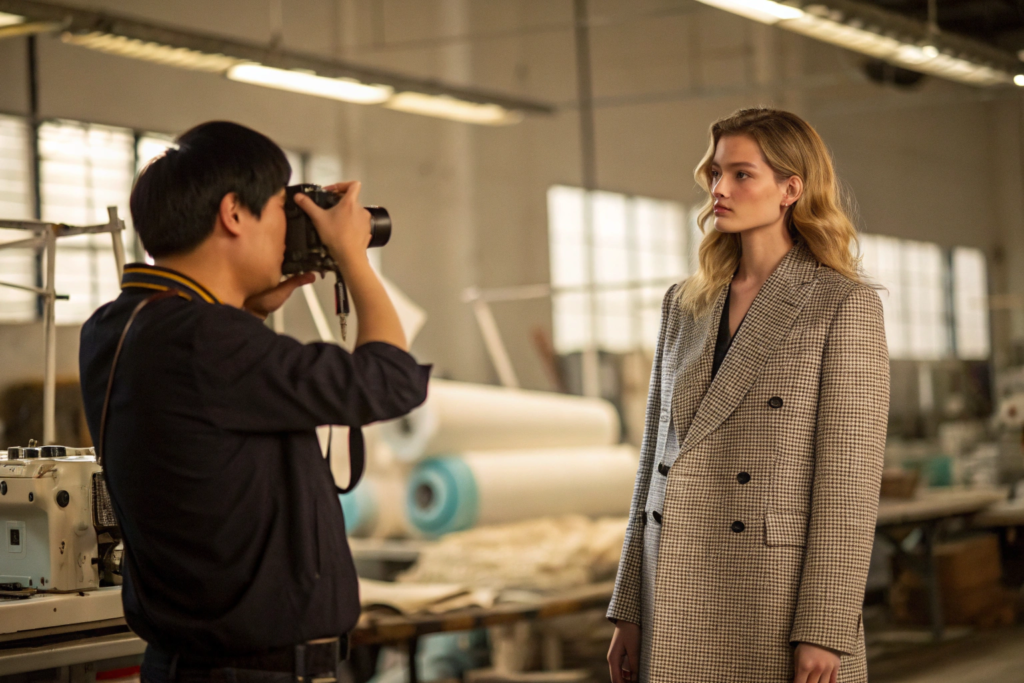
I learned this from a client in Portland. They sold high-end denim made in our factory. Their marketing was simple. They showed photos of our factory. They showed our workers cutting fabric. They showed our sewing operators at their machines. They showed the fabric rolls stacked in our warehouse. Their customers loved it. They wrote comments like, “I know where my jeans came from” and “I appreciate seeing the people who made this.”
That client told me that their customers were willing to pay $40 more for their jeans than for similar jeans from a brand that did not tell the story. The story added value. Here are the supply chain elements you can highlight:
-
The factory: Show where your clothes are made. Show the clean, organized environment. Show the workers who make your products.
-
The materials: Show the fabric arriving. Show the raw materials. Explain why you chose specific fabrics.
-
The craftsmanship: Show the sewing process. Show the quality checks. Show the finishing details.
-
The people: Introduce the workers who make your clothes. Share their names. Share their skills.
At Shanghai Fumao, we encourage our clients to visit. We welcome them to take photos and videos. We want them to see the quality. We want them to share that story with their customers.
How do you communicate quality through your marketing?
Quality is hard to show online. Customers cannot touch your fabric. They cannot feel the stitching. Your marketing must bridge that gap.
A client in Chicago taught me a great technique. They used close-up photography. Every product page had photos showing:
- The fabric texture close up
- The stitching details on seams
- The inside of the garment showing finishing
- The garment being held up to light to show quality
- A video of the fabric being folded to show its weight and feel
They also used what they called “quality proof” content. They showed their quality control process. They showed a video of our inspectors checking each garment. They showed the garment being measured to ensure correct sizing. Their customers trusted the quality before they even received the product.
Here is a checklist of quality-focused content to create:
| Content Type | What to Show | Why It Works |
|---|---|---|
| Macro photography | Fabric texture, stitching, buttons | Shows attention to detail |
| Video | Fabric movement, folding, draping | Shows how fabric feels |
| Process content | Quality checks, measurements | Builds trust in quality |
| Comparison content | Your garment vs. lower quality | Highlights your advantages |
At Shanghai Fumao, we help clients create this content. We set up photography stations. We provide high-resolution images of production. We want our clients to have the visual assets they need to market effectively.
Different platforms work for different brands. I have seen clients succeed on Instagram. I have seen others succeed on TikTok. I have seen some build their business on Facebook. The key is choosing the platform where your customers are.
How do you use Instagram for apparel marketing?
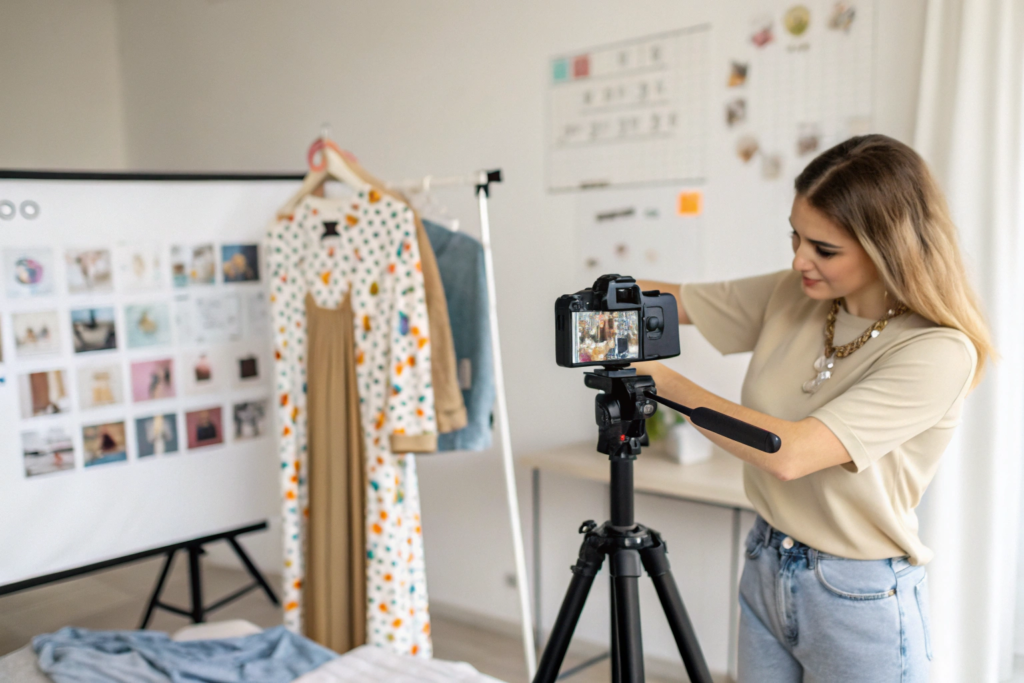
Instagram is visual. Apparel is visual. This is a natural fit. My most successful clients on Instagram follow a simple formula.
A client in Austin used Instagram to build a brand from zero to $2 million in three years. They posted three times a day. Their content mix was:
- Product photos: High-quality images of their clothing
- Lifestyle photos: People wearing their clothes in real situations
- Behind the scenes: Factory visits, design process, packaging
- User-generated content: Reposts of customers wearing their clothes
- Stories: Daily updates, quick videos, polls, questions
They also used Instagram Shopping. Customers could buy directly from posts. They did not have to leave the app. That reduced friction. Sales increased.
Here is a simple Instagram content framework:
| Content Type | Frequency | Goal |
|---|---|---|
| Product photos | 3-4 per week | Show new arrivals, best-sellers |
| Lifestyle photos | 3-4 per week | Show clothing in use |
| Behind the scenes | 2-3 per week | Build connection, show authenticity |
| User-generated content | 2-3 per week | Social proof, community building |
| Stories | Daily | Engagement, quick updates |
How do you leverage TikTok for apparel marketing?
TikTok is different. It is about short video content. It is about trends. It is about authenticity, not perfection.
A client in Los Angeles built their brand on TikTok. They did not have a big budget. They used their phone. They made videos showing:
- The design process (sketching, selecting fabrics)
- The factory production (cutting, sewing, quality checks)
- The unpacking experience (what customers receive)
- Styling videos (how to wear their pieces)
- Customer reviews (real people talking about the clothing)
One video went viral. It showed the journey of a jacket from sketch to finished product. That video got 2 million views. It drove 800 orders in one week. The client spent nothing on advertising. The content did the work.
Here is a TikTok content framework for apparel:
| Video Type | Length | Example |
|---|---|---|
| Process videos | 15-30 seconds | “From sketch to finished product” |
| Styling videos | 15-30 seconds | “3 ways to style our new jacket” |
| Behind the scenes | 15-30 seconds | “Inside the factory where your clothes are made” |
| Reviews | 30-60 seconds | “Real customer review of our best-seller” |
| Trend participation | 15-30 seconds | Using trending audio to show your product |
At Shanghai Fumao, we encourage clients to create content in our factory. We have had clients film TikTok videos on our production floor. We have had clients interview our workers. The authenticity of the factory setting resonates with viewers.
How do you use influencer marketing for imported clothing?
Influencers can accelerate your growth. They bring trust and reach. But you need to choose the right influencers and work with them effectively.
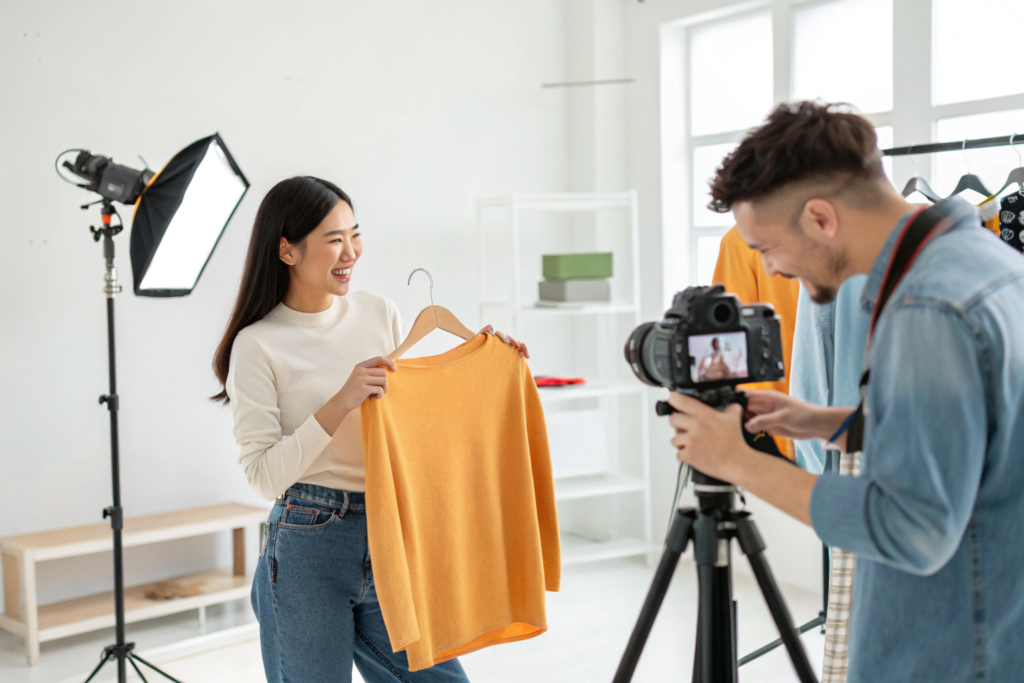
How do you find the right influencers for your brand?
The right influencer is not always the one with the most followers. Micro-influencers with 10,000 to 50,000 followers often have higher engagement. Their audiences trust them more.
A client in Denver taught me this. They spent $10,000 on a celebrity influencer with 500,000 followers. The post got likes but few sales. Then they tried micro-influencers. They found 20 influencers with 20,000 followers each. They sent each one free product. They paid a small fee. The total cost was $5,000. Those 20 posts drove more sales than the one celebrity post.
Here is how to evaluate influencers:
| Factor | What to Look For | Red Flags |
|---|---|---|
| Engagement rate | 3-5% or higher | Low engagement, many bots |
| Audience alignment | Matches your target customer | Different demographic |
| Content quality | Professional, authentic | Poor quality, too many ads |
| Past brand work | Relevant apparel experience | Promotes competitors |
| Response time | Quick, professional | Slow, unresponsive |
How do you structure influencer partnerships?
There are different ways to work with influencers. The best approach depends on your budget and goals.
A client in Miami used a tiered approach:
-
Gifting: For micro-influencers with 5,000-20,000 followers. They sent free product. They asked for a post in exchange. Cost was just the product.
-
Affiliate: For influencers with 20,000-100,000 followers. They provided a discount code. The influencer earned a commission on sales. Cost was only on sales.
-
Paid: For larger influencers with 100,000+ followers. They paid a flat fee plus product. They used this for new collection launches.
This approach worked well. The gifting and affiliate programs cost little upfront. They generated consistent sales. The paid campaigns created spikes for new launches.
Here is a partnership structure template:
| Influencer Size | Partnership Type | Compensation | Best For |
|---|---|---|---|
| 5,000-20,000 followers | Gifting | Free product | Building awareness, social proof |
| 20,000-100,000 followers | Affiliate | Commission on sales | Driving sales, ROI-focused |
| 100,000+ followers | Paid flat fee | Fee + product | Launch campaigns, major awareness |
At Shanghai Fumao, we have seen our clients succeed with influencer marketing. One client sent their best-selling jacket to 50 micro-influencers. The posts generated 200 orders. The cost was just the jackets. That is a great return.
How do you build a direct-to-consumer e-commerce strategy?
Your website is your home base. Social media brings people in. Your website converts them into customers. A strong DTC strategy is essential for imported clothing brands.

What makes an effective product page?
The product page is where customers decide to buy or leave. A good product page answers all questions before they are asked.
A client in San Francisco had a product page that converted at 4.5%. The industry average is around 2%. Here is what their product page included:
-
Multiple high-quality photos: At least 5 photos per product. Different angles. Close-ups. Lifestyle shots.
-
Size guide: Detailed measurements. Not just S, M, L. Actual garment measurements in inches. Model measurements and what size they wore.
-
Fabric details: Specific information. Not just “cotton.” “100% organic cotton, 220gsm, pre-shrunk.”
-
Care instructions: Clear washing instructions. This reduces returns.
-
Production information: Where it was made. How long it took. Who made it.
-
Customer reviews: Real reviews with photos. This builds trust.
-
Video: 30-second video showing the garment on a model, moving, being touched.
Here is a product page checklist:
| Element | What to Include | Why It Matters |
|---|---|---|
| Photos | 5-8 images, multiple angles | Shows product accurately |
| Size guide | Detailed measurements | Reduces returns |
| Fabric details | GSM, composition, origin | Communicates quality |
| Production story | Factory, process, people | Adds value through storytelling |
| Reviews | Verified reviews with photos | Social proof |
| Video | Short, showing movement | Shows fit and feel |
How do you capture email addresses and build loyalty?
Email is one of the most effective marketing channels. Customers who give you their email are customers who want to hear from you.
A client in Boston built their email list to 50,000 subscribers in two years. They used simple tactics:
-
Welcome discount: 10% off for first purchase in exchange for email.
-
Post-purchase follow-up: Email after purchase asking for review. Then email with styling tips.
-
Abandoned cart: Email when someone adds to cart but does not buy. They offered free shipping to close the sale.
-
Newsletter: Weekly email with new arrivals, behind-the-scenes content, and exclusive offers.
Their email marketing generated 30% of their total sales. The cost was very low. The return was high.
Here is an email marketing framework:
| Email Type | Timing | Goal |
|---|---|---|
| Welcome | Immediately after signup | Convert subscriber to customer |
| Abandoned cart | 1 hour, then 24 hours | Recover lost sales |
| Post-purchase | 1 week after delivery | Generate reviews, encourage repeat |
| Newsletter | Weekly | Build relationship, drive traffic |
| Launch | When new collection drops | Generate immediate sales |
At Shanghai Fumao, we support our clients’ DTC efforts. We provide high-quality images. We provide detailed product specifications. We help them understand the production story so they can tell it to their customers.
Conclusion
Marketing your custom imported clothing is about telling your story effectively. Your clothes have a journey. They start as raw materials. They go through design and development. They are made by skilled workers in a factory. They travel across the ocean. They arrive at your customer’s door. That journey is interesting. Your customers want to know about it.
The most effective marketing strategies combine strong storytelling with the right platforms. Use Instagram for beautiful visuals. Use TikTok for authentic, engaging video content. Use influencer partnerships to build trust and reach new audiences. Build a DTC website that converts visitors into customers. Capture email addresses and build loyalty over time.
When you market well, your imported clothing becomes more than a product. It becomes a brand with a story. Customers connect with that story. They trust your quality. They become loyal buyers. They tell their friends. Your business grows.
At Shanghai Fumao, we are committed to helping our clients succeed. We are not just a factory. We are a partner in your growth. We provide the quality, the reliability, and the story that your customers want to hear. We help you create content. We help you understand your supply chain. We help you build a brand that stands out.
If you are looking for a factory partner who understands the importance of marketing, I invite you to talk to us. Let us discuss how we can help you tell your story and grow your brand.
You can contact our Business Director, Elaine, directly. She can walk you through our production capabilities. She can help you understand how to leverage your supply chain in your marketing. Her email is: elaine@fumaoclothing.com. Let us build a brand that your customers will love.