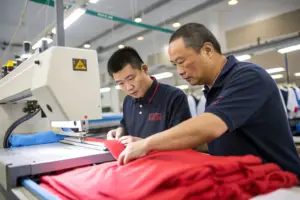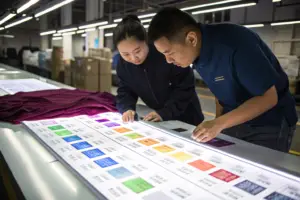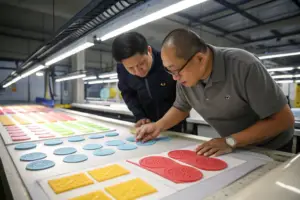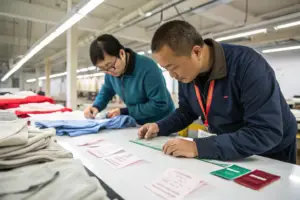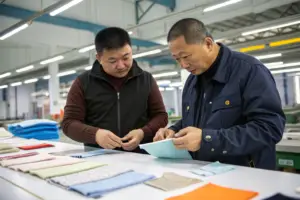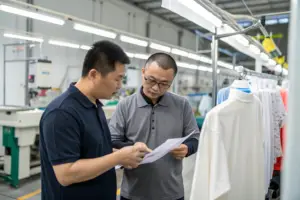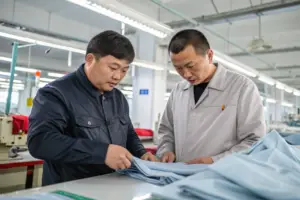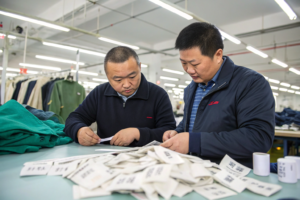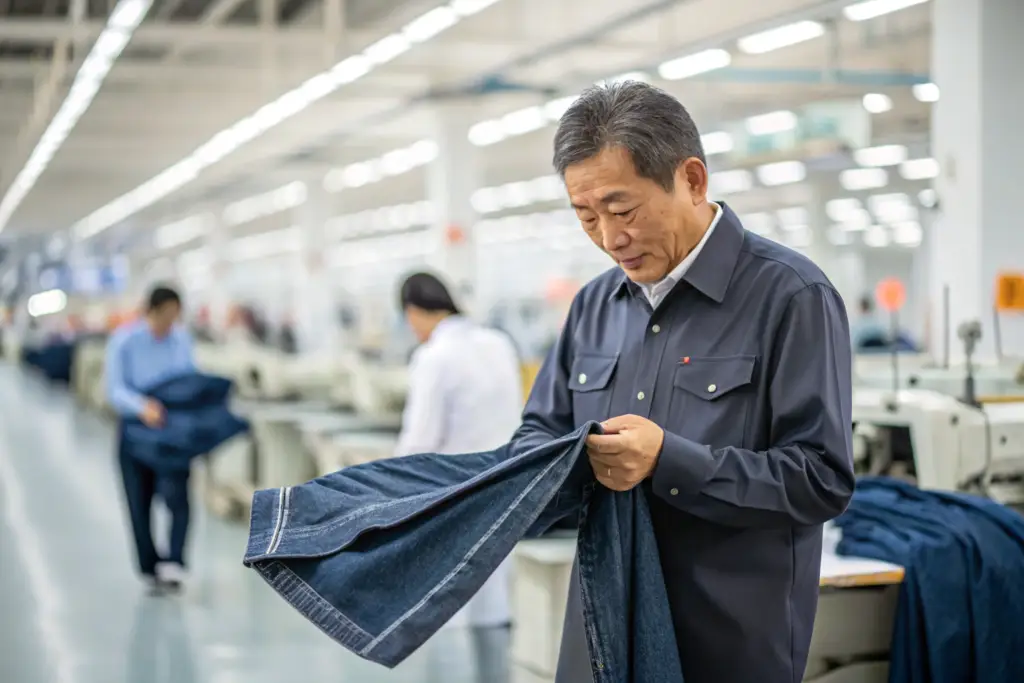
For many years, I have run a clothing factory in China. We have five production lines. We ship to North America and Europe. I talk to brand owners every week. Almost all of them share the same worry. They have a great design. They have a sales plan. But the project stops at the very first step. The step is raw material sourcing. They ask me, “Why is it so hard to just get the right fabric?” I tell them it is not simple. It is the foundation of everything we do. Get the material wrong, and the whole order fails. Get it right, and the production flows smoothly.
Raw material sourcing is the biggest bottleneck because it decides the quality, cost, and delivery time of your entire order. When the fabric is not available or does not meet your standard, the production line stops. No amount of fast sewing can fix a problem that starts with the yarn. In my 20 years in this business, I have seen more delays and quality issues come from material problems than from anything else. It is the one variable that can break your supply chain.
This is why I want to share what I have learned. You are a brand owner. You care about quality and price. You have probably faced these delays yourself. I will walk you through the real reasons behind this bottleneck. I will use examples from my own factory floor. You will see how we at Shanghai Fumao solve these issues for our clients. By the end, you will understand how to avoid this trap and build a more reliable production process.
How does fabric availability control your production schedule?
When I first started in this industry, I thought the bottleneck was the sewing machines. I was wrong. The machines are fast. The workers are skilled. But if the fabric is not in the warehouse, nothing happens. I remember a specific order from a New York streetwear brand in 2021. They needed a custom-milled heavy-weight cotton fleece. The color was a specific shade of heather grey. The mill in China said they could make it. The timeline was eight weeks. But after four weeks, the mill called me. They could not get the specific recycled polyester yarn they needed to blend with the cotton. The raw material for the raw material was delayed. That stopped our entire production line for two weeks. We had to air-freight the fabric to meet the final delivery. It cost the brand an extra 15% in logistics fees.
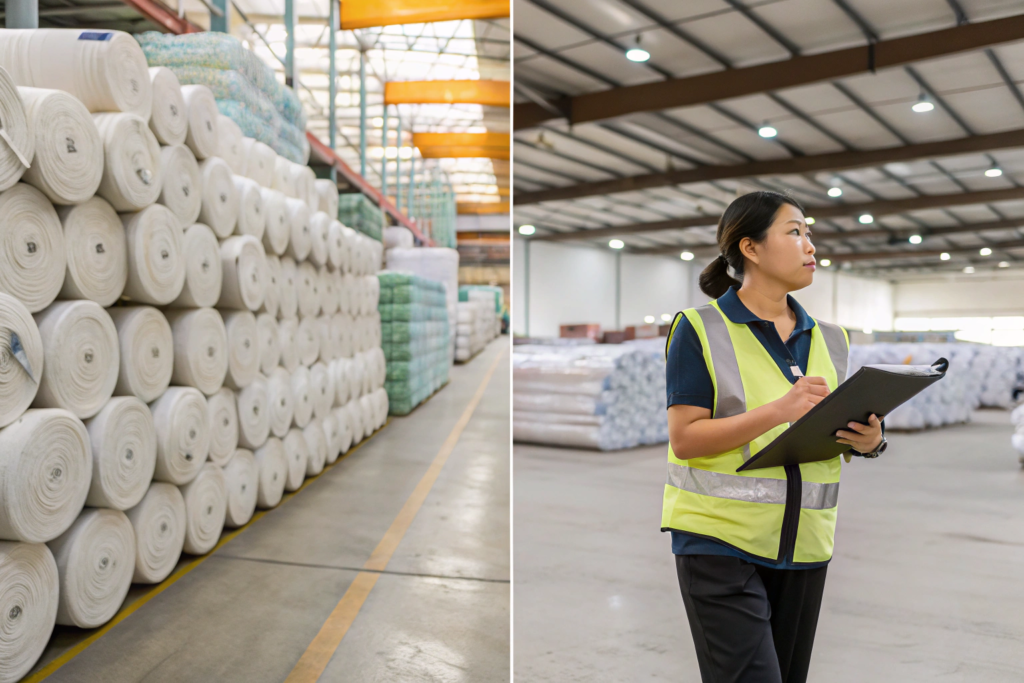
How does a shortage in the yarn market impact your lead time?
The yarn market is the first link in the chain. A disruption there travels down to you. For example, if the price of cotton futures spikes, mills might hold back on buying. That creates a shortage. Or, if a major polyester plant in Asia shuts down for maintenance, the supply of synthetic yarn tightens. I saw this happen in early 2023. A client from Los Angeles wanted a line of performance activewear. We specified a specific moisture-wicking polyester-spandex blend. The spandex yarn, which comes from a few large chemical companies, was allocated to bigger buyers first. Our mill could not secure enough spandex yarn to start the fabric run. We had to wait an extra six weeks.
This waiting period does not just push back your ship date. It creates a domino effect. Let me show you what this looks like in a real timeline.
| Production Stage | Planned Timeline (Weeks) | Actual Timeline with Material Delay (Weeks) |
|---|---|---|
| Yarn Sourcing & Allocation | 1 | 7 (Delayed due to spandex shortage) |
| Fabric Knitting/Dyeing/Finishing | 3 | 3 (Rushed after material arrival) |
| Cutting & Sewing | 2 | 2 |
| Quality Control & Packaging | 1 | 1 |
| Total Lead Time | 7 Weeks | 13 Weeks |
This table shows a real case from 2023. The brand missed their summer selling season. Their sales dropped by an estimated 25% for that collection. So, when you ask why sourcing is a bottleneck, this is it. One unavailable yarn type can shift your entire production schedule by months.
Why do specialty and rare styles make sourcing even harder?
Many American brands want a unique look. They do not want the standard fabric you can find on any Alibaba page. They want a rare style. This is a good goal. But it adds complexity. A few years ago, a high-end denim brand from San Francisco came to us. They wanted a specific vintage-style selvedge denim. The denim had to be made on old shuttle looms. The yarn was a specific indigo-dyed rope-dyed yarn. There are only a handful of mills in the world that make this. And they book their production slots six to eight months in advance.
We could not just call a supplier and order a few thousand yards. We had to negotiate with the mill. We had to commit to a large volume. We had to wait for their production schedule. The client was frustrated. They thought we could just buy the fabric. I had to explain that for rare styles, the sourcing process is not like buying from a warehouse. It is like booking a reservation at a very exclusive restaurant. You have to plan far ahead. At Shanghai Fumao, we now advise our clients to start fabric sourcing at least four months before they want production to start. This is especially true for rare styles. It turns a potential bottleneck into a planned step.
How does a supplier's quality failure become your cost?
I have learned that the cheapest fabric is almost never the best fabric. A low price from a supplier often hides a risk. That risk becomes your cost. Let me share a story. In 2022, we were producing a line of knit polo shirts for a brand in Florida. The client found a fabric supplier on their own. The price was very low. The fabric looked okay in the small sample. We started bulk production. After cutting 5,000 pieces, our cutting room manager noticed a problem. The fabric had a subtle color variation from roll to roll. It was almost invisible to the naked eye. But when we laid the cut pieces side-by-side, you could see the difference. The fabric was not consistent.
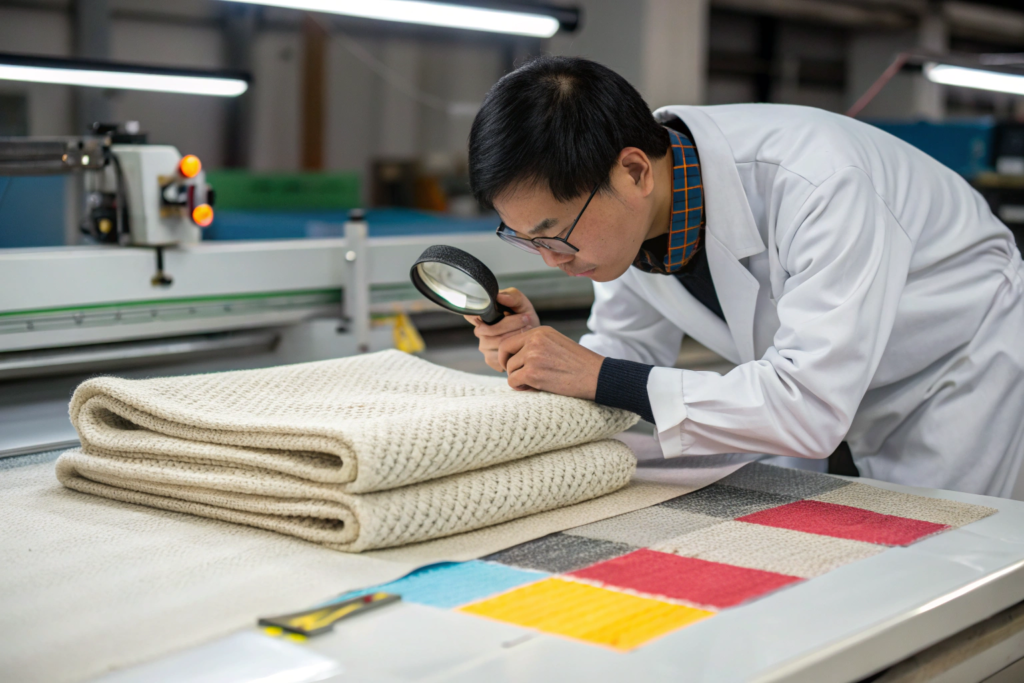
What happens when you receive fabric that fails your quality standards?
This is a nightmare scenario. We had to stop the cutting line. We pulled all the fabric rolls. We tested them. About 30% of the fabric was out of the acceptable color tolerance. The client had to decide. They could either accept the flawed fabric and risk a high return rate from their customers. Or, they could reject it and find new fabric. They chose to reject it. The original supplier would not take it back because the quality was "within their mill's standard." The client had already paid for the fabric. They lost that money. They also had to pay for new fabric from a different, more reliable mill. The total cost was about $18,000 more than their original budget. And the project was delayed by five weeks.
This is why I tell all my clients to never skip the pre-production fabric testing. It is a small cost that prevents a huge loss. We have a checklist for every new fabric batch.
- Shade Band Check: We check all rolls to ensure color consistency.
- Shrinkage Test: We wash and dry the fabric to see how much it shrinks.
- Pilling Test: We rub the fabric to see if it will form small balls of fuzz.
- Tensile Strength Test: We check how easily the fabric tears.
- Colorfastness Test: We test how well the color holds up to washing, rubbing, and light.
We do all these tests before we cut a single piece. At Shanghai Fumao, we have an in-house lab. It is not the most advanced lab in the world. But it helps us catch 95% of quality issues before they become big problems. For a recent client from Texas, we found that a batch of dyed twill fabric had a colorfastness rating of only 2.5. The client’s standard was 4.0. We rejected the fabric. The mill sent a new batch. It delayed us by one week, but it saved the client from a massive return rate. The client later told me that in their previous order with another factory, a similar issue had led to a 30% return rate from customers. That cost them over $50,000 in refunds and lost goodwill.
How do you verify supplier certifications to avoid fraud?
This is a painful topic. I do not like to talk about bad actors in our industry. But they exist. Some suppliers will present fake certificates. They will say their fabric is Oeko-Tex Standard 100 certified. Or they will claim it is GOTS certified organic cotton. For a brand selling in the U.S., these certifications are not just marketing. They are often required by your buyers or for your own brand promise.
I had a client from Seattle. They were a children’s wear brand. They wanted all their fabrics to be Oeko-Tex certified. We sourced a fabric from a new mill. They provided a certificate. It looked real. But I had my team call the certification body. They found the certificate number did not exist. The mill had photoshopped a real certificate from another company. We were shocked. We immediately stopped working with that mill. The client was saved from a potential disaster. If they had shipped that clothing to the U.S., and a retailer or customer had tested it, they would have faced lawsuits and a destroyed reputation.
This experience taught me to be very careful. Here is how we verify certifications now:
- Direct Verification: We contact the issuing organization directly. We do not trust the certificate file alone.
- Batch Traceability: We ask for the certificate number that matches the specific batch of fabric, not just the mill.
- On-Site Audits: For new mills, we visit their facility. We check if their production process actually matches their claimed standards.
- Independent Testing: If there is any doubt, we send samples to a third-party lab in China. It costs money, but it is worth it.
So, a supplier’s quality failure is a direct cost to you. It comes as money lost on bad fabric, delays that rush your shipment, and the potential for a damaged brand reputation. This is why sourcing is not a simple purchase. It is a risk management exercise.
After the fabric is ready, the next bottleneck appears. It is not in the factory. It is in the logistics and payment process. I have seen many orders get stuck at the very end. The clothes are finished. They are packed. But they sit in the warehouse. The reason? A payment delay. Or a shipping booking that was not confirmed.
A good example is from 2024. We produced a line of winter jackets for a brand in Chicago. They were selling to large department stores. We finished production in August. The client had a strict deadline. The jackets had to be on the shelves by October 1st. We had the goods ready. But the client’s payment was late. Our company policy, like many in China, requires payment before we release the goods. We waited for the wire transfer. It took seven extra days. During those seven days, the shipping space we had reserved on a vessel was given away. We had to wait another three weeks for the next available ship. The jackets arrived in late October. The department stores were unhappy. The brand lost a part of their initial order because of this delay.

How does the choice of DDP versus FOB affect your shipping speed?
Many American buyers know the terms FOB (Free on Board) and DDP (Delivered Duty Paid). But they do not always think about how these terms affect speed. With FOB, your responsibility starts once the goods are on the ship in China. You control the freight forwarder. You control the customs clearance in the U.S. This can be good if you have a strong logistics team. But it can also be a bottleneck. If your forwarder is slow to book space, the goods will not move.
With DDP, we at Shanghai Fumao handle everything. We book the shipping. We handle export and import customs. We pay the duties. We deliver the goods to your door. This model is faster for you. We have relationships with freight forwarders. We ship volume every week. So we get better rates and more reliable space. For a client in Los Angeles, we switched from FOB to DDP in 2023. Their average shipping time dropped from 45 days to 32 days. The main reason was our ability to book space immediately after production, without waiting for the client’s team to coordinate.
Let me show you a comparison of the two models based on our experience.
| Factor | FOB (Free on Board) | DDP (Delivered Duty Paid) |
|---|---|---|
| Shipping Control | You manage the forwarder. Can be a bottleneck if your forwarder is slow. | We manage the forwarder. We have dedicated space and relationships. |
| Customs Clearance | You manage U.S. customs. Requires your own broker or team. | We manage it. We handle all paperwork and duty payment. |
| Lead Time Predictability | Variable. Depends on your team's speed. | More predictable. We control the whole chain. |
| Total Cost | Lower quoted price, but you pay shipping and duties separately. | Higher quoted price, but all costs are included. No surprises. |
For most of my clients, especially those who are not large corporations with huge logistics departments, DDP has become the preferred choice. It removes a major bottleneck from their end. It lets them focus on selling, not on worrying about whether a container is stuck at the port.
What payment methods cause the most friction for suppliers?
I understand that you want to protect your cash flow. You want to pay when the goods are ready or after they arrive. But from my side, I also need to protect my factory. The biggest friction comes from complex payment terms.
I remember a client from New York. He was a great marketer. He had a strong brand. But he always wanted to pay 30% deposit and 70% 60 days after the bill of lading. This meant we would produce all the goods, ship them, and then wait two months to get our money. For a factory with five production lines, this is very risky. We have to pay our workers, our fabric suppliers, and our rent. We cannot wait two months for a single client.
The payment method that causes the least friction is a confirmed, irrevocable Letter of Credit (L/C) or a simple Telegraphic Transfer (T/T) with a clear schedule. For new clients, we usually ask for 30% deposit and 70% before shipment. This is standard. It protects us. It also protects you because you see the final product before you release the final payment.
When a client tries to negotiate very long payment terms, it creates a hidden bottleneck. We might still accept the order. But we will price it higher to cover the risk. Or, we will prioritize other orders that have better payment terms. Your order becomes a second priority. It is not personal. It is just cash flow management. So, simple and clear payment terms are not just about money. They are about speed and priority. They help your order move to the front of the line.
How can you build a partnership that avoids sourcing bottlenecks?
The real answer to the bottleneck is not about finding a single perfect fabric. It is about finding a partner. I have been in this industry for over two decades. The relationships that work best are the ones built on trust and open communication. When a client sees me as their manufacturing partner, not just a vendor, we can avoid almost all the problems I have described.
There is a brand from Atlanta that we have worked with for seven years. They started small. They would order 1,000 to 2,000 pieces per style. In the beginning, they had many questions about sourcing. They wanted the cheapest fabric. They did not understand why some fabrics took longer to get. Instead of arguing, I started sharing our sourcing calendar with them. I showed them what we buy, when we buy it, and why. I introduced them to our fabric agents. They learned the system. Now, when they have a new design, they come to us with a fabric request that we both know is realistic. Their lead times have shortened by 30% compared to their first year with us. Their quality issues have dropped to almost zero.

What is the role of effective communication in preventing delays?
Poor communication is the root of most delays. It is not always the factory’s fault. Sometimes, it is a misunderstanding. I recall a situation with a client in Canada. They sent us a tech pack with a fabric requirement. It said "100% cotton, 200gsm." We sourced a standard 200gsm cotton jersey. We made the samples. The client approved them. We started bulk production. Two weeks into production, the client called us. They were furious. They said the fabric felt different from their reference sample. We were confused. We pulled the reference sample. We tested it. It was actually a 220gsm cotton blend. Their tech pack was wrong. They had made a mistake.
We had to stop production. We had already cut 8,000 pieces. The client was upset. But we worked together. We did not blame each other. We found a solution. We re-sourced the correct fabric. We used the already cut pieces for a smaller order for another client. The Canadian client paid for the new fabric. We split the cost of the labor that was wasted. It was an expensive lesson for both of us. But our relationship survived and grew stronger because we communicated honestly.
Now, we have a strict process. Before any bulk fabric is ordered, we have a "Fabric Confirmation Call" with the client. We show them the fabric specification sheet. We send them a large swatch. They must confirm in writing. This one step has saved us from so many mistakes. It takes an extra day. But it can save months of delays. Effective communication is about creating these safety checks. It is about making sure both sides are 100% clear before any action is taken.
Why should you involve your manufacturer early in the design phase?
This is the most important advice I can give you. Do not finalize your design and then send it to a factory. Involve your factory early. Bring us into the design process. We can tell you what is possible and what is not. We can tell you which fabrics are easy to source and which will take six months.
For example, a new brand from Miami approached us last year. They had a beautiful design for a women's blazer. They wanted a specific Japanese wool blend. The fabric was beautiful. But the cost was very high. And the lead time from the Japanese mill was 20 weeks. The brand’s budget was tight. Their launch date was in five months. They were about to give up on the design.
We stepped in. Our development team had worked with a mill in China that made a very similar wool blend. It was 85% similar in hand-feel. The cost was 35% lower. The lead time was 6 weeks. We showed the client the alternative fabric. They made some adjustments to the design to fit the fabric’s draping quality. They launched their collection on time. The blazer became their best-selling item. They would have missed their launch window if they had insisted on the original Japanese fabric.
This is what we do at Shanghai Fumao. We are not just a factory that takes orders. We are a manufacturing partner. We have a team of pattern makers and designers. They work with you from the start. They help you pick fabrics that are available, affordable, and meet your quality standards. They help you avoid the bottlenecks before they even appear. This early involvement is the best way to ensure a smooth production process. It turns a potential bottleneck into a competitive advantage.
Conclusion
Raw material sourcing is the biggest bottleneck in clothing production because it sits at the very start of the chain. A problem with a yarn, a fabric batch, or a certification does not just affect one step. It affects the entire project. It pushes back your schedule. It increases your costs. It puts your brand reputation at risk. I have seen this happen time and time again in my 20 years running a factory. The stories I shared about the delayed fleece, the failed spandex yarn, the inconsistent color, and the fake certificates are not rare. They are the daily realities of apparel manufacturing.
But this bottleneck is not an unsolvable problem. It is a challenge that can be managed. The key is to stop thinking of sourcing as a simple transaction. You are not just buying fabric. You are building a supply chain. To build a strong chain, you need to plan ahead. You need to test your materials before you cut them. You need to choose clear payment and shipping terms. Most importantly, you need to work with a partner who understands the whole system.
A good manufacturing partner will help you navigate these challenges. They will help you find the right fabric. They will test it for you. They will verify certifications. They will handle logistics. And they will communicate with you openly at every step. This partnership turns a bottleneck into a smooth, reliable process.
If you are tired of delays, unexpected costs, and quality issues, I invite you to talk to us. Let us show you how we do things differently. We at Shanghai Fumao have built our reputation on being that dependable partner for American brands. We have the experience, the systems, and the team to help you bring your apparel visions to market successfully, without the usual sourcing headaches.
You can contact our Business Director, Elaine, directly. She will be happy to discuss your next collection and how we can help you avoid these common pitfalls. Her email is: elaine@fumaoclothing.com. Let's build something great together, from the fabric up.