You budget for samples. You know the per-sample cost. You approve it. Then come the revisions. Another sample. Another cost. Then shipping. Another cost. Then duties. Another cost. By the time you approve the final sample, your budget is blown. You are surprised. You thought you knew the cost. You did not see the hidden costs. I have seen this happen many times. The visible cost of a sample is just the tip of the iceberg. The hidden costs can be double or triple the visible cost.
Based on our experience developing thousands of samples, the hidden costs of garment sample development include revision rounds, shipping and duties, fabric waste, pattern making time, and opportunity cost. For example, last year we worked with a brand from New York. They budgeted $500 per style for samples. They ended up spending $1,200 per style. The extra $700 came from two revision rounds, expedited shipping, and pattern adjustments. They did not plan for these. When we identified the hidden costs, they adjusted their budget and process. The next collection was on budget. That is the power of understanding hidden costs.
So, what are the hidden costs of garment sample development? Let me break it down. I will explain the costs that are not in the sample price. I will show you how they add up. And I will give you a framework for budgeting accurately.
What Are the Costs of Revision Rounds?
The sample price is for one round. I remember a client from Chicago. They thought one sample was enough. They did five rounds. They paid five times the sample price.
Revision rounds are a major hidden cost. Each additional round costs the same as the first round. For the Chicago client, they budgeted $300 for samples. They spent $1,500. For woven shirts, a typical sample costs $150 to $300. Five rounds cost $750 to $1,500. For denim, wash samples cost more. A revision round may add $200 to $400. The cost of revision rounds is often not included in the initial budget. Plan for 2 to 3 sample rounds. Budget accordingly. If you do only 1 round, you are ahead. If you do 3, you are covered.
How Many Revision Rounds Should You Budget For?
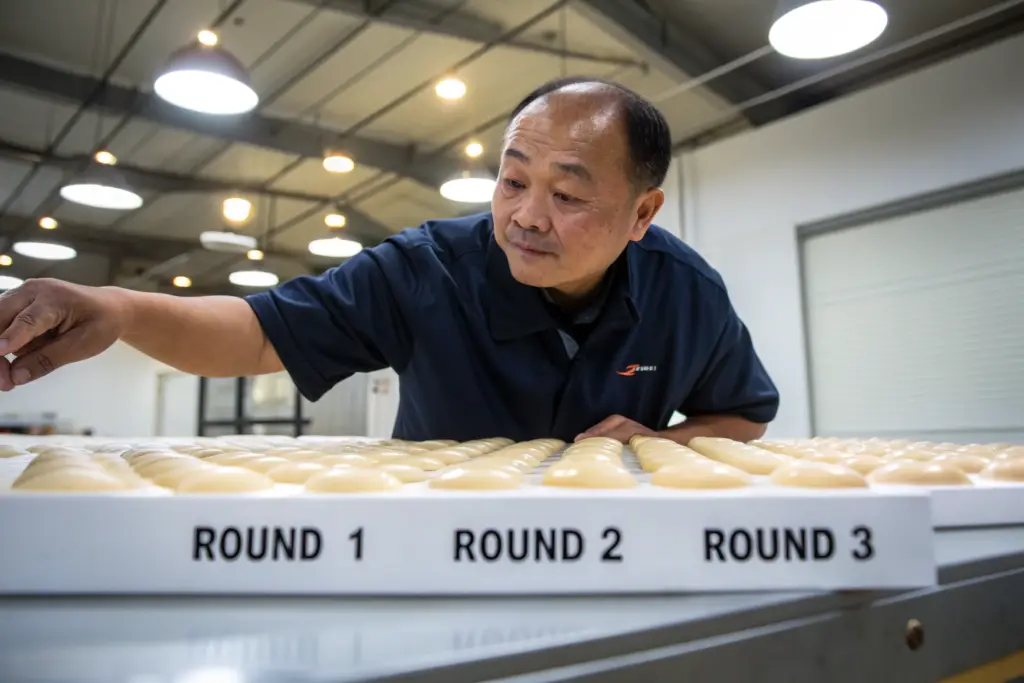
Most styles need 2 to 3 sample rounds:
- Round 1: Proto sample (design validation)
- Round 2: Fit sample (fit refinement)
- Round 3: Pre-production sample (final confirmation)
For a sportswear client, they budgeted for 3 rounds. They used 2. They were under budget.
What Is the Cost of an Extra Revision Round?
The cost of an extra revision round includes:
- Pattern maker time
- Sample sewer time
- Fabric and trims
- Shipping
For a denim client, an extra revision round cost $400. They had 2 extra rounds. That was $800 over budget.
What Are the Costs of Shipping and Duties?
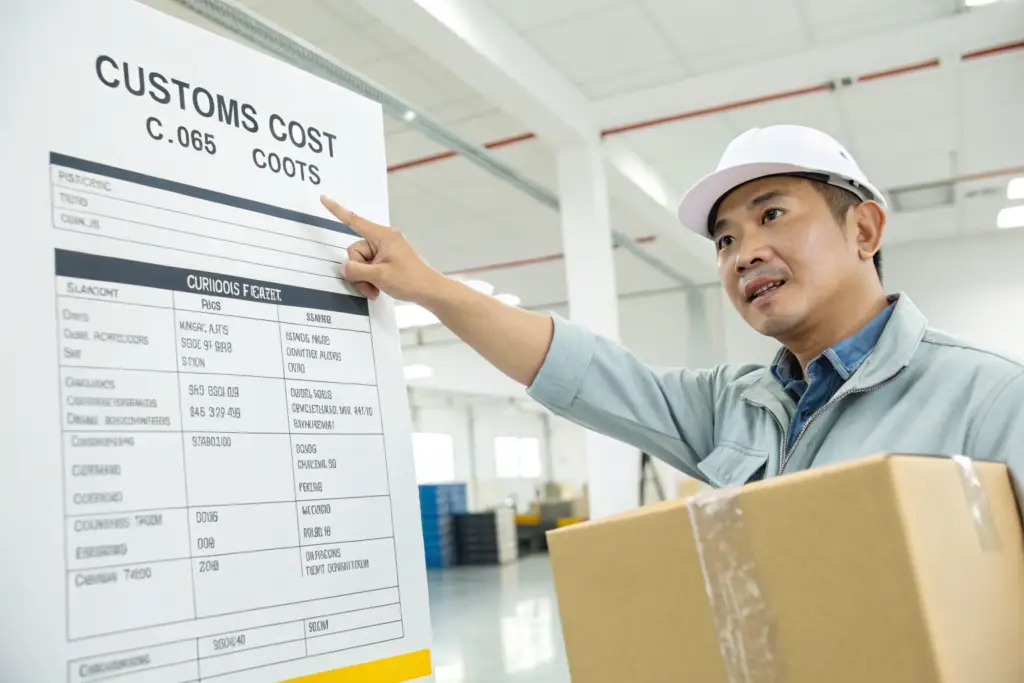
The sample price often does not include shipping. I remember a client from Boston. They approved a sample. They received a bill for $50 shipping. They were surprised. They had not budgeted for it.
Shipping and duties are hidden costs. Each sample shipment has a shipping cost. For international shipments, duties may apply. For the Boston client, we now include shipping in the sample quote. But many factories do not. For US buyers, shipping a sample from China costs $30 to $80. For European buyers, it costs $40 to $100. For Canadian buyers, it costs $30 to $70. If you do 3 sample rounds, shipping costs can add $90 to $300. Duties may add another $20 to $50 per shipment if DDP is not used. Ask if shipping is included. Ask if DDP is used. Budget for shipping and duties.
How Much Should You Budget for Sample Shipping?
Budget $50 to $100 per sample round for shipping. For 3 rounds, budget $150 to $300. For a sportswear client, they budgeted $200 for shipping. They used 2 rounds. They spent $120.
What Is DDP and How Does It Affect Costs?
DDP (Delivered Duty Paid) means the supplier pays duties. If the factory does not offer DDP, the buyer pays duties. Duties on samples are usually small, $10 to $50. But they are an unexpected cost. For a denim client, a sample shipment had a $45 duty. They had not budgeted for it. Now they ask for DDP shipping.
What Are the Costs of Pattern Making and Adjustments?
The sample price often includes pattern making for the first sample. I remember a client from Seattle. They made a major pattern change. The factory charged an extra pattern making fee. The client was surprised.
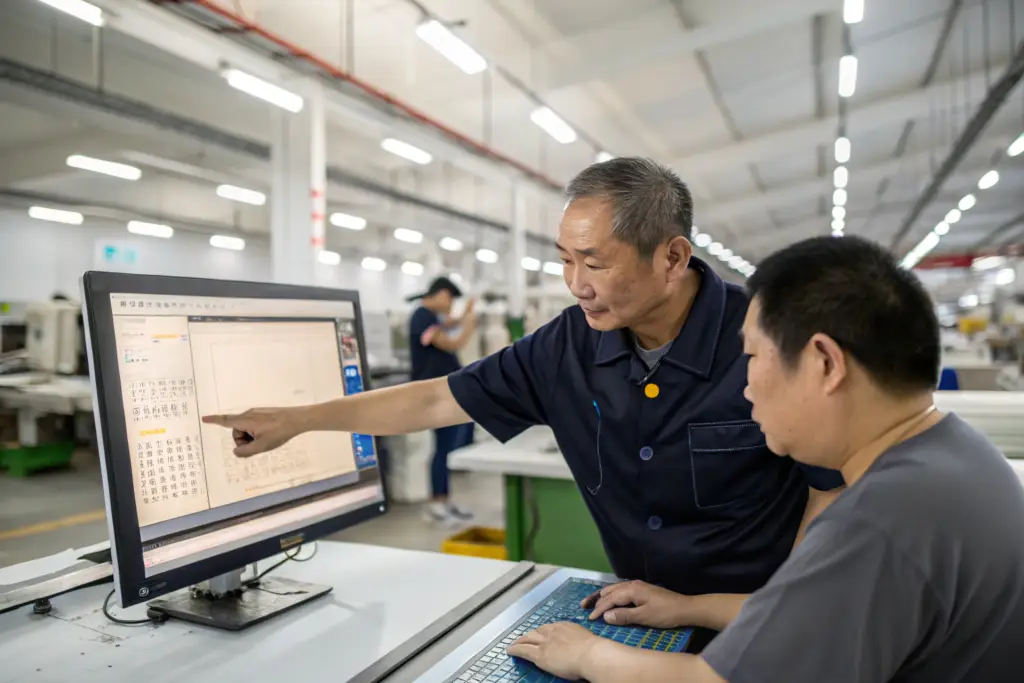
Pattern making time is often included for the first sample. But major adjustments may incur extra costs. For the Seattle client, they changed the entire silhouette. The pattern maker had to start over. The extra cost was $200. For woven shirts, a pattern change may take 1 to 2 hours. For denim, a wash change may require new sample development. For outerwear, a change in the lining may require pattern adjustments. Ask if pattern adjustments are included. Ask what changes trigger extra costs. Budget for pattern adjustments.
What Pattern Adjustments Incur Extra Costs?
Extra costs may be incurred for:
- Major silhouette changes
- New pattern development (if starting over)
- Grading for multiple sizes
- Complex construction changes
For a sportswear client, they changed the neckline from a scoop to a V-neck. The pattern adjustment took 2 hours. The cost was $50.
How Much Should You Budget for Pattern Adjustments?
Budget $100 to $300 for pattern adjustments per style. For a denim client, they budgeted $200 for pattern adjustments. They used $150. They were under budget.
What Are the Costs of Fabric and Trim Waste?
Fabric and trim for samples are not free. I remember a client from New York. They thought sample fabric was included. They did not realize that sample fabric costs money.
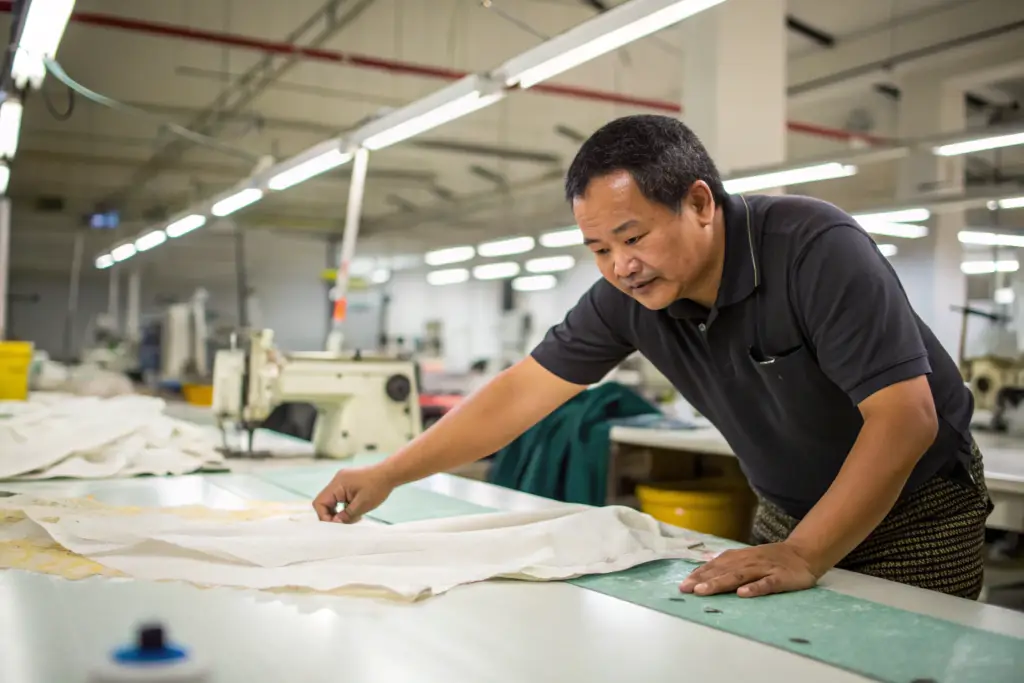
Fabric and trim waste is a hidden cost. Each sample uses fabric and trims. If you do multiple rounds, the cost adds up. For the New York client, they did 4 sample rounds. Each round used 2 yards of fabric at $10 per yard. That was $80 in fabric. Plus trims. The total was $120. For woven shirts, sample fabric may cost $5 to $20 per yard. For denim, sample fabric may cost $10 to $30 per yard. For outerwear, sample fabric may cost $15 to $50 per yard. If you do multiple rounds, the fabric waste adds up. Ask if fabric and trims are included in the sample price. If not, budget for them.
How Much Fabric Is Used per Sample?
Fabric usage per sample:
- Top: 1.5 to 2.5 yards
- Bottom: 1.5 to 2.5 yards
- Jacket: 2.5 to 4 yards
For a sportswear client, each sample used 2 yards of fabric. 3 rounds used 6 yards. At $15 per yard, that was $90 in fabric.
What Trims Are Used in Samples?
Trims include:
- Zippers
- Buttons
- Labels
- Thread
- Elastic
- Interfacing
For a denim client, each sample used $5 in trims. 3 rounds used $15.
What Is the Opportunity Cost of Slow Sampling?
Time is money. I remember a client from Chicago. Their sample process took 4 months. They missed the holiday season. They lost $100,000 in sales.
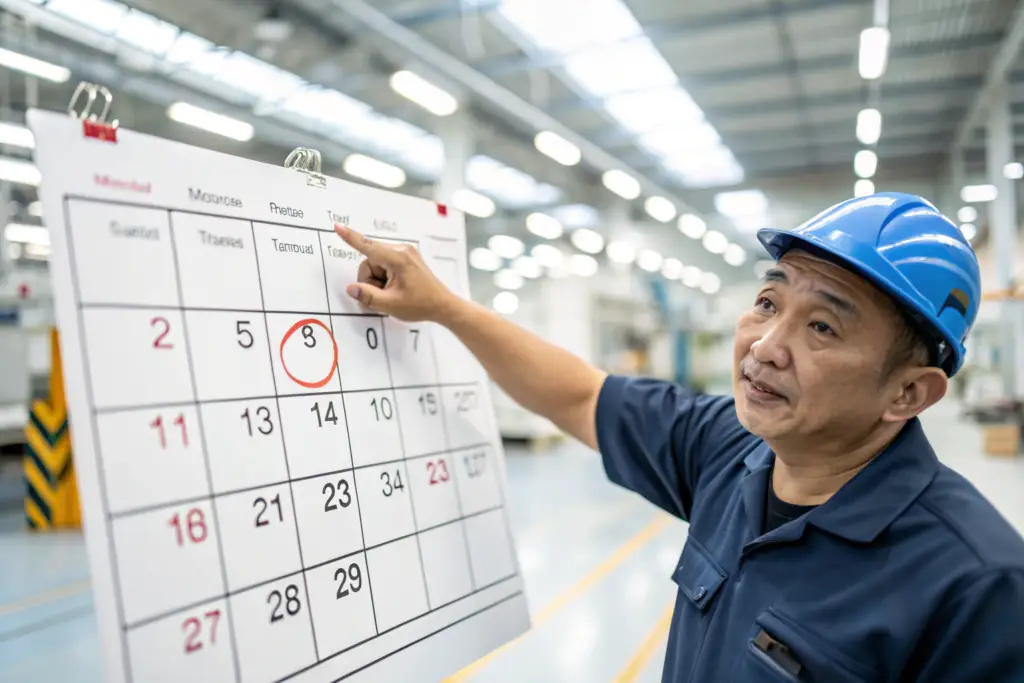
The opportunity cost of slow sampling is the largest hidden cost. Every week of delay is a week of lost sales. For the Chicago client, a faster sample process would have saved them $100,000. For fast fashion, a 2-week delay can mean missing a trend. For seasonal brands, a 1-month delay can mean missing the entire season. The cost of delay is not in the sample invoice. But it is real. Budget for time. Plan for buffer. Choose a factory with fast sampling. The cost of a faster sample process is small compared to the cost of missing a season.
How Do You Calculate the Cost of Delay?
The cost of delay is:
- Lost sales from the delayed launch
- Discounting required to sell late products
- Missed trends
- Reduced margin
For a denim client, a 1-month delay cost them $50,000 in lost sales. The sample cost was $2,000. The delay cost 25 times the sample cost.
How Can You Reduce Opportunity Cost?
Reduce opportunity cost by:
- Using a factory with fast sampling (7 to 10 days)
- Using digital sampling for initial rounds
- Planning for 2 to 3 sample rounds
- Building buffer into your timeline
- Ordering fabric early
For a sportswear client, they reduced their sample timeline from 12 weeks to 5 weeks. They launched on time. They captured the season.
Conclusion
The hidden costs of garment sample development can double or triple your budget. Revision rounds add sample costs. Shipping and duties add logistics costs. Pattern adjustments add labor costs. Fabric and trim waste adds material costs. And the opportunity cost of slow sampling can be the largest cost of all. Budget for these hidden costs. Plan for 2 to 3 sample rounds. Include shipping in your budget. Allow for pattern adjustments. Account for fabric waste. And choose a factory that samples fast.
At Shanghai Fumao, we are transparent about sample costs. We include shipping in our quotes. We offer DDP shipping. We minimize revision rounds with clear communication. We help our clients budget accurately. We sample fast to reduce opportunity cost.
Let us help you manage your sample costs. Contact our Business Director, Elaine, directly at elaine@fumaoclothing.com. Ask about our sample process. We will give you a clear cost breakdown.