Many bulk apparel buyers still rely heavily on trade shows or Alibaba—but they often miss one of the most powerful sourcing tools hiding in plain sight: LinkedIn. When Ron, one of our U.S. partners, struggled to find a fabric specialist in India for his moisture-wicking T-shirt line, I showed him how to run a filtered LinkedIn search, vet mutual connections, and connect with senior-level decision-makers directly. Within two weeks, he had a deal.
LinkedIn is one of the most efficient ways to source B2B clothing manufacturers, offering direct access to verified profiles, company pages, and decision-makers. With the right strategy, filters, and outreach tactics, you can bypass middlemen and connect with trusted factories.
In this article, I’ll show you how to structure your LinkedIn strategy for sourcing, what to look for in a supplier’s profile, and how to build long-term partnerships that go beyond cold introductions.
Why Is LinkedIn a Powerful Sourcing Tool?
Unlike marketplace platforms where everyone is pitching, LinkedIn is a more professional space where true factory owners, business developers, and merchandisers share their actual credentials and work histories.
LinkedIn allows you to search for verified individuals, see their career background, assess their network, and understand their company structure—all before initiating contact.
That transparency is a major upgrade from generic emails on sourcing platforms. Plus, it’s easier to track conversations and vet authenticity when communication stays within LinkedIn’s messaging ecosystem.
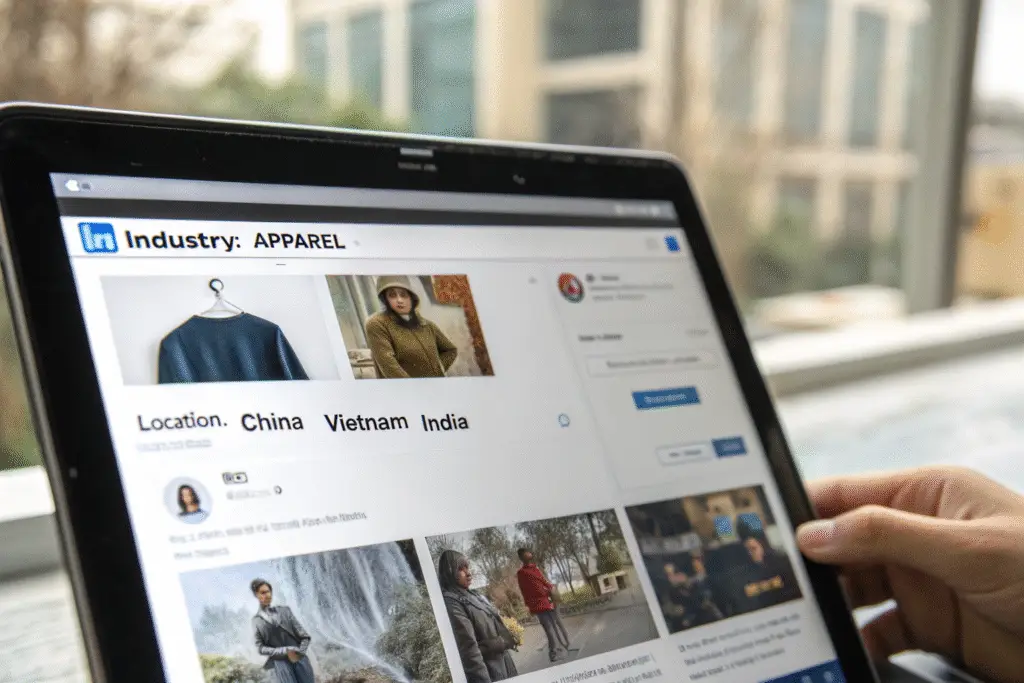
How Does LinkedIn Differ from Alibaba or Trade Shows?
Alibaba is anonymous—LinkedIn is personal. On LinkedIn, you can view the person’s job title, previous roles, recommendations, and mutual connections. That gives you insight into who really runs the factory—not just a faceless sales rep.
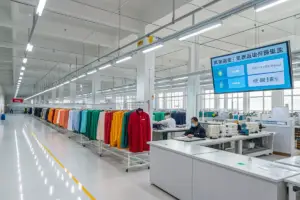
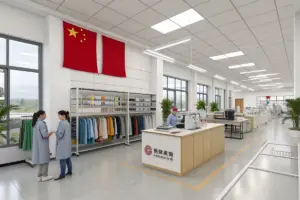
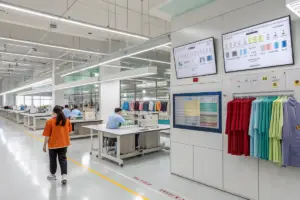
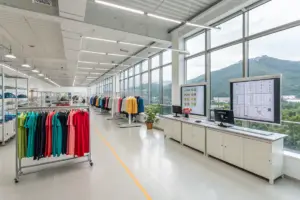
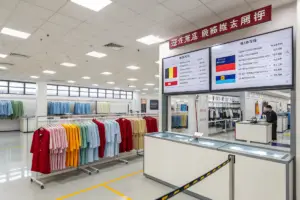
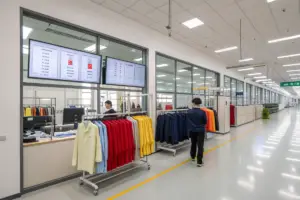
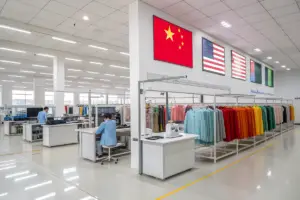
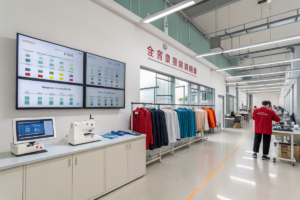
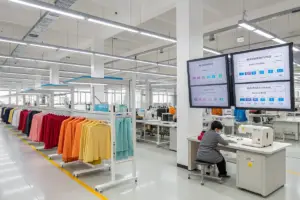
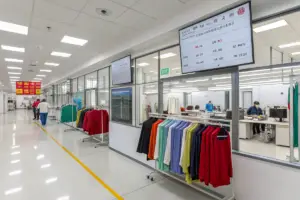
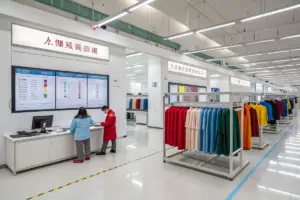
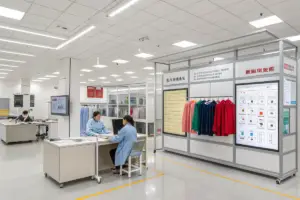
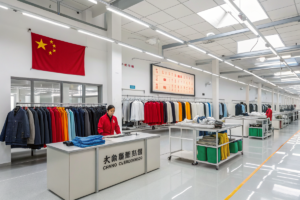
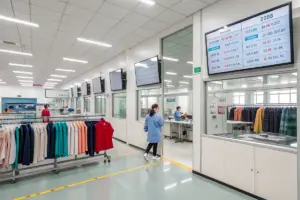
For example, our factory page includes our production line photos, company video, and key employees like our merchandiser team lead. Buyers who approach us on LinkedIn often get faster, more tailored service. You can learn more about vetting profiles at LinkedIn Business Solutions.
What Kinds of Factories Use LinkedIn?
Mid-to-large-scale factories in China, India, Bangladesh, and Vietnam are increasingly active on LinkedIn. Especially those targeting Western markets or certified under BSCI, OEKO-TEX, or WRAP.
You’ll also find fabric mills, accessory producers, and OEM/ODM clothing manufacturers publishing content, showcasing trade shows, or recruiting English-speaking staff.
How to Structure LinkedIn Search for Manufacturer Discovery?
The first step to sourcing through LinkedIn is using advanced search techniques. Typing “clothing supplier” won’t cut it—you need to use filters to identify the right company types, industries, and regions.
Use LinkedIn’s advanced filters to locate decision-makers at relevant apparel factories by title, location, industry, and keywords like ‘OEM,’ ‘garment manufacturer,’ or ‘fabric mill’.
We advise clients to search with boolean logic: for example, ("clothing manufacturer" OR "garment factory") AND "China" under the "People" tab. Then filter by “Current Company” and “Seniority Level” (Owner, Director, VP).
What Are the Best Keywords to Search?
Use:
- "OEM clothing manufacturer"
- "Garment exporter + [country]"
- "Textile sourcing manager"
- "Private label clothing supplier"
- "Cut and sew factory + knitwear/woven"
You can also locate brands that work with these manufacturers and message them for referrals—just like Ron did. Read more about keyword optimization at LinkedIn Sales Navigator.
Can You Use LinkedIn Company Pages for Vetting?
Absolutely. A good supplier page will show:
- Company location
- Factory videos or team photos
- Active job posts (merchandiser, QA, etc.)
- Links to certifications or external sites
We recommend reviewing a supplier’s posts and activity to ensure they understand global sourcing dynamics—not just local sales.
What to Say in Your First Outreach Message?
LinkedIn isn’t for spammy copy-paste pitches. Treat it like email networking—start by introducing your company, referencing something specific from their profile, and stating your interest clearly but briefly.
A good outreach message is short, customized, and outlines your sourcing need—MOQ, product type, timeline—without sounding transactional. Build a connection first, then ask for quotes.
Our team replies fastest to messages that say, “We’re looking for an OEM knitwear partner for 2025 drops. We saw your factory works with U.S. brands. Can you share MOQ and sampling details?”
What Makes a Message Stand Out?
- Reference their work or country (“I noticed you’ve worked with U.S. buyers.”)
- Mention your company’s product line
- Keep it under 100 words
- End with a simple call to action (e.g., “Can we schedule a 15-min intro call?”)
You can also offer a Calendly link to streamline scheduling, or share your portfolio via Dropbox.
Should You Attach Files or Wait?
Don’t send large attachments immediately. Instead, include a Dropbox or Google Drive link to your tech pack or lookbook if asked. Keep the conversation natural and responsive.
For safety, always verify any external links or PDFs from suppliers before clicking.
How to Evaluate Responses and Build Relationships?
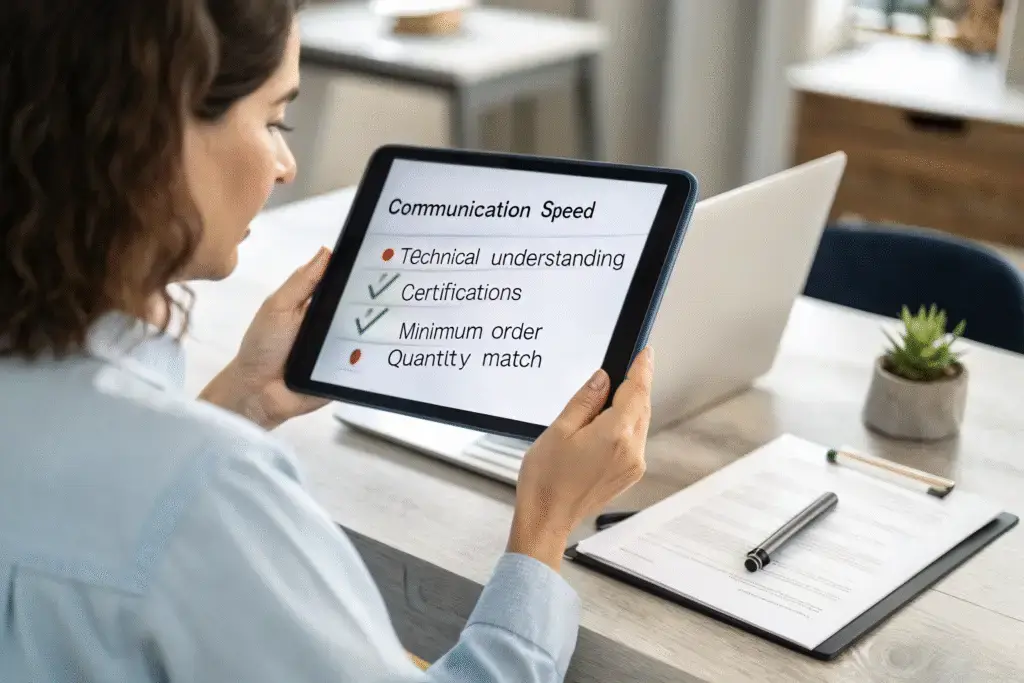
Once responses come in, don’t rush to send deposits. Use their reply style, technical understanding, and follow-up speed to assess who’s really ready to support your growth—not just land your PO.
Evaluate suppliers by their response clarity, production insight, transparency on MOQ and lead times, and how well they align with your goals. Consistency over multiple messages builds trust.
We often advise our clients to start with a small test order or sampling run before moving to bulk—especially if the factory is only known through LinkedIn.
What Are Red Flags in LinkedIn Supplier Replies?
- Vague answers (“We can make anything”)
- Poor grammar or unclear MOQ/pricing
- No reference to your actual message
- Requesting off-platform communication without info
Instead, favor replies that say: “We specialize in women’s activewear with GRS-certified fabrics. Our MOQ is 300 pcs per style. Can you share your size range or tech pack?”
How to Move Forward After Initial Contact?
Once you feel confident:
- Request a video call
- Ask for sample invoice with pricing and terms
- Check certifications via Sedex, BSCI, or GOTS
Then move to small batch sampling with clear payment terms (e.g., 30/70 TT, Trade Assurance). Keep conversations on LinkedIn or email for traceability.
Conclusion
LinkedIn isn’t just for job seekers—it’s a powerful sourcing engine for modern clothing brands. With the right keywords, outreach, and evaluation, you can discover verified factories, skip layers of middlemen, and build global partnerships directly.
At Fumao, we regularly connect with new clients on LinkedIn—sharing our factory credentials, manufacturing capabilities, and custom design support. We believe sourcing should be transparent, professional, and built on relationships—not guesswork.
If you’re ready to upgrade your supply chain with verified partners who speak your language, let’s connect on LinkedIn. We’ll show you what direct-to-factory really means.