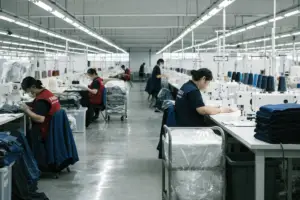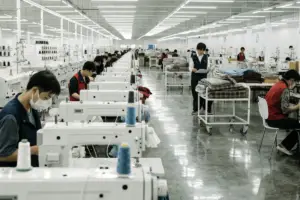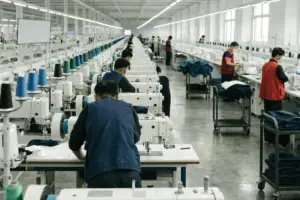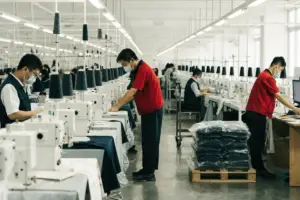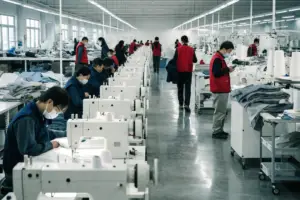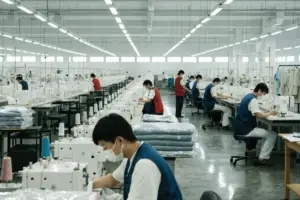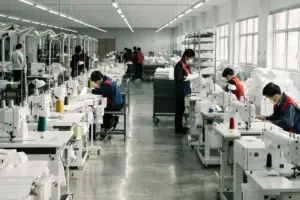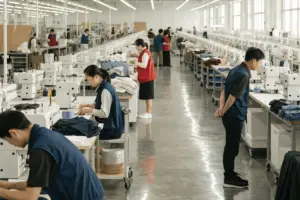
In the fast-moving world of rental fashion, waiting weeks for production—or being forced into huge order quantities—can cripple growth.
Low minimum order quantities (MOQs) and fast replenishment enable rental fashion brands to test new styles, scale efficiently, and reduce inventory waste. They turn speed and flexibility into a competitive advantage.
In this article, I’ll walk you through how low MOQ, short lead times, and agile supply chains are transforming rental fashion from a niche into a mainstream movement.
How Low MOQ Helps Rental Brands Launch and Scale Fast
Launching a new rental line with a 1,000-unit MOQ is like betting your entire budget on a single style—and hoping it works.
Low MOQs allow rental brands to test trends, experiment with sizing, and iterate fast without overcommitting capital. It’s the backbone of lean fashion startups.
Why do rental fashion brands need smaller batch sizes to succeed?
Unlike traditional fashion brands, rental companies don’t sell per piece—they monetize per use. This makes forecasting demand more difficult. Low MOQ solves several problems:
| Problem | Solution via Low MOQ |
|---|---|
| Uncertain style performance | Test 100–200 pcs to gather usage data |
| Size range complexity | Customize small runs for extended sizing |
| High upfront costs | Avoid overproduction and dead inventory |
| Seasonal experimentation | Launch micro-collections without big risks |
At Fumao, we help emerging rental brands start with just 100 pcs per style. One client in California tested five dress silhouettes in small quantities—and scaled only the best two. Their waste was near zero, and customer retention jumped 18%.
What are the long-term benefits of starting small in rental fashion?
Starting with low MOQ builds smart habits:
- Data-driven style selection
- Better user feedback loops
- Smoother inventory rotation
- More room to experiment with new trends
We’ve seen brands grow from one pilot drop of 300 garments to multi-thousand-unit reorders—simply because they had space to validate their ideas without burning cash.
The Role of Quick Turnaround in Meeting Rental Demand
Rental demand fluctuates with seasons, holidays, and even weather. If you can’t restock fast, you miss the moment.
Quick production turnaround helps rental brands respond to demand spikes, improve garment utilization rates, and avoid turning customers away.
How does fast replenishment improve operations and customer satisfaction?
When an item gets high booking volume, you want more units—fast. Here’s how quick turnaround supports rental ops:
| Rental Demand Trigger | Impact of Quick Replenishment |
|---|---|
| Viral trend or influencer use | Replenish top styles before interest drops |
| Event-driven surge (weddings, holidays) | Meet peak-season rentals on time |
| Unexpected damage or loss | Backfill inventory without long delays |
| Successful test capsule | Scale winning styles before season ends |
At Fumao, we offer 2–3 week production windows for repeat styles. We keep key fabrics and trims on standby, so reorders flow fast. One of our NYC clients increased garment utilization by 23% just by replenishing in real time.
What production tactics support faster replenishment?
Speed isn’t about cutting corners—it’s about planning smarter:
- Pre-approved tech packs for faster line re-entry
- Fabric reservation systems (we hold greige stock)
- Dedicated sample rooms to avoid factory delays
- DDP logistics for door-to-door delivery
Clients who use our express sampling + rolling cut model can go from rebooking to restock in under 21 days.
Balancing Inventory Risk with Just-in-Time Production
Stock too much, and you’re stuck with dead weight. Stock too little, and you lose revenue. What’s the answer?
Just-in-time production aligns output with actual demand, reducing inventory risk while keeping top-performing rental styles consistently available.
What challenges do rental brands face with traditional bulk inventory models?
Rental platforms don’t operate like ecommerce stores. Buying thousands of units upfront can cause problems:
- Styles don’t perform—now you’re stuck with them
- Storage and cleaning costs balloon
- Limited flexibility to respond to new trends
- Higher markdowns or disposal costs for stale inventory
We helped a UK rental brand transition from 1,000-unit MOQ to rolling batches of 150–200. Their inventory turnover became smoother, their storage footprint dropped 40%, and their rebookings aligned better with real usage data.
How does just-in-time production work with low MOQ and quick turnaround?
When these systems work together, you get agility:
- Low MOQ = Easier to test without risk
- Quick Turnaround = React fast to trends or booking patterns
- JIT Model = Only produce what’s needed when it’s needed
At Fumao, we sync with clients’ rental dashboards to anticipate reorders based on booking rates. It’s not just garment production—it’s a responsive supply loop.
Why Agile Supply Chains Are Key for Fashion Rental Models
Rental brands aren’t like retailers—they’re logistics-heavy tech companies wrapped in fashion branding.
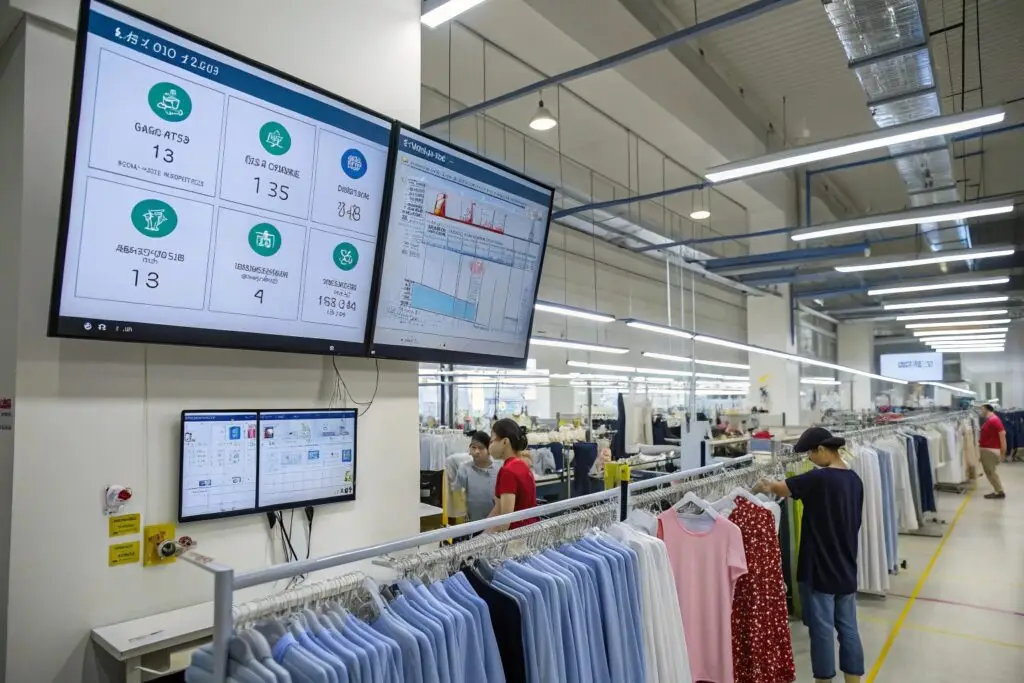
Agile supply chains—built around flexibility, transparency, and responsiveness—are what keep rental brands efficient, profitable, and customer-centric.
What defines an agile supply chain for fashion rental brands?
Agility isn’t about speed alone—it’s about control. The best rental supply chains have:
| Feature | Benefit |
|---|---|
| Modular production scheduling | Switch styles fast without downtime |
| Real-time inventory visibility | Forecast needs based on usage—not hope |
| Trim and fabric flexibility | Source alternates quickly when stock is low |
| Digital tech pack management | Minimize sample errors and revisions |
Fumao uses cloud-based PLM systems so clients can adjust designs, track orders, and review QC remotely. We also offer fabric substitution protocols, so if one color runs out, we auto-switch to pre-approved alternates.
How do agile partners help rental brands scale faster?
Rental brands don’t grow on rigid timelines. They scale in waves. Agile factories ride those waves, not resist them. We’ve had clients:
- Triple SKUs within one quarter
- Localize styles per region using modular trims
- Pivot full categories in under a month
One EU-based brand moved from 4-week lead times to 12 days with our express line. Their customer satisfaction score went up 2.4 points, and inventory waste dropped to 4%.
Conclusion
In rental fashion, flexibility isn’t an option—it’s the model. With low MOQs, fast replenishment, and agile systems, your brand isn’t just keeping up—it’s leading. Partner with a factory that knows how to move at the speed of your customers.