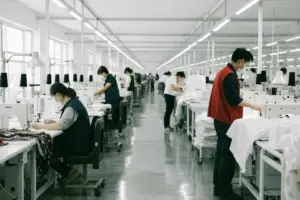
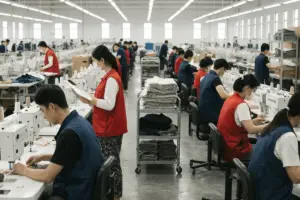
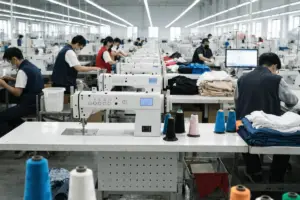
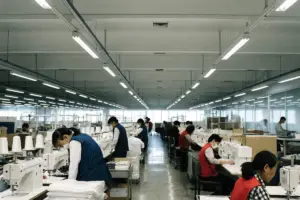
When I first started sourcing men’s apparel, I thought any wholesale website would do. But finding platforms that combine quality, style, and reliable service made all the difference.
Some of the best websites for wholesale men’s clothing in 2025 include FashionGo, Faire, Alibaba, Fumao Clothing, OrangeShine, and Magnolia Fashion—all offering a wide variety of styles and flexible MOQs.
Sourcing smart from the start sets your men’s clothing business up for faster growth and stronger branding.
Which place is best for wholesale clothes?
At first, I thought only one country or city mattered. But the truth is, different regions offer different strengths based on your niche and growth plan.
The best places for wholesale clothing are China, Turkey, India, Bangladesh, and the USA—each offering specific advantages in cost, customization, shipping, and style diversity.

How do different sourcing regions compare?
| Country/City | Why It’s Good for Wholesale Apparel |
|---|---|
| Guangzhou, China | Largest fabric and production ecosystem |
| Istanbul, Turkey | Knitwear, fast EU shipping1, ethical sourcing |
| Tiruppur, India | Cottonwear, embroidery, affordable pricing |
| Dhaka, Bangladesh | Mass production at very low cost |
| Los Angeles, USA | Boutique-ready trends, fast local delivery |
Each region suits different brands. If you want trendy menswear, China and Turkey are top choices. For sustainable cotton styles2, India is strong.
What factors should you consider when picking a sourcing hub?
- MOQ and scalability needs
- Speed to market (shipping times)
- Desired product category (e.g., suits vs. streetwear)
- Sustainability or compliance standards
Your product goals should drive your sourcing decisions—not just price alone.
Where do most boutiques buy their clothes?
I used to think boutique owners designed all their clothes from scratch. In reality, they are master curators who source smart and fast.
Most boutiques buy their clothes from wholesale marketplaces, trade shows, local showrooms, and direct-from-factory partnerships—depending on their style and scale.

What are the common sourcing channels for boutique buyers?
| Channel | Why It’s Popular |
|---|---|
| Wholesale Platforms3 | Wide variety, small MOQs |
| Local Wholesalers | Immediate access, trendy inventory |
| Private Label Suppliers4 | Quick branding options |
| Trade Shows5 | Touch and feel new collections |
| Direct Factory Deals | Better pricing, control over production |
Popular platforms for boutique owners include:
- FashionGo
- Faire
- OrangeShine
- Fumao Clothing (for custom or semi-custom work)
What buying habits help boutiques succeed?
- Test styles in small batches
- Watch customer feedback closely
- Mix basic staples with trend-driven pieces
- Prioritize fast restock suppliers
Speed and responsiveness win the boutique game every time.
Which clothing brand is best for men?
I realized quickly that “best” depends on your market. Some men want sleek tailoring. Others want rugged basics. It’s all about matching style to audience.
Top men’s clothing brands known for quality and style include Ralph Lauren, Levi’s, Uniqlo, Hugo Boss, and Patagonia—each dominating different lifestyle categories.

What brands define the top categories in menswear?
| Brand | Strength |
|---|---|
| Ralph Lauren | Timeless American preppy style6 |
| Levi’s | Durable denim and casualwear7 |
| Uniqlo | Affordable essentials and basics |
| Hugo Boss | Business formal and luxury casual |
| Patagonia | Outdoor, eco-conscious performance |
If you’re launching a men’s line, think: What lifestyle does my brand represent?
- Casual basics? → Uniqlo model
- Eco-luxury? → Patagonia approach
- Timeless business casual? → Hugo Boss influence
Clear style positioning builds brand loyalty faster.
What makes a men’s brand truly successful today?
- Consistent fit across collections
- Strong emotional connection8 (heritage, adventure, success)
- Excellent value for the price point
- Adaptability to global style trends
It’s no longer just about clothes—it’s about community and story.
What is wholesale clothing?
Before I started, I thought wholesale meant cheap. But wholesale is actually about volume pricing—and it can be the gateway to serious profit margins when done right.
Wholesale clothing means purchasing garments in bulk quantities at lower unit costs, usually for resale by boutiques, brands, or online stores.

How does wholesale clothing work for startups?
| Step | Process |
|---|---|
| Buy in Bulk | 50–500 units of a style or category |
| Get Lower Unit Price | Pay less per item |
| Sell at Retail Markup | 2–3x wholesale price in-store |
| Profit From Volume | Scale orders to increase margins |
Wholesale buying requires upfront investment but offers maximum control over:
- Branding
- Pricing
- Packaging
- Customer experience
What risks come with wholesale buying9?
That’s why I always recommend starting with a focused SKU set and agile restocking plans.
Conclusion
Finding great wholesale men’s clothing vendors starts with smart sourcing, clear brand vision, and knowing where to look. Choose platforms and partners that align with your goals—and your growth will follow naturally.
-
Learn about sourcing options that offer fast EU shipping to enhance your supply chain efficiency. ↩
-
Discover suppliers specializing in sustainable cotton styles to align your brand with eco-friendly practices. ↩
-
Explore how wholesale platforms can provide a wide variety of products with small minimum order quantities, perfect for boutique needs. ↩
-
Learn how private label suppliers offer quick branding options, allowing boutiques to create unique products that stand out. ↩
-
Discover the benefits of attending trade shows, where buyers can physically assess new collections and network with suppliers. ↩
-
Explore this link to understand how timeless preppy style influences modern menswear and brand identity. ↩
-
Discover insights on durable denim and casualwear to enhance your brand’s offerings and appeal to customers. ↩
-
Learn strategies for building emotional connections that foster brand loyalty and community engagement. ↩
-
Understanding wholesale buying is crucial for startups to manage risks and maximize profits effectively. Explore this resource for valuable insights. ↩
-
Effective inventory management is key to avoiding overstock and cash flow issues. Discover best practices to optimize your inventory. ↩