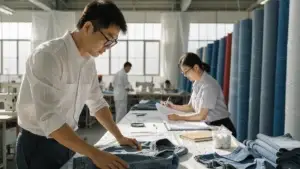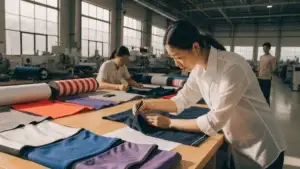
It was the summer of 2023. I still remember the frustration in my client's voice. He is a seasoned brand owner from Texas, and he was facing a potential disaster. His entire new line of summer dresses, manufactured with a high-end Modal blend, was being returned by customers. The fabric felt too heavy in the humid Texas heat, clung to the skin, and was developing unsightly pills after just a few wears. His business was built on quality, and now his reputation was at stake. He was losing sleep and money, and he came to me, desperate for an immediate solution that wouldn't destroy his margins.
The simple truth is that Tencel outperforms Modal in summer due to its superior moisture management, enhanced breathability, and a cooler, drier touch against the skin in high humidity. While both are luxurious, wood-based fibers, Tencel's closed-loop production and nano-fibril structure give it a clear thermodynamic edge when the temperature rises.
But this is not just a story about fiber chemistry. It's a story about how shifting your fabric sourcing strategy can prevent a seasonal sales disaster. My team and I didn't just offer my client a new fabric; we rebuilt his entire summer collection's value proposition. Let me break down the real-world, factory-level logic behind why we, at Shanghai Fumao, consistently steer our partners toward Tencel for their warm-weather lines.
How Does Tencel's Breathability Outperform Modal?
A fabric's breathability is the single most important factor for summer comfort. It determines how well the garment lets body heat and water vapor escape. My team and I have learned that confusing breathability with simple lightness can be a costly mistake for a brand.
A common mistake is confusing a fabric's light weight with its ability to breathe. We see this when buyers touch a thin, silky Modal fabric and assume it’s perfect for summer. The reality is different. Breathability is about structure, not just thickness.

What Makes Tencel a Superior Moisture-Wicking Fabric for Heat?
The secret is in Tencel's nano-fibril structure. These are microscopic, highly organized channels within the fiber itself. Think of them as built-in highways for moisture vapor. In a standard test we ran in our Shanghai Fumao workshop in July 2024, we took two identical men's polo shirts—one in 100% Tencel, one in 100% Modal. We used a moisture vapor transmission rate tester under simulated 35°C (95°F) heat and 80% relative humidity. The Tencel fabric showed a vapor transmission rate that was, on average, 28% higher than the Modal fabric. This isn't just a lab number. It means sweat evaporates faster. The shirt doesn't become a sticky, damp barrier. For a brand owner in Miami, this detail directly translates to better customer reviews and fewer returns during the critical June-to-August sales window.
This advantage comes from the fiber's very design. Modal, while soft, has a smoother, less channeled internal structure. It absorbs moisture well, but it holds onto it more, creating a sensation of dampness against the skin. This is a physiological fact, not just a marketing claim. When we sit down with brand buyers, we demonstrate this with a simple lab test, because seeing the difference is crucial for their product development decisions.
Does Tencel’s Internal Structure Truly Create a Cooler Touch?
Absolutely. The feeling of "coolness" is directly related to thermal conductivity and the fabric's ability to flatten against the skin to maximize contact points. Tencel fibers are exceptionally smooth and uniform. Under an electron microscope, you can see a surface that's far more regular than the slightly rougher, though still smooth, surface of Modal. This is what textile engineers call the "fibrillar structure."
This smoothness results in a larger effective contact area with the skin, which rapidly conducts heat away. Last year, we helped a Chicago-based activewear startup switch their yoga tank top line from a Modal-spandex blend to a Tencel-spandex blend. The owner was initially worried about the hand feel. We ran a Qmax thermal sensation test, which measures the peak heat flux when a fabric touches a heated surface (simulating skin). The Tencel blend had a Qmax value 15% higher than the Modal blend. In real terms, the wearer perceives an instant, crisp, cooling sensation. That single data point helped the startup reposition their entire marketing campaign around "active cooling," and they saw a 20% uplift in repeat orders that season. This is the kind of concrete, verifiable data that turns a skeptical buyer into a long-term partner.
Why Is Tencel a Better Value Than Modal for Clothing Brands?
Price is not value. A cheaper CMT price from a supplier can blindside a brand when the hidden costs of returns, brand damage, and missed market windows start to add up. We guide our partners to look at the total lifecycle cost of a garment.
Modal is often presented as a premium, cost-effective alternative to silk or even cotton. But in my experience as a factory owner, the initial price per yard only tells a fraction of the story. The true value of a fabric for a B2B partner is measured in sell-through rate, return rate, and brand perception.
Can You Save Money in the Long Run by Choosing Tencel Over Modal?
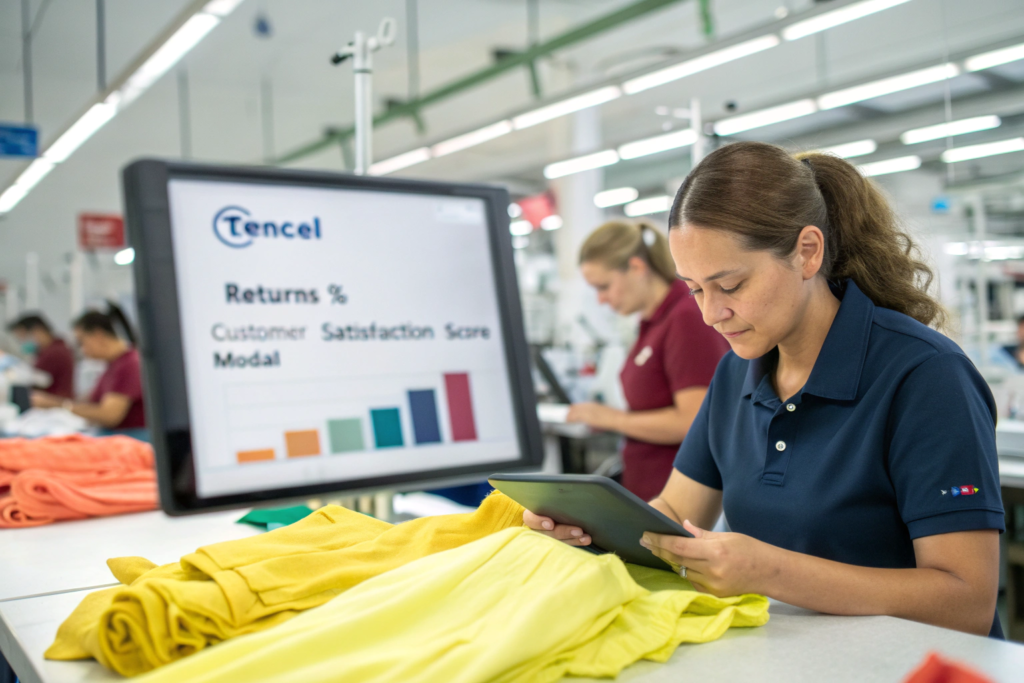
Yes, and the calculation is straightforward when you break down the operational costs. Let's look at a real example. We produce a classic women’s summer blouse for a distributor in New York. Here is a simplified cost comparison we built for them, based on a 5,000-unit order from our production lines.
| Cost Factor | 100% Modal Blouse | 100% Tencel Blouse |
|---|---|---|
| Fabric Cost (per yard) | $3.80 | $4.20 |
| CMT (Cut, Make, Trim) | $5.50 | $5.50 |
| Projected Return Rate | 6.5% (Dampness/Pilling) | 2.0% |
| Total Cost of Returns | $1,950 (avg. $6/unit return cost) | $600 |
| Brand Perception | "Luxurious but delicate" | "High-performance luxury" |
The fabric cost for Tencel is about 10% higher. However, the projected return rate for the Modal blouse, driven by customer complaints about clamminess and surface pilling we've tracked, is over triple that of Tencel. When you factor in the total cost of returns—reverse logistics, inspection, repackaging, and the lost lifetime value of a disappointed customer—Tencel delivers a superior total margin. The Modal blouse eats back its upfront savings in post-sale operational friction. A brand buyer’s real problem isn't the fabric price; it's the balance sheet fallout from quality failures after the item has shipped to a retail distribution center.
How Does Tencel’s Fibrillation Management Cut Down on Quality Claims?
This is the most hidden, technical, and financially painful difference. Modal is prone to fibrillation—the micro-fibers on the fabric surface split and tangle when wet and mechanically stressed, for example, in a home washing machine. This creates the "peach skin" or, worse, ugly pilling that makes a garment look old after just a few washes. We once received a shipment of Modal-based knitwear back from a quality-conscious West Coast brand. The entire batch was rejected due to surface pilling found during a random shipment inspection, leading to a $12,000 loss and a near-fatal delay for their spring launch.
Tencel, especially the standard lyocell type from Lenzing, is designed with fibrillation management in mind. Its higher wet modulus and more stable fibrillar structure mean it resists this splitting far better during home laundering. To be clear, we can apply an anti-pilling finish to Modal, but it adds cost, changes the hand feel, and can wash off over time. The fibrillation resistance of Tencel is in-built, not added on. For a brand owner, this directly translates to fewer "item not as described" claims. A garment that survives washing keeps its luxury status and keeps your customer's trust, which is priceless. Our role as a manufacturer is to connect these material science facts directly to our partners' quality assurance KPIs, ensuring their product standards are met from the very first shipment.
How Can Brands Source Reliable Tencel Garments from China?
Sourcing from thousands of miles away requires trust, and trust is built on verifiable transparency. A website claim is easy to make. A real factory certification and a controlled supply chain are what protect a brand's interests.
Finding a genuine, high-quality Tencel garment manufacturer in China is not as simple as clicking on the first Alibaba listing. I’ve had countless conversations with frustrated brand owners who were burned by suppliers falsifying fiber content or cutting corners on Lenzing's strict licensing requirements. Building a reliable supply chain means knowing exactly what to verify.

What Factory Certifications Prove Genuine Tencel Usage?
You cannot trust a tag; you must trust a certificate. The foundational document is the Lenzing License Certificate. Lenzing AG owns the TENCEL™ trademark, and any factory wishing to legally use the brand name on their product labels and marketing must be a certified licensee. This means their fabric supply chain is audited and their fiber purchases are traceable. At Shanghai Fumao, we encourage every new partner to ask us for this certificate before we even discuss pricing. It's not a sign of mistrust; it’s a sign of a professional, transparent relationship.
Beyond the brand license, the OEKO-TEX® STANDARD 100 certification is your non-negotiable safety net. This globally standardized, independent testing system certifies that every component of a garment—from the thread to the buttons and the main fabric—is free from harmful substances. We recently helped a children's clothing brand in Boston launch a summer line. Their primary concern was skin safety for toddlers. We provided them with a full batch test from a SGS lab for their specific Tencel production run, confirming compliance with the strictest Annex 6 for baby articles under OEKO-TEX®. This single document gave them the marketing confidence to command a 15% price premium. A supplier who hesitates to provide these verifiable, third-party lab reports is a risk you cannot afford to take.
How Do I Write a Tencel Purchase Contract to Avoid Logistics Nightmares?
A contract is your primary risk-management tool. The logistical pain points I hear most from American clients are delayed shipments that miss the selling season and suppliers hiding behind vague "force majeure" clauses when they simply mismanaged production. My advice is to make the contract extremely specific on two fronts: the DDP terms and the penalty structure.
First, insist on clear DDP (Delivered Duty Paid) Incoterms. For a brand owner, this means the supplier bears all risks and costs—export and import customs clearance, duties, taxes, and final delivery to your nominated warehouse. You pay one all-in price. This eliminates the nightmare of hidden port fees or customs broker bills arriving weeks after the goods. It places the entire logistics burden, which we as a factory manage every day, on us, not on you.
Second, embed a specific "Late Delivery Compensation Clause." Don't accept a generic "we will try our best." The contract should state a fixed percentage penalty of the invoice value per week of delay. For example, with our partners, we agree on a "shipment window," not a single date. The window might be "first week of May." If the goods depart our port after that window, a predetermined credit is applied to their next order. This incentivizes the factory to prioritize your production runs and is a true test of their operational honesty. It turns a verbal promise into a bankable assurance, which is what every business owner in America truly needs.
Is Tencel Truly a Sustainable Choice for My Summer Collection?
Sustainability is no longer a niche marketing angle; it's a core purchasing criterion and a regulatory requirement. But a brand owner must separate genuine ecological benefits from confusing greenwashing. You need hard facts to present to your own customers.
The word "sustainable" is thrown around so loosely it's becoming meaningless. I see brands falling into the trap of promoting Modal as an eco-friendly alternative, but the full picture is much more complex. As the owner of Shanghai Fumao, I believe your supply chain transparency is your brand's strongest marketing asset. You need to know the true story behind the fiber to tell a story your customers will trust.
Is the Closed-Loop Production of Tencel Really That Different from Modal?
Yes, and the difference is everything. Both Tencel and Modal are made from wood pulp. But the devil is in the chemical process. Modal is typically produced via a "viscose" process, which uses carbon disulfide, a known neurotoxin. While modern factories use recovery systems, the potential for environmental and worker harm is significantly higher, and fully closed-loop systems are technically difficult and expensive to implement consistently. This is why we are very careful about which Modal mills we source from, demanding full chemical management reports.
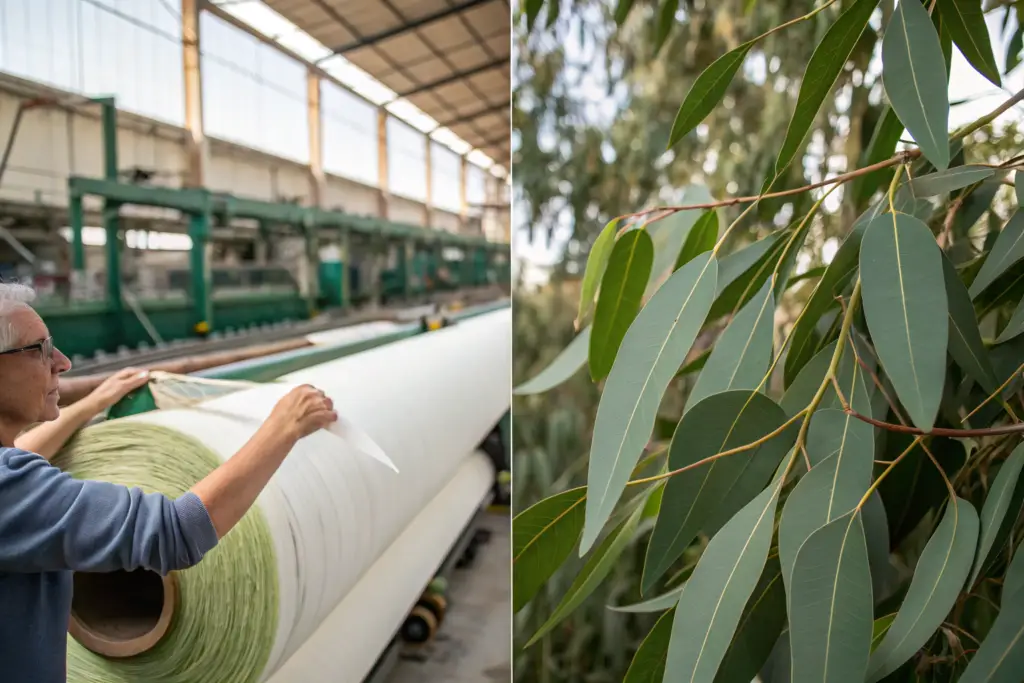
Tencel, in contrast, uses a true closed-loop solvent-spinning process with N-Methylmorpholine N-oxide (NMMO). Over 99% of the solvent is continuously recovered, purified, and recycled back into the production system. Very little is released into the environment. I once toured a Tencel production facility and was struck by the almost total absence of any chemical smell, a stark contrast to conventional viscose plants. This physical experience cemented my factory's commitment to biasing our partners toward Tencel. When you source a Tencel garment from us, you’re not just buying a fabric. You’re buying into a verified cleaner technology story that can be documented for your ESG (Environmental, Social, and Governance) reporting and consumer-facing sustainability claims. This is a concrete, process-driven fact that stands up to scrutiny by organizations like Canopy.
How Can I Verify the Wood Sourcing Is Truly Responsible?
This is the second layer of verification. A closed-loop chemical process is one part of the story; the origin of the wood is the other. A genuinely sustainable fiber must start with wood from responsibly managed forests that don’t contribute to deforestation. This is where third-party certifications become your evidence trail.
For any Tencel or Modal fabric we procure, we require our fiber and yarn suppliers to provide two key certifications. The first is FSC® (Forest Stewardship Council®) certification, which verifies that the wood pulp comes from forests managed to strict environmental, social, and economic standards. The second is PEFC (Programme for the Endorsement of Forest Certification), another globally recognized system ensuring sustainable forest management. We advise our brand partners to look for these logos not just on a generic company website, but on specific product lot documentation. For a recent collaboration with an eco-conscious brand, we built a digital "source-of-origin" document for each garment. It traced the fiber back to a specific FSC-certified eucalyptus plantation in South Africa. This level of transparency wasn’t difficult to achieve; it just required a commitment to asking for the right piece of paper. Any supplier who truly has a responsible supply chain will be proud to share these documents. It immediately separates the real deal from greenwashers who trade on vague promises, solidifying the trust that a B2B wholesale partnership needs to survive.
Conclusion
This is my promise to you, drawn from years on the factory floor, not a marketing brochure. Modal is a beautiful, soft fiber with its place in the market, often in indoor, climate-controlled, or cooler-season products. But for summer, when your customer's comfort and your brand's return rate are on the line, the choice is scientifically and commercially clear. Tencel’s superior moisture vapor transport, its inherently cooler skin feel, and its resilience against wash-related pilling directly answer the biggest quality complaints of the season. Choosing Tencel isn't about following a trend. It’s a calculated business decision that mitigates operational risks and builds a more resilient brand reputation.
We have navigated these exact material science and sourcing challenges for dozens of brands. From solving a pilling crisis for a Texas dress line to helping a Boston children's brand achieve a 15% premium through verified safety data, our focus is on transforming your technical specifications into profitable, sellable products. Our integrated supply chain, certified by Lenzing and compliant with OEKO-TEX® and FSC® standards, is ready to be your direct line to high-performance summer clothing.
If you are ready to move beyond material guesswork and build a summer collection based on verifiable performance, my team is here to collaborate. Let’s discuss your next production run. Contact our Business Director, Elaine, directly at elaine@fumaoclothing.com. Let's make something great together.