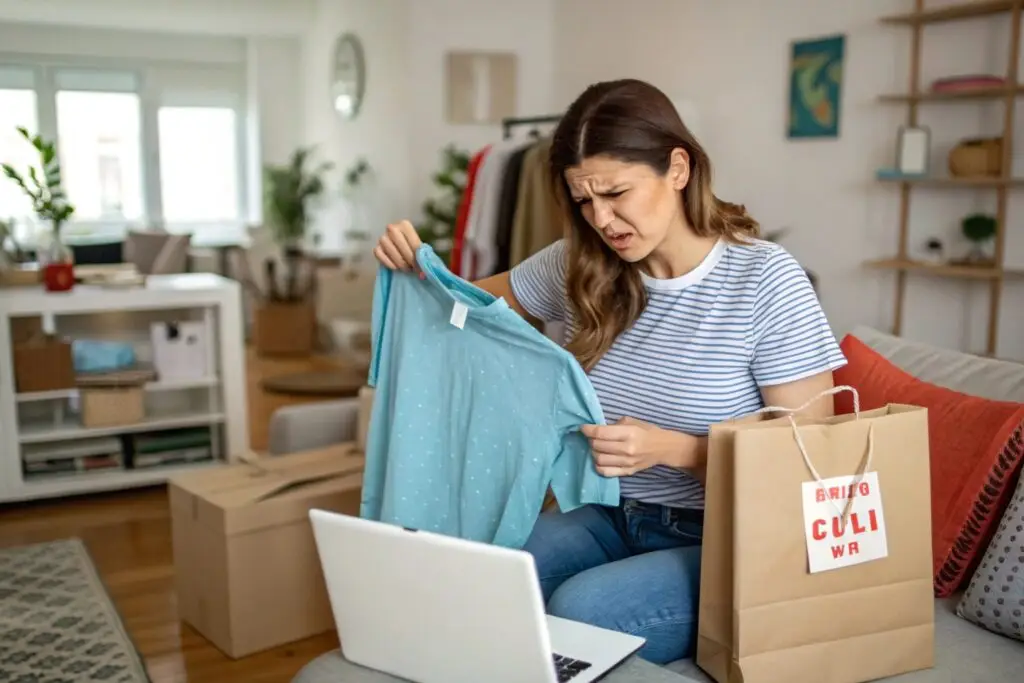
Online shopping was supposed to be the future of fashion. But for many, it’s become a source of frustration, confusion, and unmet expectations.
Shoppers aren’t satisfied with online fashion experiences because of poor sizing accuracy, misleading visuals, complex return processes, and a lack of personalization and emotional connection.
Instead of feeling confident and excited, many consumers feel overwhelmed and hesitant. Let’s unpack why.
What are the factors affecting online shopping experience?
A great online fashion experience isn’t just about having a pretty website. It’s about ease, trust, and how confident a shopper feels before hitting “buy.”
Key factors that affect online shopping experiences include website usability, product accuracy, shipping speed, return policies, personalization, and customer service quality.
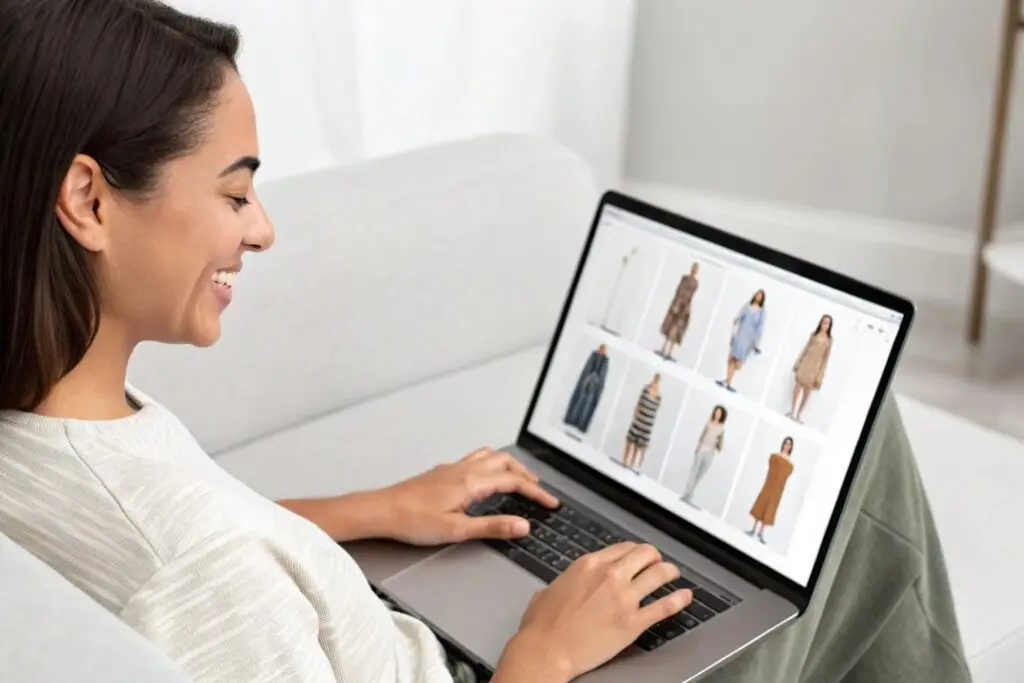
What defines a good vs. bad experience?
| Factor | Good Experience | Bad Experience |
|---|---|---|
| Website usability1 | Easy filters, mobile-friendly | Slow, glitchy, confusing layout |
| Product presentation | Real photos, clear sizing info | Over-edited, no garment measurements |
| Checkout process2 | Fast, clear pricing, multiple payment options | Hidden costs, forced sign-ups |
| Return policy | Free, simple, label included | Complicated, time-consuming, expensive |
| Customer service3 | Fast response, helpful tone | Delayed replies, canned messages |
I’ve helped brands go from a 3% to 8% conversion rate just by improving their product pages—adding better size charts, fabric descriptions, and videos of the product on different body types.
What are shoppers really looking for?
- Clarity – What exactly am I buying?
- Trust – Will it fit, feel good, and arrive on time?
- Support – If something goes wrong, can I fix it easily?
- Simplicity – Can I make decisions quickly without stress?
The smoother you make the journey, the stronger the results.
What is the biggest problem with online shopping?
More than delivery delays or payment issues, one thing stands out above all for fashion shoppers: fit.
The biggest problem with online shopping is inaccurate sizing and poor fit, leading to high return rates, shopper frustration, and decreased trust in brands.
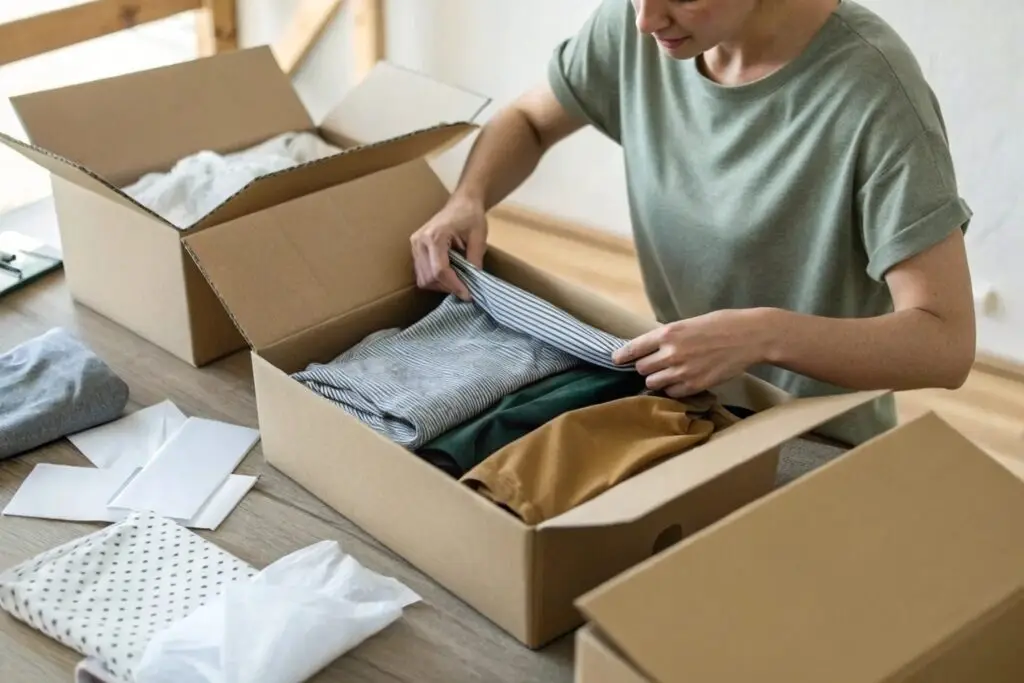
Why is fit still such a challenge?
- No universal sizing system across brands
- Brands use vanity sizing or inconsistent grading
- Product photos often don’t show real-world proportions
- Lack of detailed garment measurements
- No way to physically try before buying
| Fit Frustration | Shopper Reaction |
|---|---|
| Too small or too large | Return, leave bad review |
| Doesn’t match description | Brand distrust, refund request |
| Unclear style intention | Confusion, abandoned cart |
I’ve talked to customers who say they “order three sizes, return two” just to find one that works. That’s not convenient—that’s exhausting.
How can brands solve this?
- Use real garment measurements4 on every product
- Show fit videos5 on models of different sizes
- Include clear fit descriptions: tight, relaxed, cropped, oversized
- Add AI sizing tools6 that learn from customer preferences
Fixing fit doesn’t just reduce returns—it builds loyalty.
What are the disadvantages of online shopping?
While online shopping offers speed and variety, it also creates new pain points that never existed in traditional retail.
Disadvantages of online fashion shopping include limited sensory feedback, sizing confusion, delayed gratification, environmental impact, and less emotional connection.

What are the most common complaints?
- Can’t feel the fabric – Texture, stretch, and weight are unclear
- Colors look different on screen – Due to lighting or display settings
- Return fatigue7 – Too many items don’t meet expectations
- Delivery stress8 – Late arrivals, damaged packages
- Impulse buying9 – Easier to regret purchases without trying on
| Disadvantage | Shopper Impact |
|---|---|
| No physical try-on | Fit anxiety, hesitation |
| Visual-only presentation | Misleading expectations |
| Return hassles | Delays, dissatisfaction |
| Excess packaging | Environmental guilt |
I once bought a “heavy knit” sweater that turned out to be paper-thin. It looked perfect online. I never wore it—and never trusted that site again.
Are there upsides to shopping in-store?
Absolutely:
- Immediate feedback
- No return delays
- Help from real staff
- Tangible feel of fabric and construction
Brands that can replicate some of these benefits online—through better content, service, and sizing—gain an edge.
What is the major reason people give for not shopping on the Internet?
Even in a digital-first world, many shoppers still hesitate when it comes to buying clothes online.
The major reason people avoid shopping online is fear of poor fit and the inconvenience of returning items that don’t meet expectations.

What concerns stop people from buying?
- “I don’t trust the sizing.”
- “Returning stuff is such a hassle.10”
- “What if it looks different in person?”
- “I’ve been burned before.”
- “I can’t tell how it will fit my body.11”
| Shopper Fear | Behavior Result |
|---|---|
| “It won’t fit.” | Abandon cart |
| “Too hard to return.” | Shops in-store instead |
| “I’ll regret it.” | Buys less often |
| “Feels impersonal.” | No brand loyalty |
I’ve seen this especially among older shoppers or those with non-standard body types. They want to feel safe in the buying decision—not rushed or tricked.
What convinces hesitant shoppers to try?
- Free returns with prepaid labels
- First-purchase guarantees
- Real model try-ons (not just size 2)12
- Testimonials from similar customers
- Live chat or virtual fitting support
It’s not about adding more features—it’s about removing fear and friction.
Conclusion
Online fashion still has huge potential—but until brands improve sizing, trust, and emotional connection, many shoppers will continue to feel unsatisfied. The future belongs to those who make online feel human.
-
Explore this link to understand how to enhance website usability, ensuring a better user experience and higher conversion rates. ↩
-
This resource provides insights on streamlining the checkout process, reducing cart abandonment, and improving customer satisfaction. ↩
-
Learn about proven strategies to enhance customer service, leading to happier customers and increased loyalty. ↩
-
Understanding the importance of real garment measurements can enhance your shopping experience and reduce returns. ↩
-
Fit videos can provide a better understanding of how clothes look on different body types, making shopping more effective. ↩
-
AI sizing tools can personalize your shopping experience, ensuring a better fit and reducing the hassle of returns. ↩
-
Understanding return fatigue can help improve your online shopping experience and reduce dissatisfaction. ↩
-
Learn effective strategies to alleviate delivery stress and ensure a smoother shopping experience. ↩
-
Exploring the effects of impulse buying can help you make more informed purchasing decisions. ↩
-
This link will provide insights into simplifying return processes, making online shopping more appealing and less daunting for customers. ↩
-
Explore this resource to discover effective strategies that can help alleviate fit concerns for online shoppers, enhancing their buying confidence. ↩
-
Learn how showcasing diverse models can boost customer trust and satisfaction, encouraging hesitant shoppers to make purchases. ↩