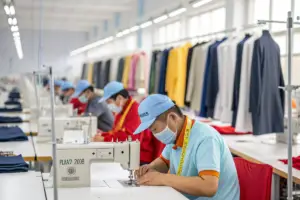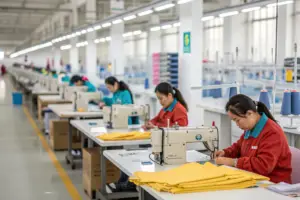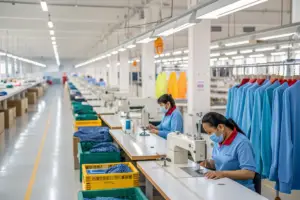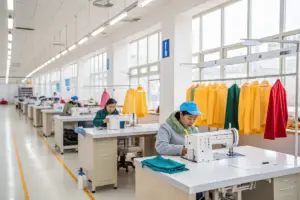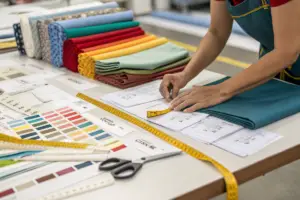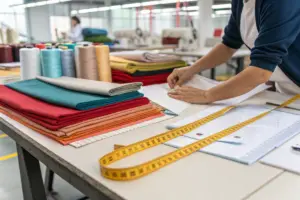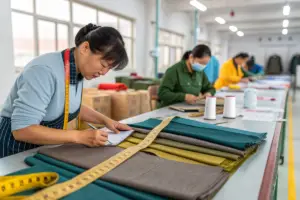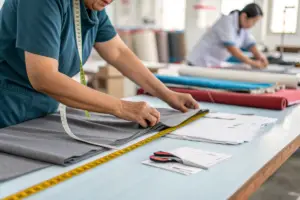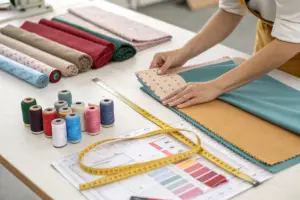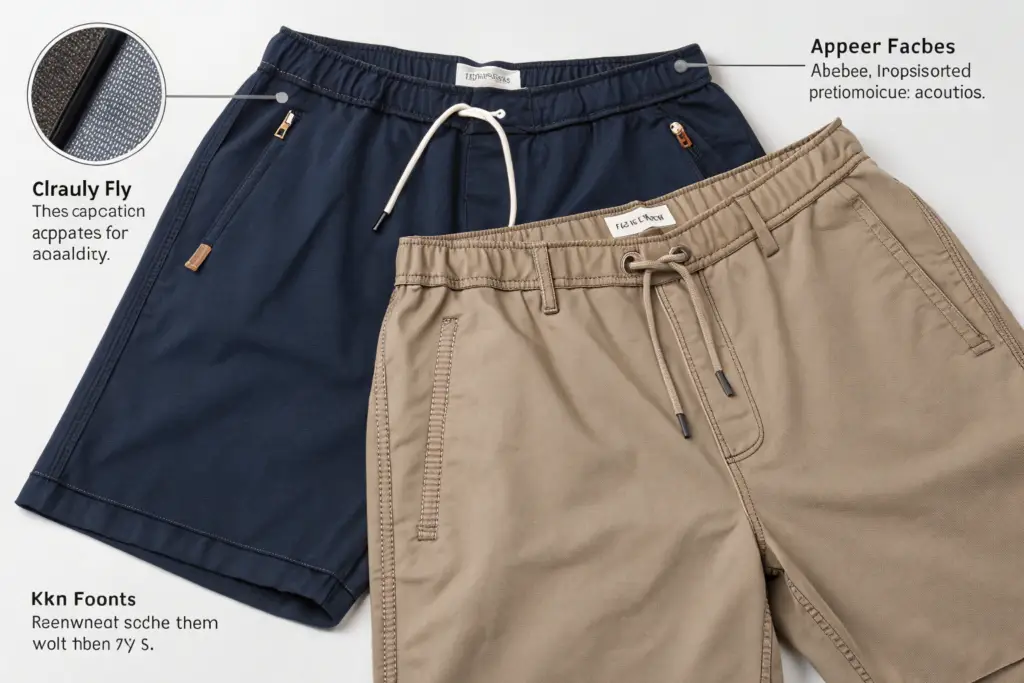
A few months ago, I spent an evening scrolling through the largest online forums where independent brand owners and small to mid-size apparel companies discuss sourcing. I was looking for patterns, not posts. What I found was striking. The single most discussed product category, measured by the number of active threads, the number of replies per thread, and the intensity of the language used, was not the trendy, fashion-forward category I had expected. It was classic shorts. Basic, flat-front chino shorts. Thread after thread of brand owners sharing horror stories about zipper failures, asking for recommendations for factories that could handle a contoured waistband, and debating the merits of different fabric weights. The classic short, the most basic of basics, was generating more conversation than any other garment.
Classic shorts are the most discussed basic item in apparel sourcing forums because they occupy a unique position as a deceptively complex garment that appears simple to the inexperienced buyer but is, in reality, a high-stakes category where quality failures, particularly in the zipper fly, the waistband construction, and the fabric finishing, are both extremely common and highly visible to the end consumer, creating a gap between the buyer's expectation of simplicity and the manufacturing reality of precision that generates a constant stream of frustrated questions, urgent problem-solving, and supplier recommendations.
At Shanghai Fumao, I have seen this dynamic play out for years. The buyers who come to me from these forums are often at the end of a frustrating journey. They have tried the cheapest supplier, received a shipment of shorts with twisted side seams and zippers that jam, and are now looking for a factory that understands the construction of a classic short as deeply as they understand their own brand. Let me walk you through why this humble garment is at the center of so much conversation.
Why Is the Classic Short a "Simple Garment" That Frequently Fails Quality Control?
The classic short is deceptive. It looks simple. A waistband, a zipper, two side pockets, and two legs. The inexperienced buyer looks at a photograph of a chino short and thinks, "How complicated can it be?" This perception of simplicity is the root cause of many sourcing failures. The buyer approaches the category with the assumption that any factory can produce a decent short, and they select the factory that offers the lowest price. The result, in a large percentage of cases, is a shipment of shorts that fails in one of several predictable ways.
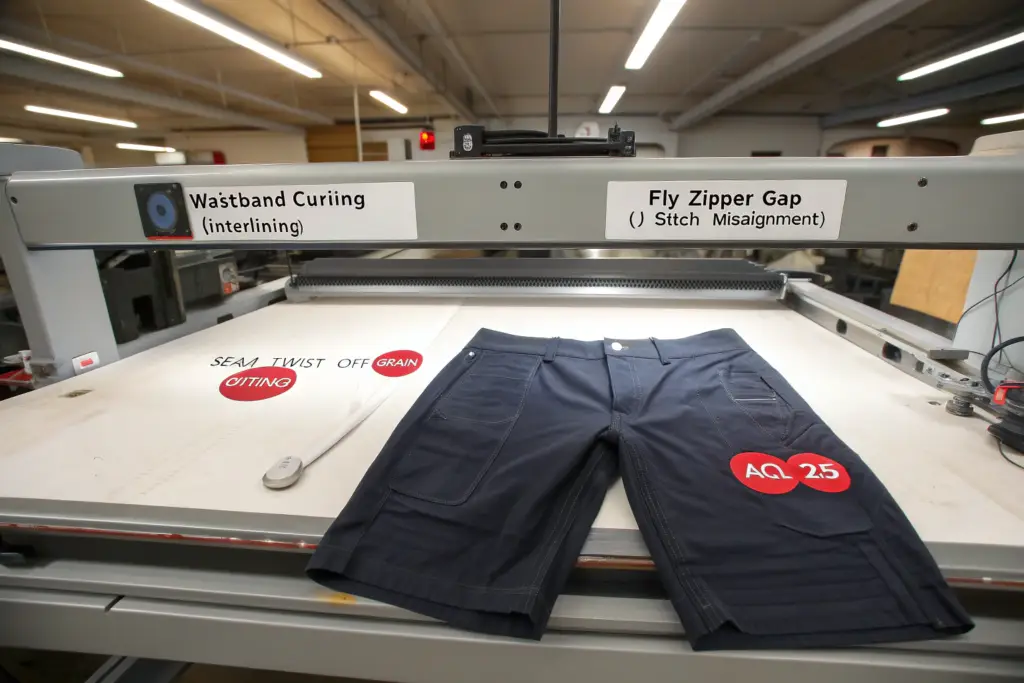
The classic short is a frequent source of quality control failures despite its simple appearance because it contains several technically demanding construction elements that are not visible in a photograph or a flat lay, including the zipper fly, which requires precise J-stitch alignment and a locking slider mechanism to prevent the common "gap and slip" failure, the waistband, which must be cut on a curve and fused with a quality interlining to prevent the curling and bubbling that appears after washing, and the fabric cutting, which must account for the grain line and the torque of the twill weave to prevent the side seams from twisting to the front of the leg after laundering.
What Are the Most Common Zipper and Waistband Failures Discussed?
The two most frequent topics in sourcing forum complaint threads are the zipper and the waistband. The zipper failure is the most catastrophic because it renders the short unwearable. The most common zipper complaint is the "gap and slip," where the zipper slider spontaneously slides down during wear, leaving the fly open. This is caused by a non-locking slider mechanism. A secondary complaint is the "wavy J-stitch," where the visible topstitching around the fly is crooked or uneven, a sign of rushed sewing or poor quality control.
The waistband failure is less catastrophic but more insidious because it appears after several washes. The customer wears and washes the shorts a few times, and the waistband begins to curl over at the top edge, or develops bubbles where the interlining has delaminated from the shell fabric. This is caused by a cheap, non-woven, papery fusible interlining instead of a quality woven fusible. The buyer who selected the low-cost factory discovers this failure only months later, through a wave of customer returns. This common garment construction defects in woven bottoms explains the technical causes of these failures.
Why Does Fabric Shrinkage Generate So Many Sourcing Questions?
Fabric shrinkage is the silent killer of a classic shorts brand. The shorts arrive in the warehouse. They measure correctly against the specification. The customer buys them, washes them once, and the shorts no longer fit. The waistband has shrunk an inch. The inseam has shrunk half an inch. The customer returns them, angry.
The cause is inadequate fabric preparation at the mill. The cotton twill fabric was not properly pre-shrunk, or the factory did not test the fabric for shrinkage before cutting, or the pattern did not include the correct shrinkage allowance. The buyer who is new to sourcing discovers this problem only after their first container arrives. They turn to the forums, desperate for advice on how to specify shrinkage standards, how to test fabric, and how to find a factory that understands dimensional stability. The volume of these posts is a testament to how many buyers have been burned by this issue. This fabric shrinkage and dimensional stability in garment production provides the technical background.
How Does the High Demand for Versatility Drive Detailed Technical Discussions?
The classic short is not a single-use garment. The consumer expects to wear it in multiple contexts, to the office on a casual Friday, to a round of golf, to a weekend barbecue, and on a summer vacation. This versatility places a heavy burden on the fabric, the fit, and the construction. The short must be comfortable enough for a hot day, but structured enough to look appropriate with a polo shirt and leather loafers. It must be durable enough to survive repeated washing, but soft enough to feel pleasant against the skin. This versatility requirement generates endless technical debate on sourcing forums.
The high demand for versatility in classic shorts drives detailed technical discussions on sourcing forums because the "one short for all occasions" requirement forces buyers to grapple with complex trade-offs between competing performance characteristics, such as the balance between fabric weight and breathability, the balance between a tailored, structured fit and the comfort and ease of movement required for active wear, and the balance between a crisp, formal appearance and the soft, broken-in hand feel that the consumer expects, with each of these trade-offs requiring specific, technical specifications that the inexperienced buyer struggles to define and the experienced forum members debate at length.
What Are the Most Debated Fabric Weight and Composition Trade-Offs?
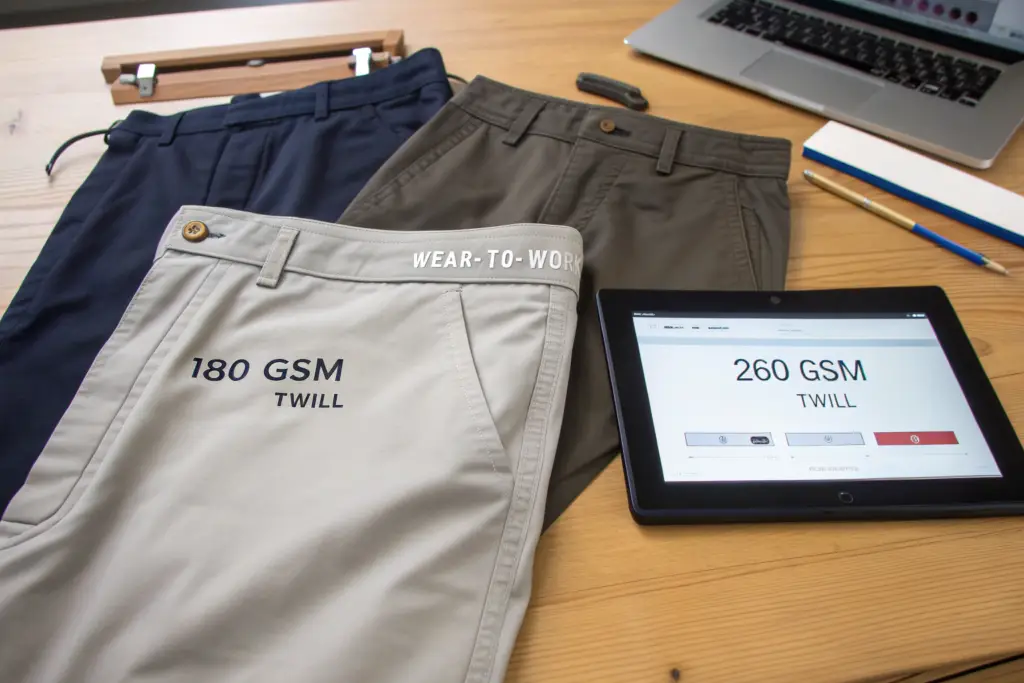
The fabric weight debate is one of the most common and most passionate discussions on sourcing forums. The question is deceptively simple: "What is the best GSM for classic chino shorts?" The answers range from 180 GSM, favored by those who prioritize lightweight, breathable comfort for hot climates, to 280 GSM, favored by those who prioritize structure, durability, and a tailored drape.
The debate extends to fiber composition. The purists argue for 100% cotton, citing its natural feel, its breathability, and its authentic character. The pragmatists argue for a cotton-elastane blend, citing the comfort stretch and the shape recovery. The performance-focused argue for a cotton-polyester blend, citing wrinkle resistance and durability. Each position has merit, and the correct answer depends on the brand's target customer and use case. The volume of this debate reflects the fact that there is no single correct answer, and the buyer must understand the trade-offs to make an informed decision. This fabric weight guide for woven cotton shorts provides a technical overview, though it focuses on denim, the principles apply to all woven fabrics.
Why Is the "Professional Yet Comfortable" Fit the Holy Grail of Sourcing?
The fit of the classic short is the subject of more forum threads than any other single topic. The buyer is searching for the "holy grail," a fit that is tailored and professional enough to wear in a business-casual setting, yet comfortable and unrestrictive enough to wear on a hot day, on a long flight, or during a round of golf.
Achieving this balance requires specific pattern engineering. The rise must be high enough to stay tucked in, but not so high that it feels restrictive. The thigh must be roomy enough for comfort, but not so roomy that it looks baggy. The leg opening must be wide enough to drape cleanly, but not so wide that it looks dated. The search for this perfect balance, and the sharing of specific factory recommendations that can achieve it, is the engine that drives a significant portion of the forum activity around classic shorts. This men's shorts fit guide and measurement specifications provides a detailed reference for the fit points that are most discussed.
How Do Minimum Order Quantity Issues Make This the Defining Factory Test?
The final reason classic shorts dominate sourcing forum discussions is the minimum order quantity problem. The classic short is often the first product that a new brand develops, or the core product that a small brand uses to test a new factory. The brand needs a relatively small initial order, perhaps 200 to 500 units, to test the market and the factory. But the fabric mill has a minimum order quantity of 1,000 meters or more for a custom color. This gap between the brand's need and the mill's requirement creates a constant source of friction, negotiation, and forum discussion.
Classic shorts are the defining product for minimum order quantity discussions because they are simultaneously the most common entry-level product for new brands with limited capital and a product that requires a specific, often custom, fabric that is subject to high mill minimums, creating a structural tension that forces every new buyer to navigate the same difficult negotiation and that generates a constant stream of forum posts seeking advice on how to find a factory that can bridge the MOQ gap.
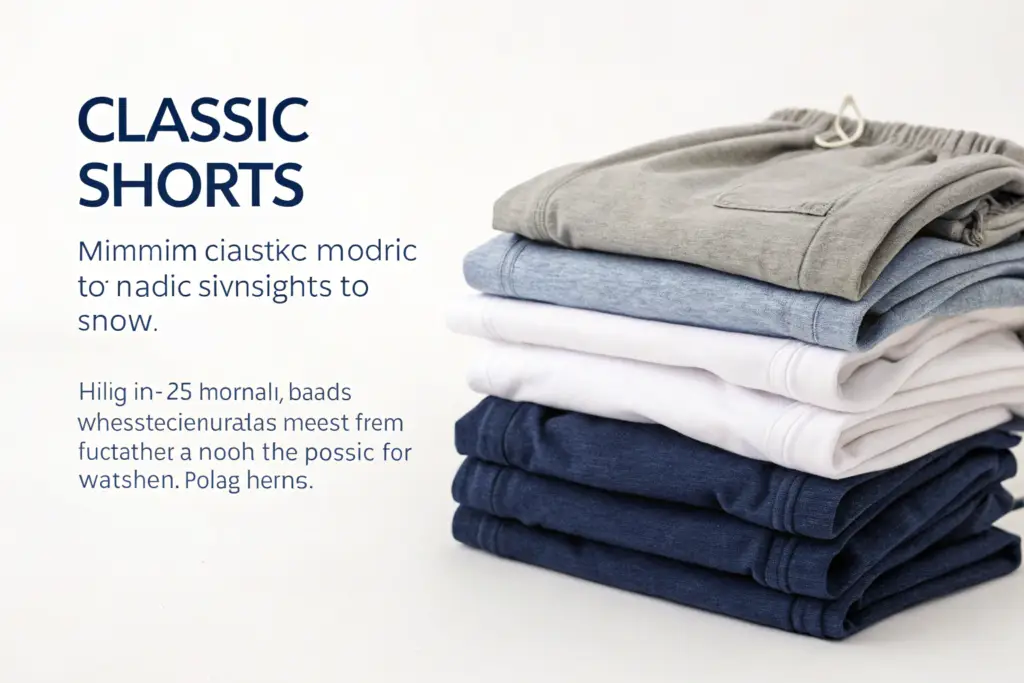
Why Is Greige Fabric Reservation a Common Solution Discussed?
Greige fabric, also spelled gray fabric, is unfinished, un-dyed fabric straight from the loom. One common solution to the MOQ problem, frequently discussed and debated on forums, is for the factory to hold a stock of greige fabric that can be dyed in smaller batches for different clients.
The buyer places an order for 300 pairs of classic shorts in a specific khaki color. The factory has a stock of greige cotton twill in the correct weight and construction. The factory sends a small batch of the greige fabric to the dye house to be dyed to the buyer's specification. This approach satisfies the buyer's need for a custom color at a low MOQ, because the dye house minimum is lower than the mill minimum. The buyer pays a small premium for the dyeing service, but the overall project becomes viable. This greige fabric inventory and low MOQ apparel production strategy is a hallmark of factories that serve small and mid-size brands.
A shared production run is another solution that generates significant forum discussion. The factory produces a standard classic short silhouette using a stock fabric, and multiple small brands place orders for the same short, differentiated only by their individual branding, labels, and packaging.
This is essentially an ODM model applied to a core basic. The brand does not get a proprietary design, but it gets a quality product at a low MOQ, often as low as 100 units per color. The factory's production run is large enough to be efficient, and the brand's MOQ is low enough to be manageable. The forums are filled with buyers seeking recommendations for factories that offer this type of program, and with factories promoting their shared production capabilities. This shared production and group ordering for small apparel brands explains the model in more detail.
Conclusion
Classic shorts are the most discussed basic item in apparel sourcing forums because they are the perfect storm of sourcing challenges. They appear simple to the inexperienced buyer, leading to a low barrier to entry and a high rate of quality failure. They require a technically demanding construction, the zipper fly, the contoured waistband, the fabric grain alignment, that separates skilled factories from unskilled ones. They must balance a set of competing performance requirements, versatility, comfort, structure, and durability, that generate endless technical debate. And they sit at the intersection of the small brand's need for low minimums and the fabric mill's requirement for high minimums, creating a negotiation challenge that every new buyer must navigate.
The forums are where this collective experience is shared, debated, and archived. The frustrated buyer who just received a shipment of shorts with twisted seams turns to the forums for answers. The experienced buyer who has found a factory that consistently delivers quality shares their recommendation. The discussion is constant because the challenges are constant. The classic short is not going anywhere, and neither is the conversation about how to source it correctly.
At Shanghai Fumao, I have seen every one of these challenges play out. I have manufactured shorts for brands that came to me after being burned by a low-cost factory. I understand the construction, the fabric, and the MOQ challenges that drive the forum discussions. If you are a brand owner who is tired of reading horror stories and is ready to work with a factory that understands classic shorts at the level of detail you need, contact our Business Director, Elaine, at elaine@fumaoclothing.com. Let's move your question from the forum to a production order.