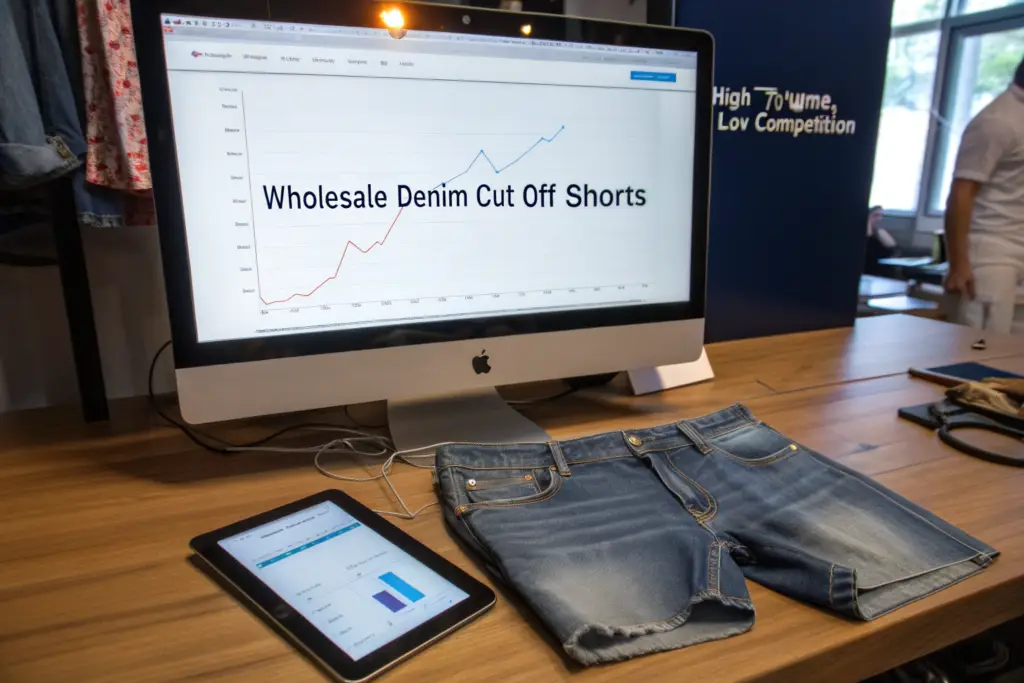
About seven years ago, I almost stopped offering denim cut-offs. A young brand owner had told me, with complete confidence, that the denim cut-off was dead. "It is all about the tailored chino now," he said. "Nobody wants frayed edges anymore." I looked at our production order book. The denim cut-off orders were not declining. They were stable. I looked at the Google Trends data. The search volume for "denim cut off shorts" was not spiking like a fad, but it was also not declining. It was a steady, reliable plateau. I told the brand owner that he was confusing his personal aesthetic preference with market demand. The denim cut-off was not dead. It had simply stopped being a trend. It had become a staple. He ignored my advice, dropped the cut-off from his line, and lost a significant portion of his summer revenue. The denim cut-off, unglamorous as it is, continues to sell, year after year.
Classic denim cut-off shorts continue to generate significant, stable high-volume search traffic for wholesalers because they have transitioned from a trend-driven fashion item to a permanent, seasonal staple in the American casual wardrobe, driven by a consistent base of consumer demand that is immune to the cycle of fashion trends, their universal cross-demographic appeal that spans age, gender, and region, and their uniquely efficient manufacturing economics that make them a high-margin, low-risk replenishment item for retailers and wholesalers alike.
At Shanghai Fumao, I manufacture denim cut-offs for brands and wholesalers who understand that the most profitable products are often the least exciting. The denim cut-off will never be the star of a fashion editorial. It will never generate buzz on social media. It will quietly, reliably, and profitably sell through every single summer, generating margin for the brands and retailers that stock it. Let me walk you through the data, the demographics, and the economics that make this humble garment a wholesale workhorse.
What Does the Search Volume Data Actually Say About Denim Cut-Offs?
The first question a wholesaler should ask about any product category is not "Do I like it?" but "Are people searching for it?" The search volume data for denim cut-offs provides a clear, unambiguous answer. People are searching for it. Millions of times every year. The search pattern is seasonal, predictable, and remarkably stable, indicating a mature, permanent market, not a fleeting trend.
The Google Trends and keyword research data for "denim cut off shorts" reveals a mature, stable search market with a predictable seasonal pattern of summer spikes and winter troughs that repeats year after year with minimal variation, a diverse set of high-intent, transactional search queries including "wholesale denim cut offs," "bulk denim shorts," and "denim cut offs for sale," and a geographic concentration of search volume in the major population centers and warm-weather states of the US, indicating that the product is a deeply embedded staple of the American summer wardrobe rather than a fashion trend subject to the volatility of the trend cycle.

How Does the Seasonal Search Pattern Differ from a Trend-Driven Pattern?
A trend-driven product shows a sharp, hockey-stick spike in search volume, often triggered by a celebrity sighting or a viral social media moment, followed by a steep decline. The spike is dramatic. The decline is equally dramatic. The product is hot, and then it is not. A permanent category, by contrast, shows a regular, predictable seasonal pattern. The search volume rises in the spring, peaks in the early summer, and declines in the fall. The same pattern repeats the following year, with the peak volumes stable or slightly growing.
The search pattern for "denim cut off shorts" is the latter. It looks like the search pattern for "chino shorts" or "khaki shorts," not like the pattern for a trend item. The peaks are not as high as a viral trend, but the valleys are not as deep, and the long-term trend line is flat to slightly positive. This is the signature of a permanent category. The consumers who search for denim cut-offs this summer will search for them again next summer. The demand is reliable. This Google Trends for seasonal demand forecasting in wholesale explains how to interpret search data for inventory planning.
What Are the Highest-Volume Transactional Keywords in This Category?
The keyword data reveals not just the volume of search, but the intent of the searcher. Informational queries like "how to style denim cut offs" indicate a browser, someone who is gathering ideas but is not yet ready to purchase. Transactional queries like "buy denim cut offs in bulk," "wholesale denim shorts supplier," and "denim cut off shorts wholesale price" indicate a buyer, someone who is actively looking to make a purchase.
The keyword data for denim cut-offs shows a healthy proportion of transactional, high-intent queries. Wholesalers and retailers are searching for suppliers. They are ready to buy. A wholesaler whose website or platform listing is optimized for these transactional keywords is positioned to capture this high-intent demand directly. This B2B keyword research for wholesale and e-commerce provides a framework for identifying and targeting transactional search queries.
Why Does the Denim Cut-Off Appeal Across Demographics and Genders?
The denim cut-off is one of the few garments that genuinely transcends demographic boundaries. It is worn by teenagers at music festivals and by grandparents at backyard barbecues. It is worn by men and women across the gender spectrum. It is worn in every region of the United States, from the beaches of California to the lakes of Minnesota to the streets of New York City. This universality is rare and valuable. It means the addressable market for the denim cut-off is not a niche. It is virtually the entire population of warm-weather-wearing Americans.
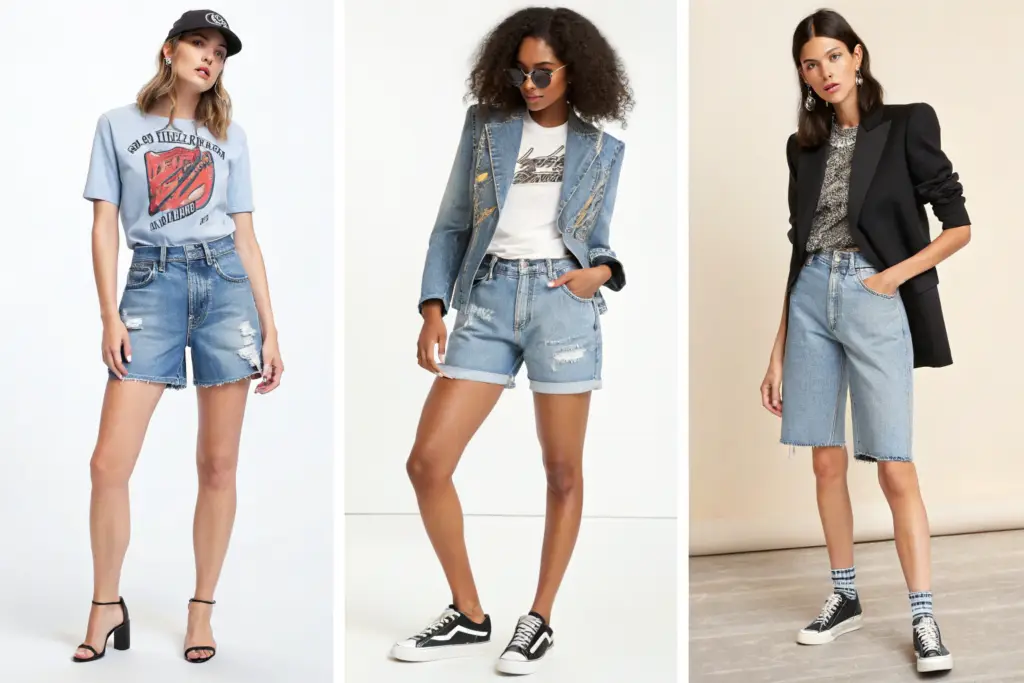
The denim cut-off achieves broad cross-demographic appeal because it is a culturally neutral garment that carries no specific age, class, or regional associations, functioning as a simple, utilitarian summer staple that can be styled up or down, dressed up with a blazer and heels for a contemporary look, or kept raw with a vintage band tee and sneakers for a youthful, rebellious look, allowing each demographic segment to adapt the same basic product to their own aesthetic and identity.
How Does the Same Product Serve Different Age Groups?
The teenager wears the denim cut-off as a symbol of youthful rebellion and casual freedom. The short is often heavily distressed, with a raw, frayed hem and a relaxed fit. The styling is grungy and effortless. The thirty-something millennial wears the denim cut-off as a nostalgic reminder of their own youth, but with a more polished styling. The hem is still raw, but the fit is more tailored, and the short is paired with a silk camisole and a leather sandal rather than a band tee and combat boots.
The fifty-something Gen Xer wears the denim cut-off as a comfortable, familiar summer staple. The short is less distressed, the fit is more relaxed, and the styling is classic and understated. The same basic product, the denim cut-off, adapts to each age group because the consumer adapts the styling and the context to their own life and identity. This adaptability is the foundation of the product's universal appeal. This fashion and consumer identity across age demographics explains how the same garment can serve different consumer segments.
Why Is the Denim Cut-Off a Unisex Staple?
Denim itself is a gender-neutral fabric. It was originally workwear for male laborers in the nineteenth century. It was adopted by women in the mid-twentieth century as a symbol of casual, androgynous style. The denim cut-off inherits this gender neutrality. The basic short, a rigid or slightly stretchy denim with a raw hem, has no inherently masculine or feminine characteristics.
The same short can be marketed to men and women with different styling, different fits, and different marketing imagery, but the core product remains essentially the same. This unisex characteristic expands the addressable market even further and simplifies inventory for the wholesaler. This unisex and gender-neutral fashion trends in retail explains the commercial significance of gender-neutral products.
What Are the Manufacturing and Sourcing Economics of Denim Cut-Offs?
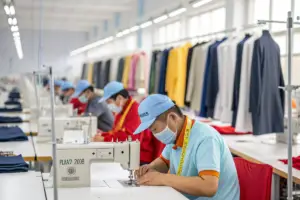
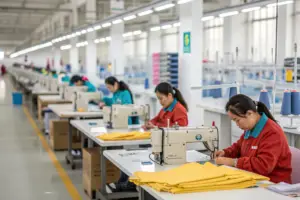
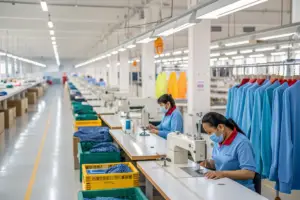
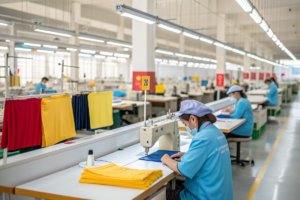
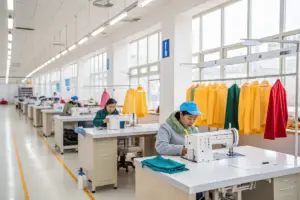
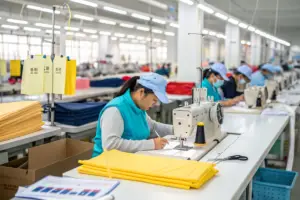
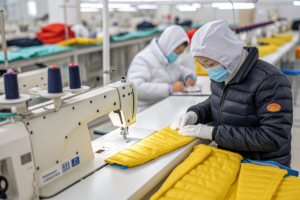
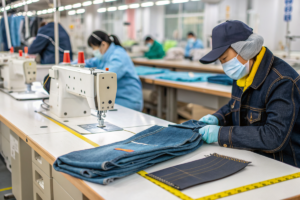
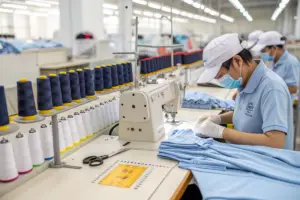
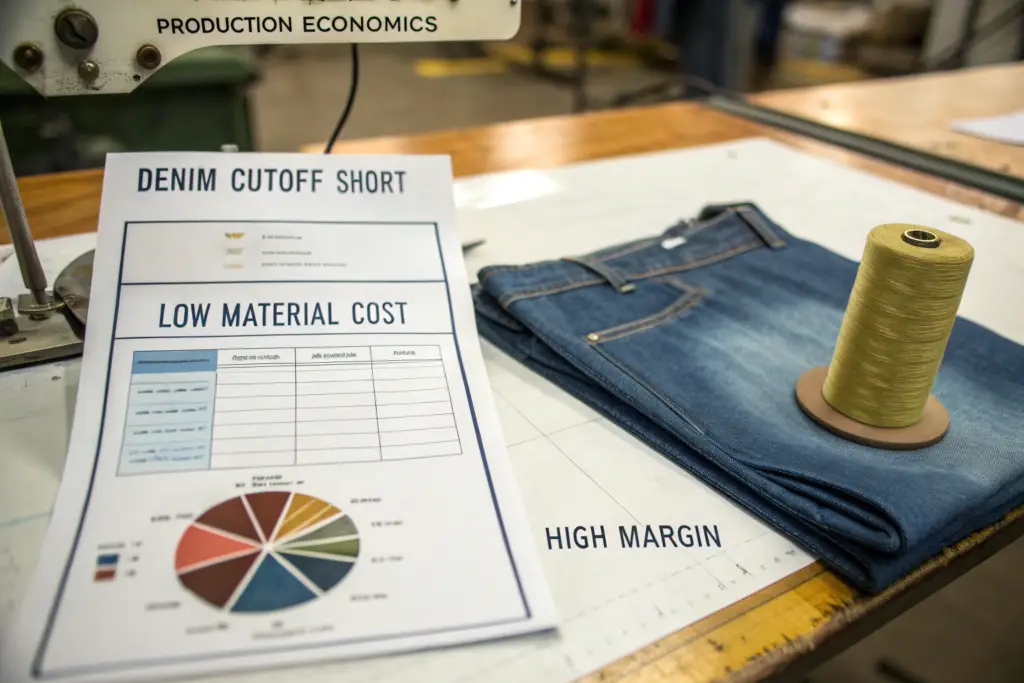
One of the reasons the denim cut-off is such a reliable profit generator for wholesalers is that it is a relatively simple and inexpensive garment to manufacture. The construction is less complex than a tailored chino short. There is no zipper fly. There is no structured waistband. There are no cargo pockets or pleats. The denim cut-off is, at its core, a simple, five-pocket construction with a raw hem. This simplicity translates into lower manufacturing costs, faster production times, and higher margins.
The manufacturing economics of denim cut-off shorts are highly favorable for wholesale because the garment's simple construction, typically a basic five-pocket design with a raw or frayed hem that eliminates the need for hemming and finishing, results in lower direct labor costs and faster production throughput than more complex shorts, while the raw material cost of standard denim is competitive and predictable, allowing the wholesaler to offer a product with a strong perceived value to the retailer at a cost that generates a healthy margin for both parties.
Why Is the Construction Less Complex Than a Chino or Cargo Short?
A classic chino short requires a zipper fly, a structured waistband with interlining, slanted side pockets, and welt back pockets. Each of these components requires skilled labor and multiple sewing operations. A cargo short adds the complexity of the cargo pockets, with their flaps, buttons, and bartacks. A denim cut-off, by contrast, is constructed from denim, a sturdy fabric that is forgiving to sew. The design is the classic five-pocket jean construction, with a button fly or a simple zip fly, patch pockets on the front and back, and a raw, unhemmed leg opening.
The raw hem eliminates the hemming operation entirely. The absence of a structured waistband simplifies that component. The overall construction is simpler, faster, and less labor-intensive than a tailored short. This lower complexity translates into a lower FOB cost per unit, which directly improves the wholesaler's margin. This denim garment manufacturing process and costs explains the production steps and their cost implications.
How Does the Wash Process Contribute to the Perceived Value?
The wash is what gives a denim cut-off its character. A raw, unwashed denim short is stiff and dark. A beautifully washed denim short, with a light stone wash, some subtle whiskering, and a soft, broken-in hand feel, looks and feels like a vintage garment. The wash adds significant perceived value to the consumer, but it does not add significant cost to the manufacturer.
The wash process is a batch process. A large quantity of shorts is washed together in an industrial washing machine with pumice stones or enzymes. The cost per unit for the wash is relatively low. But the visual and tactile transformation of the garment is dramatic. A denim cut-off that costs $8.00 FOB in a basic wash can retail for $68.00, because the wash gives it the look and feel of a premium, vintage-inspired product. This denim washing techniques and their impact on value explains how the wash process adds perceived value.
Conclusion
Classic denim cut-offs continue to generate high-volume search traffic for wholesalers because they are not a fashion trend. They are a permanent, stable category in the American casual wardrobe. The search data shows a predictable, seasonal pattern with no long-term decline. The consumer demographic is universal, spanning age, gender, and region. The manufacturing economics are favorable, with a simple construction and a value-adding wash process that supports strong margins.
The denim cut-off will never be the most exciting product in a wholesale catalog. It will never be the star of a fashion show or the subject of a viral social media moment. It will simply continue to sell, season after season, year after year, generating predictable, reliable revenue for the wholesalers who stock it. The brands and wholesalers who understand this, who treat the denim cut-off as a core replenishment item rather than a seasonal novelty, are the ones who capture its full profit potential.
At Shanghai Fumao, I manufacture denim cut-offs for brands and wholesalers who value the reliability and the margin of this staple category. If you are looking to add a proven, high-volume product to your wholesale line, contact our Business Director, Elaine, at elaine@fumaoclothing.com. Let's discuss how a well-made denim cut-off can anchor your summer assortment.