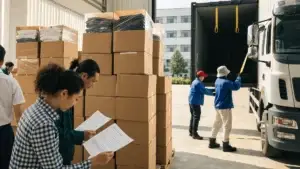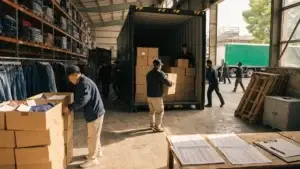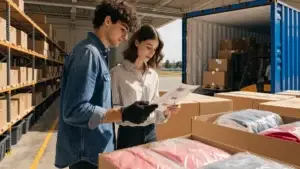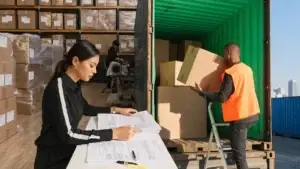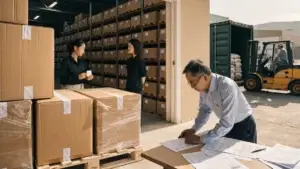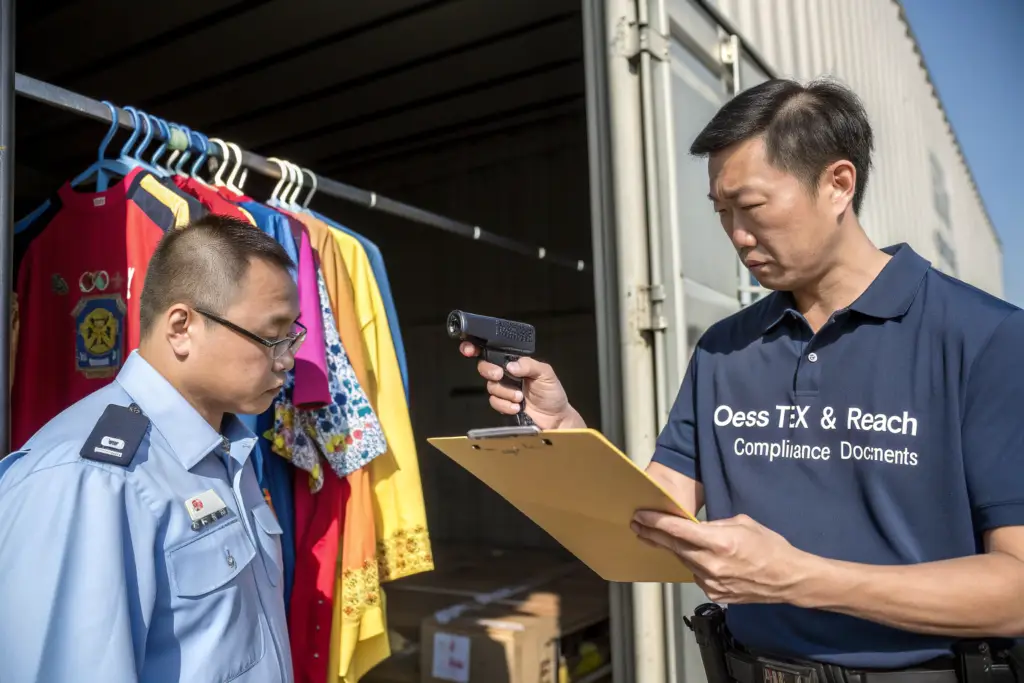
Eighteen months ago, a distributor in Hamburg called me in a state of sheer panic. A shipment of 3,000 designer jackets from a rival factory had just been seized by German customs at the port of Bremerhaven. The reason? The zippers had tested positive for nickel release above the 0.5 µg/cm²/week limit mandated by the EU REACH regulation. The entire container was quarantined. The distributor faced two choices: re-export the goods to a non-EU country at a total financial loss, or pay for the entire shipment to be destroyed under official supervision. The factory that made them had provided a certificate—a vague, expired piece of paper that held no legal water. This wasn't a logistics failure. It was a documentary failure that broke a company. In Europe, the certification is the product. Without it, you are importing illegal waste.
Authentic industry certifications are absolutely mandatory for European wholesale apparel imports because EU customs authorities enforce strict Regulation (EC) No 1907/2006 (REACH) on chemicals and physical safety standards (EN 14682 for children’s drawstrings, for instance), and without a valid, verifiable test report from an accredited lab like Intertek, SGS, or TÜV Rheinland that is linked directly to the specific production batch, your goods face mandatory border detention, fines exceeding €50,000, and a permanent record that flags your brand for future inspections.
You are not merely selling clothes to European retailers. You are selling legal liability insurance. The buyers at those wholesale chains—Zalando, ASOS, El Corte Inglés—their first question won't be about your price per unit. It will be "Send me your third-party chemical test report." If you hesitate for even ten seconds, they hang up. At Shanghai Fumao, we have shipped thousands of units into the EU single market, and I know the exact language the German and French customs computers look for.
What Are the Mandatory EU Certifications for Imported Children’s Clothing?
A UK-based buyer I work with once told me a story that keeps me up at night, even though it wasn't my shipment. He had imported a line of cute, animal-themed baby onesies. The eyes of the animals were small, shiny beads sewn onto the chest. They passed the "visual inspection" of a trading company he used. But a 9-month-old's developing motor skills are stronger than people think. One bead detached during the first wash at a customer's home. The mother reported it. An investigation found the factory had used standard cotton thread, not a bonded nylon locking thread. The EU has zero tolerance for this. The standard isn't just a suggestion; it's a strict criminal liability code.
For imported children’s clothing into the EU, the mandatory physical safety certification is EN 71-1 for mechanical and physical properties, which strictly controls small parts, sharp edges, and drawstring lengths, followed by the chemical safety certification EN 71-3 for migration of certain elements like lead and cadmium, which tests the limits of heavy metals that can leach out if a child puts the fabric in their mouth.
I won't allow a single children's sample to leave my sewing floor without documented proof of these specific tests. The European system classifies every component, not just the main fabric, as a liability item.
How Does EN 14682 Stop Drawstrings From Causing Accidental Harm?
| This is the most fiercely enforced regulation for children's hoodies and outerwear. Following a tragic history of playground accidents, the EU mandated that functional cords and drawstrings have specific limits based on age group. | Age Group | Head/Neck/Hood Area | Chest/Waist Area |
|---|---|---|---|
| 0–7 Years (Up to 134cm) | Functional drawstrings are completely forbidden. Decorative only, with no free ends. | Drawstrings must not hang below the hem. No toggles allowed. | |
| 7–14 Years (134–182cm) | No drawstrings with free ends. Can only have a stitched-in elastic loop. | Maximum 14cm length hanging outside the garment when unstretched. |
I sat down with a Swedish brand owner last year and physically measured every drawstring on his boys' parka samples with a calibrated ruler during our pre-production meeting. We caught a 16cm waist drawstring and removed it instantly. Fixing that detail before production is what separates a compliant apparel manufacturer from a dangerous one.
What Heavy Metal Migration Limits Apply to Fabric Prints?
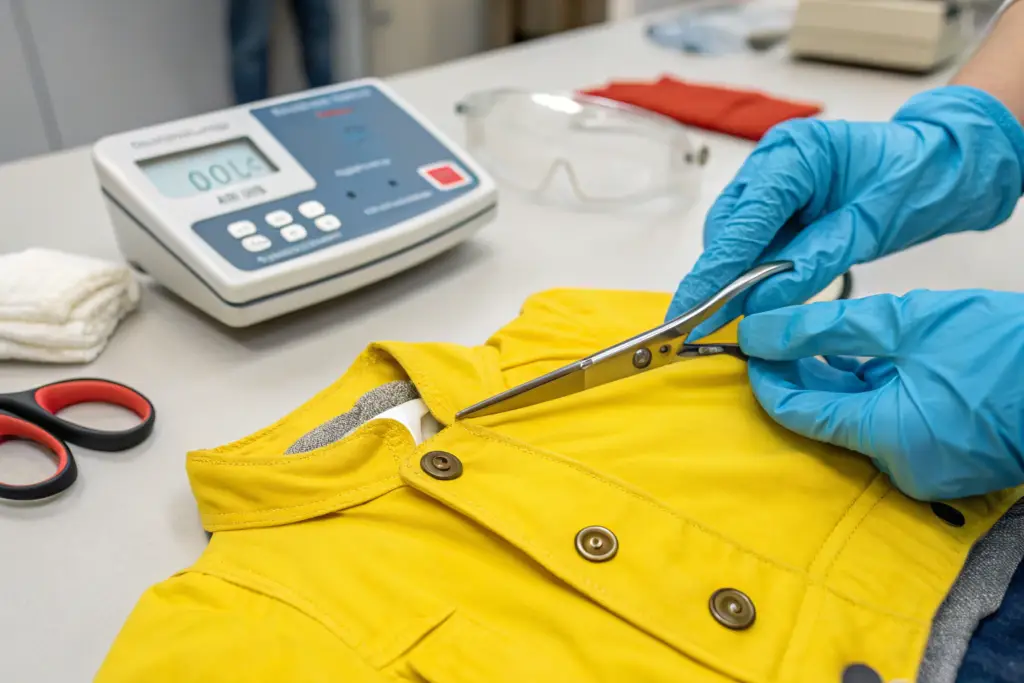
A lot of factories buy cheap plastisol prints from unlicensed screen-printing booths. The vibrant yellow or bright red print might contain cadmium or lead to boost the pigment opacity cost-effectively. Under EN 71-3, the migration limits are incredibly strict, measured in milligrams per kilogram (mg/kg). A child's sweat and saliva can leach these out. We use only phthalate-free water-based inks. But we don't just trust the ink supplier's word. We send random snipped samples from the cutting table to an external lab to test the migration of Barium to Chromium. The maximum allowed migration for Lead, according to the standard, is just 2.0 mg/kg for Category III materials (which includes scraped-off prints). For our own customizable logo clients producing wholesale kids' wear, we automatically bundle this test result with every packing list.
How Does an OEKO-TEX Certificate Substantially Reduce Import Clearance Risk?
I lost a massive French hypermarket contract in 2022, not because of bad quality, but because I was a week late getting them the right paperwork. They asked for a "certificate of confidence" at the shipment gate-in stage. My previous documentation team just sent the factory's generic OEKO-TEX stamp. French customs scanned it, realized the certificate number wasn't registered to the actual legal entity shipping the goods, and locked the container for a manual inspection. The demurrage fees piled up, the delivery window slammed shut, and the hypermarket cancelled the PO. The lesson cost me $23,000 in logistics penalties. A certificate isn't a decoration for your email signature. It is a digital key that opens the EU customs IT system.
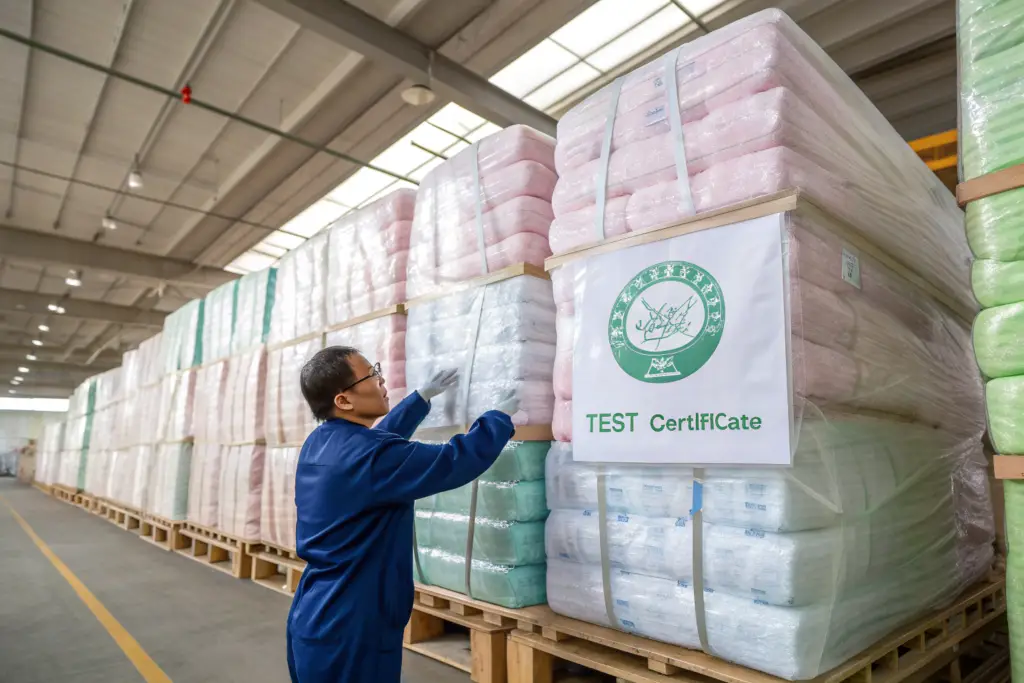
An OEKO-TEX Standard 100 certificate substantially reduces EU import clearance risk because its unique 7-digit license number validates instantly on the ZDHC gateway and European customs databases, confirming the textile product has been tested for harmful substances including azo dyes, formaldehyde, and pentachlorophenol (PCP) that are strictly banned under Annex XVII of REACH, allowing shipping documents to swiftly pass electronic pre-clearance verifications without triggering a physical inspection.
Customs doesn't read PDFs; their algorithms read metadata. If you want a fast clearance, your paperwork needs to match the rules of origin perfectly.
What Is the Difference Between OEKO-TEX Appendix 4 and Appendix 6?
This is the advanced certification nuance that 95% of brand owners have never even heard of, but it determines if your product is legally allowed to be labeled as "safe for baby contact." Many factories give you an OEKO-TEX cert that only covers "Appendix 4" items—i.e., commodity shirts for adults. But if you import anything for the nursery—swaddle blankets, sleep sacks, bodysuits with rubber grips—you need the product class "Appendix 6." This tests for a much longer list of restricted substances, including specific pesticides and heavy metals in the context of infant saliva exposure. I rejected a local dyeing house for a Milan client last quarter because their certification only covered Appendix 4, but the client's women’s wear line included nursing covers; the liability would have blown back entirely on the brand if a French consumer association ran a magazine test.
Can an Expired REACH SVHC Document Still Hold Up in Court?
Absolutely not. The Substances of Very High Concern (SVHC) list under REACH updates twice a year (typically June and December). A chemical that wasn't regulated when you shipped your Spring/Summer collection might be illegal by the time your Autumn/Winter stock arrives. A specific nonylphenol ethoxylate we used to see in certain finishing agents was added to the Candidate List in late 2023, effectively banning its future use in concentrated quantities. If a European wholesale buyer takes you to court for delivering goods without a current SVHC clearance letter, you won't just pay the refund. You'll pay for the recall logistics, the destruction fees, and the brand damage. We protect our partners by auto-updating all SVHC declarations for the latest published ECHA list before any garment batch ships. This is a moving target you need a dedicated specialist to track.
Can You Sell Branded Wholesale Apparel in Europe Without a GOTS Certificate?
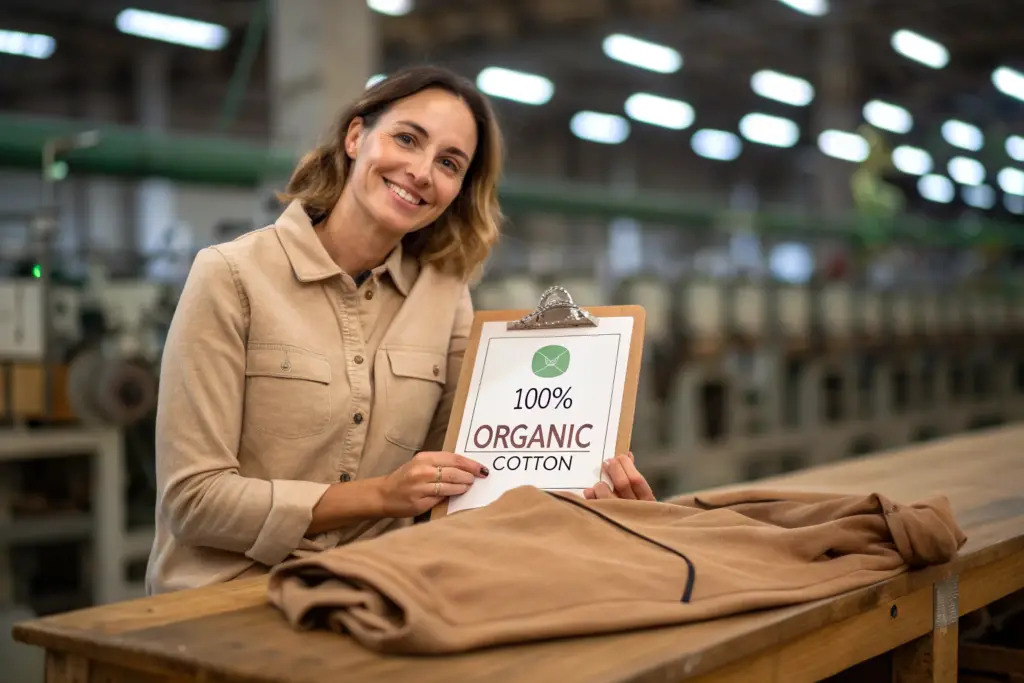
"This is organic cotton, trust me," said the salesman in a Guangzhou showroom to one of my long-term London partners. This blanket statement didn't hold up. The buyer was intelligent enough to ask for the Transaction Certificate (TC). The salesman went to the back office and came out with a photocopied piece of paper showing a GOTS logo on the letterhead of a company that didn't exist anymore. The London brand was about to pay a premium price for generic, pesticide-heavy Indian cotton that had simply been washed in "organic" fabric softener to feel nice. In the EU, the word "organic" on a textile is legally protected. You cannot just say it. You must prove the chain of custody from the farm to the garment using a registered certification body.
Technically, you can sell branded wholesale apparel in Europe without a GOTS certificate, but you are legally forbidden from using the words “organic,” “bio,” or “eco” in any marketing material, product description, or label, and if you falsely claim an organic origin, you violate EU Regulation 2018/848 on organic production and the Unfair Commercial Practices Directive, risking an immediate injunction from consumer protection agencies against your entire brand.
GOTS (Global Organic Textile Standard) isn't just about the fiber. It governs the sewage treatment plants of the dye houses, the social safety boots on the cutting room floor, and the approved list of detergents for the finishing wash. It is the most comprehensive certification.
Why Does a Transaction Certificate (TC) Matter More Than the Scope Certificate?
This is the number one forgery I see. A factory has a valid Scope Certificate (SC), proving they are allowed to handle GOTS organic fabric. But they also source non-organic "deadstock" cotton to mix in and inflate profits. The Transaction Certificate (TC) matches a specific batch of yarn to a specific batch of finished shirts. The supply chain formula is: Input Weight (Yarn) = Output Weight (Garments). If the numbers don't balance, the certification is void. I sit down with the specific certified handler for our fabric mills and verify the electronic TC on the Textile Exchange’s online database before we even cut the cloth. Without a matching TC, your "organic" hoodie is just a very expensive regular hoodie with a fake story.
Can You Use Recycled Polyester Certificates Instead of Organic Ones?
The European market is fragmenting into very specific silos. If you are selling to a brand that markets "vegan" or "ocean-bound" appeal, GOTS is irrelevant to them. What you need is the Global Recycled Standard (GRS). This also requires a %-exact input-output chain of custody. But there is a specific trick: if you market a shirt as 50% GOTS organic cotton and 50% GRS recycled polyester, you need BOTH certifications for that single SKU, and the ink and sewing thread must also be on the approved lists. At Shanghai Fumao, we advise our clients to use the GRS for polyester shells and GOTS for cotton Jerseys, but we logistically segregate the collections on separate sewing lines to avoid cross-contamination. This prevents a chemical spot-check from detecting a stray conventional cotton fiber mixed with the fold, which would nullify a full shipment's organic clothes certification.
How Do You Verify if a Certificate Is Fake Before Signing the Contract?
Six months ago, a supplier sent an Austrian brand a BSCI audit report scoring a perfect "A" for social compliance. The report had the correct logo, the correct layout, and was dated just three weeks prior. The factory's asking price was 8% lower than mine. The owner called me for advice before paying a "middlemen" percentage. I looked at the audit ID number. Then, I logged into the official BSCI platform portal (now Amfori BSCI). The audit ID didn't match any factory at that address. There was no audit. The certificate was a perfect graphic copy made using Photoshop. The cost of finding out at the border would have been a total loss of the deposit. This factory was simply harvesting deposits from Western brands before disappearing or shipping bricks.
To verify a certificate before signing a sourcing contract, you must bypass the PDF entirely and go straight to the certifying body's online verification portal—Amfori BSCI platform for social audits, OEKO-TEX label check for chemical safety, and Control Union or Ecocert database for GOTS/GRS—and ensure the legal entity name on the certificate perfectly matches the company name on your sales contract and bank beneficiary information.
This verification is the most important 10 minutes of your sourcing trip. If the factory hesitates or says the database is "offline," you must walk away.
Why Does the Address Discrepancy Reveal a Trading Company?
| A trading company often hijacks a factory's certificate. They change the name on the PDF header but leave the physical address of the underlying factory. I traced a "manufacturer" in Xiamen once; the certificate showed Zhaotong Plastics Co., Ltd. as the audit address, but the salesman said they produced cotton hoodies. The physical address was a plastic bag factory 200 miles away that knew nothing about the brand using their social audit. Here is our own internal checklist we share with clients for instant verifications: |
Verification Step | Action to Take | Red Flag |
|---|---|---|---|
| OEKO-TEX Label Check | Enter the 7-digit number at www.oeko-tex.com/label-check | "Number Not Found" or linked to a different company. | |
| GOTS Certificate | Scan the QR code on the Scope Certificate directly. | QR redirects to a generic homepage, not the official database entry. | |
| Amfori BSCI Audit | Log into the buyer platform and search by factory address. | A "remediated" report that lacks the auditor's signature photo. |
We perform this verification for our own raw materials suppliers, and we provide our brand buyers with the direct public links, not just printed pages. This open-book approach is why we compete with the cheapest clothing manufacturer pricelists and win on long-term trust.
Can a Laboratory Report Log Be Forged?
The actual paper from Intertek or SGS has a physical watermark and a specific grain. But digital logs are easier to fake. I caught a fake test report last winter because the lab report issued by "Intertek Shanghai" used a 10-digit report number, whereas Intertek had migrated to a new internal ERP in 2021 and all new Shanghai-issued reports now start with a specific 5-digit prefix followed by a dash. The forger had just copied the old format. To stop this, we now instruct our clients to call the lab's consumer verification hotline directly. Ask them: "Please confirm the test status on report number X." A recorded voice or an automated email reply from a genuine @intertek.com domain is the final, unassailable evidence.
Conclusion
The European wholesale apparel market isn't a single door; it's a series of locked, bulletproof, transparent security gates. You can have the most beautiful cut, the finest merino wool, and the fastest DDP logistics pipeline on the market. If you lack the specific, verifiable chemical fingerprint of a valid OEKO-TEX, GOTS, or REACH SVHC lab test, your shipment is cargo non grata. I've seen a single mislabelled kids' drawstring wipe out a season's profit in demurrage and destruction fees. I've watched an entire brand get permanently banned from Amazon Europe because a random spot-test found formaldehyde in their "organic" baby bibs.
The certification is not a tax on your business. It is your legal armor and your marketing foundation. When a Zalando or ASOS buyer asks for your documents, they aren't just checking a box. They are checking if you are a professional, long-term partner who will not expose them to a headline scandal. This is the architecture we serve at Shanghai Fumao. We don't just apply a stamp to the carton; we build the chemical compliance into the dye selection, the thread sourcing, and the button purchasing, long before your buyer asks for the first sample.
If you are making the move into European wholesale, you cannot afford a shortcut. The fines, the warehouse seizures, and the brand damage are far too catastrophic to risk on a fake PDF. I encourage you to reach out for a certification consultation before you even finalize your design sketches. A single wrong choice of plastisol ink or a mis-sourced zipper will cause pain down the line. For a straightforward conversation about your compliance roadmap, contact our Business Director, Elaine. She coordinates the lab schedules and can walk you through exactly which batch-level documents you'll need. You can reach her directly at: elaine@fumaoclothing.com. Let's lock down your supply chain so the only thing you have to worry about is selling out your first run.