Where Is the Best Place to Manufacture Clothing in 2026?
I have been in the apparel manufacturing business for over 15 years. I run a factory in China with five production lines. I have seen brands come and go. I have also watched many of them struggle with one question. Where should I manufacture my clothing in 2026? The answer is not as simple as it used to be. But I am here to tell you why China is still the best choice. I want to share what I have learned from working with American buyers like Ron. They care about quality, price, and reliability. They have tried factories in Vietnam, India, and Bangladesh. Many of them come back to China. The reason is simple. China offers the most complete package for garment manufacturing. The global apparel market is changing fast. New sourcing countries are emerging. But when you look closely, China still has advantages that are hard to beat. I see this every day in my own factory.
The best place to manufacture clothing in 2026 is still China. No other country can match its combination of supply chain depth, skilled labor, fabric variety, and shipping infrastructure. Vietnam and India are catching up. But they still lack the full package that China offers to American brands like yours. If you are a brand owner looking for quality, speed, and peace of mind, China is your best option. The supply chain is mature. The workers are experienced. And Chinese factories understand what international buyers need.
I know you have options. You can go to Vietnam for lower labor costs. You can try India for cotton. You can even look at Bangladesh for basic T-shirts. But if you care about quality, speed, and reliability, you need to look at the full picture. Let me break it down for you. I will cover the real costs, the certification requirements, and how to find a factory you can trust. By the end of this article, you will have a clear answer to the most important question in your business.
Why Should You Choose China for Apparel Manufacturing in 2026?
I talk to buyers like Ron all the time. They have the same problem. They want quality. They want fair prices. But most importantly, they want a supplier who delivers on time. China has built the largest apparel manufacturing ecosystem in the world. And that ecosystem matters more than labor costs alone. When you choose a manufacturing partner, you are not just paying for labor. You are paying for speed, reliability, and peace of mind.
China offers American brands the most complete garment manufacturing package in the world. From raw fabric mills to trim suppliers to experienced sewing operators, everything is within a few hours of each other. This means faster sampling, quicker production, and easier quality control. No other country has this level of integration.
Let me show you why the ecosystem matters so much for your business.
What Makes China’s Garment Industry Unique?
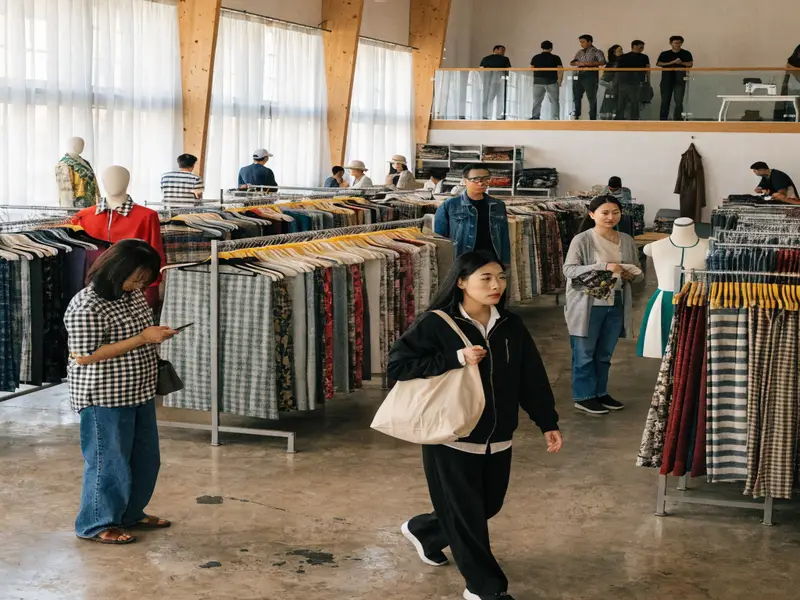
China has built something that no other country has replicated. The entire supply chain sits in one place. Fabric mills, button factories, zipper suppliers, dye houses, and packaging companies are all within driving distance. When I need a specific type of fabric for a client, I can visit three mills in one day. This is not possible in Vietnam or India. For an American brand, this means faster sampling and shorter lead times. It also means better quality control because we can check every step of the process. The speed of the supply chain is a huge advantage for brands that need to move fast. If you need a specific type of organic cotton or a rare blend of performance fabric, you can find it in China within days. In other countries, you might wait weeks for the same material. Learn more at Fibre2Fashion and Textile World.
How Does China Compare to Vietnam and India?
Vietnam offers lower labor costs. I will not argue with that. But Vietnam imports most of its fabric from China. This adds time and cost. It also limits the types of fabric you can use for your designs. India has great cotton and skilled workers. But its infrastructure is not as reliable. Power outages and port delays are common there. China offers the best balance of cost, speed, and quality. For a brand that needs consistent quality and on-time delivery, China is still the safer bet. The total cost of production in China is often very close to Vietnam when you factor in all the hidden expenses. I have personally visited factories in all three countries. Chinese factories offer the most reliable production environment for American brands. Read more at Just Style and check US trade data on apparel imports.
What Is the Real Cost of Manufacturing Clothing in China vs Vietnam?
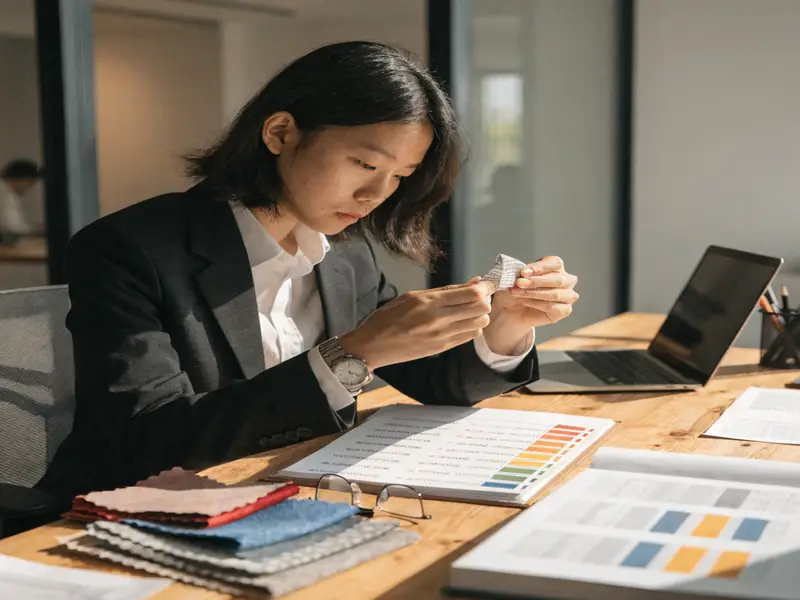
I get this question every week. Is Vietnam cheaper? The short answer is yes, for basic labor. But the real cost of manufacturing is not just about labor. I have seen too many brands chase the lowest labor cost and end up paying more in the long run. You have to look at the total cost of production from start to finish.
The total cost of manufacturing in China is often lower than Vietnam when you factor in fabric sourcing, shipping reliability, quality control, and communication. A cheaper labor rate does not mean a cheaper final product. Smart buyers look at the full picture before making a decision.
Let me show you a real cost comparison based on my experience producing for American brands.
| Cost Factor | China | Vietnam |
|---|---|---|
| Labor cost per hour | USD 3.50 - 5.00 | USD 2.00 - 3.00 |
| Fabric sourcing | Local mills, fast delivery | Mostly imported from China |
| Fabric cost impact | Baseline pricing | 10-15% higher due to import |
| Lead time for samples | 10-15 days | 20-30 days |
| Lead time for bulk | 30-60 days | 45-90 days |
| Quality consistency | High | Medium to High |
| English communication | Widely available | Limited |
| DDP shipping offered | Common | Less common |
Is Vietnam Really Cheaper Than China for Clothing Production?
Vietnam labor rates are about 30 percent lower than China. But here is what most buyers miss. Vietnam imports over 60 percent of its fabric from China. That fabric costs more after shipping and tariffs. And the fabric options are limited. You cannot get the same variety of fabrics in Vietnam as you can in China. At our factory, we offer competitive pricing because we source everything locally. When you add up the total cost including fabric, logistics, and communication overhead, China often comes out ahead. That is why many brands come back to China after trying Vietnam. I always tell buyers to calculate the total cost of production. Do not just look at the labor cost per hour. Look at the cost per finished garment delivered to your warehouse in the US. Compare sourcing costs at Sourcify and follow Fashion United for industry news.
What Hidden Costs Should You Watch Out For?
I have seen buyers get burned by hidden costs. Communication delays cost time. Poor fabric quality leads to returns. Missed deadlines mean missed seasons. A cheap factory that cannot communicate well will cost you more than a reliable one. That is why we invest in English-speaking account managers and strict quality control. We want you to see the full cost upfront. We also offer DDP shipping so you know exactly what you will pay. One of the biggest hidden costs is the time you spend managing the production process. If your factory does not speak English well, you will spend hours every week clarifying instructions and fixing mistakes. That time has a real cost. Visit Fumao Clothing to learn about our transparent pricing and review US CPSC safety standards for garment compliance.
How to Find a Reliable Clothing Manufacturer in China?

Finding a reliable factory in China is not as hard as people think. But you have to know what to look for. I have been on both sides of this table. I know what buyers need and what factories actually deliver. Let me help you avoid the common mistakes that cost brands time and money.
The best way to find a reliable clothing manufacturer in China is to verify their factory, request real samples, check their certifications, and start with a small trial order. Skip these steps and you risk delays, poor quality, or worse.
Here is the process I recommend to every new buyer who contacts us.
What Should You Look for in a Chinese Garment Factory?
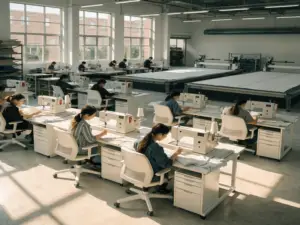
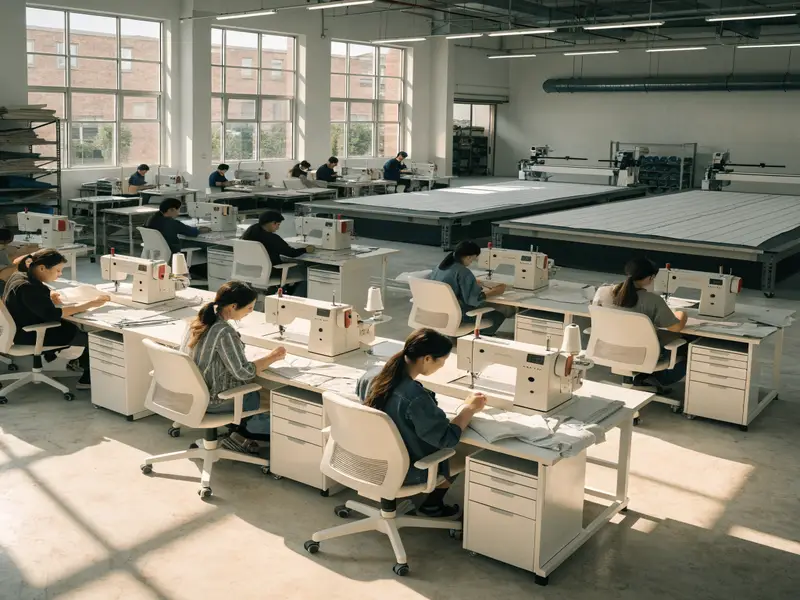
First, ask for a video tour of the factory. Any real factory will show you their production floor without hesitation. Second, check the equipment. Modern machines mean better quality and faster production. Third, look at their client list. A factory that works with American or European brands already understands your standards and expectations. At our factory, we have five production lines and we welcome video calls anytime. We want you to see exactly how we work. Transparency is the foundation of a good partnership. I always tell buyers to trust their instincts. If something feels wrong during the first conversation, it probably is. A good factory should be transparent, responsive, and willing to answer all your questions. Find potential suppliers on Alibaba and meet them in person at the Canton Fair.
How to Verify a Factory Before Placing an Order?
Start with a small sample order. This tells you everything about quality, communication, and speed. Then check their certifications. BSCI, OEKO-TEX, and SMETA are good signs of a professional operation. Finally, ask for references from current clients. A good factory will happily share them. At Fumao Clothing, we offer DDP shipping. This means we handle everything from production to delivery. You get the goods delivered to your door without worrying about customs or logistics. The sample order is the most important step. It tells you more about the factory than any certificate or website ever could. Pay attention to the small details in the sample. They tell you what to expect from mass production. Verify factory safety at OEKO-TEX and check amfori BSCI for social compliance.
What Quality Certifications Should Your Chinese Factory Have?
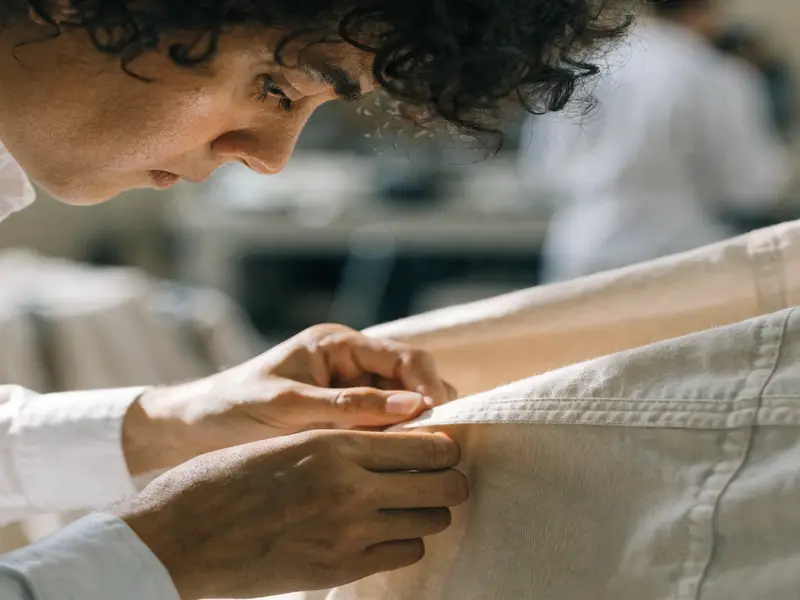
Certifications matter more than most buyers realize. They are not just pieces of paper. They show that a factory follows ethical practices, uses safe materials, and meets international standards. I keep our certifications current because they matter to our clients in the US and Europe. It builds trust and protects your brand reputation.
The most important certifications for a Chinese garment factory are BSCI for social compliance, OEKO-TEX for material safety, and SMETA for ethical auditing. These certifications protect your brand and your customers from risks.
Let me explain what each certification means and why you should care.
Which Certifications Do US Buyers Require?
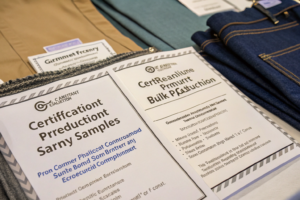
Most US buyers ask for BSCI certification first. It shows the factory meets social compliance standards. OEKO-TEX is important for fabric safety. It guarantees no harmful chemicals in your garments. SMETA audits cover labor rights and environmental impact. If a factory has these three, it usually meets US retail standards. We hold all three certifications at our factory in Shanghai. This means our clients can sell our products in major US retail chains without compliance issues. In the US market, certifications are becoming more important every year. Big retailers like Walmart and Target require them. Learn more at amfori BSCI and OEKO-TEX Standard 100.
How to Spot Fake Certificates from Suppliers?
I hate to say it, but some suppliers fake certificates. Always verify on the certification body website. Ask for the certificate number and check it yourself. Request audit reports, not just the certificate. Real factories have nothing to hide. We send our audit reports to every serious buyer who asks. Third-party inspection companies can also help you verify. Companies like Intertek and SGS offer factory auditing services. The best way to protect yourself is to work with factories that have been in business for a long time. Established factories have reputations to protect. They are less likely to cut corners or provide false information. Use Intertek for third-party inspection and SGS for factory auditing.
Conclusion
I have been manufacturing clothing in China for over 15 years. I have seen the industry change. But one thing stays the same. China is still the best place to make clothes. The ecosystem is unmatched. The quality is consistent. The communication keeps improving. Vietnam and India are growing. But they are not ready to replace China yet.
If you are looking for a reliable manufacturing partner, you need to visit China. You need to see the factories. You need to feel the difference. We are located in Shanghai, one of the most accessible cities in China. You can fly here directly from almost any major US city.
At our factory, we focus on what matters most to you: quality, on-time delivery, and honest communication. We offer DDP shipping so you do not have to worry about logistics. We keep our certifications current. And we answer your questions within 24 hours.
We understand the concerns that buyers like you have. You worry about delayed shipments. You worry about fake certificates. You worry about poor communication. We address every single one of these concerns directly. Our English-speaking team makes sure nothing gets lost in translation. Our quality control team checks every batch before it ships. And our DDP shipping service means you pay one price and the goods arrive at your door.
The US market is competitive. You need a manufacturing partner who helps you win. That is what we do at Fumao Clothing. We are not just a factory. We are your production partner. We help you bring your designs to life. We help you meet your deadlines. And we help you deliver quality to your customers.
If you are ready to start your next clothing line, I invite you to reach out. Contact our Business Director Elaine at elaine@fumaoclothing.com. Let us show you what real Chinese manufacturing looks like. Let us help you grow your brand.