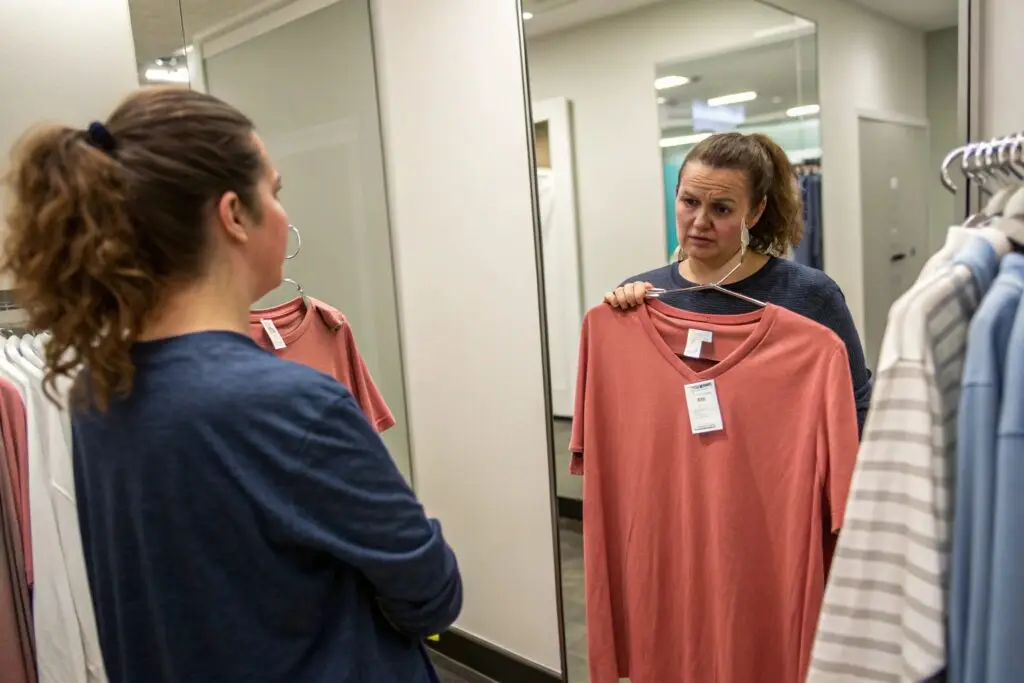
You buy a size medium in one store and it fits perfectly. The same size in another brand feels two sizes off. Sound familiar?
Clothing fit is difficult for most consumers due to inconsistent sizing systems, body diversity, fabric behavior, and fast fashion cycles that prioritize speed over precision.
Fit is the number one reason for clothing returns. Understanding why it’s so hard to get right is the first step toward fixing it—whether you're a shopper or a brand owner.
What 4 factors affect the type of clothing people wear?
Style is personal—but it’s never random. People don’t just choose clothes based on color or brand. There are deeper reasons behind what we wear.
The four key factors that affect clothing choices are climate, culture, lifestyle, and body type. Each shapes how people select what to wear daily.
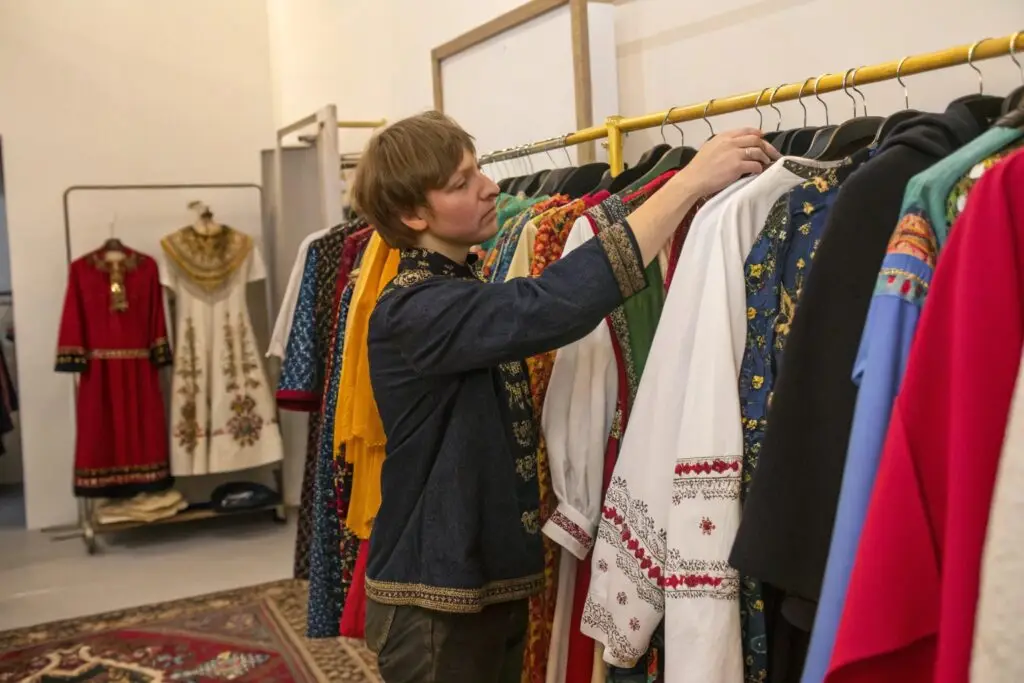
How do these four elements influence wardrobe decisions?
Let’s break it down:
- Climate1: Temperature and weather affect fabric choice, layering, and coverage.
- Culture2: Social norms, religion, and fashion trends define what’s acceptable or preferred.
- Lifestyle3: Work, leisure, or active routines change the type of clothes people need.
- Body Type: Comfort, fit, and confidence depend on how clothing complements individual shape.
| Factor | Clothing Impact |
|---|---|
| Climate | Breathable vs. insulated fabrics |
| Culture | Dress codes, colors, silhouettes |
| Lifestyle | Casual, formal, sport, hybrid wardrobes |
| Body Type | Fit adjustments, preferred cuts/styles |
I live in a humid city and work remotely—so my go-to outfit is a relaxed cotton tee and drawstring pants. The same outfit wouldn’t work for someone in a corporate office in Canada.
How do brands respond to these four factors?
The best fashion brands consider these drivers in their collections. They offer:
- Seasonal fabrics
- Regional styles
- Fit ranges for diverse body types
- Product descriptions that explain when/where/how to wear
As a clothing manufacturer, we always start a client project by asking: Who’s your customer and where do they live? That question alone shapes the whole collection.
Why is sizing so inconsistent?
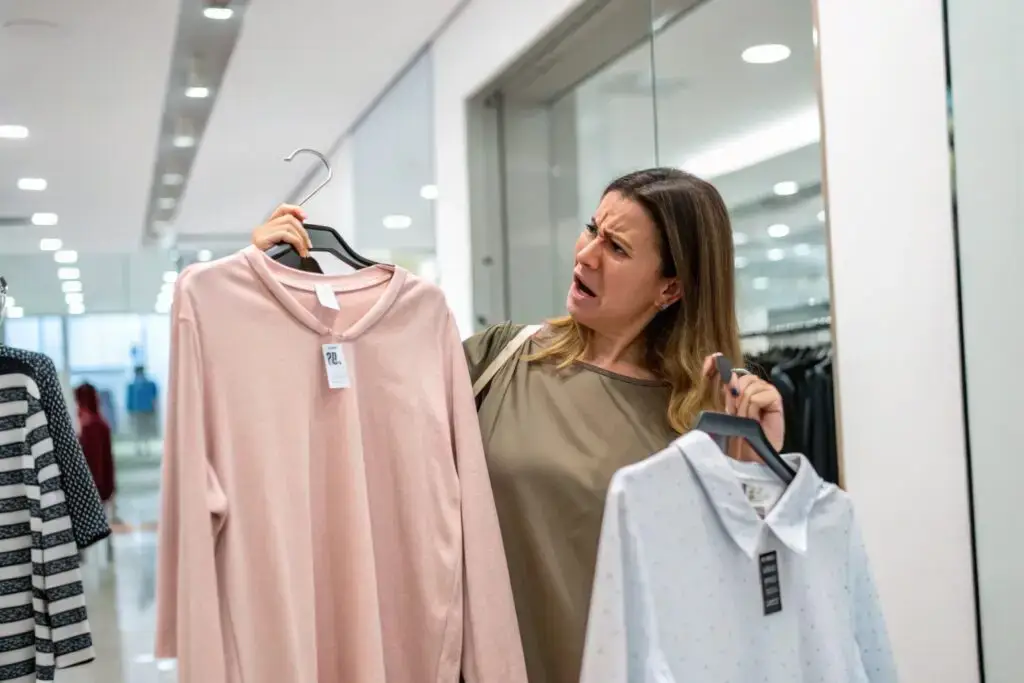
You wear a size 6 in one brand, but a size 10 in another. Sometimes even within the same store, sizing shifts by style.
Sizing is inconsistent because brands use different fit models, grading standards, and regional charts, while trying to balance design, trend, and production efficiency.
Why don’t brands just use the same size chart?
Because there’s no global standard—and every brand targets a different audience.
Here’s what causes variations:
- Fit models differ – One brand fits clothes on a size 4 model, another on a size 8.
- Grading rules change – The way a size is scaled up/down varies by country and factory.
- Fashion intent – Loose-fit joggers and slim-fit jeans won’t follow the same spec.
- Vanity sizing – Some brands downsize labels to make buyers feel better.
| Brand | Waist Label | Actual Measurement |
|---|---|---|
| Brand A | Size 28 | 28.5 inches |
| Brand B | Size 28 | 30 inches |
| Brand C | Size 28 | 27.5 inches |
I once ordered the same “size 32” pants from three different labels. They all fit completely differently. Now I measure garments, not labels.
How can brands fix sizing issues?
Brands that want to reduce returns and build loyalty can:
- Offer detailed size charts4 (with garment, not body, measurements)
- Include model size and fit notes in photos
- Use AI fit tools5 that suggest sizes based on customer input
- Introduce size consistency6 across product lines
We help our clients implement fit audits after each sample round. Even 1 cm off in the waist or armhole can change how a customer feels wearing your design.
What motivates consumers to buy clothes?
Buying clothes isn’t always a practical decision. Emotions, identity, and lifestyle goals all influence the final click.
Consumers buy clothes based on emotional desire, social image, utility, pricing, and trend relevance—often driven more by how they feel than what they need.
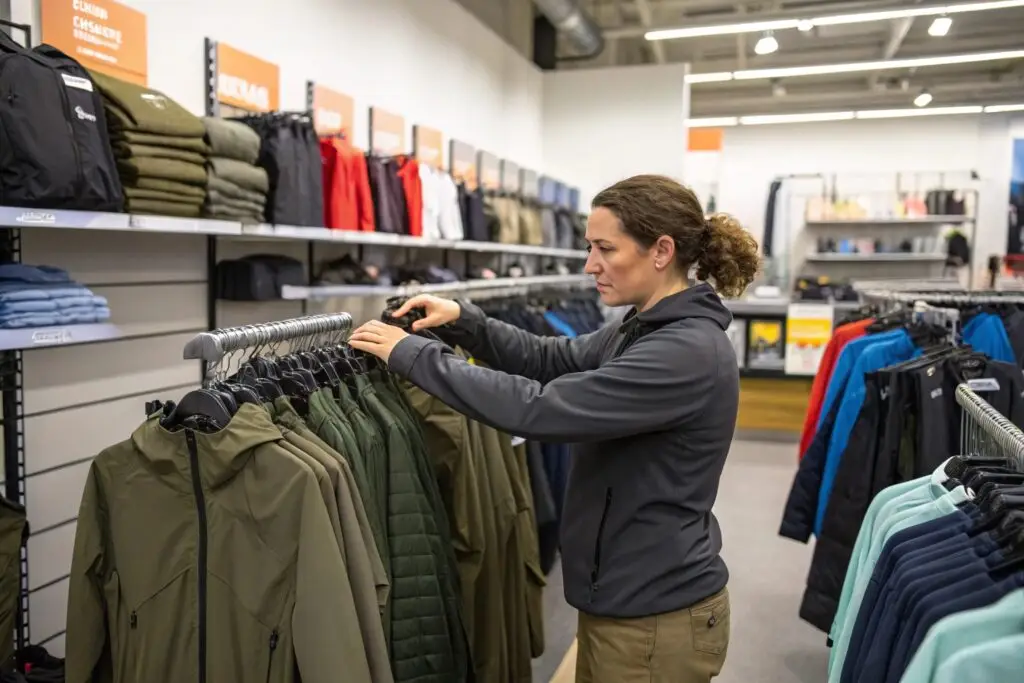
What emotions drive clothing purchases?
- Confidence – Will this make me feel attractive or strong?
- Belonging – Will I fit in at work, school, or an event?
- Excitement – Is it new, trendy, or seasonal?
- Comfort – Will I enjoy wearing this physically?
- Reward – Do I deserve something new?
| Motivation | Clothing Impact |
|---|---|
| Social Approval | Aligns with peer expectations |
| Self-expression | Bold prints, statement styles |
| Utility | Basics, outerwear, uniforms |
| Escape | Fantasy, travel, nostalgia |
I’ve bought pieces simply because I imagined wearing them somewhere—even if I didn’t have that place in mind yet. That’s aspirational shopping7, and it’s real.
What else influences the purchase decision?
- Discounts or urgency (flash sales)
- Influencer recommendations
- Sustainability values
- Size availability
- Shipping and return policies
Brands that appeal to both logic and emotion usually win. As a factory, we always suggest clients add emotional value8 through storytelling, lifestyle imagery, and brand voice.
What are the factors affecting the selection of clothing?
Consumers don’t just pick clothes based on look. They weigh multiple things before checking out.
The main factors that affect clothing selection include fabric, fit, price, function, trend, occasion, color, and personal identity.
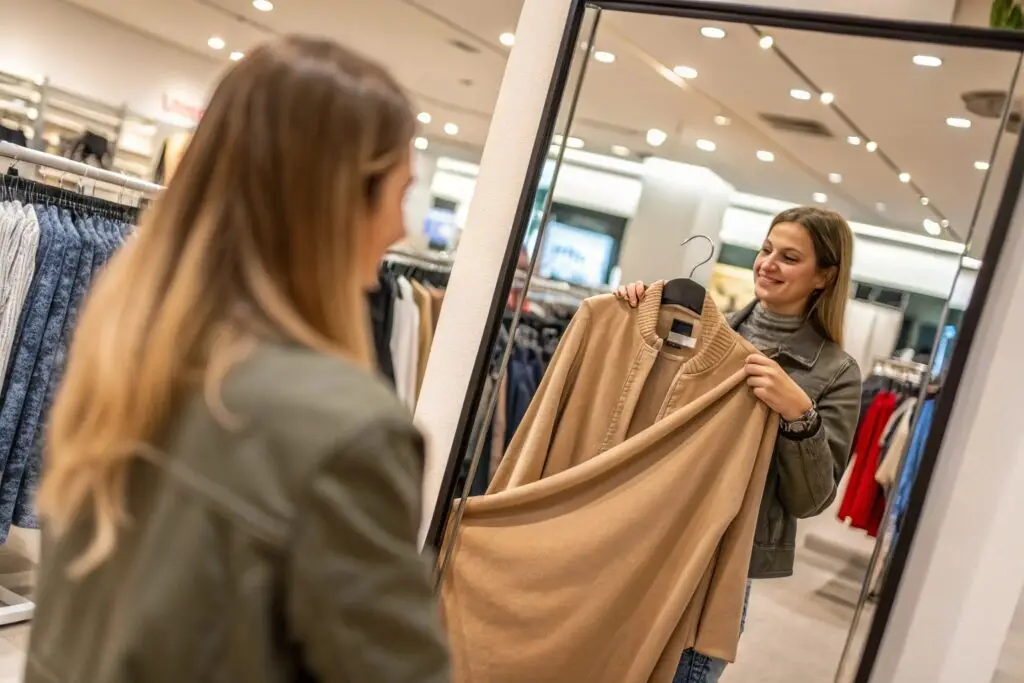
What goes through a buyer’s mind when choosing clothes?
Let’s say someone’s buying a jacket. Their checklist might include:
- Will this fit me well?
- Is it worth the price?
- Does the color match my wardrobe?
- Can I wear it to work and dinner?
- Will I still like it next year?
- What fabric is this made from?
| Factor | Description |
|---|---|
| Fabric9 | Comfort, breathability, washability |
| Fit10 | Body-flattering, structured, relaxed |
| Price11 | Perceived value, budget |
| Function | Versatility, durability, ease |
| Trend | Season relevance, social media hype |
| Identity | Style match, brand values |
I always recommend our clients test three sample styles with real customers before launching. Buyers often surprise you—they’ll pick the one you least expected, not because it looks good on paper, but because it feels right on the body.
Conclusion
Clothing fit is complex because it’s about more than just numbers. It’s personal, emotional, and influenced by body shape, lifestyle, and fashion systems that haven’t adapted to modern diversity. Understanding why fit fails—and what drives buying—can help both consumers and brands make better, more confident choices.
-
Understanding how climate affects clothing can help you choose the right fabrics and styles for your environment. ↩
-
Exploring cultural influences on fashion can provide insights into trends and acceptable styles in different societies. ↩
-
Learning about lifestyle influences on clothing can help you curate a wardrobe that fits your daily activities and needs. ↩
-
Explore this resource to learn how to create accurate size charts that can enhance customer satisfaction and reduce returns. ↩
-
Discover how AI fit tools can revolutionize the shopping experience by providing personalized size suggestions, leading to better fit and fewer returns. ↩
-
Understanding the importance of size consistency can help brands build customer loyalty and trust, ensuring a better shopping experience. ↩
-
Understanding aspirational shopping can help you make more informed and fulfilling clothing choices. ↩
-
Exploring how brands create emotional connections can enhance your shopping experience and brand loyalty. ↩
-
Explore this link to understand the different fabrics used in jackets, ensuring comfort and style in your choice. ↩
-
Discover expert tips on selecting the perfect fit for jackets, enhancing your overall look and comfort. ↩
-
Learn about the various factors that affect jacket pricing, helping you make informed purchasing decisions. ↩