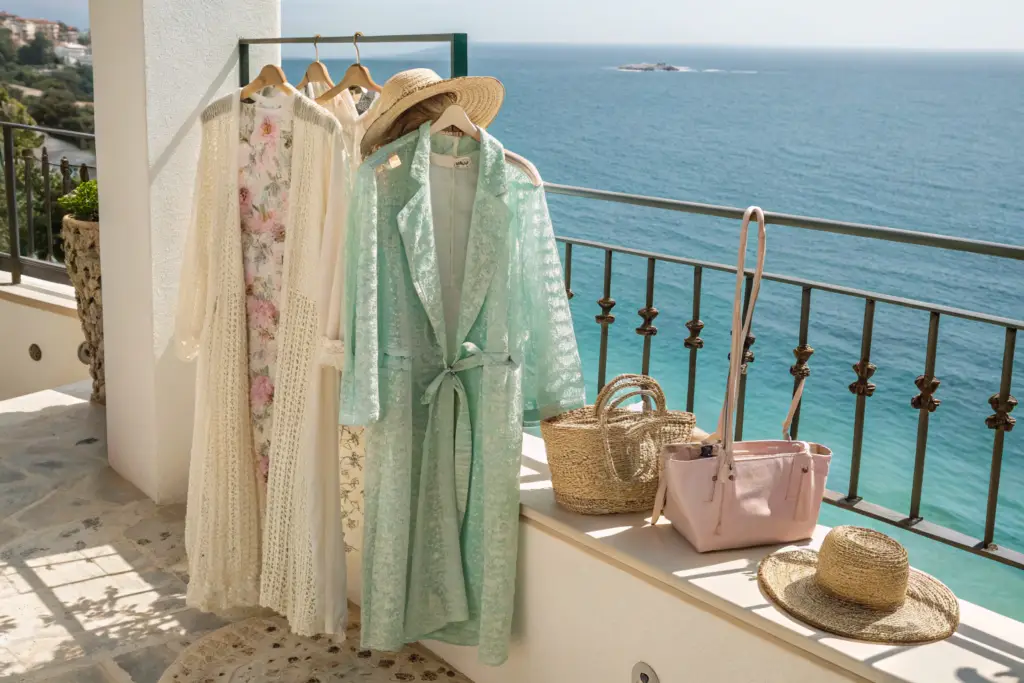
I have seen too many boutique buyers make the same expensive mistake. They treat summer outerwear as an afterthought. They throw a few cardigans on the rack and focus their open-to-buy on swimwear and sundresses. Then July hits. The air conditioning in every restaurant and office is blasting. Their customers are walking in, shivering, asking for something chic to throw over their shoulders. The buyer has nothing to offer except a sad clearance rack of leftover spring jackets. That is missed revenue walking out the door. The summer coat is not a filler category. It is a strategic layer that solves a real, physical problem for your customer.
The top women's summer coat trends for 2026 are defined by breathable natural fibers, dramatic lightweight silhouettes, and refined utility styles that function as a stylish defense against aggressive air conditioning and cool summer evenings.
These are not heavy wool coats made lighter. They are purpose-built summer garments. At Shanghai Fumao, we have seen the demand for this category grow sharply as more retailers recognize the consistent sell-through from May through August. I want to walk you through the specific trends, the fabrics that make them work, and the sourcing details that will give your boutique a profitable summer outerwear business.
Why Are Lightweight Natural Fibers Essential for Summer Coat Success?
Summer coat customers have a zero-tolerance policy for discomfort. If a coat feels sticky, heavy, or sweaty, it goes back on the rack immediately. The return rate on summer coats made from cheap synthetics is brutal. Polyester in July feels like wearing a plastic bag. The customer cannot wait to take it off. The fundamental requirement for any summer coat is breathability. The fabric must allow air to circulate and moisture to evaporate. This is not a nice-to-have. It is the baseline for commercial viability.
Natural fibers like organic cotton, linen, and hemp-cotton blends are essential for summer coats because their inherent breathability, moisture-wicking properties, and soft hand feel directly translate into customer comfort and lower return rates.
These fibers are not just a sustainability story. They are a performance story. They solve the specific thermal discomfort problem that drives summer outerwear purchases. I tell all our brand partners at Shanghai Fumao that the fabric hand feel is the closing argument. The customer decides in the first three seconds of touching the sleeve.
How Does Linen Drape Compare to Cotton for Summer Coat Silhouettes?
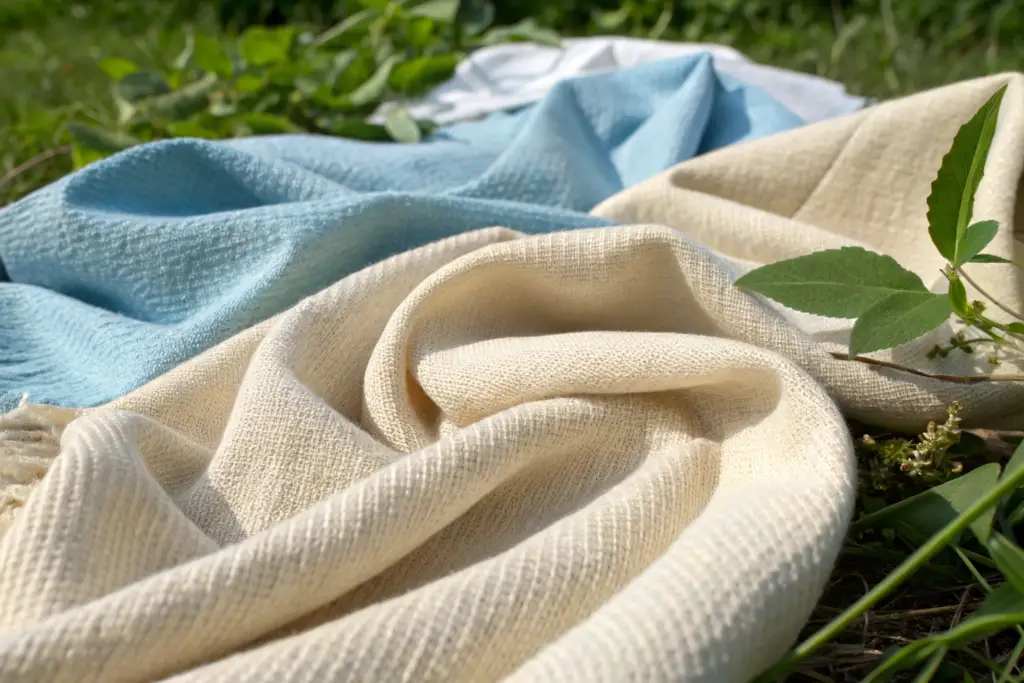
Linen and cotton behave very differently on the body, and you need to understand this to buy the right silhouette. Linen has a natural crispness and a beautiful slubby texture. It holds a structured shape well, even in a lightweight weave. This makes it the perfect fabric for a tailored summer duster or a belted utility coat that needs to maintain a defined silhouette. It also wrinkles easily, which is part of its relaxed, lived-in charm. You must decide if your customer embraces that aesthetic or will see it as a flaw.
Cotton, particularly a finely knit or a lightweight voile, has a softer, more fluid drape. It wants to skim the body, not stand away from it. This is ideal for a draped open-front cardigan coat or a soft kimono style. I worked with a resort-wear boutique in Naples, Florida last year. They ordered a longline linen coat in white and natural. Their customers loved the crisp, architectural shape it held over linen trousers. But the same boutique also stocked a slouchy, open-knit cotton coat in ocean blue. That piece sold as a beach cover-up as well as a dinner layer. Two different fibers. Two different use cases. Both sold extremely well.
What Are the Best Sustainable Fabric Options for Ethical Brands?
The summer coat is a perfect platform for an ethical story. The fabric weights are lighter, so the raw material cost is a smaller percentage of the total garment cost. You can afford to use premium certified fabrics without blowing up your retail price point. Organic cotton is the most accessible option. Look for GOTS certification to ensure the cotton was grown without banned pesticides and processed under fair labor conditions. The fabric has a noticeably softer hand feel than conventional cotton because the fibers are not degraded by harsh chemical treatments.
Hemp is another powerhouse for summer. It is incredibly durable, highly breathable, and requires minimal water to grow. A hemp-organic cotton blend gives you the best of both worlds: the softness of cotton with the strength and texture of hemp. We produced a line of unlined hemp-blend blazers for a sustainable brand in Portland. They sold them as a "summer suit" concept, with matching shorts. The entire collection sold at full price because the fabric story was authentic and the drape was genuinely beautiful. We used a fabric certified by the OEKO-TEX Standard 100, which tests for harmful substances. This certification is now a baseline requirement for many conscious consumers. If your coat has it, put it on the hangtag.
Which Summer Coat Silhouettes Are Defining the 2026 Season?
The 2026 summer season is not about shrinking down a winter coat. It is about silhouettes that are born from warm-weather fabrics and a relaxed sensibility. The runways and the street-style influencers have crystallized around a few key shapes. The biggest mistake I see buyers make is playing it too safe with a simple, hip-length cotton jacket. That is the territory of mass-market basics. Your customer can buy that anywhere. Your boutique needs to offer her a point of view. The silhouette is your point of difference.
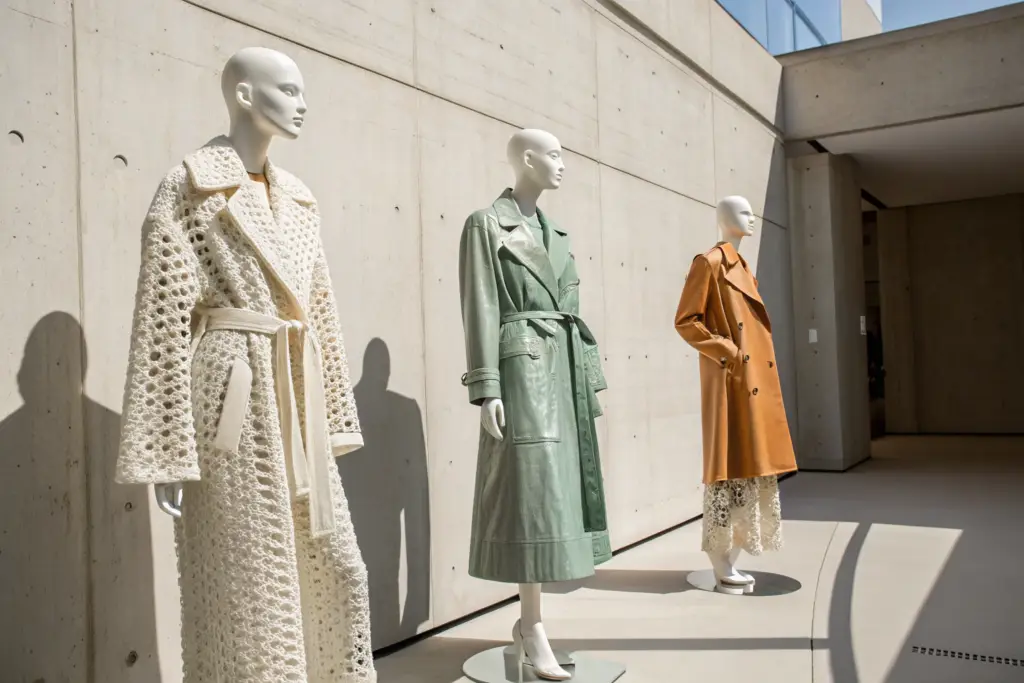
The defining summer coat silhouettes for 2026 are the dramatic crochet duster, the refined utility shacket, and the sleek transparent trench, each offering a distinct fashion personality.
These styles capture the three dominant moods of the season: bohemian romance, relaxed utility, and futuristic minimalism. They are not mutually exclusive. A well-curated boutique buy includes all three, giving your customer a range of emotional entry points into the category.
Is the Crochet Coat a Commercial Reality or Just a Trend?
The crochet coat is a dominant visual trend. It photographs beautifully on Instagram, and it instantly signals "summer." The commercial question is whether it actually sells through at a healthy margin. The answer is yes, but only if you source it correctly. A poorly made crochet coat is a disaster. The yarn snags, the shape stretches out, and the whole garment looks cheap after one wear. This category separates serious manufacturers from fast-fashion copycats.
The key is the yarn and the construction. We use a tightly twisted cotton or a cotton-linen blend yarn that has strength and resists pilling. The crochet pattern must be engineered, not just improvised. We block the finished panels with steam before assembly to set the shape and prevent the garment from growing on the hanger. The coat must also be fully lined, but the lining must be invisible and breathable. We use a superfine cotton voile lining that is attached only at the neck and armholes, floating freely inside. This preserves the beautiful open-work texture while making the coat wearable against the skin. A Los Angeles influencer brand we partner with launched a crochet duster coat last June. They retailed it at $228. They sold their entire inventory in ten days, with a waiting list for the re-order. The demand is real.
How Is the Shacket Evolving for Warmer Weather?
The shacket, the shirt-jacket hybrid, has been a workhorse for several seasons. For summer 2026, it is shedding its heavy wool flannel roots and re-emerging in lightweight, crisp fabrics. Think of it as an elevated overshirt. The silhouette is slightly oversized, with a clean, boxy fit. The details are utilitarian: patch pockets, a pointed collar, and snap buttons. It is the easiest summer coat to wear. It throws on over a tee and jeans or over a slip dress with equal ease.
The fabric evolution is what makes it a 2026 story. We are producing shackets in garment-dyed linen twill for a rich, lived-in color. We are also using a new Tencel and organic cotton blend that feels like silk but is machine washable. The weight is critical. It must be heavy enough to hold the shirt-tail hem shape but light enough to feel like a shirt. We target a fabric weight of 180 to 200 GSM for summer shackets. One of our boutique partners in Austin ordered their shacket in three custom colors: a sun-faded terracotta, a soft olive, and a natural ecru. They styled it on their website as a "summer suit" with matching linen shorts. It was their number one click-through product in their summer email campaign.
Why Is the Transparent Trench Gaining Traction?
The transparent trench is the statement piece of the summer. It is not for every customer, but it will be the most talked-about coat in your store. It brings a futuristic, fashion-forward edge to even the simplest summer outfit. The appeal is its versatility. It acts as a windbreaker and a cool-girl layer without hiding the outfit underneath. The trend has moved from the runway to commercial reality as the materials have improved.
The old problem with transparent coats was that the PVC material was stiff, hot, and smelled like plastic. The new generation of transparent coats uses a softer, more environmentally conscious TPU or recycled polyester film. It has a fluid drape and is more breathable because it can be laser-perforated with tiny, invisible ventilation holes. We source a clear film that is certified to meet the REACH regulation, ensuring it is free from restricted phthalates. The construction is clean, with heat-sealed seams that are completely waterproof. This coat is a bold buy. We advise our boutique partners to order it in small quantities and display it prominently in the window. It will stop foot traffic. Not everyone will buy it, but the ones who do will become loyal, high-spending customers who appreciate a curated point of view.
How Do You Source Quality Summer Coats That Resist Wrinkles and Pack Well?
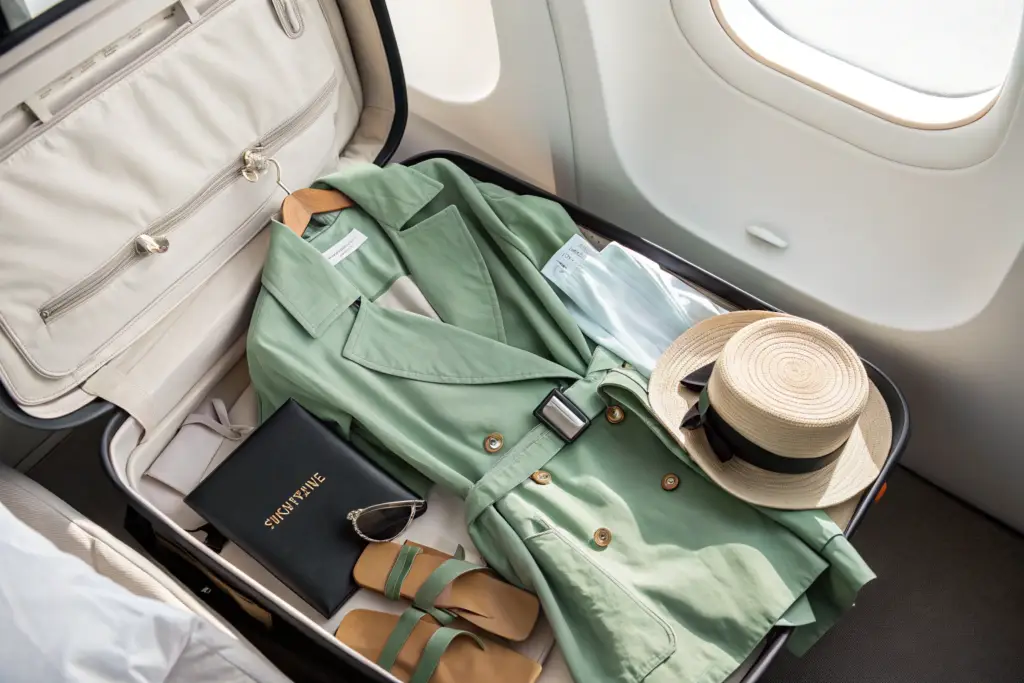
Summer means travel. Your customer might be packing for a weekend in the Hamptons, a trip to the Amalfi Coast, or just a business trip to a sweltering city. Her summer coat needs to survive the suitcase. If it comes out a crumpled mess, she will be frustrated. She might even return it. The ability to resist wrinkles and pack down small is a massive value-add for summer outerwear. It is a practical selling point that resonates deeply with customers who have experienced the disappointment of a rumpled linen jacket at their destination.
Sourcing summer coats that resist wrinkles requires a focus on fabric blends with natural stretch and recovery, specialized finishing techniques, and construction methods that allow the garment to fold flat without creating stubborn creases.
This is not just about choosing the right fabric. It is also about how the coat is cut, sewn, and finished. At Shanghai Fumao, we think about the travel experience of the end customer from the very beginning of the design process.
What Fabric Technologies Prevent Travel Creases?
Pure linen wrinkles. That is part of its identity. But if your customer demands a smoother look, you need to explore blends and finishes. A linen blended with a small percentage of recycled polyester or, better yet, a lyocell derived from wood pulp, will have significantly better wrinkle resistance while retaining a natural hand feel. Lyocell is a fascinating fiber. It is soft, breathable, and has a unique property of recovering from wrinkling more easily than cotton or linen. A popular blend we use is 70% organic cotton and 30% lyocell. It looks like a soft twill but packs beautifully.
Another approach is a mechanical finish applied to the fabric. A micro-sanding or a gentle wash finish can give the fabric a relaxed, slightly crinkled texture that is designed to look good with creases. Instead of fighting the wrinkles, the fabric embraces them as part of its aesthetic. This is a very effective strategy. We produced a "travel blazer" for a New York-based brand using a special enzyme-washed cotton-nylon blend. The fabric had a permanent, subtle crinkle. They marketed it as "the blazer you can ball up in your tote bag." It was a huge hit with their busy professional clients. They sold it out in three weeks.
What Construction Details Make a Coat Travel-Friendly?
The internal structure of a summer coat is just as important as the fabric for travel. A heavy fusible interlining, the kind used in structured winter coats, will crease permanently if folded. A summer coat needs to be soft-constructed. We use a lightweight, woven cotton interlining that is sewn in, not glued. This allows the entire coat to flex and move as a single unit. It folds without creating a sharp, permanent crease at the lapel.
The lining is also critical. A sticky polyester lining is a travel disaster. It traps heat and grabs onto the clothing underneath, causing bunching and discomfort. We line our summer coats almost exclusively with a breathable cupro or a fine cotton voile. These linings slip easily over other garments and breathe with the body. The packing method itself can be a selling point. We often include a simple instruction card with our travel-friendly coats showing the customer how to fold the coat inside-out on itself, using the lining as a protective outer layer. This prevents any surface abrasion to the face fabric and minimizes deep creases. It is a small detail that makes the customer feel cared for and increases her satisfaction with the product.
What Are the Smartest Buying Strategies for Summer Coats?
A trend is only as good as its sell-through. Knowing what to buy is half the battle. Knowing how much to buy, when to take delivery, and at what price to sell is the other half. The summer coat category has its own unique rhythm that is different from winter outerwear. The delivery window is earlier. The color palette is brighter. The price sensitivity can be slightly higher because the customer perceives the garment as an extra layer, not a winter essential.
Smart summer coat buying strategies involve a carefully phased delivery schedule, a fearless embrace of seasonal color, and a merchandising plan that positions the coat as a high-margin outfit completer.
I have seen our most successful boutique partners execute these strategies year after year. They treat the summer coat not as a stand-alone category but as a critical component of a complete head-to-toe look. This mindset shift unlocks higher units per transaction and a better margin mix.
How Should You Phase Summer Coat Deliveries?
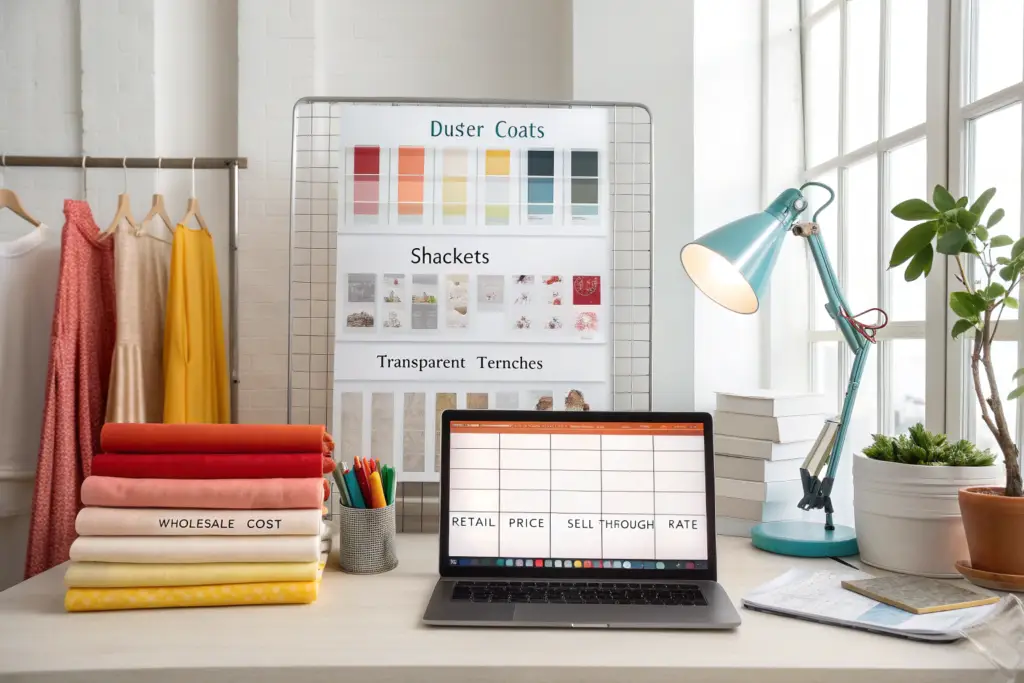
Do not put all your summer coats on the floor in April. This is a common error. The customer is not mentally ready for a jacket in early spring, even if it is lightweight. She is shopping for the first bare-leg dresses of the year. You need to phase your deliveries to match her mindset. We advise a two-wave strategy. The first delivery, in late April or early May, should focus on the lighter, more classic pieces like the shacket and the linen utility coat. These feel transitional and will sell as part of a spring layer.
The second delivery, hitting the floor in early June, is when you drop the high-impact fashion pieces. This is the moment for the crochet duster and the transparent trench. By June, your customer is fully in summer mode. She is planning vacations and her social calendar is filling up. She is looking for that special piece that makes her feel excited and fashionable. This phasing keeps your floor feeling fresh and gives you two distinct reasons to email your customer list about "new summer layers." It also helps with your cash flow, spreading the cost of goods across two payment cycles.
What Role Should Color and Prints Play in Your Buy?
Summer is your permission slip for color. Your winter coat buy might be 80% neutrals and 20% color. Your summer coat buy should flip that ratio, or at least balance it equally. A customer who will not commit to a bright orange wool coat will happily buy a bright orange linen duster. It feels playful, vacation-ready, and less of a long-term commitment. Coral, vibrant turquoise, and sunny yellow are the power colors for 2026.
Prints are also a strong play for summer. A subtle stripe or a small-scale floral print on a cotton coat can be a bestseller. However, be careful with bold, large-scale prints on outerwear. A print that looks great on a sundress can look overwhelming on a long coat. We always recommend our boutique partners to order a printed sample and see it on a body before committing to bulk. A printed shacket, however, is a safer entry point into prints because its shorter length makes the print feel more manageable. One of our partners in Charleston bought a block-printed cotton shacket from us last year. They paired it with a solid white dress and displayed it in their front window. It drove more foot traffic than any other single item in their summer collection.
Conclusion
The summer coat is a serious profit center hiding in plain sight. It solves your customer's real-world problem of staying comfortable in freezing air conditioning and looking stylish on cool summer evenings. The 2026 trends give you powerful tools: the breathable, natural luxury of organic cotton and linen blends, the Instagram-gold drama of the crochet duster, the everyday ease of the refined shacket, and the fashion-forward edge of the transparent trench. By focusing on wrinkle-resistant travel fabrics and phasing your deliveries for maximum impact, you turn a seasonal afterthought into a reliable, high-margin category.
You do not need to be an expert in summer coat sourcing. You need a partner who is. At Shanghai Fumao, we live and breathe this category. We understand the fabric weights, the construction techniques, and the delivery timelines that make a summer coat collection successful. If you are ready to discuss your summer 2026 buy, I invite you to reach out to our Business Director, Elaine. She can walk you through our in-stock fabric library and our customization options that allow you to build a truly unique offering for your boutique. You can contact her directly at elaine@fumaoclothing.com. Let's make this summer your most profitable one yet.