Rising tariffs can be a cause for concern, especially when the U.S. increases tariffs by 20%. But don’t worry—there’s a way to bypass many of these costs with a clever shipping solution called DDP (Delivered Duty Paid).
DDP is a valuable tool for businesses looking to navigate tariff hikes without facing excessive shipping fees. It shifts the responsibility for tariffs and duties to the seller, ensuring a smoother and cost-efficient delivery process.
In this article, we will explore how tariffs affect the global economy, particularly focusing on the U.S. and Canada, as well as how DDP can help mitigate these impacts.
What is Canada’s tariff on U.S. goods?
Canada and the U.S. share a long history of trade relations, but tariffs between the two countries have fluctuated over time. In recent years, Canada has imposed certain tariffs on U.S. goods as a response to American trade policies, including steel and aluminum tariffs.
Currently, Canada’s tariffs on U.S. goods vary depending on the product. These tariffs can be significant for certain industries, such as agricultural products and automotive parts, but typically do not impact everyday consumer goods at the same level.

What types of products are most affected by Canada’s tariffs?
Canada’s tariffs on U.S. goods typically target specific categories. Below is a table showing common products impacted by tariffs:
| Product Category | Tariff Rate (Approx.) | Impact on Business |
|---|---|---|
| Steel & Aluminum1 | 10-25% | Increased production costs for U.S. manufacturers |
| Agricultural Products2 | 5-20% | Higher costs for U.S. farmers and exporters |
| Automotive Parts3 | 6-10% | Affects U.S. automakers and parts suppliers |
| Consumer Goods | Varies (0-5%) | Minor impact on regular consumer goods |
To avoid unexpected costs, it’s crucial for businesses to monitor these tariff rates and plan shipments accordingly.
How did tariffs hurt the American economy in the Great Depression?
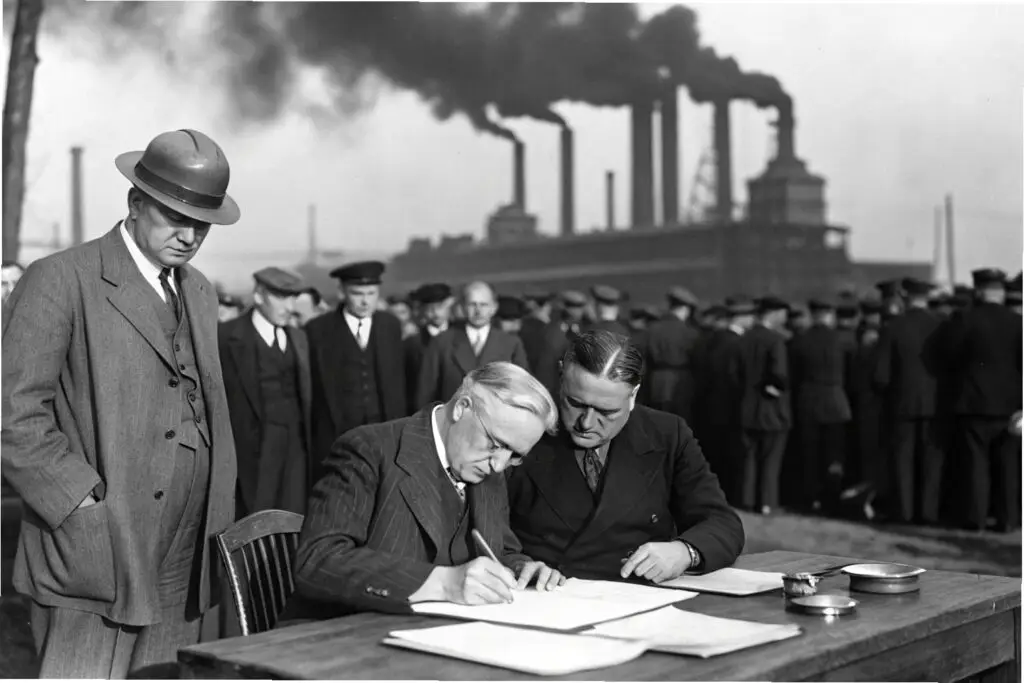
The Great Depression was a difficult time for the global economy, and tariffs played a significant role in worsening the crisis. The U.S. raised tariffs on foreign goods to protect domestic industries, but this led to retaliatory tariffs from other countries, significantly reducing international trade.
The Smoot-Hawley Tariff Act of 1930, which raised U.S. tariffs on over 20,000 imported goods, was a key factor in deepening the Depression. Other nations followed suit with tariffs of their own, which caused global trade to collapse, further hurting American businesses and workers.
How did tariffs impact global trade during the Great Depression?
During the Great Depression, many countries used tariffs to protect domestic industries from foreign competition. However, this caused the following:
- Reduced Exports & Imports4 – Countries imposed tariffs to shield their own economies, which resulted in a sharp decline in global trade.
- Trade Wars5 – Retaliatory tariffs created trade wars, further damaging economies worldwide.
- Higher Consumer Prices – With fewer imports, the price of goods increased for consumers, which added to the financial struggles.
- Unemployment – Reduced international demand for goods resulted in mass unemployment, particularly in manufacturing sectors.
The combination of rising tariffs and the economic challenges of the time contributed to the depth of the Great Depression.
What countries have tariffs on U.S.?
Tariffs are a tool used by many countries to protect their own industries and generate government revenue. The U.S. faces tariffs from various countries in response to its trade policies, with China, the EU, and Canada being some of the major ones.
Countries like China and India have imposed tariffs on U.S. goods as a countermeasure to American tariffs on their products. Similarly, the EU and other nations may implement tariffs as part of trade negotiations or political strategies.

Which industries are most impacted by foreign tariffs on U.S. products?
Different industries face different levels of impact from foreign tariffs. Below are a few examples of industries affected by tariffs on U.S. exports:
| Industry | Affected Countries | Impact of Tariffs |
|---|---|---|
| Agriculture6 | China, EU, India | Reduced market access, lost revenue |
| Automotive7 | China, EU, Mexico | Increased production costs, lower demand |
| Technology8 | China, EU, Brazil | Higher costs for electronics, less competitive |
| Manufactured Goods | Mexico, Japan, EU | Lower demand in foreign markets, higher prices |
Tariffs on U.S. goods can hurt these industries, but trade agreements like DDP can help mitigate these challenges.
Do tariffs affect the stock market?
Yes, tariffs can have a significant impact on the stock market. When tariffs are increased, it often creates uncertainty and affects investor sentiment. Companies that rely heavily on imports or exports can experience volatility in their stock prices.
Tariffs create uncertainty for global markets. Increased tariffs can lead to higher production costs, reduced profits, and lower stock values. On the other hand, companies that benefit from tariffs—such as domestic producers—might see stock price growth.

How do tariffs affect the stock prices9 of specific industries?
Tariffs create volatility, but their effects vary across industries. Here’s a breakdown of some industries impacted by tariffs:
| Industry | Impact of Tariffs | Stock Market Reaction |
|---|---|---|
| Agriculture10 | Higher production costs, less access to foreign markets | Decline in stock prices of farming companies |
| Technology | Increased prices for components, reduced demand | Drop in stock prices for tech giants |
| Consumer Goods | Higher prices for goods, less competitive | Slowdown in stock growth |
| Automotive | Increased manufacturing costs, lower demand | Volatility in stock prices of carmakers |
Tariffs create ripples through stock markets, making it crucial for investors to monitor trade policies and market trends.
Conclusion
The rise in U.S. tariffs doesn’t need to cause panic. With strategies like DDP, businesses can still thrive despite tariff increases. By understanding tariff systems, their impact on the economy, and leveraging logistics solutions, companies can continue to grow and succeed.
-
Understanding the impact of tariffs on Steel & Aluminum can help businesses strategize and mitigate costs effectively. ↩
-
Explore how tariffs influence the agricultural sector, helping farmers and exporters adapt to market changes. ↩
-
Learn about the implications of tariffs on the automotive industry to better navigate supply chain challenges. ↩
-
Understanding the impact of reduced exports and imports can provide insights into the economic strategies used during the Great Depression. ↩
-
Exploring the effects of trade wars can reveal how retaliatory tariffs shaped global economies and trade relationships during this critical period. ↩
-
Explore how tariffs impact U.S. agriculture, affecting market access and revenue, and learn about potential solutions. ↩
-
Discover the implications of tariffs on the automotive sector, including production costs and demand fluctuations. ↩
-
Understand how tariffs influence the technology sector, leading to higher costs and competitiveness issues. ↩
-
Understanding the relationship between tariffs and stock prices can help investors make informed decisions in volatile markets. ↩
-
Exploring this link will provide insights into how tariffs specifically affect agricultural stock performance and market dynamics. ↩