When I launched my apparel brand, I thought great designs would bring in stores automatically. But getting distribution deals took targeted pitching, clear terms, and lots of relationship building.
To establish distribution deals for your apparel start-up, identify the right channels, approach distributors with strong branding and margins, and negotiate agreements that prioritize flexibility and growth.
Distribution isn’t just about moving product—it’s about choosing partners who align with your brand’s story and goals.
What are the major distribution channels for apparel products?
At first, I tried selling only through boutiques. But I soon realized that successful brands tap into multiple distribution channels at once.
Major distribution channels for apparel products include independent boutiques, department stores, online marketplaces, multi-brand distributors, and direct-to-consumer (DTC) platforms.

What distribution options should apparel start-ups prioritize?
Here’s the breakdown:
| Channel Type | Why It Matters |
|---|---|
| Independent Boutiques1 | Personal curation, trendsetters |
| Multi-Brand Showrooms | Access to larger retail chains |
| Online Marketplaces2 | Fast scaling (Amazon, Zalando, Faire) |
| Wholesale Distributors | Logistics and volume handling |
| Direct-to-Consumer3 | Maximum margin, brand control |
Mixing channels helps diversify risk. Many brands start boutique/DTC, then add distributors for scale.
What distribution channel mistakes should new brands avoid?
- Relying only on one channel (e.g., just Shopify)
- Signing exclusive deals too early
- Ignoring marketplace fees or return policies
- Underestimating packaging and logistics costs
Start where you can control the experience. Expand where you can maintain quality and storytelling.
How to get a distributor for a new product?
I thought distributors would find me if my brand was strong. Wrong. I had to pitch like crazy—and frame my brand as an asset to their growth.
To get a distributor for a new product, create a compelling pitch deck, highlight sell-through potential, offer favorable margins, and target distributors who specialize in your niche.

What steps help attract the right apparel distributor?
| Step | What to Prepare |
|---|---|
| Product Samples | High-quality, packaged, ready-to-ship |
| Line Sheet + Pricing | Wholesale and retail pricing structures |
| Brand Deck | Story, USP (Unique Selling Proposition4), audience fit |
| Sales Data (if any) | Pre-order, social proof5, waitlists |
| Terms Proposal | MOQ, delivery windows, payment timelines |
Good distributors want low risk. Show them you know your market, and you’re ready to ship.
How should you pitch a distributor for best results?
- Focus on how you help their revenue
- Keep presentations short—5–7 slides max
- Highlight your marketing and social media strength
- Offer trial periods or small batch launches
Think like a partner, not just a supplier.
How do I become my own distributor?
When distributors rejected me early on, I didn’t quit. I became my own distributor—directly handling sales, fulfillment, and retail partnerships.
To become your own distributor, set up a wholesale system on your website, build B2B relationships, manage inventory internally, and create marketing materials for retail buyers.

What do you need to distribute your apparel directly?
Here’s the starter toolkit:
| Tool/Platform | Why It’s Needed |
|---|---|
| Wholesale Website Section6 | B2B pricing, account signup |
| Inventory Management System7 | Track stock levels, restocks |
| Line Sheets and Lookbooks | Professional buyer-facing materials |
| Payment Terms Options | Net 30/Net 60 invoicing flexibility |
| Logistics Partners8 | Reliable shipping for bulk orders |
You control pricing, branding, and relationships—without paying distributor commissions.
What are the challenges of self-distribution?
- You handle fulfillment and customer service
- Scaling internationally requires major logistics planning
- You absorb risks of slow-moving inventory
If you’re lean and scrappy, it works. As you scale, you might eventually blend your own distribution with third-party partners.
What is an apparel distributor?
At first, I confused distributors with agents or showrooms. But an apparel distributor plays a very specific role.
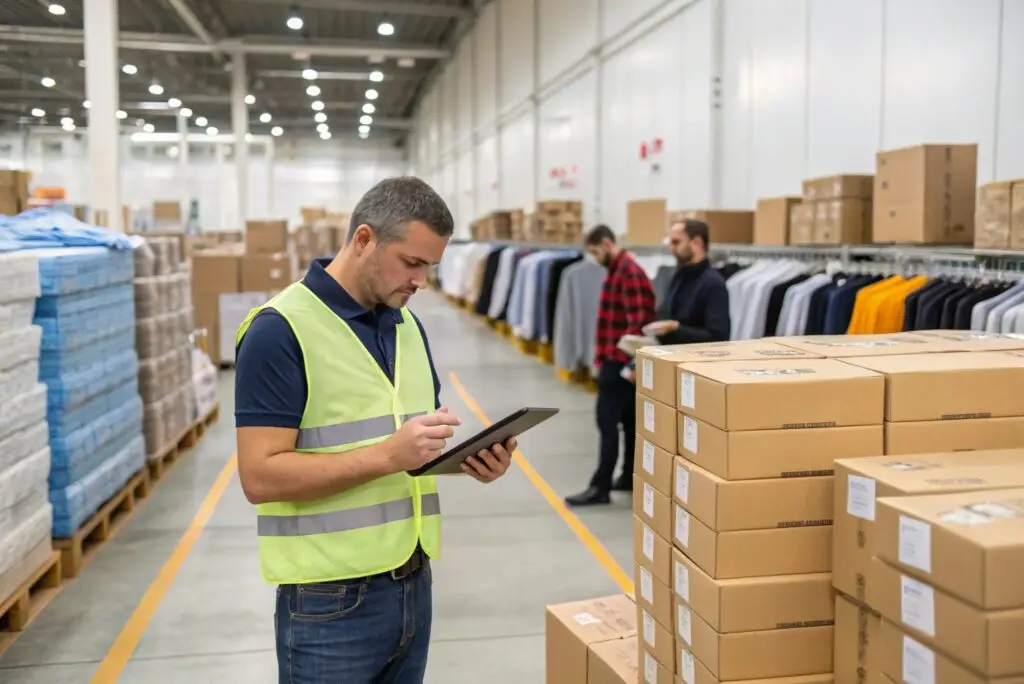
An apparel distributor is a company that buys products from brands at wholesale rates and resells them to retailers, often managing inventory, logistics, and regional expansion efforts.
How do apparel distributors operate?
| Role | Key Function |
|---|---|
| Inventory Management | Buy stock from brands, manage warehouses |
| Retailer Relationships | Pitch and sell into retail chains |
| Marketing Support | Sometimes provide exposure assistance |
| Risk Absorption | Take inventory risk9 off the brand |
Distributors act as middlemen—but good ones accelerate your growth by getting you into stores faster and managing market relationships you can’t reach solo.
Should every brand seek a distributor early on?
Not always. If you’re still validating product-market fit10, focus on DTC and small boutique placements first.
Once your brand is ready to scale into multiple regions or retailers, that’s when a distributor becomes essential.
Conclusion
Distribution deals aren’t handed out—they’re earned through strategy, branding, and partnerships. Start with strong products, clear offers, and a growth mindset—and the right distributors will want to work with you.
-
Explore how Independent Boutiques can enhance your brand’s visibility and connect you with trendsetters in the fashion industry. ↩
-
Discover how Online Marketplaces can facilitate rapid scaling and reach a broader audience for your apparel brand. ↩
-
Learn how a Direct-to-Consumer approach maximizes margins and allows for better brand control, crucial for new apparel brands. ↩
-
Understanding the Unique Selling Proposition can help you craft a compelling pitch to attract distributors effectively. ↩
-
Exploring social proof can enhance your strategy to convince distributors of your product’s market potential. ↩
-
Understanding the role of a Wholesale Website Section can enhance your B2B strategy and improve your sales process. ↩
-
Learn how an effective Inventory Management System can streamline operations and prevent stock issues, crucial for growth. ↩
-
Discover how reliable Logistics Partners can optimize your shipping process and enhance customer satisfaction. ↩
-
Learn how distributors absorb inventory risk, allowing brands to focus on growth without the burden of excess stock. ↩
-
Exploring product-market fit can guide brands on when to engage distributors for optimal growth and market entry. ↩