A Portland-based children's wear brand once designed a collection based entirely on what they thought kids would love: neon colors, cartoon graphics, itchy glitter appliqués, and synthetic fabrics that could survive a sandbox. The collection was fun. It was also a commercial failure. The brand had designed for the child—the end user—but they had completely forgotten who actually makes the purchasing decision. Modern American parents—millennials and Gen Z, aged roughly 28 to 42—do not buy children's clothing based on what the child grabs off the rack. They buy based on a complex, emotionally charged set of criteria: Is the fabric certified organic and safe against my baby's skin? Is the design gender-neutral enough to pass down to a younger sibling? Can I monogram it with my child's name? Does the brand's sustainability story align with my values? Will this photograph beautifully for the milestone photo I will post? The brand that designs for the child and ignores the parent will fail. The brand that designs for the parent's values, and makes the child comfortable and beautiful in the process, will thrive.
To beautifully design custom kids wear that appeals to modern American parents, the collection must integrate five specific design principles: premium, certified-safe materials such as GOTS-certified organic cotton, OEKO-TEX certified dyes, and natural fiber blends that prioritize skin safety and sensory comfort; a gender-neutral, seasonless color palette of muted earth tones, warm neutrals, and gentle botanical shades that allows garments to be passed between siblings; personalization options including tonal monogram embroidery, custom name labels, and coordinated sibling sets that transform a garment into a personalized keepsake; practical, durable construction details such as reinforced knees, expandable waistbands, and easy-change snap closures that acknowledge the reality of active children; and an Instagram-ready, heirloom-quality aesthetic that photographs beautifully and feels emotionally significant.
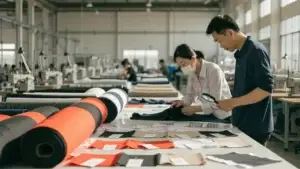
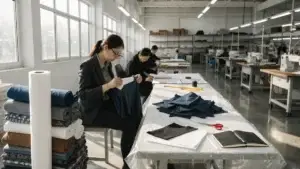
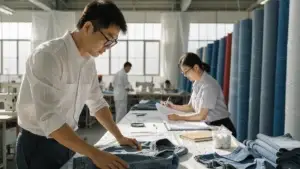
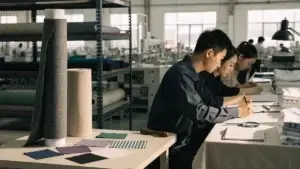
At Shanghai Fumao, I work with children's wear brands that understand these five principles. The brands that succeed are not the ones with the loudest prints or the cheapest prices. They are the brands that make a parent feel that purchasing this garment was an act of love, care, and values alignment.
Why Does "Certified Organic and Sensory-Safe Fabric" Function as the Primary Trust Signal for Millennial and Gen Z Parents?
A Chicago-based baby brand once launched a line of beautifully designed printed onesies. The prints were charming—hand-drawn animals, delicate florals, whimsical patterns. The brand sold well initially. A popular parenting blog tested one of the onesies with an independent laboratory. The test revealed phthalates in the plastisol print at concentrations above the EU safety limit. The blog published the results. Within a week, the brand's wholesale accounts cancelled their orders. The brand's social media comments filled with angry parents. The brand had designed for visual appeal and had completely neglected chemical safety. To a modern American parent, "cute" is irrelevant if the garment is not proven safe against their child's skin.
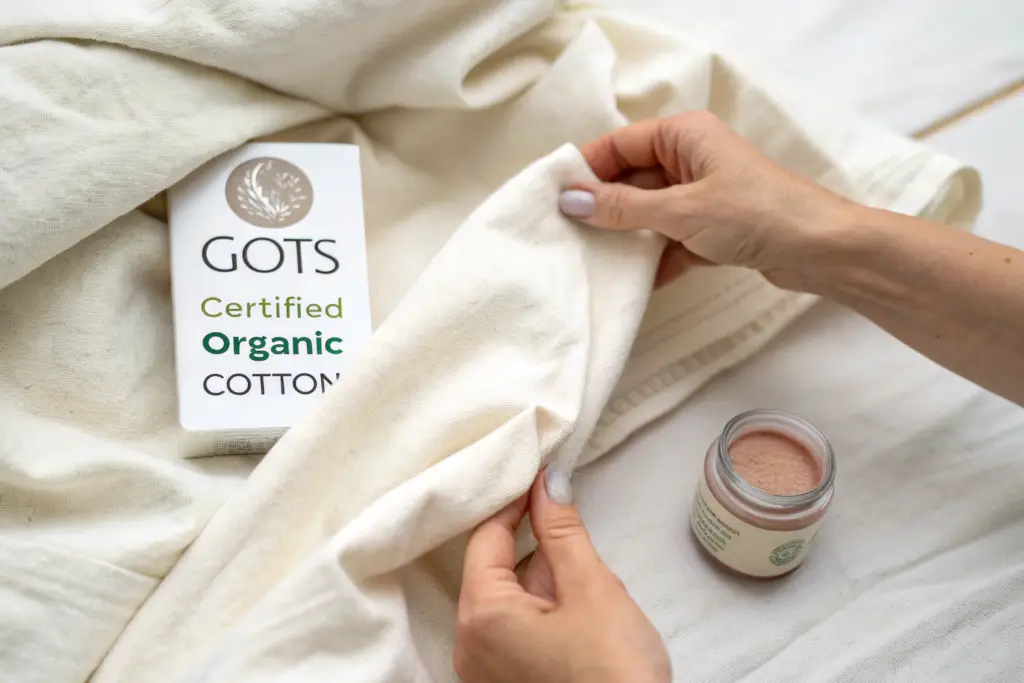
Certified organic and sensory-safe fabric functions as the primary trust signal for modern parents because this demographic conducts extensive product research before purchasing, actively seeks out third-party certifications such as GOTS for organic fiber content and OEKO-TEX Standard 100 Appendix 6 for chemical safety as non-negotiable proof of purity, and shares product safety information within their extensive online parenting communities, meaning that a GOTS or OEKO-TEX certification label is not just a compliance document—it is the single most powerful marketing asset a children's wear brand can possess.
A millennial parent standing in a boutique, or scrolling an e-commerce site, is making a split-second trust decision. The GOTS logo on the hangtag communicates, in a single symbol, that this garment has been verified by an independent third party to be free of the chemicals, pesticides, and toxins that this parent has read about in parenting forums and wellness publications. A competitor's garment with a beautiful print but no certification communicates nothing—and in the absence of information, the modern parent assumes the worst.
How Does "OEKO-TEX Appendix 6" Differ From "OEKO-TEX Appendix 4," and Why Must an Infant Garment Specify Appendix 6?
OEKO-TEX Appendix 4 tests for harmful substances at a level appropriate for adult skin contact. Appendix 6 is specifically designed for infant and baby products, testing for a far more extensive list of restricted substances at significantly lower detection limits, accounting for the fact that babies mouth their clothing and have more permeable skin. A brand that specifies only "OEKO-TEX certified" without the Appendix 6 designation is not providing the full infant safety standard.
Why Are "Natural Fiber Blends With a Fiber Micron Diameter Below 18" Preferred by Parents of Children With Eczema or Sensory Sensitivities?
Fibers with a micron diameter below 18—such as fine merino wool, cashmere, and long-staple cotton—are soft enough that individual fibers do not trigger the nerve endings responsible for the itching and irritation sensations. For a child with eczema or sensory processing sensitivities, this microscopic softness is the difference between a garment that is worn happily and a garment that is torn off in discomfort.
What "Gender-Neutral and Heirloom-Quality Design Language" Appeals to Parents Who Plan to Pass Garments Between Siblings?
A New York-based luxury children's brand once designed separate "boy" and "girl" collections, with the boy's line in navy, grey, and truck prints, and the girl's line in pink, lavender, and floral prints. The brand's customer base—affluent, educated parents in coastal cities—began to push back. Mothers of two children, a boy and a girl, complained that they could not pass the older sibling's beautiful, expensive garments to the younger sibling because the designs were so aggressively gendered. The brand was inadvertently forcing parents to purchase two entirely separate wardrobes, contradicting the sustainability and frugality values that these same parents held. The brand switched to a unified, gender-neutral collection in a warm, earthy palette. Their average order value increased as parents began purchasing with the intention of multi-child use.
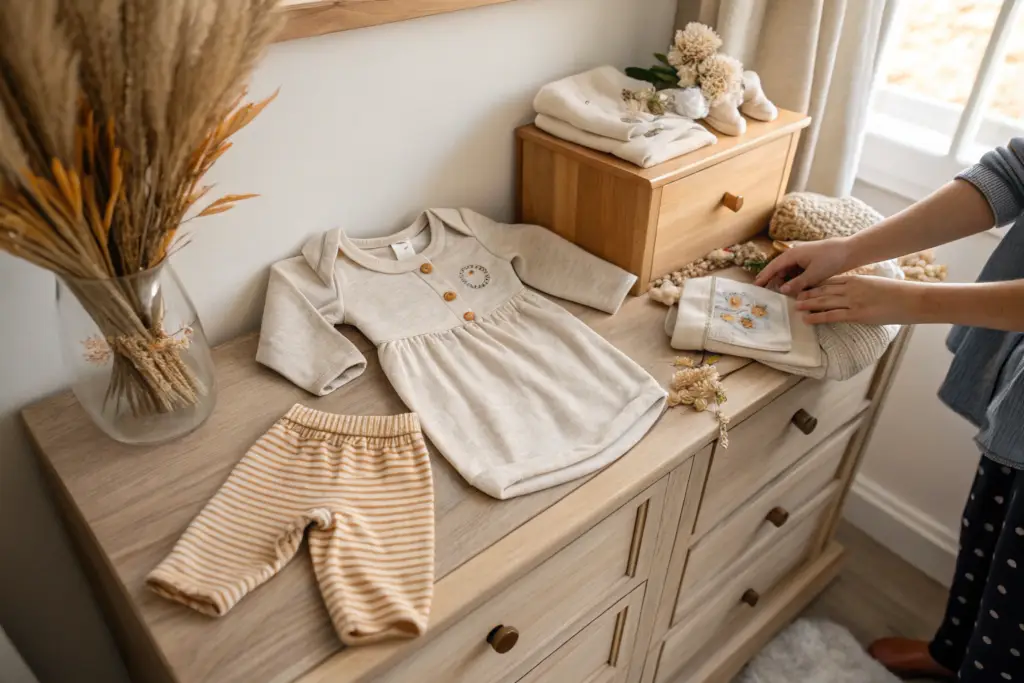
A gender-neutral, heirloom-quality design language appeals to parents planning sibling pass-downs by using a seasonless color palette of warm oatmeals, soft sages, buttery yellows, earthy terracottas, and creamy ivories that reads as neither stereotypically masculine nor feminine, combined with classic, simple silhouettes—Peter Pan collar rompers, cable-knit cardigans, A-line linen dresses—that avoid character graphics, slogans, and trend-driven details, allowing a garment purchased for an older sibling to be lovingly packed away and brought out years later for a younger sibling regardless of gender.
The modern American parent who spends $48 on a single organic cotton romper is not making a disposable fast-fashion purchase. They are making a small investment in a garment they expect to last through multiple children. The design must support this expectation. A romper that says "Daddy's Little Princess" in glitter is a single-use garment for a single child. A romper in a beautiful heathered oat color with a tonal monogram is a family heirloom that will be photographed on multiple children across multiple years.
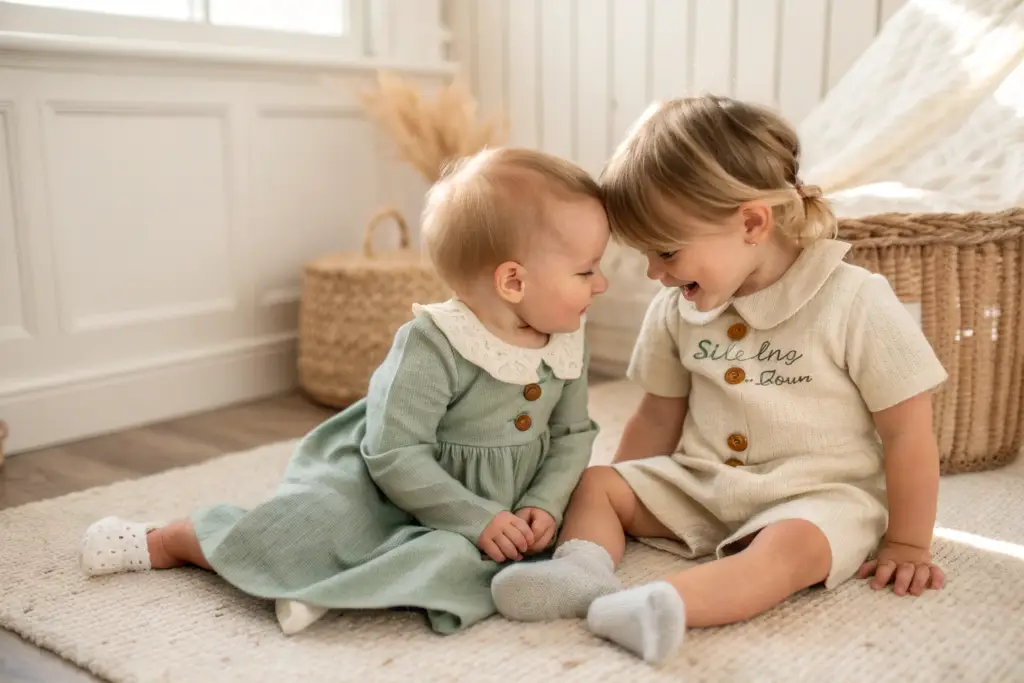
How Does "Tonal Monogram Personalization" Individualize a Gender-Neutral Garment Without Gendering It?
A tonal monogram—embroidered in thread one shade lighter or darker than the garment fabric—adds the child's initials in a subtle, sophisticated way that personalizes the garment without introducing a gendered color or motif. The monogram makes the garment feel special and personal while preserving its pass-down potential.
Why Are "Natural Corozo Nut Buttons and Wooden Toggles" Preferred Over Plastic Buttons by Sustainability-Conscious Parents?
Corozo nut buttons are made from a renewable, natural material that biodegrades, unlike petroleum-based plastic buttons. They have a warm, organic texture and a subtle, natural color variation that aligns with the sustainability values and the natural aesthetic that modern parents seek.
What "Practical Construction Adaptations" Make a Beautiful Custom Garment Actually Wearable for an Active Child?
A Brooklyn-based children's brand once designed a stunning collection of organic cotton party dresses for little girls. The dresses featured delicate hand-smocking, French lace collars, and beautiful mother-of-pearl buttons up the back. The dresses were breathtaking on the hanger. They were a nightmare to put on a squirming toddler. The thirty tiny buttons up the back required ten minutes of patient wrangling. The delicate lace collar was scratchy against the child's neck. The dress was dry-clean only. Modern parents, who value their time and their child's comfort, returned the dresses in droves. The brand had designed a museum piece, not a garment for a living, moving, playing child.
Practical construction adaptations transform a beautiful custom garment into a genuinely wearable one by incorporating hidden functional features that respect the reality of dressing and caring for an active child: expandable waistbands with internal elastic adjusters and growth tucks that extend the garment's wearable lifespan; easy-change snap closures at the crotch and shoulder for diaper access on infant garments; flat, tagless interior construction that eliminates skin irritation; and reinforced, double-layer knee panels and elbow patches that allow a child to crawl, climb, and play without destroying the garment.
A parent who struggles for ten minutes to button thirty tiny buttons on a squirming toddler does not remember the beauty of the hand-smocking. She remembers the frustration. She does not reorder from that brand. The practical adaptations are not compromises to the garment's beauty; they are the features that allow the beauty to be worn.
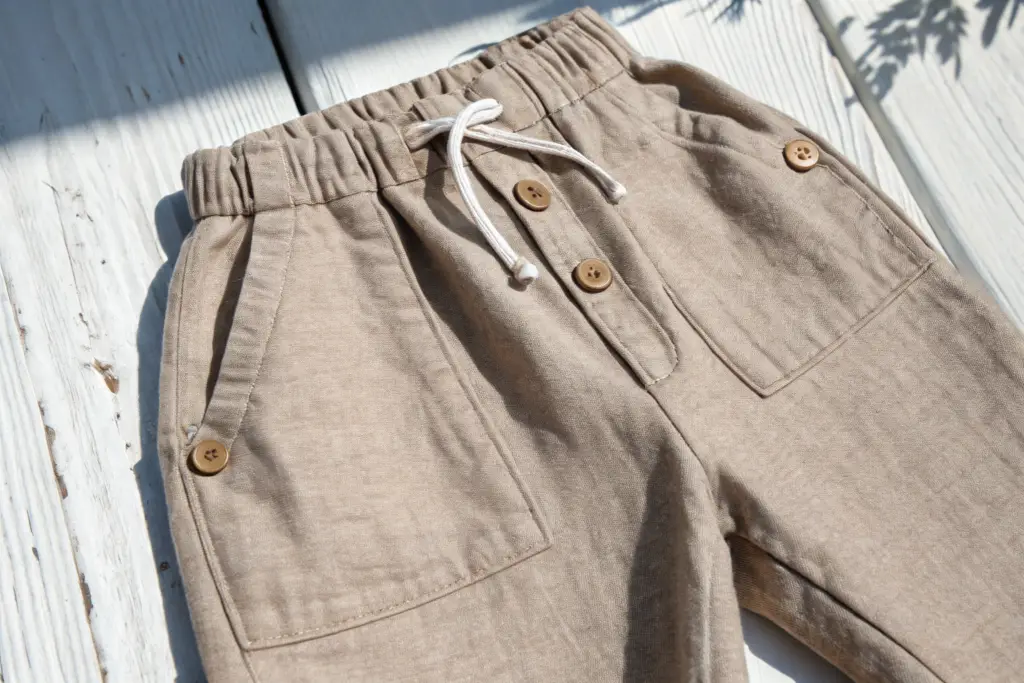
How Does a "Snap Crotch Closure With Flat, Soft Snaps" on an Infant Romper Preserve the Garment's Aesthetic While Enabling a 30-Second Diaper Change?
The snaps are applied to a concealed inner placket, invisible from the outside when closed. The snaps themselves are a flat, matte, skin-safe polyurethane material in a color matched to the garment, not shiny metal or bright plastic. The parent can change a diaper in 30 seconds without removing the entire garment, and the snaps remain invisible to anyone admiring the romper.
Why Are "Flatlock Seams" Preferred Over "Overlock Seams" for Children With Sensory Sensitivities?
An overlock seam has a raised, textured ridge where the overlock stitching wraps the fabric edge. This ridge can feel scratchy or irritating against sensitive skin. A flatlock seam is sewn with the two fabric edges butted together and stitched flat, creating a smooth, nearly imperceptible seam that lies completely flat against the child's skin.
A Nashville-based children's brand once shipped their custom garments in a standard clear polybag with a generic packing slip. The garment was beautiful. The unboxing experience was utilitarian. The brand's customers received the garment, removed it from the polybag, and threw the packaging away. No emotion. No sharing. No word-of-mouth. A competitor brand shipped a similarly priced garment in a custom-branded, recyclable box with the child's name hand-lettered on a small card, a small sachet of dried lavender, and a note about the organic farm where the cotton was grown. Mothers unboxed these garments, photographed the experience, and posted it to Instagram and parenting Facebook groups. The packaging transformed a private transaction into a public brand endorsement.
Instagram-ready packaging and unboxing experience transforms a garment purchase into shareable brand content by designing every element of the packaging—the recyclable branded box, the personalized tissue paper, the handwritten-style note, the pressed flower or small gift, the photo of the garment being made—to be visually beautiful and emotionally resonant, creating a moment that the parent feels compelled to photograph and share with their social network, effectively turning every customer into an unpaid brand ambassador whose organic content reaches an audience of similarly situated potential customers.
A parent who receives a beautiful garment in a plastic bag has received a product. A parent who receives a beautiful garment in a curated, personalized, emotionally resonant package has received an experience. The product is private. The experience is shareable. And in a market where trust and peer recommendation drive purchasing decisions, a shared unboxing experience is more valuable than any paid advertisement.
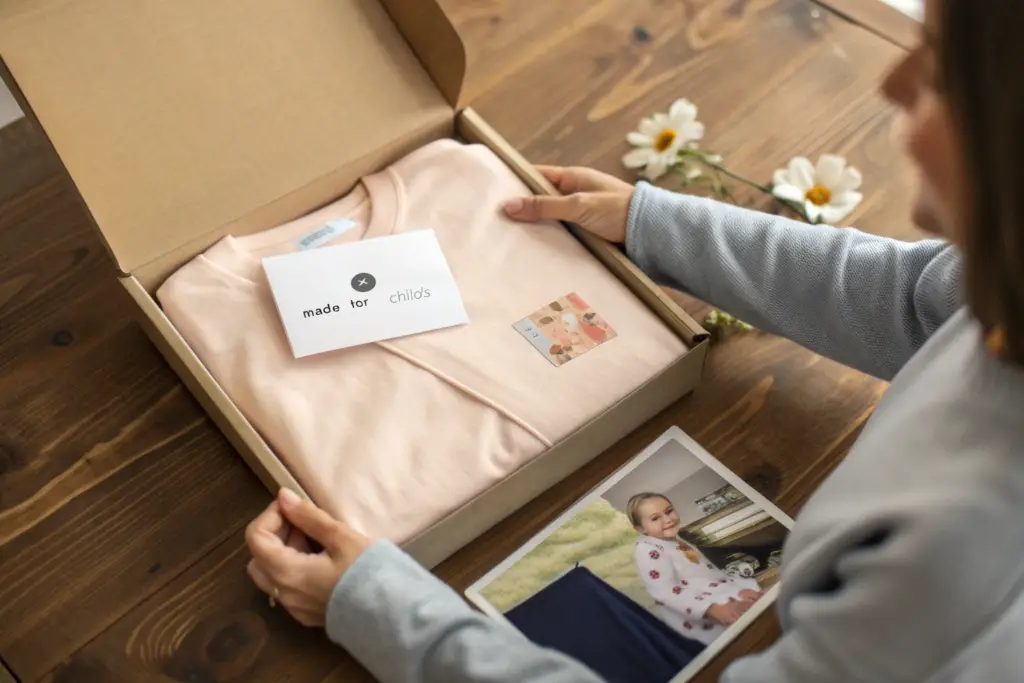
How Does a "Personalized Handwritten-Style Note" Referencing the Child's Name Create an Emotional Connection That a Generic Packing Slip Cannot?
The note says, "Dear Oliver, we made this just for you. May it accompany you on many adventures." The parent reads it, feels seen and valued, and photographs the note to share. A generic packing slip with an order number creates no emotion and is discarded instantly.
Why Should the "Garment Origin Story" Be Included in the Packaging?
A small card explaining where the organic cotton was grown, how the garment was dyed with low-impact dyes, and a photo of the sewing team creates a narrative of care and craftsmanship. The parent shares this story with friends, reinforcing the brand's values and justifying the premium price of the garment.
Conclusion
Beautifully designing custom kids wear that appeals to modern American parents requires designing for the parent as the primary customer while making the child comfortable, safe, and beautiful. The GOTS and OEKO-TEX certifications are the trust foundation upon which the entire brand rests. The gender-neutral, heirloom-quality design language transforms a single garment into a multi-child investment, justifying a higher price point. The practical, hidden construction adaptations—snap closures, grow-with-me waistbands, flatlock seams—ensure that the beautiful garment is actually worn and loved, not returned in frustration. The Instagram-ready, personalized unboxing experience turns every customer into a brand ambassador whose organic content reaches the exact demographic the brand needs to reach.
At Shanghai Fumao, I work with children's wear brands to implement all five of these design principles. My fabric sourcing team provides GOTS-certified organic cotton and OEKO-TEX Appendix 6 certified dyes. My pattern-making team can engineer expandable waistbands, reinforced knees, and snap crotch closures. My embroidery team can produce tonal monogram personalization. My packing team can assemble the personalized, Instagram-ready unboxing experience.
If you are a brand buyer developing a custom children's wear collection and you want a manufacturing partner who understands both the emotional and the practical design requirements of the modern American parent, contact my Business Director, Elaine. She can share our children's wear fabric certifications, our practical construction feature samples, our personalization capabilities, and our packaging options. Reach Elaine at: elaine@fumaoclothing.com. Design for the parent who purchases, and the child who wears will be beautifully served.