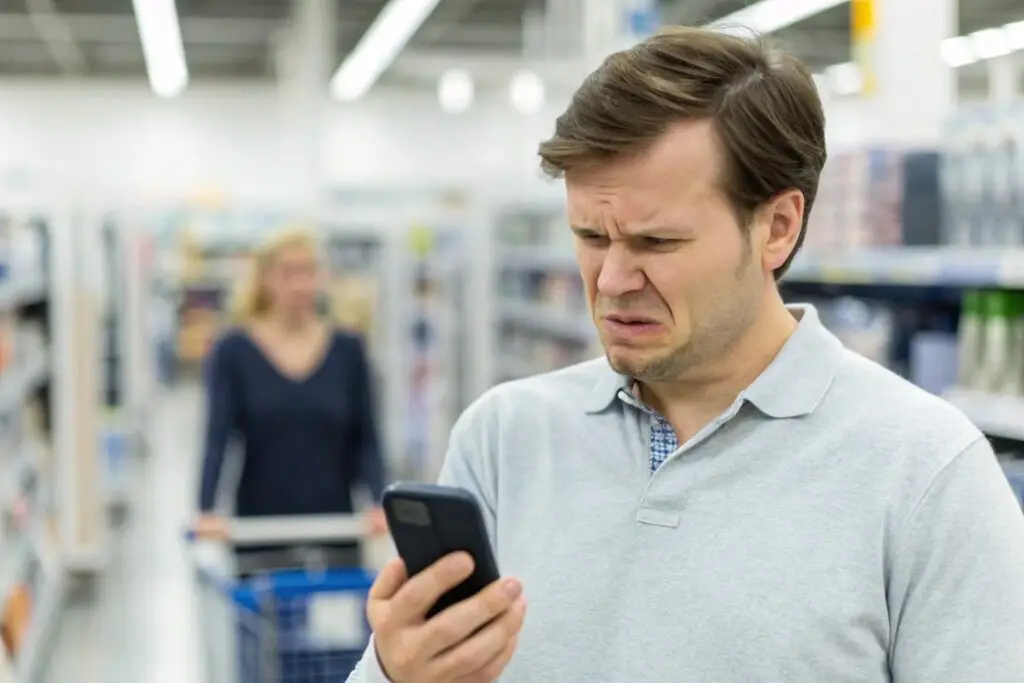
Foot traffic is down. Stores are closing. Customers walk in, browse, and leave empty-handed. So what went wrong?
Traditional retail stores are struggling to meet the needs of modern shoppers due to outdated formats, poor digital integration, inflexible service, and lack of personalization.
As shopping habits evolve, many physical stores are falling behind—failing to deliver the speed, value, and experience today’s consumer expects.
What is the biggest problem faced by retail stores?
Stores still matter—but only if they evolve. Right now, most aren’t moving fast enough to keep up with what shoppers want.
The biggest problem faced by retail stores is the failure to adapt to changing consumer behavior—especially the demand for convenience, speed, and digital experiences.
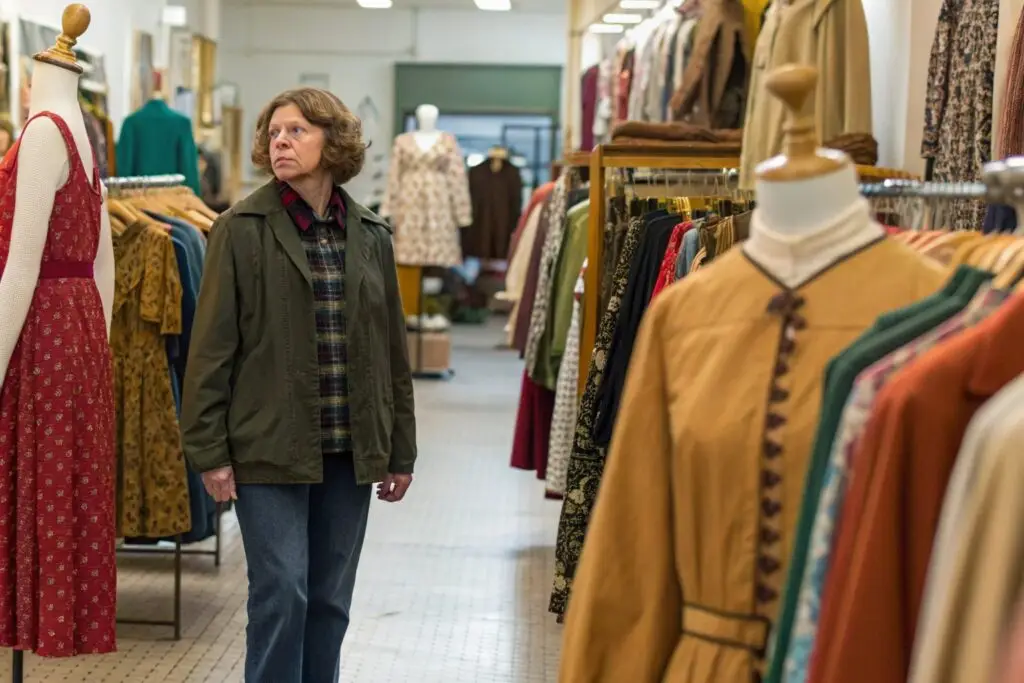
What’s going wrong inside physical stores?
Here are the most common issues:
- Poor in-store experience1: Overcrowded racks, long lines, or no staff help
- Lack of inventory: Products shown online aren’t available in store
- No personalization: Same setup for everyone, no tailored recommendations
- Disconnected channels2: Online and offline systems don’t “talk” to each other
- Slow checkout: Outdated POS systems frustrate shoppers
| Issue | Shopper Impact |
|---|---|
| Missing stock | Wasted trip, disappointment |
| No mobile integration | Friction between channels |
| Generic experience | No reason to return |
| Staff untrained | Poor service, lost sales |
I recently visited a store looking for a jacket I saw online. It wasn’t available, and the associate couldn’t order it for me in-store. I went home, bought from a competitor—and never looked back.
What are shoppers expecting now?
- Real-time inventory visibility3
- Buy online, pick up in-store
- Self-checkout or mobile POS
- Curated recommendations
- Spaces that feel like community, not showrooms
Stores that treat shoppers like data-driven individuals—not foot traffic—are the ones that win.
What is the difference between traditional retail and modern retail?
The gap between how stores used to work and how they need to work now is bigger than ever.
Traditional retail focuses on in-store sales and face-to-face service, while modern retail blends digital tools, omnichannel strategies, and data-driven personalization.
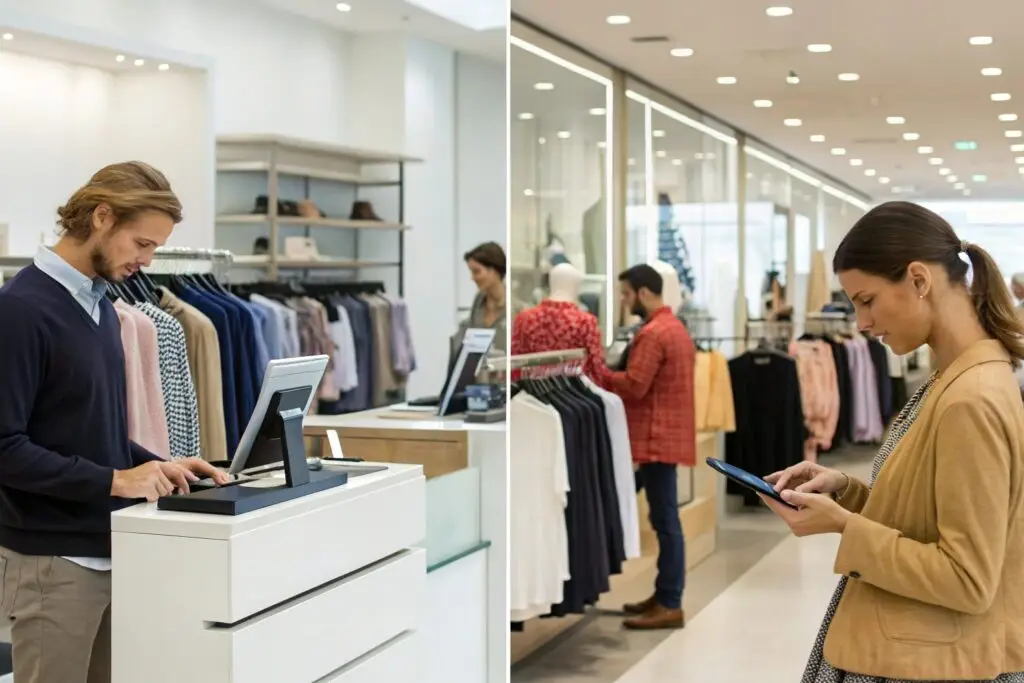
How do these models compare?
| Feature | Traditional Retail | Modern Retail |
|---|---|---|
| Inventory | In-store only | Shared across all channels |
| Customer Experience4 | One-size-fits-all | Personalized + targeted |
| Checkout | Cashiers only | Mobile, self, and app-based |
| Sales Channels | Storefront | Web, app, social, pop-up |
| Data Use | Minimal | Real-time insights5 |
Traditional retail relies heavily on foot traffic. Modern retail follows the customer across devices, platforms, and even moods.
What makes modern retail work better?
- Convenience: Click-and-collect, next-day delivery
- Transparency: Real-time pricing and stock updates
- Loyalty: Integrated rewards and personalized offers
- Community: Social commerce6, reviews, influencers
I know brands that let shoppers pre-book fitting rooms via app, get style advice via chat, and then pick up their order from a locker—all within 2 hours. That’s what modern feels like.
Is the retail industry growing or declining?
The headlines say “retail is dying,” but the reality is more nuanced. It’s not about decline—it’s about transformation.
The retail industry is evolving, with traditional models shrinking and modern, digital-first strategies driving new growth across online and hybrid formats.
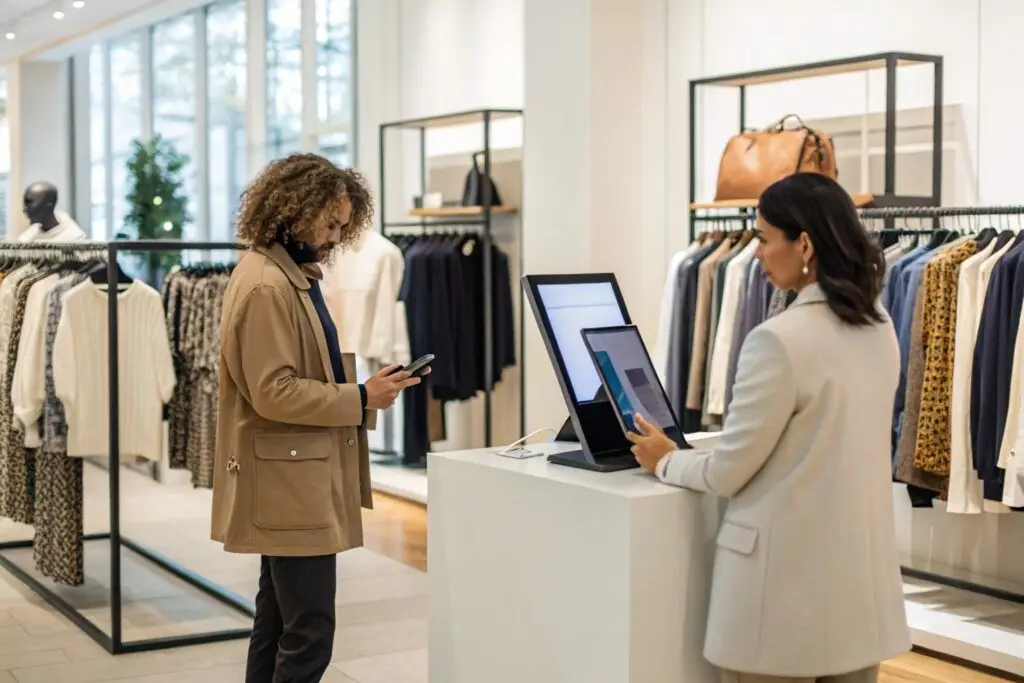
What’s actually happening?
- Store closures7 are up—for legacy chains that didn’t adapt
- Retail sales overall are growing—but mainly online
- Physical retail is being redefined, not erased
| Sector | Growth Trend (2020–2025) |
|---|---|
| E-commerce8 | ↑ Rapid increase |
| Omnichannel brands | ↑ Moderate, sustainable |
| Traditional department stores | ↓ Decline and consolidation |
| DTC (direct-to-consumer) | ↑ Strong niche expansion |
The winning formula? Blending channels9. Brands that sell online, offer in-store experiences, and connect through content are thriving.
What about smaller retailers?
Many small shops are pivoting successfully by:
- Creating online stores or live selling
- Using Instagram, TikTok, and WhatsApp to reach buyers
- Offering personalized services or niche products
- Partnering with local makers or experiences
It’s not about size—it’s about relevance.
Why are retailers struggling?
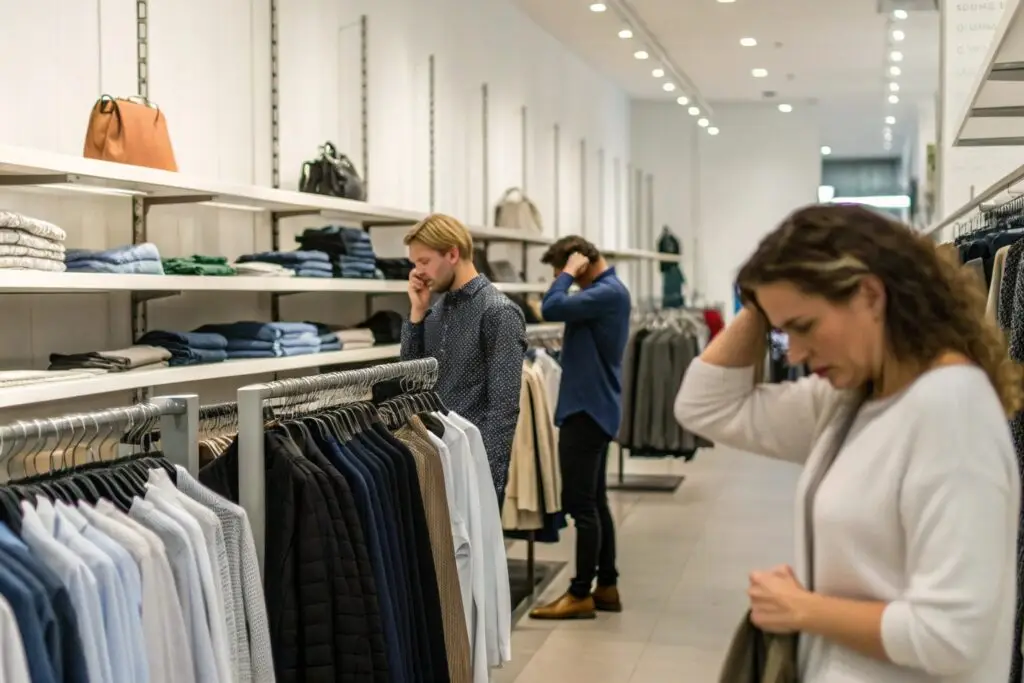
Retail is competitive. And with so many choices, it only takes one bad experience for a shopper to switch brands.
Retailers struggle because of high operating costs, poor adaptation to digital trends, shifting consumer values, and supply chain disruptions.
What internal problems hurt retailers the most?
- Outdated tech stacks10
- Fragmented inventory management11
- Lack of digital talent or innovation
- Rigid supply chains with long lead times
- Inefficient staffing models
| Challenge | Effect on Store Performance |
|---|---|
| Poor tech integration | Slower checkouts, lost sales |
| High overhead | Shrinking margins, store closures |
| Generic marketing | Low engagement, high churn |
| Disconnected channels | Broken customer journey |
I’ve seen retailers spend millions on in-store displays but neglect their website UX. Meanwhile, their shoppers are browsing on mobile and buying from faster competitors.
What are consumers doing differently?
- Shopping more online—even for basics
- Expecting fast service, easy returns
- Looking for brand values12, not just discounts
- Choosing experience over transaction
If retailers don’t evolve with their audience, they lose them. It’s that simple—and that urgent.
Conclusion
Traditional retail isn’t dead—but it’s definitely being redefined. Modern shoppers want flexibility, personalization, and seamless experiences. The stores that listen and adapt will thrive. The ones that don’t? They’ll be forgotten.
-
Understanding the impact of poor in-store experiences can help retailers improve customer satisfaction and sales. ↩
-
Exploring solutions for disconnected channels can enhance customer experience and streamline operations. ↩
-
Learning about real-time inventory visibility can help retailers meet customer expectations and reduce lost sales. ↩
-
Explore how personalized experiences enhance customer satisfaction and loyalty in modern retail environments. ↩
-
Discover the impact of real-time data on inventory management and customer engagement in retail. ↩
-
Learn about the role of social commerce in driving sales and building community in today's retail landscape. ↩
-
Understanding the factors behind store closures can help you navigate the retail landscape better. ↩
-
Exploring e-commerce growth trends can provide insights into future shopping behaviors and opportunities. ↩
-
Learning about blending channels can help businesses adapt and thrive in the evolving retail environment. ↩
-
Understanding the effects of outdated tech can help retailers innovate and improve their operations. ↩
-
Exploring this topic can reveal strategies to streamline operations and enhance customer satisfaction. ↩
-
Discovering the significance of brand values can guide retailers in aligning with consumer expectations and building loyalty. ↩