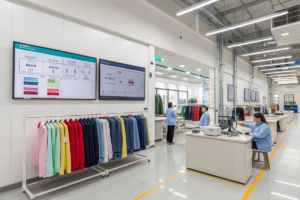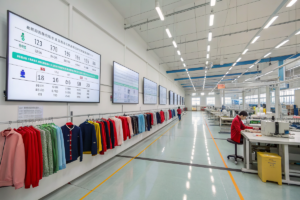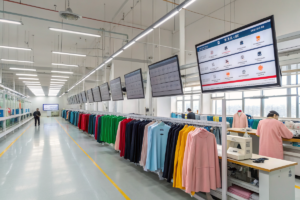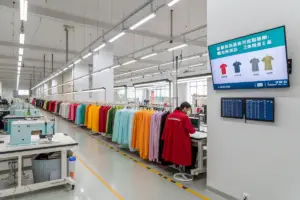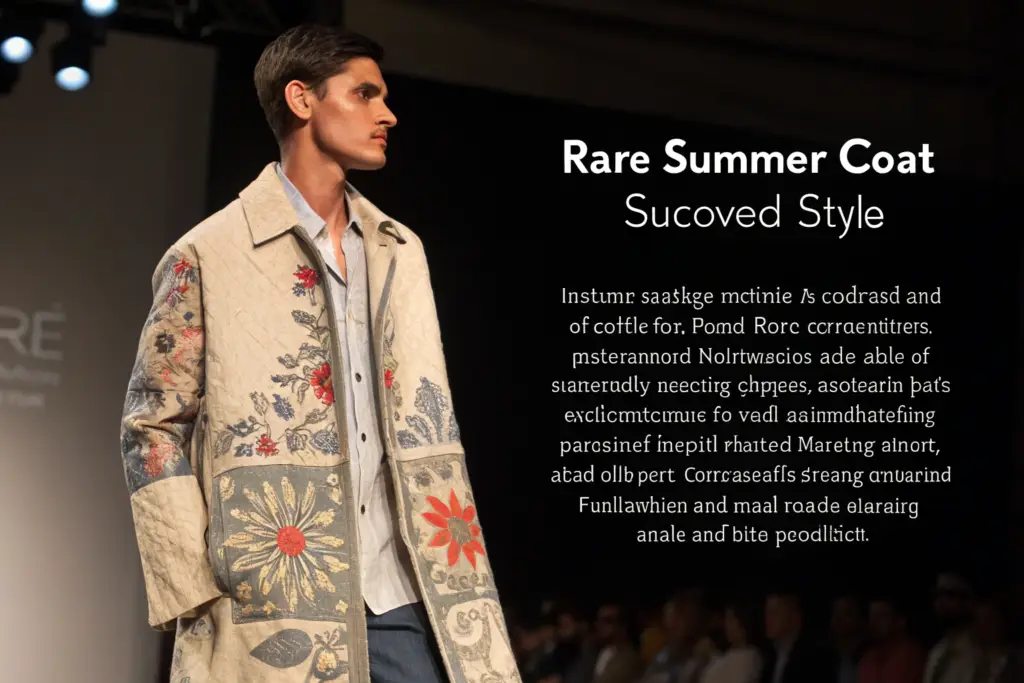
I was walking through a textile trade show in Shanghai three years ago when I stopped at a small booth tucked in the back corner of the exhibition hall. The booth belonged to a fabric mill from a town I had never heard of in Zhejiang province. They were showing a fabric I had never seen before: a paper-thin ramie-linen blend with a subtle, almost metallic slub texture and a drape that looked like water flowing over stones. It was not in any trend forecast. It was not in any competitor’s collection. It was a fabric the mill had developed for the Japanese kimono market and had never exported. I bought 200 meters on the spot. Six months later, a brand partner from New York launched a duster coat in that fabric. It sold out in four days. Her competitors could not copy it because they could not find the fabric. The mill had no online presence. The fabric was not listed on any B2B platform. The brand’s competitive advantage came from a source her competitors did not know existed.
Sourcing rare summer coat styles that competitors cannot easily replicate requires moving beyond the standard sourcing channels of Alibaba and trade show main aisles. The most effective strategies are: developing exclusive fabrics through direct mill partnerships in second-tier textile cities like Shaoxing, Nantong, and Suzhou, where small-batch custom weaving and dyeing are possible at manageable minimums, mining deadstock and vintage fabric markets for limited-run materials that create inherent scarcity, commissioning custom prints and jacquards from digital printing studios that accept low minimums, collaborating with the factory’s in-house pattern team to adapt obscure vintage patterns or regional traditional garments into modern summer coat silhouettes, and combining these rare materials with unique construction techniques like raw-edge appliqué, hand-stitched finishing, or hybrid fabric paneling that require specialized labor most factories cannot access.
The standard sourcing playbook, searching Alibaba, attending trade shows, browsing competitor products, leads to standard results. Every brand sees the same fabrics. Every brand sources the same silhouettes. The market fills with indistinguishable products. Price becomes the only differentiator. Margin collapses. The alternative is to build a sourcing capability that accesses materials, techniques, and designs that are invisible to competitors who rely on the standard playbook. At Shanghai Fumao, I have spent fifteen years building relationships with mills, trim suppliers, and craft workshops that do not advertise, do not exhibit, and do not appear in Google search results. These relationships are the source of the rare styles that give our brand partners genuine competitive differentiation. Let me show you how to access these hidden resources.
Direct Mill Partnerships for Exclusive Fabric Development
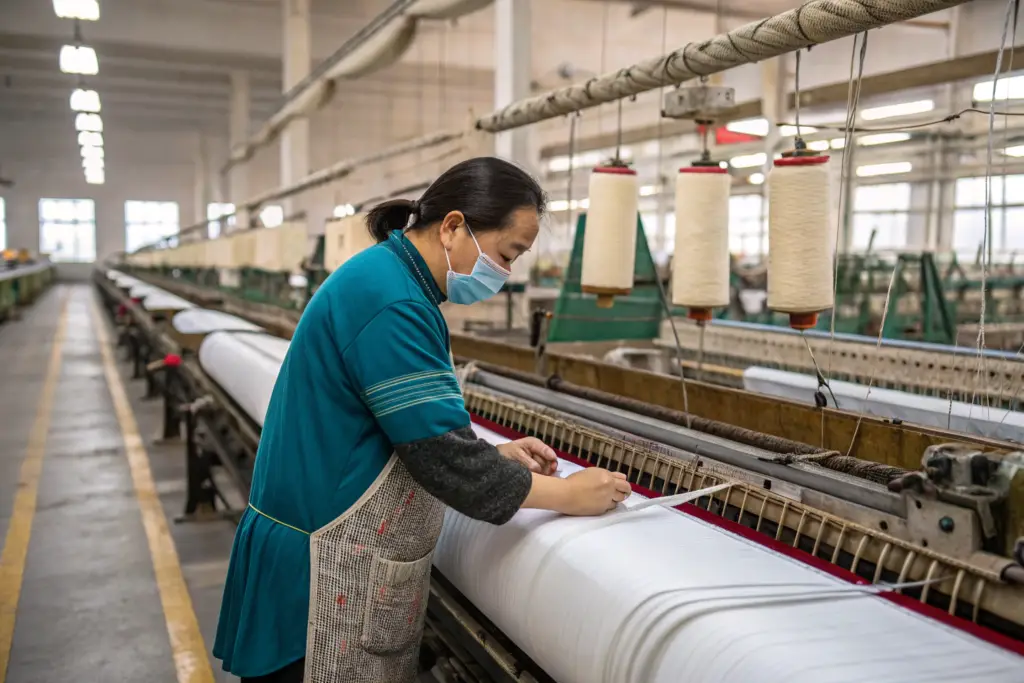
The fabric is the coat. A rare coat begins with a rare fabric. The standard fabric supply chain is designed for standardization, not rarity. Large mills produce large volumes of fabrics that are guaranteed to sell to large brands. The fabrics are beautiful, consistent, and commercially safe. They are also widely available. Any brand can buy them. The alternative supply chain is the network of small, specialized mills that serve niche markets: traditional garment makers, high-end Japanese and Korean designers, costume houses, and craft studios. These mills do not exhibit at the major textile trade shows. They do not have Alibaba storefronts. They operate through relationships and word-of-mouth referrals. Their minimum order quantities are lower than the large mills, typically 100 to 300 meters per color. Their lead times are longer. Their prices are higher. Their fabrics are unique.
To access these mills, a brand owner needs a factory partner with established relationships in the second-tier textile cities. The most productive regions for rare summer coat fabrics are: Shaoxing in Zhejiang province, the center of China’s linen and ramie weaving industry, where small mills still operate wooden shuttle looms that produce fabrics with an irregular, handmade texture impossible to replicate on modern projectile looms, Nantong in Jiangsu province, the historic center of cotton textile production, where mills specialize in ultra-fine cotton voiles and cotton-silk blends with a softness that mass-market fabrics cannot match, and the Suzhou area, where silk-weaving families have operated for generations and can produce custom jacquards, brocades, and silk-linen blends at surprisingly low minimums. These mills are typically willing to develop custom weaves and custom fiber blends for orders as small as 200 meters, which translates to approximately 100 to 120 summer coats, if the relationship is introduced by a trusted factory partner.
The fabric development process with a small mill is collaborative and slow, relative to ordering stock fabric from a large mill. The brand owner provides a reference: a vintage fabric swatch, a photograph of a texture, a description of a desired hand feel. The mill weaves trial samples on a sample loom, adjusting the yarn composition, the weave density, and the finishing process based on feedback. Three to four rounds of sampling are typical. The process takes six to eight weeks. The cost is higher than stock fabric, typically a 20% to 40% premium. The result is a fabric that exists nowhere else in the market. A competitor who wants to copy the coat must first identify the fabric, then find the mill that produced it, then persuade the mill to sell it. The mill, loyal to the factory that brings them consistent business, is unlikely to cooperate. The fabric becomes a competitive moat.
How Do You Find a Mill That Will Work with Small Brands?
A small brand cannot approach a small mill directly and expect a productive relationship. The mill owner does not speak English. The mill does not have a sample fulfillment process. The mill is not set up to communicate with individual overseas buyers. The brand needs an intermediary: a factory or a sourcing agent who has an existing relationship with the mill. The intermediary vouches for the brand’s seriousness and creditworthiness. The intermediary manages the communication, the sampling, the quality control, and the logistics. At Shanghai Fumao, I have a portfolio of twelve partner mills that I have worked with for at least five years each. When a brand partner requests a rare fabric, I know which mill is most likely to have the capability. I introduce the brand’s reference to the mill owner. I translate the aesthetic requirements into technical specifications. I manage the sampling process and ensure the final fabric meets our quality standards for color fastness, shrinkage, and seam strength. The brand partner accesses the rare fabric without navigating the relationship complexity. The mill receives a vetted, reliable customer without marketing or sales effort. The factory adds value through its relationship network. This tripartite model, brand, factory, niche mill, is the most practical path for a small-to-medium brand to access exclusive fabrics.
What Types of Rare Fabrics Are Available for Summer Coats?
The rare fabric category includes materials that are too unusual, too expensive, or too difficult to produce for the mass market. Ramie-linen blends are a prime example. Ramie is a bast fiber similar to linen but with more luster and a crisper hand. A 70% ramie, 30% linen blend produces a fabric with a subtle sheen, exceptional breathability, and a dry, papery texture that is completely distinct from standard cotton-linen blends. Handwoven cotton khadi from small Indian or Chinese workshops has an irregular slub texture and a softness that machine-woven fabric cannot replicate. It is produced in very small quantities and is inherently limited edition. Peace silk or Ahimsa silk, produced from cocoons without killing the silkworm, has a matte finish and a slightly nubby texture that is different from conventional silk. It carries a compelling sustainability story. Ultra-fine cotton voile at 60 to 80 GSM, half the weight of standard summer shirting, produces a coat that is nearly weightless and translucent. It is difficult to sew without puckering, requiring the specialized lightweight fabric handling skills we discussed in a previous article. Natural-dyed fabrics using indigo, madder root, lac, or myrobalan produce colors that are subtly uneven and impossible to replicate exactly with synthetic dyes. Each dye lot is unique. The fabric’s limitations, small batch size, color variation, irregular texture, become the product’s differentiation points when the story is communicated effectively.
Deadstock, Vintage, and Limited-Run Material Sourcing
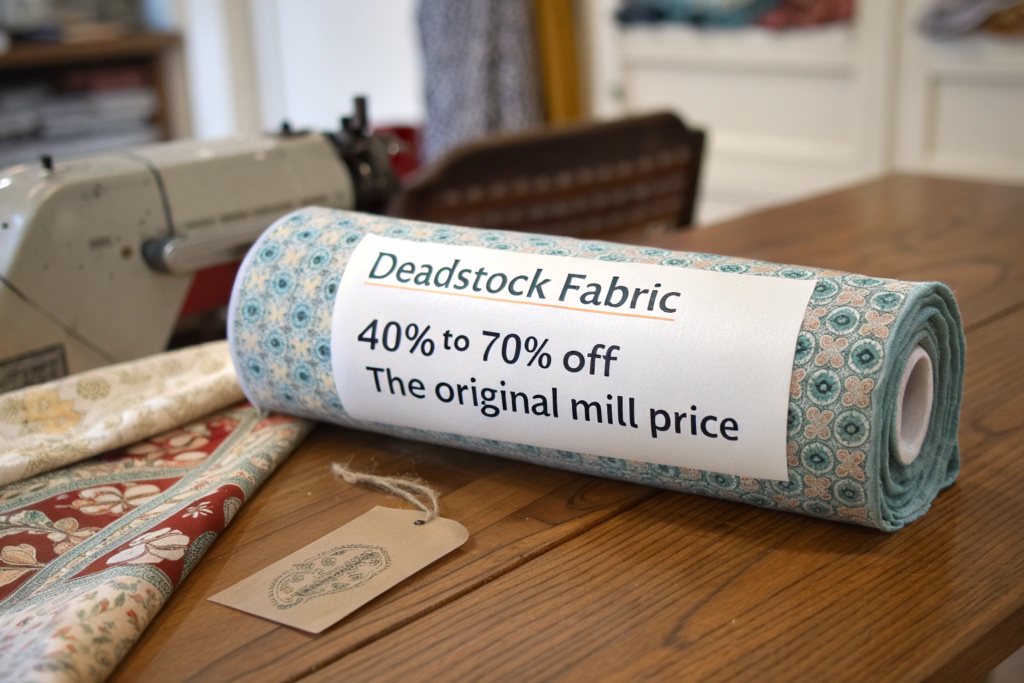
Deadstock fabric is unused fabric left over from a previous production run by a large brand, a mill overrun, or a cancelled order. It is sold at a significant discount, typically 40% to 70% off the original mill price, because the original buyer no longer needs it and the mill needs to clear warehouse space. Deadstock fabric is the ultimate limited edition material. The available quantity is whatever remains on the roll: 50 meters, 150 meters, sometimes 500 meters. When the roll is gone, it is gone forever. A coat made from deadstock fabric has inherent scarcity. The brand cannot produce more units than the fabric allows. The marketing message writes itself: "Limited run of 80 coats. When this fabric is gone, this style is retired." Scarcity drives urgency. Urgency drives full-price sell-through.
Sourcing deadstock fabric for summer coats requires access to deadstock wholesalers, mill outlet warehouses, and fabric jobbers. The most concentrated markets for deadstock in China are located in the outskirts of major textile cities: the Keqiao district of Shaoxing for woven linens and cottons, the Zhongda fabric market area in Guangzhou for synthetic chiffons and novelty weaves, and the Wujiang district near Suzhou for silk and silk-blend deadstock. These markets are not accessible through B2B platforms. They require physical visits by a knowledgeable buyer who can inspect the fabric condition, measure the available yardage, and negotiate the cash-and-carry transaction. A factory partner with a local sourcing team can perform this function on behalf of overseas brands.
The deadstock sourcing process is opportunistic, not systematic. A factory’s sourcing team visits the deadstock markets monthly, or receives calls from deadstock dealers when interesting lots become available. The team inspects the fabric, verifies the fiber content with a burn test or a portable spectrometer, measures the yardage, and sends photographs and a hand-feel description to brand partners who have expressed interest in rare materials. The brand partner decides within 24 to 48 hours whether to claim the lot. The lot is purchased with factory funds and held in the factory’s warehouse for the brand’s order. The speed of decision is critical. Desirable deadstock lots sell quickly. A brand that takes two weeks to decide will find the fabric gone. The deadstock channel rewards brands that trust their factory partner’s judgment and can make fast, decisive commitments. The reward is a material that no competitor can access at any price.
What Are the Risks of Using Deadstock Fabric?
Deadstock fabric carries three risks that brand owners must understand and accept. The first risk is non-repeatability. The fabric is a finite lot. If the brand’s coat sells well and the brand wants to re-order, the fabric is not available. The style is retired after one production run. This is simultaneously a limitation and a marketing advantage. The brand must plan for the style to be a one-time offering and price it accordingly, typically at a premium that reflects its limited-edition nature. The second risk is inconsistent quality. Deadstock fabric may have been stored for months or years in a warehouse without climate control. It may have crease marks, edge yellowing, or slight fading from light exposure. It has no mill test certificates. We inspect deadstock fabric thoroughly before purchasing: we check for color consistency across the roll, we test for fiber content, we wash a sample to verify shrinkage and color fastness. We reject approximately 30% of deadstock lots due to quality concerns that are not visible in photographs. The third risk is insufficient yardage. A deadstock roll may contain 120 meters of fabric. The brand’s marker efficiency and size curve may require 1.8 meters per coat. The roll yields 66 coats, minus a 5% cutting waste allowance, leaving approximately 62 coats. The brand must accept this quantity limitation and plan the launch accordingly. The deadstock model is not suitable for brands that require consistent, repeatable inventory. It is ideal for brands that build their identity around exclusivity and scarcity.
How Do Vintage and Antique Fabrics Differ from Deadstock?
Vintage fabrics are fabrics that were produced decades ago and have never been used. They are found in the warehouses of mills that have been in operation for generations, in the estates of retired tailors and dressmakers, and in specialized vintage textile dealers. Vintage fabrics have characteristics that modern fabrics cannot replicate: natural dyes that have aged to a patina, weave structures that are no longer produced because the looms are obsolete, fiber blends that are commercially unviable today. An example is a 1950s Japanese cotton-linen blend with a particular type of slub yarn that was produced by a spinning technique no longer used. The fabric has a texture that no modern mill can reproduce because the spinning machinery no longer exists. A summer coat made from true vintage fabric is not just rare. It is unreproducible. The quantity is usually very small, 20 to 60 meters, enough for a micro-collection of 10 to 30 coats. The price is high. The quality inspection is critical because vintage fabric may have hidden weaknesses from decades of storage. The market for such coats is small but passionate. The coats sell at very high retail prices, $200 to $500, to customers who value uniqueness above all else. This category is not for every brand. For brands that have cultivated a customer base that seeks one-of-a-kind pieces, vintage fabric sourcing is a powerful differentiator.
Custom Prints, Jacquards, and Surface Embellishments
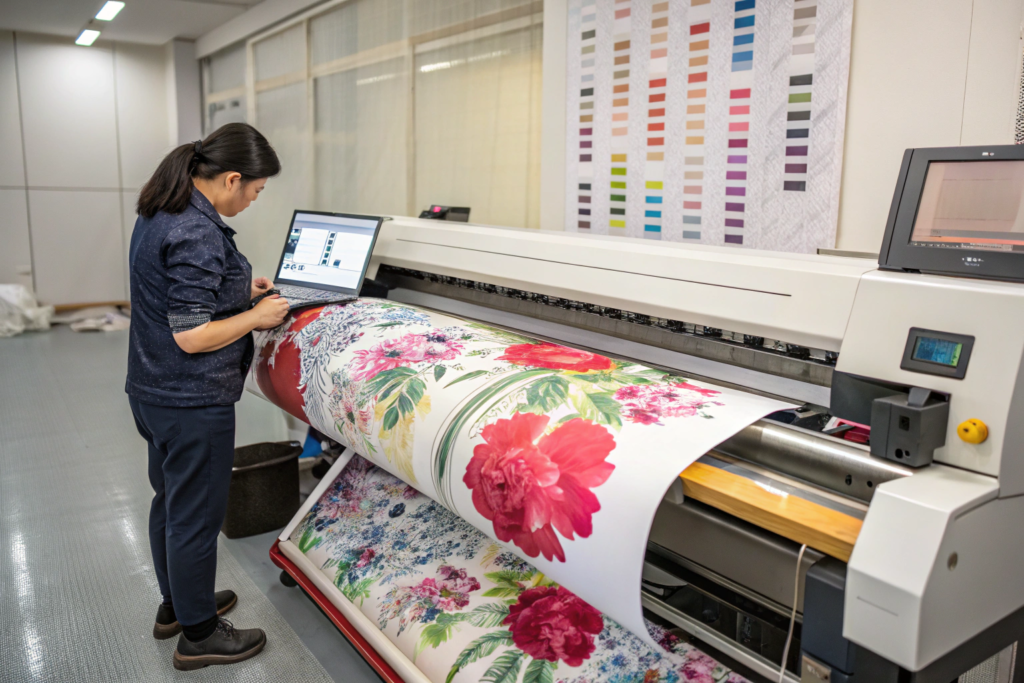
Custom surface design is the most accessible path to a rare product. The brand creates a print, a jacquard weave, or an embellishment that is their intellectual property. No competitor can buy the same fabric because the design belongs to the brand. Digital textile printing has revolutionized the accessibility of custom prints. A decade ago, custom printing required rotary screen engraving, which cost $500 to $1,000 per screen and required minimum runs of 1,000 meters. Digital printing requires no screens. The design file is sent directly to the printer. The minimum order can be as low as 50 meters. The cost per meter is higher than screen printing for large volumes, but for small-to-medium brands, digital printing is the only viable option for custom surface design.
Custom print development for summer coats involves four stages. Stage one is artwork creation. The brand provides original artwork, a vintage textile reference, a painting, an illustration, or a digital design, in a high-resolution file format. Stage two is print strike-off. The digital printer produces a small sample of the print on the intended fabric, typically 50 centimeters by 50 centimeters. The strike-off is reviewed for color accuracy, print clarity, and the effect of the fabric texture on the print appearance. Stage three is color adjustment. Based on the strike-off review, the printer adjusts the color profile. One to three rounds of adjustment are typical. Stage four is bulk printing. The approved design is printed on the bulk fabric order, typically 100 to 500 meters. The total process takes three to five weeks and adds $2.50 to $5.00 per meter to the fabric cost, depending on the number of colors and the fabric type.
Custom jacquard weaving is a more involved process but produces a fabric with a woven-in pattern that has depth and texture digital printing cannot replicate. The design is converted into a weave file that controls each individual warp thread on the jacquard loom. The setup cost for a custom jacquard is $300 to $800 for the weave file preparation, and the minimum order is typically 200 to 400 meters. The result is a fabric with the brand’s pattern literally woven into the structure. A summer coat made from custom jacquard fabric is extremely difficult to copy. The copier would need to convince a jacquard mill to analyze the weave structure and recreate the weave file, a process that takes weeks and costs thousands of dollars. The combination of a custom print and a custom silhouette, with a custom trim, creates a product that is economically irrational for a competitor to copy.
Can Small Brands Afford Custom Surface Design?
The cost of custom surface design has decreased dramatically over the past decade, making it accessible to brands with moderate budgets. A custom digital print on 200 meters of lightweight cotton-linen fabric, suitable for approximately 100 to 120 coats, has the following approximate cost structure. Artwork digitization and color separation: $80 to $150. Strike-off sampling, two rounds: $100 to $200. Digital printing cost premium over stock fabric: $3.00 per meter. Total custom print cost for the 200-meter order: $600 printing premium plus $300 sampling and setup, totaling $900. Amortized across 110 coats, the custom print adds approximately $8.20 per coat to the fabric cost. A coat that would cost $22 FOB with a stock fabric now costs $30 FOB with the custom print. If the brand can increase the retail price from $89 to $109 based on the exclusivity of the custom print, the $20 retail price increase covers the $8 cost increase and adds $12 of additional gross profit per coat. The math works. The brand does not need a large budget. The brand needs the confidence that its design will appeal to its customers and justify the retail price premium.
What Types of Embellishments Create Truly Unique Summer Coats?
Embellishment transforms a standard coat into a one-of-a-kind piece. The most impactful embellishments for summer coats are those that add texture without adding weight. Hand-stitched sashiko embroidery, a Japanese running-stitch technique, creates geometric patterns on lightweight linen or cotton. The stitching is done by hand, making each coat slightly different. It is labor-intensive, adding $8 to $15 per coat depending on the complexity, but it produces a product that cannot be replicated by machine. Hand-appliquéd fabric patches, cut from vintage or deadstock fabric remnants, create a patchwork effect that is entirely unique to each coat. No two coats are identical. Raw-edge appliqué with fringed edges adds texture and a deconstructed aesthetic. It is not achievable with standard factory sewing techniques. It requires specialized operators who understand how to handle raw edges so they fray in a controlled, intentional way. Hand-painted details using fabric paints or natural dyes allow for artistic, one-off embellishments. A single artisan can paint a series of coats, each with a slightly different interpretation of the same theme. These handwork techniques are not scalable. They are not fast. They are not cheap. They are the opposite of mass production. For brands whose identity is built on craftsmanship, artistry, and uniqueness, these techniques are the source of genuine, indefensible competitive differentiation. The factory’s role is to provide access to the skilled artisans who can perform the work. At Shanghai Fumao, we have relationships with embroidery cooperatives, hand-painting studios, and artisan sewing workshops that specialize in these techniques. We integrate their work into our production process, managing the logistics and the quality control so the brand receives a finished product that combines factory efficiency with artisanal character.
Conclusion
Sourcing rare summer coat styles that competitors cannot easily replicate is a capability built on relationships, not transactions. The rare fabric from the small mill in Shaoxing is accessible only through a factory partner who has been buying from that mill for years. The deadstock lot from the warehouse in Keqiao is available only to a buyer who visits the market monthly and can commit within 24 hours. The custom jacquard weave is producible only through a mill that has the loom technology and the willingness to run a small-batch order. The hand-stitched sashiko embellishment is executable only by an embroidery cooperative that trusts the factory to provide consistent work.
The common thread is the factory’s network. The factory is the gateway. A brand owner working alone, searching on Alibaba and attending trade shows, sees the same materials as every other brand owner. A brand owner working through a deeply connected factory gains access to materials, techniques, and artisans that are invisible to the broader market. The factory’s relationships become the brand’s competitive advantage.
At Shanghai Fumao, our network of niche mills, deadstock dealers, digital printers, jacquard weavers, and artisan workshops is the result of fifteen years of relationship building. We do not advertise these resources because they are not advertising-based businesses. We offer them to our brand partners who are seeking genuine differentiation. If you have a vision for a summer coat that uses a fabric, a print, or a technique that you have not seen in the market, and you cannot find a factory willing to source it, contact our Business Director, Elaine. Describe what you are looking for. If it exists, we likely know where to find it. If it does not exist, we likely know who can make it. Email Elaine at: elaine@fumaoclothing.com.