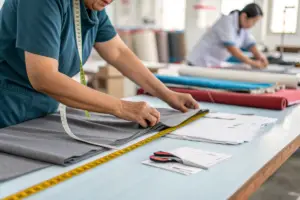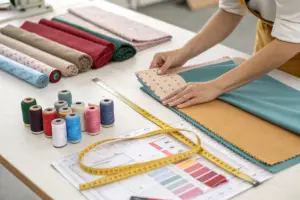
I received an email last March from a boutique owner named Sarah in Portland, Oregon. She was in a panic. Her previous cotton coat supplier, a company she found through a generic online directory, had just informed her that her summer order would be delayed by six weeks. No explanation. No apology. Just a terse email. She was facing the prospect of a completely empty outerwear section in May. She asked me a simple, desperate question: "How do I find a source I can actually trust?" Her question is the reason I am writing this guide. Finding high-quality cotton summer coats is not about finding a supplier. It is about finding the right supplier.
Boutique buyers can find high-quality cotton summer coats through a multi-channel strategy that combines direct factory partnerships, verified B2B platforms, and selective trade shows, but the most reliable source is a transparent, specialized manufacturer with a proven track record in lightweight outerwear.
The source you choose determines everything. The quality of the fabric. The consistency of the sizing. The reliability of the delivery. And ultimately, the trust your customer places in you. At Shanghai Fumao, I have spent fifteen years building a factory that serves exactly this need for boutique owners across North America. I want to share the real, practical paths to finding a source that will treat your business with the care it deserves.
What Should You Look for in a High-Quality Cotton Summer Coat?
Before you start searching for a supplier, you need a clear, detailed definition of what "high-quality" actually means. Without this definition, you are vulnerable. A charming salesperson can show you a beautiful sample, but if you do not know what to look for, you might end up with a bulk order that is a pale imitation of that sample. Quality in a cotton summer coat is not subjective. It is a checklist of specific, verifiable attributes. The fabric, the construction, and the trims all have measurable quality markers. You need to train your eye to see them, even from a photograph or a video call.
A high-quality cotton summer coat is defined by its use of premium, long-staple cotton fabrics, meticulous seam construction like French or bound seams, and natural, sustainable trims such as corozo nut buttons.
These three elements are your quality triangle. If a coat excels in all three, it is a premium product. If it fails in one, the entire garment is compromised. At Shanghai Fumao, we build our quality control process around this triangle. It is the standard we hold ourselves to for every single garment.
How Can You Identify Premium Cotton Fabric by Touch and Sight?
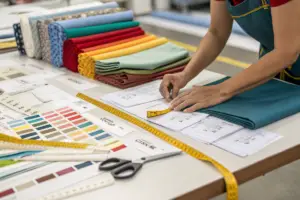
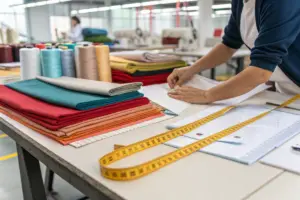
Fabric quality starts with the staple length of the cotton fiber. Long-staple cotton, like Supima or Giza Egyptian cotton, produces a yarn that is smoother, stronger, and more resistant to pilling. The fabric woven from it has a silky, cool hand feel and a subtle, natural luster. A short-staple cotton feels rougher, fuzzier, and will pill quickly with wear. You can feel the difference instantly. Run the back of your hand over the fabric. Premium cotton feels smooth and cool, almost like a fine wool.
Visually, look at the weave. A high-quality cotton twill for a summer coat will have a tight, even diagonal weave. Hold it up to the light. A dense, well-woven fabric will block light uniformly. A cheap, loose weave will show thin spots and irregularities. The color is also a tell. A premium dye job is deep, even, and saturated. There are no white or lighter spots at the seams or folds. For a recent project, we sourced a GOTS-certified organic cotton twill from an Italian mill. The fiber was a long-staple variety grown in Turkey. The fabric had a beautiful, natural elasticity and a soft sheen. A buyer from a boutique in Charleston visited our showroom, felt the fabric, and immediately said, "This feels like money." That is the reaction you want your customer to have.
What Seam Finishes and Trims Signal True Craftsmanship?
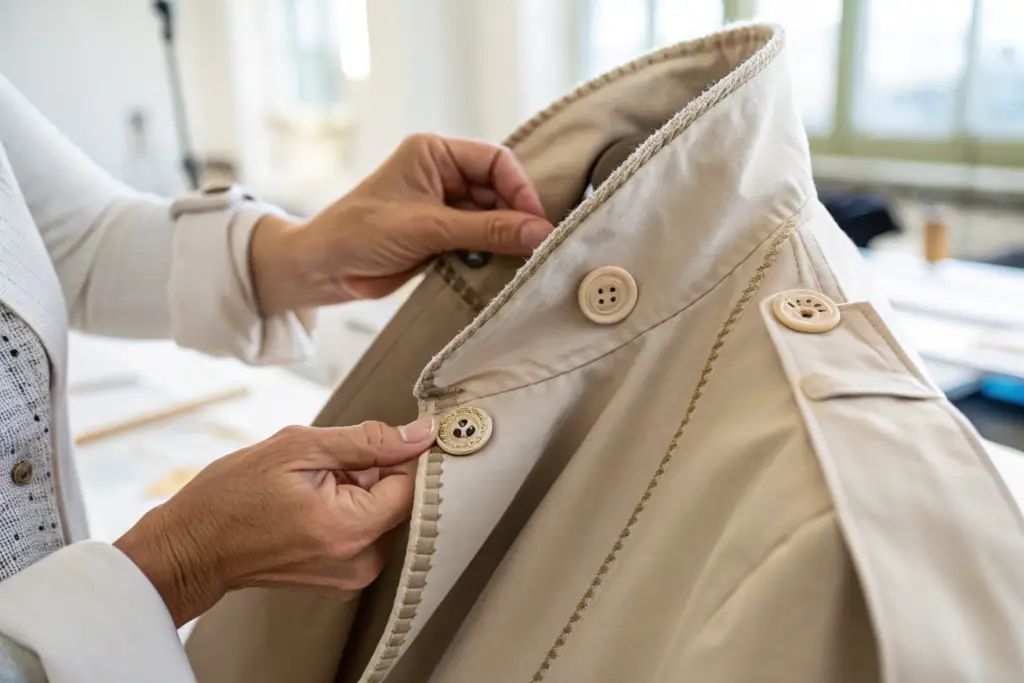
The inside of the coat tells the truth. Turn the garment inside out. A cheaply made coat will have raw, overlocked edges that are scratchy and prone to fraying. A high-quality summer coat, especially an unlined one, will have immaculate internal finishing. The gold standard is the French seam. This encloses the raw fabric edge completely, creating a clean, soft, and durable seam. Another premium finish is a bound seam, where a fine cotton tape is used to cover the raw edge.
The trims are the final proof. Buttons made from natural corozo nut have a beautiful, mottled grain and a dense, cool weight. They are a clear signal of quality. Cheap plastic buttons are lightweight, uniform, and feel warm to the touch. The button attachment is equally important. A quality button is sewn with a thread shank, a small stem of thread that lifts the button slightly from the fabric. The shank is then wrapped tightly with thread to create a secure, elegant finish. A button sewn flat, directly against the fabric, is a sign of cost-cutting. I recall a Swiss buyer who inspected our samples. He spent five minutes inside a single coat, feeling the seams and examining the buttonholes. He did not say a word. He just nodded slowly and placed a significant order. The quality had spoken for itself.
What Are the Most Reliable Sourcing Channels for Boutique Buyers?
There are many paths to finding a supplier. Some paths are wide, crowded, and full of risks. Others are narrower, more intentional, and lead to partnerships that last for years. The boutique buyer's goal is not to find the most suppliers. It is to find the right supplier and then invest in that relationship. Jumping from factory to factory in search of the lowest price is a recipe for inconsistent quality and constant stress. The most successful boutique owners I know work with a small handful of trusted partners.
The most reliable sourcing channels are direct factory partnerships built through referrals or trade shows, and carefully vetted B2B platforms where you can verify a supplier's credentials and specialization.
Each channel has its strengths and weaknesses. The key is to use them not just to find a name, but to rigorously vet a potential partner. You are not just buying a product. You are entering a business relationship that will directly impact your brand.
Is a Direct Factory Partnership the Best Long-Term Solution?
For a boutique that values consistency, quality, and a unique product, a direct partnership with a specialized factory is the ultimate solution. It removes the middleman, which improves your margin. It gives you direct access to the people making your product, which improves communication and quality control. It allows for true customization. You can work with the factory's pattern makers and fabric sourcers to develop a coat that is unique to your boutique, not a generic style available to every other store.
The challenge is finding the right factory. The best way is through a referral from a trusted peer in the industry. A fellow boutique owner who has a successful private label program can often point you in the right direction. The second-best way is a trade show. Shows like Magic in Las Vegas or Première Vision in Paris allow you to meet factory owners and see samples in person. At a trade show, you can have a real conversation. You can feel the fabrics. You can gauge the team's expertise and communication style. I meet many of our new long-term partners at these shows. The relationship often starts with a simple conversation about their vision for their store. A direct partnership requires more work upfront, but the long-term payoff in product quality and business stability is substantial.
How Can You Safely Use B2B Platforms for Sourcing?
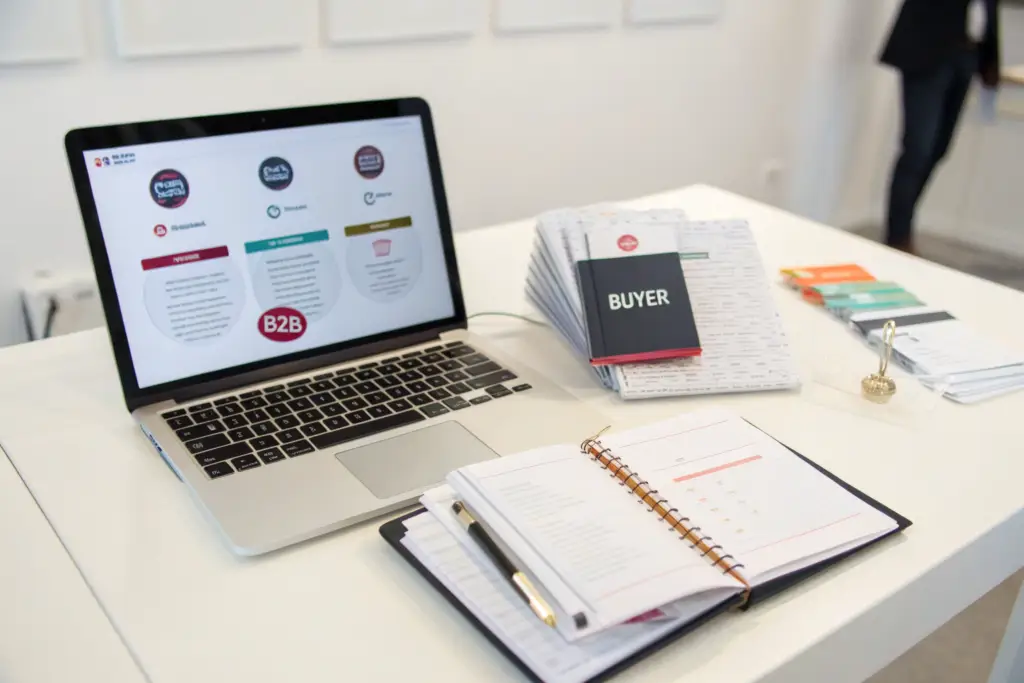
Online B2B platforms like Alibaba or Made-in-China can be a useful starting point, but they require extreme caution. These platforms are full of trading companies that pose as factories. They show beautiful photos stolen from other websites and offer prices that seem too good to be true. They usually are. If you use a platform, your first job is to verify that you are talking to a real, specialized manufacturer, not a middleman. Look for the "Verified Supplier" badge and check what it actually verified. Was it just a business license, or was it an on-site factory audit by a third party?
Demand a live video call. Walk through the factory floor. Ask to see the production line for lightweight coats. A real factory will be proud to show you its operation. A trading company will make excuses. Ask for references from current clients in your market. A reputable supplier will gladly provide references you can contact. We have a dedicated page on a B2B platform, but we use it primarily as a discovery tool. The real relationship always moves offline, to video calls, sample development, and eventually, an in-person visit. Do not place a bulk order solely through a platform's messaging system. The platform can be the introduction. The partnership is built on direct, personal communication and verified trust.
Why Is a Specialized Summer Coat Manufacturer Critical for Quality?
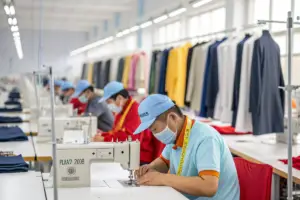
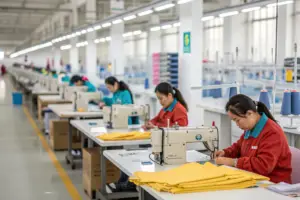
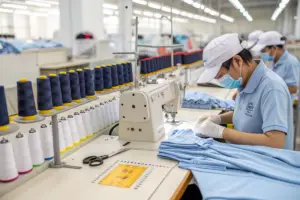
A factory that makes everything often masters nothing. I have seen boutiques make the mistake of ordering summer coats from a factory that primarily produces heavy winter outerwear or, worse, basic t-shirts. The result is almost always a problem. The fabric is handled too roughly, creating snags. The lightweight seams are sewn with the wrong thread tension, causing puckering. The delicate trims are attached with a heavy hand. Summer coats require a specific set of skills, machinery, and material knowledge that a generalist factory simply does not possess.
A specialized summer coat manufacturer has the specific lightweight fabric handling expertise, the dedicated machinery with proper feed systems, and the focused quality control protocols necessary for premium warm-weather garments.
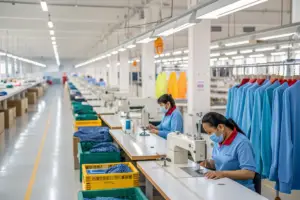
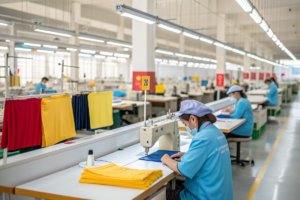
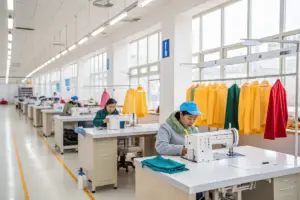
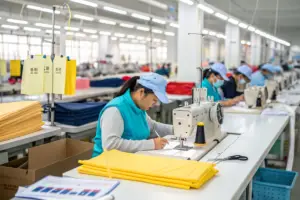
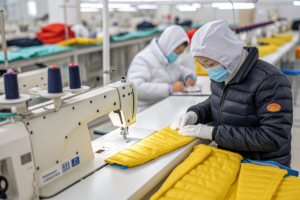
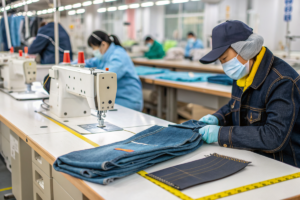
At Shanghai Fumao, our summer coat production operates in a dedicated area of the factory. The environment, the equipment, and the team are all optimized for the unique challenges of lightweight fabrics. This specialization is what delivers a consistently premium product.
What Specialized Machinery Is Needed for Lightweight Fabrics?
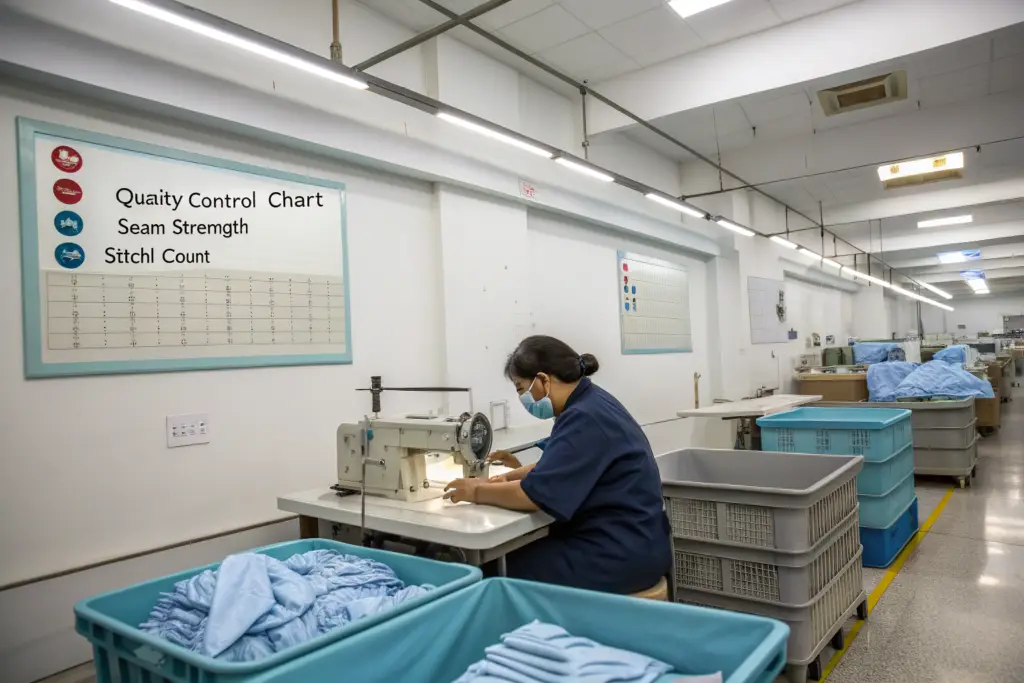
Lightweight cotton fabrics, like voiles, gauzes, and fine twills, are delicate. They stretch easily. They slip under the presser foot of a standard sewing machine. They snag on rough surfaces. A specialized factory uses machines that are specifically set up for these challenges. The feed dogs, the metal teeth that move the fabric forward, are a finer tooth to prevent marking and grabbing. The presser foot pressure is lighter. We use a combination of walking-foot and needle-feed machines. These machines move the top and bottom layers of fabric together, preventing the shifting and puckering that is common on lighter weights.
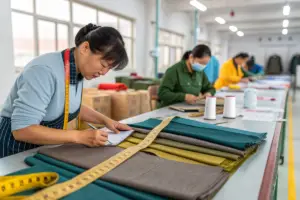
The cutting table is another critical piece of equipment. We use an automated cutting system with a vacuum table that gently holds the lightweight fabric in place without stretching or distorting it. A manual cutter moving a heavy electric knife through a stack of fine cotton voile is a recipe for uneven panels. Our system is precise to a fraction of a millimeter. The ironing and pressing stations are also adapted. A heavy industrial press can crush a delicate summer fabric and create a shine. We use precise temperature and steam controls, and for many styles, we use a hand-ironing finish to maintain the natural, soft drape.
How Do Quality Control Protocols Differ for Summer Coats?
The quality control checkpoints for a summer coat are designed to catch the specific failures that occur with lightweight fabrics. The first inspection is on the cutting table. We check for any shifting in the lay that would cause panels to be off-grain. An off-grain panel will cause a coat to twist and hang incorrectly on the body. This is a terminal defect.
The second critical checkpoint is the in-line sewing inspection. Our QC team measures seam allowances on a random sample every hour. A seam allowance that is too narrow on a lightweight fabric can easily pull out under stress. A seam that is too wide adds unnecessary bulk. The third checkpoint is the final audit. In addition to the standard measurement checks, we perform a seam strength test. A specialized machine pulls on the seam until it breaks, and we record the force required. The seam must hold above a specific threshold that is appropriate for the fabric weight. We also perform a light test. The garment is placed on a form under bright, directional light to reveal any hidden snags, pulls, or uneven areas in the weave. This level of inspection is impossible in a generalist factory. It requires a team that knows exactly what can go wrong with a lightweight garment and is trained to look for it relentlessly.
How Do You Build a Profitable Partnership with Your Manufacturer?
Finding the right manufacturer is the beginning, not the end. The real work is building a partnership that improves your business year after year. A transactional relationship, where you only communicate to place orders and negotiate prices, will deliver transactional results. A true partnership, built on mutual respect, clear communication, and shared goals, will generate far more value. Your manufacturer should feel like an extension of your own team.
Building a profitable partnership requires a shared product calendar, radical transparency on costing, and a commitment to collaborative problem-solving when the inevitable challenges arise.
This is the secret to long-term success that many boutique owners overlook. The human relationship is just as important as the product specification. At Shanghai Fumao, our most successful relationships are with buyers who treat us as a partner, not just a vendor.

A chaotic buying cycle leads to rushed production, shipping delays, and missed selling windows. A shared, agreed-upon product calendar eliminates this chaos. In January, you and your manufacturing partner should agree on the entire timeline for your summer coat collection. Fabric sourcing deadline. Sample development and approval dates. Bulk order placement date. Bulk production window. Shipping date. In-store date. Every milestone is documented and shared.
This calendar acts as a contract of commitment. It allows the factory to reserve production capacity specifically for your order. It eliminates the stress of last-minute scrambling. And it creates a rhythm of communication. You know exactly when you will receive your pre-production sample. The factory knows exactly when they will receive your feedback. This predictability reduces errors. It also allows you to plan your marketing and your cash flow with confidence. We work with our boutique partners to build this calendar every season. The partners who commit to the calendar consistently have the smoothest production runs and the best on-time delivery rates.
What Does Transparency on Costing Look Like?
Some buyers believe that the factory's cost breakdown is a secret to be kept hidden. This mindset creates suspicion and limits collaboration. A transparent partnership is one where the factory openly shares the major cost drivers. Labor cost, fabric cost, trim cost, and logistics cost. This transparency allows for creative problem-solving. If the fabric is the biggest cost, you can work together to find a slightly less expensive but equally beautiful alternative from the same mill. If a particular design detail, like a complex pocket, is adding significant labor, you can discuss simplifying it.
Transparency also builds trust on price. When you understand the cost structure, you know that your price is fair. You are not being overcharged because you are a small boutique. We practice open-book costing with our long-term partners. We show them the fabric invoice. We explain the labor calculation. We arrive at the FOB or DDP price together. This process transforms the price negotiation from a zero-sum game into a collaborative discussion about value. The result is a price that gives the boutique a healthy margin and gives the factory a sustainable profit. This is the only foundation for a partnership that lasts for many seasons.
Conclusion
Finding high-quality cotton summer coats for your boutique is a journey that ends with a trusted partner, not just a transaction. You now know what genuine quality looks like, from the long-staple cotton fabric to the French seams and the corozo buttons. You know the most reliable channels to begin your search, from trade show introductions to carefully vetted B2B platforms. You understand the critical importance of a specialized manufacturer with the right machinery and quality protocols for lightweight fabrics. And you see the value of building a true partnership based on a shared calendar and transparent costing.
The perfect cotton summer coat, the one that your customer will love and your accountant will appreciate, is made by a factory that cares as much as you do. It is a factory that sweats the details, that answers your emails promptly, and that views your success as its own success. At Shanghai Fumao, we have built our business around serving boutique owners like you. If you are ready to start a conversation about your summer coat collection, I invite you to contact our Business Director, Elaine. She can show you our current cotton fabric library and walk you through our transparent partnership process. You can reach her directly at elaine@fumaoclothing.com. Let's find the perfect coats for your boutique, together.